
Japan Goalkeeper Racially Abused Online After Asian Cup Errors
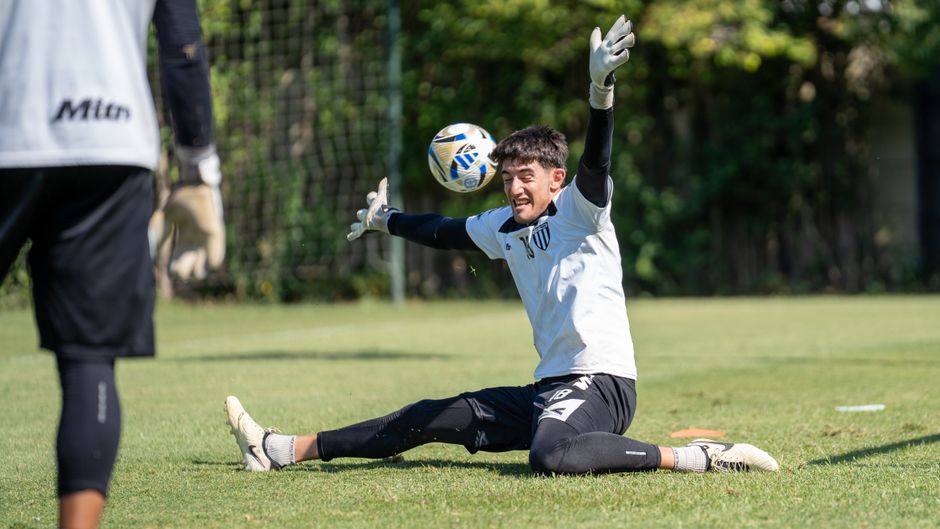
Japanese Goalkeeper Faces Vile Racist Abuse Online After Asian Cup Errors
The Asian Cup, a prestigious continental football tournament meant to showcase the pinnacle of Asian talent, was marred by an ugly wave of online racist abuse directed at Japanese national team goalkeeper Zion Suzuki. Following crucial errors during Japan’s disappointing quarter-final exit against Iran, Suzuki found himself the target of a torrent of hateful and discriminatory comments on social media platforms. This incident has reignited concerns about the prevalence of racism in online football discourse and the inadequacy of current measures to combat it.
Suzuki, a 21-year-old player of Japanese and American heritage, was already under immense pressure going into the Iran match. Japan, a perennial favorite in the Asian Cup, had not performed to their usual high standards throughout the tournament, and scrutiny on the squad was intense. The young goalkeeper, in his first major international tournament as the undisputed number one, was tasked with filling the void left by established veterans. The first significant moment of contention came in the 27th minute when Suzuki’s misjudged punch from an Iranian corner allowed Moradi to score the opening goal. While the defensive effort was questionable, the focus quickly shifted to the goalkeeper. The second, and arguably more decisive, error occurred in the 55th minute when Suzuki conceded a penalty for a foul on Taremi, which Taremi himself converted to seal Iran’s victory. These moments, magnified by the high stakes of a knockout match and Japan’s subsequent elimination, became the focal point for a deeply disturbing backlash.
The vitriol directed at Suzuki transcended typical football criticism. Instead of analyzing tactical missteps or individual performance in a constructive manner, a significant portion of the online commentary devolved into outright racist abuse. Comments emerged on platforms like X (formerly Twitter), Instagram, and various football forums, often using derogatory terms related to his mixed-race background. The underlying sentiment was that his ethnicity was somehow to blame for his perceived shortcomings on the pitch. This is a deeply problematic and illogical leap, conflating a player’s identity with their professional competence. The speed and intensity with which this abuse spread highlight the dark underbelly of online fan culture, where anonymity and a lack of accountability can embolden individuals to express their worst prejudices.
The nature of the racist attacks against Suzuki is not new, unfortunately. Football, like many other high-profile public spheres, has long grappled with racism. However, the digital age has amplified the reach and immediacy of such abuse. Social media platforms, while connecting fans globally, also provide a fertile ground for the rapid dissemination of hateful messages. The attackers often hide behind anonymous or disposable accounts, making it difficult to trace and prosecute them. This impunity emboldens further abuse, creating a toxic environment for athletes. Suzuki’s case is particularly concerning because it targets a young player in his formative years, potentially causing lasting psychological damage and impacting his career trajectory. The pressure on young athletes is already immense; to have to contend with such vile personal attacks on top of professional performance anxiety is a heavy burden.
The Japanese Football Association (JFA) and the Japanese national team, known as the Samurai Blue, were quick to condemn the racist abuse. A statement released by the JFA expressed their strong disapproval and emphasized their commitment to combating discrimination in all its forms. Manager Hajime Moriyasu also offered his support to Suzuki, stating that the team stood united and that individual errors were part of the game. The captain of the national team, Wataru Endo, publicly defended Suzuki, highlighting his youth and the pressure he faced. These official responses are crucial in signaling zero tolerance for racism and in providing a platform of support for the targeted player. However, the effectiveness of these statements is often measured by the concrete actions that follow.
Beyond official condemnations, the incident has sparked wider discussions within Japan and internationally about the complexities of race and identity in a nation that is becoming increasingly diverse. Suzuki, who was born in Japan to a Japanese mother and an American father, represents a new generation of Japanese athletes with multicultural backgrounds. While many embrace this diversity, as evidenced by the outpouring of support Suzuki also received, a segment of society still harbors exclusionary sentiments. The racist attacks reflect a disturbing undercurrent of xenophobia and prejudice that exists, and which can surface when individuals perceived as "outsiders" are perceived to fail. This incident serves as a stark reminder that even in a country often perceived as harmonious, racial prejudice can manifest in deeply damaging ways.
The role of social media platforms in moderating content and preventing the spread of hate speech remains a contentious issue. While platforms like X and Instagram have community guidelines that prohibit racism and harassment, the enforcement of these rules is often criticized as being inconsistent and reactive rather than proactive. The sheer volume of content uploaded daily makes it an enormous challenge to police effectively. However, more robust AI-powered detection systems, coupled with human moderation and swifter disciplinary action against offending accounts, are crucial steps that these platforms must take. The anonymity afforded by some platforms is also a significant enabler of this behavior, and greater efforts to verify user identities, or at least to have stronger recourse against anonymous abusers, are needed.
The implications of this racist abuse extend beyond the individual player and the immediate aftermath of the Asian Cup. It impacts the reputation of Japanese football and the perception of Japan as a welcoming nation. It also sends a chilling message to other young athletes from diverse backgrounds who may aspire to represent their country. If the price of failure is to be subjected to such hateful attacks, it could deter talent and discourage participation. The long-term mental health and well-being of athletes are paramount, and creating a safe and supportive environment, both online and offline, should be a collective responsibility.
Looking ahead, addressing online racism in football requires a multi-pronged approach. Education plays a vital role, fostering understanding and empathy from a young age about diversity and the harmful impact of prejudice. Football organizations, including FIFA, UEFA, and national federations like the JFA, need to continue implementing and strengthening anti-racism campaigns. These campaigns should not just be symbolic; they should be backed by tangible actions, such as mandatory educational programs for players, coaches, and fans, and swift sanctions against individuals and clubs found to be engaging in racist behavior.
The sporting community’s response to Suzuki’s ordeal also highlights the importance of solidarity. The widespread support he has received from fans, fellow players, and public figures demonstrates that the vast majority condemn racism and stand with the targeted individual. This collective voice is a powerful counter-narrative to the hateful few. Furthermore, the incident underscores the need for greater mental health support for athletes. Players like Suzuki, who are subjected to such intense online scrutiny and abuse, need access to psychological resources to help them cope with the pressure and trauma.
In conclusion, the racist abuse directed at Zion Suzuki after the Asian Cup is a deeply concerning episode that exposes the persistent problem of online racism in football. It is a symptom of deeper societal issues and a challenge that the sport and its governing bodies must confront with renewed vigor. The focus should not solely be on punishing individual abusers, though that is necessary, but on creating a culture where such behavior is not tolerated at any level. The future of football, a sport that prides itself on bringing people together, depends on its ability to effectively combat hatred and ensure that all players, regardless of their background, can perform on a level playing field, free from discrimination. The Asian Cup should be a celebration of sporting excellence, not a platform for the ugliness of racial prejudice. The lessons learned from this regrettable incident must translate into concrete, sustained action to foster a more inclusive and respectful environment for all involved in the beautiful game.