
Sleek Thieves Execute High-End Cognac Heist from Arizona Steakhouse, Sparking Industry-Wide Concerns Over Retail Crime

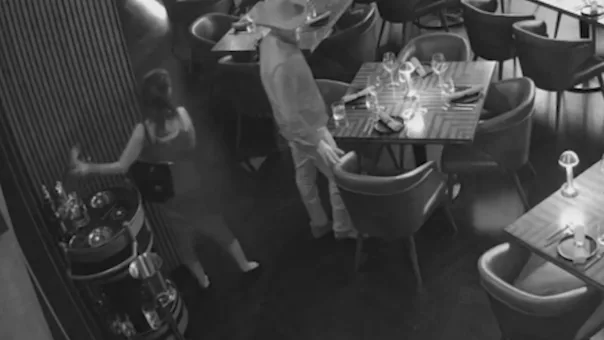
A meticulously orchestrated theft at a prestigious Tempe, Arizona, steakhouse has sent ripples through the local hospitality industry after a sophisticated duo allegedly made off with a rare bottle of Louis XIII cognac valued at $4,000. The audacious incident, captured on surveillance video, underscores a growing challenge for high-end establishments grappling with increasingly brazen and organized retail crime. Staff at Three Thirty Three Restaurant, owned by Kaos Hospitality Group, expressed profound shock, stating they had never witnessed a crime of this nature within their four decades of operation.
A Bold Heist Unfolds in Tempe
The incident transpired on the evening of May 4th at the Three Thirty Three Restaurant, located in the vibrant city of Tempe, a prominent hub within the greater Phoenix metropolitan area known for its dynamic culinary scene. The alleged perpetrators, a man and a woman described as a "slick pair," executed their plan with a level of premeditation that suggests prior reconnaissance and a calculated approach. Their target: a coveted bottle of Louis XIII, a Grande Champagne cognac from Rémy Martin, known globally for its exceptional quality and staggering price point.
According to restaurant staff, the duo initiated their scheme by booking a table under a fictitious name and providing a non-traceable phone number, a common tactic employed by professional thieves to obscure their identities and intentions. They arrived late for their reservation, a subtle deviation from typical patron behavior that, in hindsight, may have been part of their strategy to create a slight disruption or divert attention. Their order consisted only of appetizers, further indicating that their primary objective was not a dining experience but rather the execution of their illicit plan. Throughout their brief stay, the couple allegedly lodged minor complaints, a tactic often used to engage staff, create distractions, or test the restaurant’s responsiveness and security protocols.
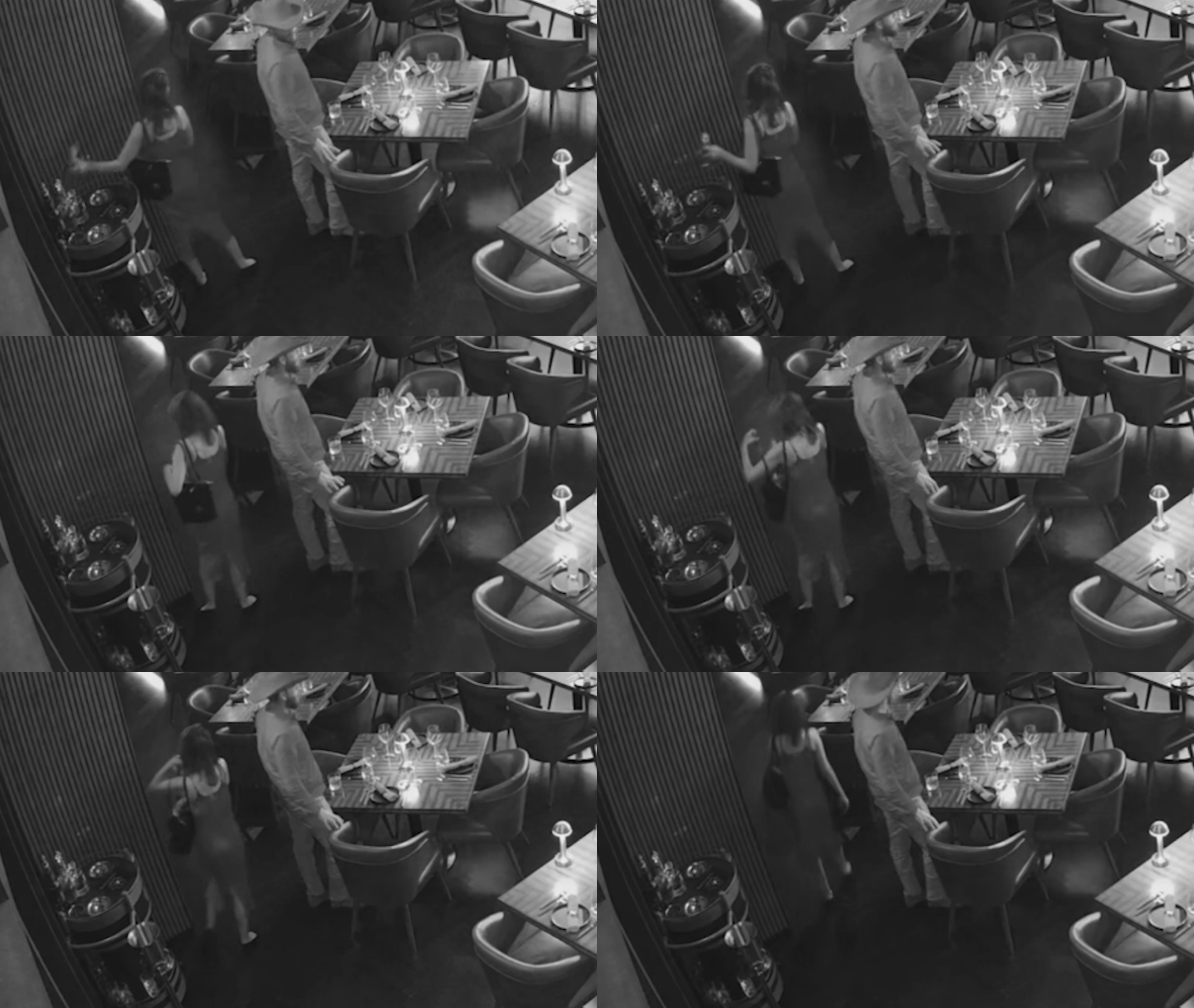
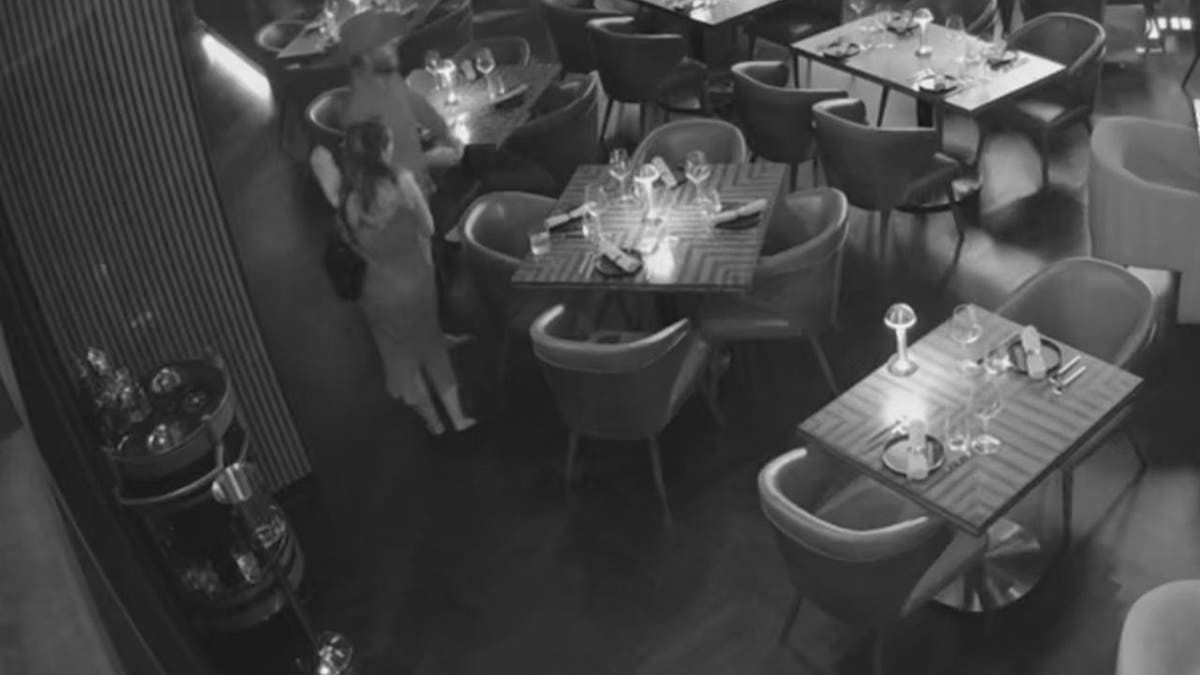
The critical moment of the heist, vividly captured by the restaurant’s surveillance cameras, occurred when the female suspect, with apparent ease, lifted the opulent bottle of Louis XIII cognac. This particular vintage, encased in its distinctive crystal decanter, is an item of considerable weight and fragility, making its discreet removal a testament to the perpetrator’s composure and dexterity. She then deftly concealed the high-value liquor within her purse, an action that required both planning and the use of an appropriately sized bag. Simultaneously, her male accomplice played a crucial role, strategically positioning himself to obstruct the view of a vigilant manager, thereby creating a crucial window of opportunity for the theft to occur without immediate detection. Moments after securing their prize, the pair swiftly departed the premises, disappearing into the night in a black SUV.
The Precious Cargo: A Legacy in a Bottle
The choice of Louis XIII cognac as the target of this sophisticated heist highlights the allure of ultra-luxury goods for criminal enterprises. Louis XIII is not merely a beverage; it is a symbol of unparalleled craftsmanship and a legacy spanning generations. Produced by Rémy Martin, this "King of Cognacs" is an exquisite blend of up to 1,200 eaux-de-vie (brandies) sourced exclusively from the Grande Champagne region of Cognac, France, renowned for producing the finest grapes. These eaux-de-vie are aged for a minimum of 40 years, with some components maturing for up to a century in ancient Limousin oak barrels known as "tierçons."
The cognac’s exceptional quality is matched by its presentation. Each bottle is a handcrafted crystal decanter, individually numbered, often produced by prestigious crystal houses such as Baccarat, further elevating its status as a collector’s item. The retail price of a standard 750ml bottle, typically ranging from $3,000 to $4,000, reflects not only the decades of aging and meticulous blending but also the heritage, rarity, and artisanal skill involved in its creation. For high-end restaurants and steakhouses like Three Thirty Three, offering such a prestigious spirit is a statement of luxury and a draw for discerning clientele, making its theft not just a financial loss but a blow to the establishment’s curated selection and prestige.
The Immediate Aftermath and Restaurant’s Resolve
The discovery of the theft sent shockwaves through the Three Thirty Three Restaurant and its parent company, Kaos Hospitality Group. John DeVries, a seasoned veteran of the hospitality industry with over four decades of experience, voiced the profound frustration and indignation felt by the staff. "You didn’t need to rob us," DeVries told KSAZ-TV, conveying a sense of betrayal. "You didn’t need to come in and steal. Stealing from me, stealing from this family here, that’s not happening. We’re on you. We’re gonna get you. We’re gonna prosecute you." His defiant statement underscores the personal impact of such crimes on business owners and their employees, who often view their establishments as extensions of their homes and families.
The incident has prompted the restaurant to re-evaluate its security protocols, particularly concerning the display and storage of high-value items. While surveillance systems were in place and proved instrumental in capturing the crime, the sophistication of the thieves’ methods suggests a need for enhanced vigilance and potentially more robust physical security measures for exceptionally valuable inventory. The financial loss, while significant, is compounded by the disruption and the psychological impact on staff, who now face the uneasy reality of operating in an environment where such calculated criminal acts can occur.
Law Enforcement Launches Investigation
The Tempe Police Department was immediately notified of the theft, and an investigation was promptly launched. While police have stated that the investigation remains ongoing and no additional information is available at this time, law enforcement typically follows a structured process in such cases. This includes reviewing surveillance footage, attempting to identify the suspects through facial recognition technology or public appeals, tracing the fake booking details, and analyzing any potential vehicle identification information, such as the black SUV’s license plate, which was also captured on camera.
Authorities will likely collaborate with other law enforcement agencies, as organized retail crime often involves perpetrators who operate across jurisdictional lines. The challenge lies in identifying individuals who deliberately take steps to obscure their identities and movements. Public assistance is often crucial in these types of investigations, with calls for citizens to report any recognizable individuals or suspicious activity. The potential charges for such a theft, given the value of the item, would likely be a felony, carrying significant legal consequences for the perpetrators if apprehended and convicted.
The Shadow of Organized Retail Crime
This high-value cognac heist is not an isolated incident but rather symptomatic of a larger national trend: the alarming rise of organized retail crime (ORC). According to the National Retail Federation (NRF), ORC costs U.S. retailers tens of billions of dollars annually, with losses reaching an estimated $112.1 billion in 2022, up from $93.9 billion in 2021. While many public narratives focus on large-scale retail store lootings, ORC encompasses a wide array of sophisticated criminal activities, including "dine-and-dash" schemes, cargo theft, and targeted high-value item pilfering, as seen in the Tempe incident.
Arizona, like many states, has seen its share of ORC activity. Just recently, seven members of a South American theft group were arrested in Phoenix for a series of burglaries, highlighting the presence of professional criminal networks targeting high-value goods. These groups often employ elaborate tactics, including using fake identities, creating distractions, and quickly fencing stolen merchandise through online marketplaces or illicit networks. The appeal of high-end items like Louis XIII cognac is their liquid value in the black market, making them attractive targets for resale. The financial burden of ORC extends beyond the immediate loss, impacting insurance premiums, necessitating increased security investments, and potentially leading to higher consumer prices as businesses attempt to offset their losses. Small businesses, in particular, are disproportionately affected, as they often lack the extensive resources of larger corporations to absorb losses or implement advanced security systems.
Protecting High-End Establishments: A Growing Challenge
The incident at Three Thirty Three Restaurant serves as a stark reminder of the vulnerabilities faced by high-end establishments that stock luxury goods. While the ambiance of a posh steakhouse often prioritizes comfort and an open display of fine spirits, such environments can inadvertently become targets for determined criminals.
Industry experts suggest that restaurants and retailers need to constantly adapt their security strategies. This could include:
- Enhanced Surveillance: Installing high-definition cameras in strategic locations, including near high-value displays and exits, with clear facial recognition capabilities.
- Staff Training: Educating employees on recognizing suspicious behavior, such as individuals lingering near valuable items, asking unusual questions, or creating distractions. Training should also cover protocols for handling high-value items and responding to potential theft attempts.
- Physical Security: Implementing more secure display cases for ultra-premium spirits, potentially with alarm systems or requiring staff assistance for access. For items not on immediate display, secure, locked storage is paramount.
- Digital Vigilance: Regularly monitoring online booking systems for suspicious patterns, such as repeated fake names or non-existent contact information.
- Community Collaboration: Engaging with local law enforcement and other businesses to share intelligence on criminal trends and suspect descriptions.
- Inventory Management: Keeping meticulous records of high-value inventory and conducting regular audits to quickly identify missing items.
For establishments like Three Thirty Three, balancing an inviting, luxurious atmosphere with robust security measures is a delicate act. However, the rising tide of sophisticated retail crime necessitates a proactive and adaptive approach to safeguard assets and ensure the safety and peace of mind of staff and patrons.
Community Vigilance and the Call for Justice
The Kaos Hospitality Group and the Tempe Police Department have made a public appeal for assistance in identifying and apprehending the individuals responsible for this audacious theft. The images captured by surveillance cameras, showing both the suspects and their getaway vehicle, a black SUV, are critical pieces of evidence. The hope is that a member of the public will recognize the duo or the vehicle, providing the crucial tip needed to advance the investigation.
This incident is more than just a theft of a bottle of cognac; it represents an affront to the local business community and highlights the persistent challenge of maintaining security in an increasingly complex environment. The restaurant’s determined stance to pursue justice, coupled with the ongoing police investigation and the broader community’s vigilance, are essential components in deterring future crimes and ensuring that those who engage in such illicit activities are held accountable. As the investigation continues, the Tempe community and the hospitality industry await updates, hoping for a swift resolution that brings the alleged thieves to justice and reinforces the commitment to protecting local businesses from the scourge of organized retail crime.


