
Medicine To Be Distributed To Gaza Hospitals Before Taken To Hostages
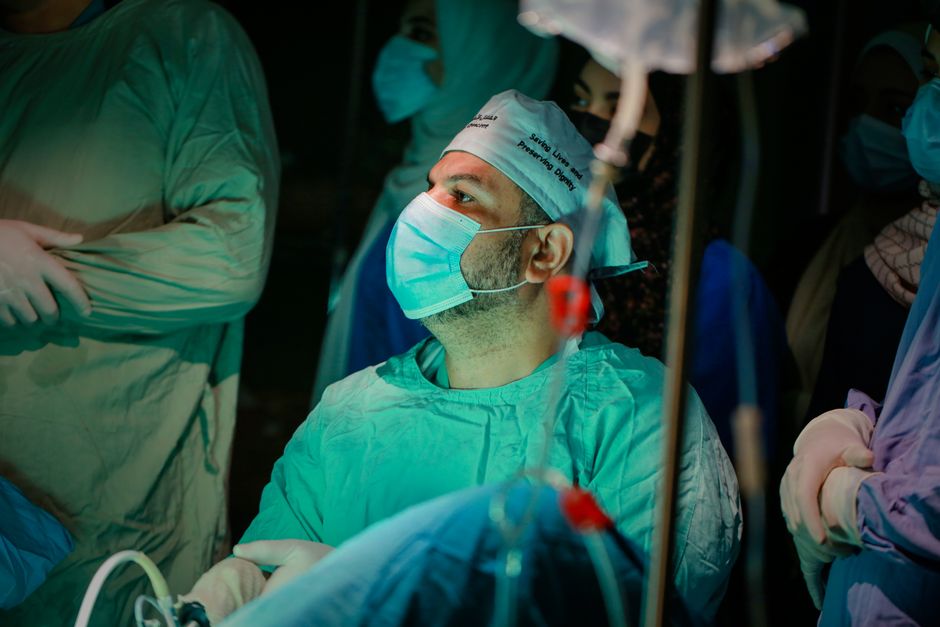
Essential Medical Supplies for Gaza Hospitals: A Critical Overview and Distribution Protocol for Hostage Relief
The immediate and sustained provision of critical medical supplies to Gaza hospitals is paramount, forming the bedrock of both ongoing patient care and the crucial pre-distribution phase for potential hostage relief operations. This document outlines the essential categories of medical resources required, emphasizing their strategic importance and the stringent distribution protocols necessary to ensure their effective and ethical deployment in a conflict zone. The ongoing humanitarian crisis in Gaza necessitates a rapid and comprehensive response, addressing the immediate needs of a severely strained healthcare infrastructure while preparing for the complex logistical and medical requirements associated with hostage recovery. Failure to adequately supply these facilities will have direct and devastating consequences for all individuals within the region, irrespective of their status.
I. Surgical and Trauma Care: The Immediate Frontier of Need
The overwhelming incidence of trauma injuries in Gaza, stemming from conflict-related incidents, places an unparalleled demand on surgical and trauma care capabilities. Therefore, the following categories of supplies are of the highest priority.
-
Surgical Instruments: A comprehensive inventory of general surgical sets (scalpels, forceps, retractors, clamps, scissors), orthopedic surgical instruments (bone saws, drills, osteotomes, reamers, plating and screwing kits), neurosurgical instruments (cranio-dissection kits, micro-surgical instruments), and specialized instruments for thoracic, abdominal, and vascular surgery are indispensable. The availability of sterile, high-quality instruments directly impacts the success rate of life-saving procedures and the prevention of further complications such as infection. Emphasis must be placed on a sufficient quantity to accommodate multiple simultaneous surgical interventions. This includes a robust supply of disposable instruments for single-use to minimize the risk of cross-contamination, a significant concern in austere environments.
-
Anesthesia and Pain Management: A wide array of anesthetic agents (general anesthetics like propofol, sevoflurane; local anesthetics like lidocaine, bupivacaine), muscle relaxants, and critical care sedatives are vital. Equally important are potent analgesics for both acute post-operative pain and the management of chronic pain conditions exacerbated by the conflict. This includes opioids (morphine, fentanyl) for severe pain, and non-opioid alternatives for milder to moderate pain. The judicious administration of these agents requires well-trained personnel and appropriate monitoring equipment, which should also be considered in supply chain planning.
-
Wound Management and Dressing Supplies: The sheer volume of open wounds necessitates an enormous quantity of sterile gauze pads, bandages (various sizes, elastic, conforming), wound dressings (hydrocolloids, hydrogels, alginates, foam dressings), antiseptic solutions (povidone-iodine, chlorhexidine), and sterile saline for wound irrigation. Debridement tools (curettes, scalpels) are also critical for cleaning infected or necrotic tissue. Advanced wound care technologies, such as negative pressure wound therapy (NPWT) devices and associated dressings, can significantly accelerate healing and reduce the risk of complications in severe trauma cases.
-
Hemostatic Agents and Blood Products: Control of hemorrhage is a primary concern in trauma. Therefore, readily available hemostatic agents (e.g., tranexamic acid, topical hemostats like gelatin sponges and oxidized regenerated cellulose) are essential. A stable and sufficient supply of blood products, including packed red blood cells, fresh frozen plasma, and platelets, is a life-or-death necessity. This requires robust blood banking capabilities and cold chain logistics, which are often compromised in conflict zones. Screening of donated blood for infectious diseases is a crucial, though often challenging, aspect of this provision.
II. Critical Care and Life Support: Sustaining Vital Functions
Beyond immediate surgical intervention, the ability to provide intensive care and life support is crucial for patient survival and recovery.
-
Respiratory Support: Mechanical ventilators (both invasive and non-invasive), oxygen concentrators, oxygen cylinders (with regulators and flow meters), endotracheal tubes (various sizes), tracheostomy kits, and suction catheters are fundamental. Nebulizers and bronchodilators are also essential for managing respiratory distress. The maintenance and operation of ventilators require skilled technicians and a reliable power source, factors that must be addressed in any comprehensive medical aid package.
-
Cardiovascular Support: Intravenous fluids (saline, Ringer’s lactate, dextrose solutions), electrolyte solutions, vasopressors (norepinephrine, dopamine) for managing shock, and antiarrhythmic medications are critical for cardiovascular stability. Cardiac monitors, defibrillators, and electrocardiogram (ECG) machines are vital for diagnosing and treating cardiac emergencies. The availability of central venous catheters and arterial lines for monitoring hemodynamic status is also important.
-
Renal Support: Continuous Renal Replacement Therapy (CRRT) machines and associated disposables are vital for patients experiencing acute kidney injury, a common complication in severe trauma and sepsis. Dialysis fluids and tubing are also essential. Access to sterile water for dialysis preparation is a prerequisite.
-
Monitoring Equipment: A comprehensive suite of patient monitoring devices is indispensable in critical care. This includes pulse oximeters, blood pressure monitors (non-invasive and invasive), temperature probes, capnography, and continuous glucose monitors. The integration of these devices with central monitoring systems enhances the ability of healthcare providers to respond rapidly to deteriorating patient conditions.
III. Infectious Disease Prevention and Management: A Looming Threat
The conditions prevalent in Gaza, including overcrowding, compromised sanitation, and limited access to clean water, create fertile ground for infectious disease outbreaks.
-
Antibiotics and Antivirals: A broad spectrum of antibiotics covering common bacterial pathogens (e.g., penicillins, cephalosporins, carbapenems, macrolides, fluoroquinolones) is essential. Antivirals for influenza, hepatitis, and other common viral infections should also be included. The judicious use of antibiotics, guided by susceptibility testing where possible, is crucial to prevent the rise of antimicrobial resistance.
-
Antifungals and Antiparasitics: Fungal infections, particularly in immunocompromised individuals and those with extensive wounds, are a significant concern. A range of systemic and topical antifungals is required. Similarly, antiparasitic medications are necessary to treat common parasitic infections prevalent in the region.
-
Vaccines: Routine childhood vaccinations and vaccines for preventable diseases like tetanus, diphtheria, pertussis, measles, mumps, and rubella are vital to prevent epidemics. Consideration should be given to vaccines against influenza and pneumococcal disease for vulnerable populations. Maintaining the cold chain for vaccine storage and transport is paramount.
-
Diagnostic Tools for Infectious Diseases: Rapid diagnostic tests (RDTs) for common infections (e.g., malaria, dengue fever, COVID-19, strep throat) can facilitate timely treatment and public health interventions. Laboratory reagents and consumables for more complex diagnostic testing, such as PCR assays, should also be considered where infrastructure permits.
-
Personal Protective Equipment (PPE): A substantial supply of N95 respirators, surgical masks, gloves (sterile and non-sterile), gowns, face shields, and eye protection is critical for healthcare workers to protect themselves and prevent the transmission of infectious agents. Disposable and reusable options should be considered, along with appropriate disposal mechanisms for contaminated materials.
IV. Pharmaceuticals and General Medical Supplies: The Everyday Arsenal
Beyond specialized categories, a robust supply of general pharmaceuticals and medical consumables is the backbone of daily healthcare operations.
-
Pain Management and Anti-inflammatories: Over-the-counter pain relievers (acetaminophen, ibuprofen), non-steroidal anti-inflammatory drugs (NSAIDs), and other anti-inflammatory medications are in constant demand.
-
Gastrointestinal Medications: Antacids, antiemetics, laxatives, and anti-diarrheal agents are frequently needed. Medications for managing acid reflux and peptic ulcers are also important.
-
Cardiovascular Medications: Medications for hypertension (ACE inhibitors, beta-blockers, calcium channel blockers), anticoagulants (aspirin, clopidogrel), and statins for cholesterol management are essential for patients with chronic cardiovascular conditions.
-
Endocrine Medications: Insulin (various types), oral hypoglycemic agents, and thyroid hormone replacement medications are critical for diabetic and thyroid patients.
-
Dermatological Supplies: Topical corticosteroids, antibiotic creams, antifungal creams, and emollients are required for managing a range of skin conditions.
-
Eye and Ear Care: Antibiotic eye drops, steroid eye drops, lubricating eye drops, and ear drops are necessary for common ophthalmological and otological conditions.
-
Laboratory Reagents and Consumables: A steady supply of reagents for basic laboratory tests (blood counts, urinalysis, basic chemistry panels), as well as glassware, pipettes, and other consumables, is crucial for diagnosis and monitoring.
-
Sterilization and Disinfection Supplies: Autoclave sterilization supplies, chemical disinfectants, and cleaning agents are vital for maintaining the sterility of equipment and the hygiene of healthcare facilities.
V. Equipment and Consumables for Hostage Relief Operations: A Distinct Yet Intertwined Need
While the primary focus is on supporting existing hospital infrastructure, specific considerations must be made for medical supplies and equipment directly relevant to potential hostage relief operations. This category acknowledges the dual purpose of this medical distribution.
-
Specialized Trauma Kits: Pre-assembled trauma kits designed for rapid field deployment, containing advanced wound care supplies, hemostatic agents, tourniquets, emergency splints, and basic life support medications, are crucial for immediate on-site medical response during a rescue operation. These kits should be compartmentalized for quick access to specific items.
-
Medical Evacuation Equipment: Lightweight, portable medical evacuation stretchers, vacuum splints, and portable oxygen delivery systems will be necessary to safely transport rescued individuals from the extraction point to medical facilities.
-
Decontamination Supplies: In scenarios where hostages may have been exposed to chemical or biological agents, specialized decontamination kits, including appropriate personal protective equipment for responders and decontamination solutions, will be essential.
-
Psychological and Psychiatric Support: Post-traumatic stress disorder (PTSD) and acute stress reactions are highly probable in rescued hostages. Therefore, the provision of sedatives, anxiolytics, and basic psychiatric assessment tools, along with trained mental health professionals, should be considered. This also extends to providing similar support for the rescue personnel themselves.
-
Nutritional Support: High-energy, easily digestible nutritional supplements and specialized infant formulas may be required, as hostages may have experienced prolonged periods of malnutrition or restricted diets.
-
Documentation and Identification: Basic medical record-keeping supplies and indelible markers will be necessary to maintain accurate patient information during the immediate aftermath of a rescue, facilitating subsequent care and investigation.
VI. Distribution Protocol and Quality Assurance: Ensuring Efficacy and Integrity
The effective and ethical distribution of these critical medical supplies is as vital as their procurement. A multi-layered protocol must be implemented to ensure equitable access, prevent diversion, and maintain product integrity.
-
Centralized Inventory Management: All incoming medical supplies should be received at a designated, secure central depot within Gaza. A comprehensive inventory system, utilizing both digital and physical tracking, must be established to monitor stock levels, expiry dates, and batch numbers. This system should be accessible to authorized personnel from relevant healthcare institutions.
-
Needs Assessment and Prioritization: Regular, systematic assessments of the specific needs of each Gaza hospital and clinic must be conducted. This assessment should be performed by qualified medical personnel, taking into account current patient loads, existing stock levels, and anticipated future demands. Prioritization of supplies should be based on immediate life-saving potential and the severity of the humanitarian crisis.
-
Secure Transportation and Logistics: A secure and reliable transportation network must be established to deliver supplies from the central depot to individual healthcare facilities. This network should involve vetted drivers and vehicles, with clear routes and communication protocols to minimize risk. Cold chain integrity must be maintained for temperature-sensitive items throughout the distribution process, employing temperature-controlled vehicles and validated monitoring devices.
-
Accountability and Traceability: A robust accountability framework must be in place, requiring signed receipts for all delivered supplies at each stage of the distribution chain. Batch numbers and expiry dates should be meticulously recorded to ensure traceability and facilitate recall if necessary. This system is crucial for preventing diversion and ensuring that supplies reach their intended recipients.
-
Quality Control and Verification: Independent quality control checks should be implemented to verify the integrity and authenticity of medical supplies upon arrival and at key distribution points. This includes visual inspection for damage, checking expiry dates, and, where feasible, performing basic functionality tests on equipment. Collaboration with international health organizations experienced in monitoring aid distribution in conflict zones is highly recommended.
-
Security Measures: Given the volatile environment, stringent security measures must be implemented at all stages of the supply chain, from the point of entry into Gaza to the final delivery to hospitals. This includes physical security of storage facilities, secure transport protocols, and the vetting of personnel involved in the handling and distribution of medical supplies.
-
Coordination with Healthcare Providers: Close and continuous coordination with the medical directors and relevant staff of Gaza hospitals is essential. This ensures that distribution aligns with their operational capabilities, staffing levels, and patient care priorities. Establishing clear communication channels for reporting shortages, damages, or emerging needs is critical.
-
Ethical Distribution Principles: Distribution must adhere to the principles of impartiality, neutrality, and humanitarianism, ensuring that medical supplies are allocated based on need alone, without discrimination of any kind. The principle of “do no harm” must guide all distribution decisions.
-
Post-Distribution Monitoring: A system for post-distribution monitoring should be in place to assess the impact of the supplied medical resources on patient care, identify any challenges in utilization, and gather feedback for future supply chain improvements. This feedback loop is vital for adaptive management in a dynamic environment.
Conclusion: The provision of comprehensive medical supplies to Gaza hospitals, coupled with a meticulously planned and rigorously executed distribution protocol, is an urgent imperative. The success of both ongoing humanitarian aid and the critical pre-distribution phase for hostage relief hinges on the timely, secure, and equitable delivery of these essential resources. The scope of need is vast and multifaceted, demanding a strategic approach that prioritizes life-saving interventions, preventative care, and robust logistical oversight. The ethical considerations inherent in such operations necessitate a commitment to transparency, accountability, and the unwavering principle of providing aid based solely on humanitarian need.
