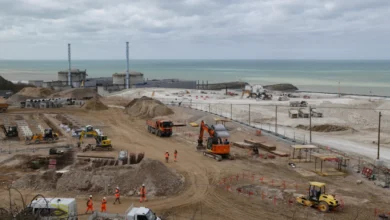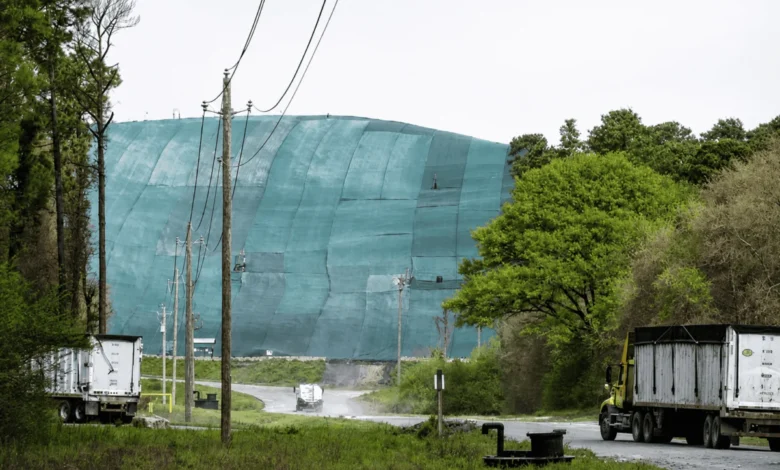
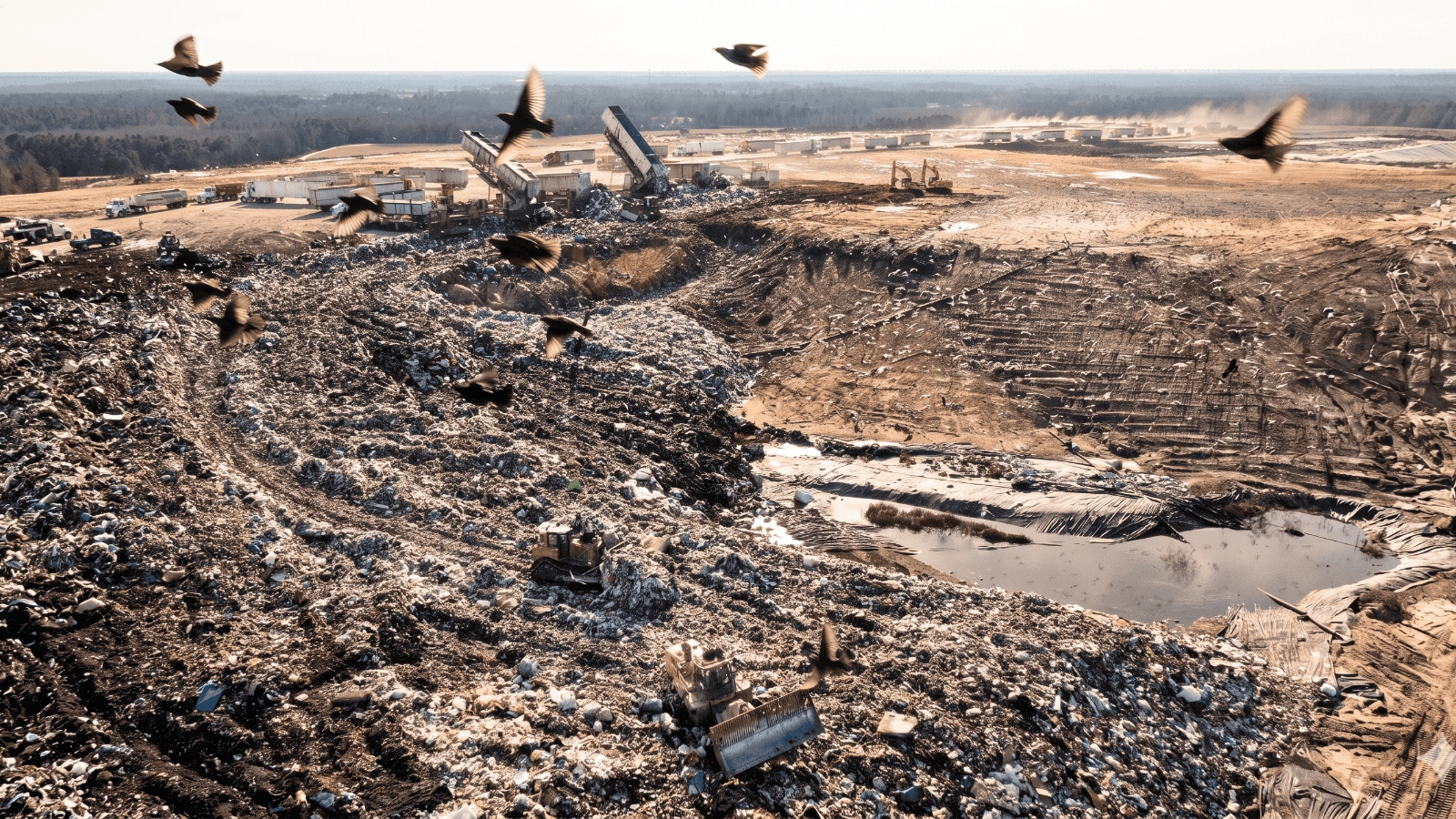
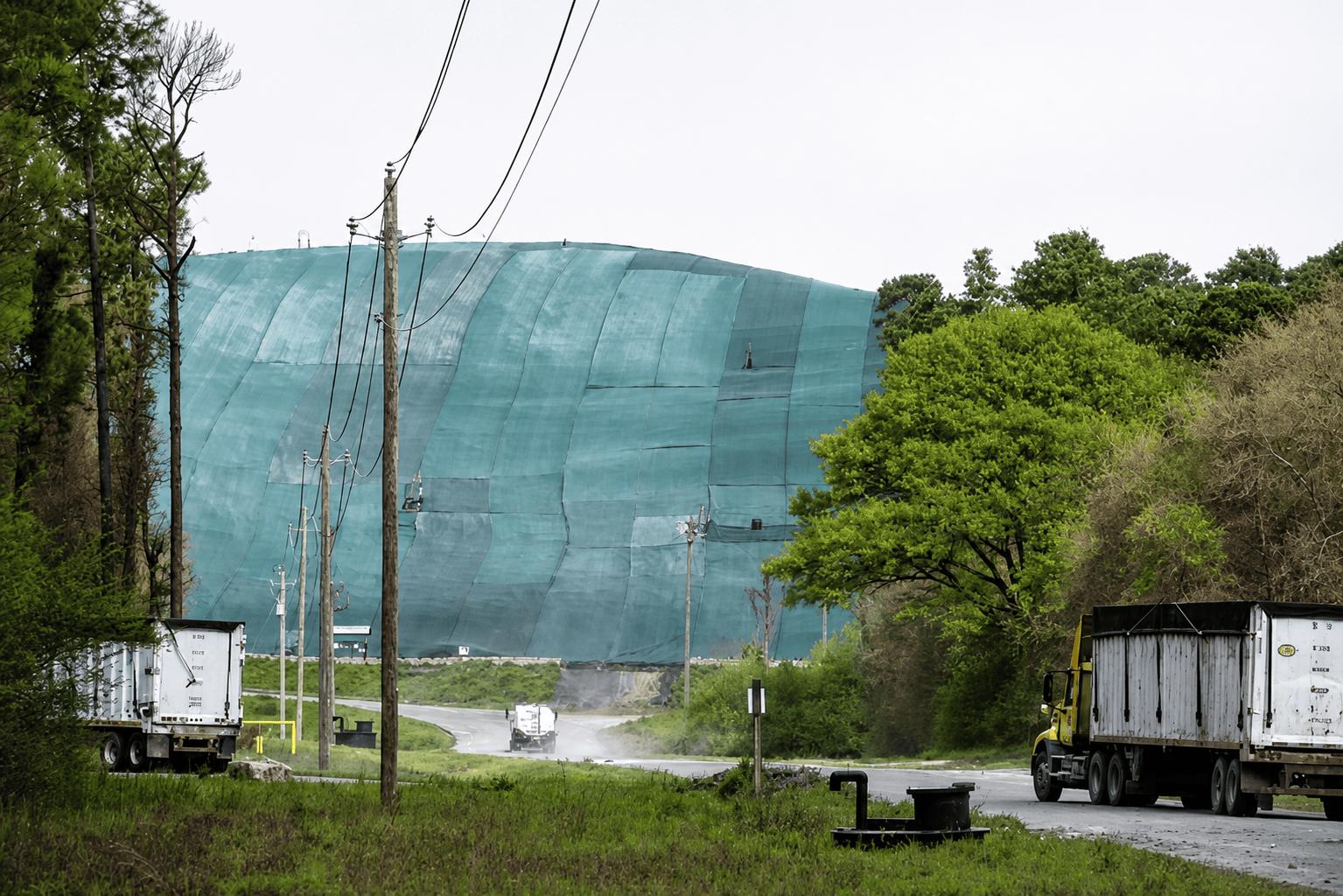
For more than half a century, the rural landscape of Sampson County, North Carolina, has been dominated by a growing mountain of waste that has now reached a staggering 1,300 acres. What began as a local disposal site has evolved into the largest landfill in the state, a massive repository that receives a constant stream of garbage trucked in from across the region. For the residents of the surrounding communities, particularly the historically Black enclave of Snow Hill, this expansion represents more than just an eyesore; it has become a central point of a protracted struggle over environmental justice, public health, and the safety of the groundwater that sustains their daily lives.
The scale of the Sampson County landfill is difficult to overstate. As waste arrives from far beyond county lines, local activists and residents have grown increasingly alarmed by the potential for toxic chemicals to leach from the site into the underlying aquifers. For families in Snow Hill and nearby areas, the threat is intimate. Most residents rely on private wells for their primary water source, using it for drinking, bathing, cooking, and watering the livestock and gardens that characterize this rural stretch of the South. The fear that their lifeblood has been tainted by "forever chemicals" and industrial runoff has moved from a nagging suspicion to a scientifically backed reality, sparking a complex confrontation involving local non-profits, academic researchers, and state environmental agencies.
The Genesis of Advocacy: From the EPA to the Backyard
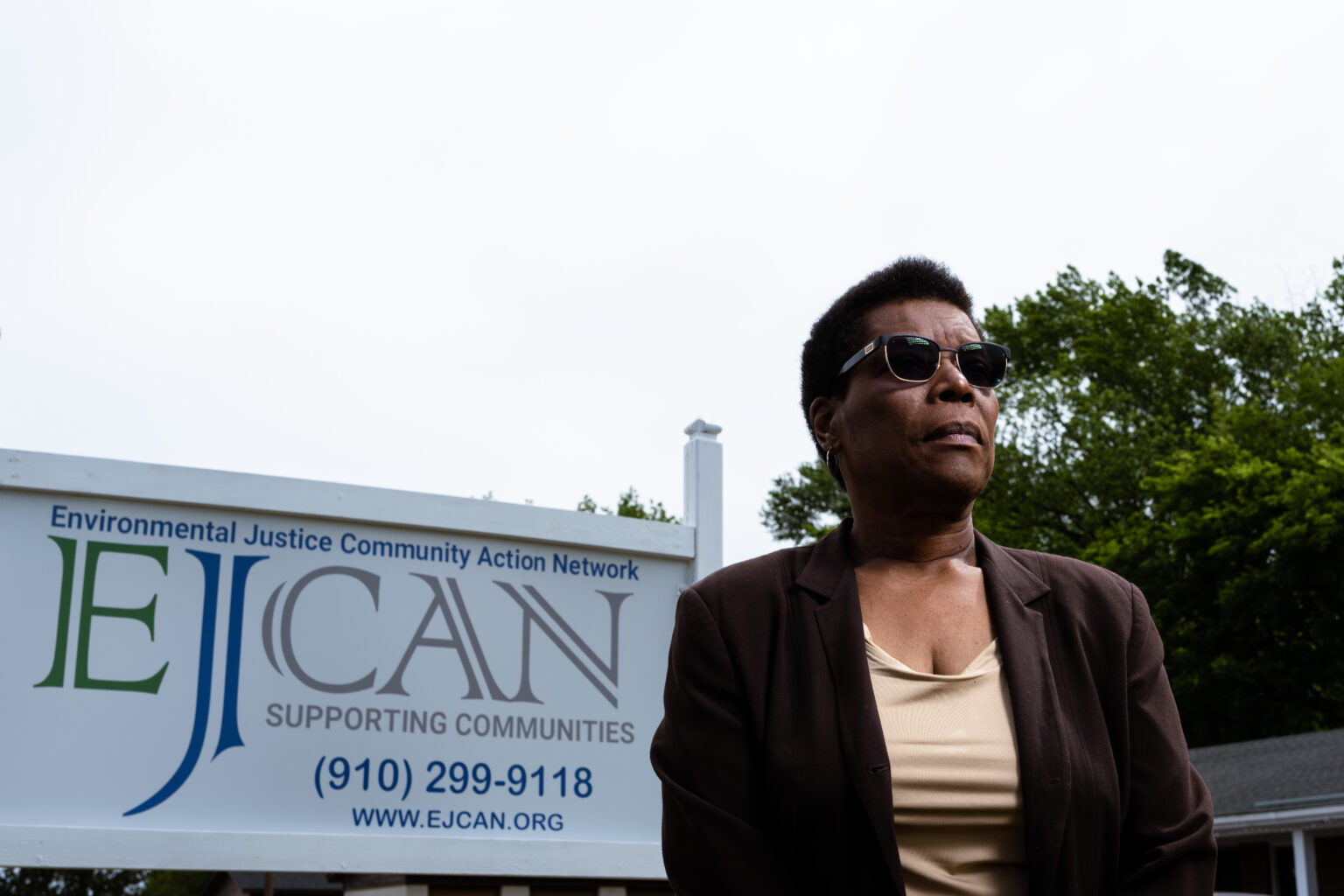
The fight for accountability in Sampson County gained a significant catalyst in 2020 with the founding of the Environmental Justice Community Action Network (EJCAN). The organization was co-founded by Sherri White-Williamson, a Sampson County native whose professional pedigree brought a unique level of expertise to the local movement. White-Williamson spent years working within the U.S. Environmental Protection Agency’s (EPA) Office of Environmental Justice. Her career was defined by coordinating between federal agencies and marginalized communities, focusing on public outreach and the navigation of bureaucratic hurdles.
Upon returning to her home county, White-Williamson recognized a familiar pattern: a vulnerable community facing significant environmental risks without the resources or technical knowledge to advocate for themselves. The residents of Snow Hill had long reported elevated levels of illness, which they intuitively linked to their proximity to the landfill. However, without formal health impact analyses or water quality data, these concerns remained anecdotal. EJCAN was established to bridge this gap, providing the organizational infrastructure necessary to turn community grievances into actionable data.
The organization’s first major initiative involved partnering with academic institutions, including the University of North Carolina at Chapel Hill (UNC) and Appalachian State University. Together, they sought to provide the scientific rigor that had been missing for decades. Through small grants, the coalition began offering free well-water testing to residents who could not otherwise afford the prohibitive costs of private lab analysis, which typically begins at $380 per sample.
Scientific Findings: The Presence of PFAS and "Novel" Contaminants
The results of the initial testing rounds confirmed the community’s worst fears. Scientific analysis revealed that 13 percent of the private wells sampled in the vicinity of the landfill were contaminated with per- and polyfluoroalkyl substances (PFAS). Known as "forever chemicals" due to their inability to break down in the environment or the human body, PFAS have been used in industrial and consumer products since the 1940s, including nonstick cookware, water-repellent fabrics, and firefighting foams.
The research highlighted a disturbing distinction between "legacy" PFAS—chemicals like PFOA and PFOS that were phased out in the 2000s—and "novel" PFAS, which were developed as supposedly safer replacements. Emerging studies, however, suggest these next-generation chemicals may be just as hazardous, though far less is known about their long-term health impacts. In Sampson County, researchers identified newer chemicals such as GenX and Nafion. These findings were particularly significant because these specific compounds are associated with the Chemours manufacturing facility, which has a documented history of sending industrial sludge to the Sampson County landfill for disposal.
Courtney G. Woods, an environmental sciences professor at UNC, noted that landfills are notorious reservoirs for PFAS because they concentrate consumer products and industrial waste. According to a 2020 report in the journal Toxicology, exposure to these substances is linked to a range of adverse health outcomes, including reduced kidney function, thyroid disruption, metabolic syndrome, and complications during pregnancy.
A History of Resistance: The Legacy of Ellis Tatum
The current momentum for water testing in Sampson County is built upon a foundation laid by the late Ellis Tatum, a Snow Hill resident who spent years sounding the alarm. In 2016, Tatum attended the North Carolina Environmental Justice Network Summit, where he met Professor Woods and her students. His persistence led to a partnership that began testing the Bearskin Swamp, located on the north side of the landfill.
While initial upstream samples showed little contamination, downstream results told a different story. The team discovered elevated levels of both legacy and novel PFAS in the water exiting the landfill area. This discovery served as the "smoking gun" that linked the landfill’s operations to the surrounding environment, providing the community with the evidence needed to demand state intervention.
Following Tatum’s lead, EJCAN and its academic partners expanded their efforts. Dr. Shea Tuberty, a biologist from Appalachian State, and Dr. Rebecca Witter, a sustainable development expert, began a door-to-door campaign to collect samples and document community impressions of water quality. This grassroots approach was essential for building trust in a community that felt historically overlooked by government authorities.
State Response and the Scale of Contamination
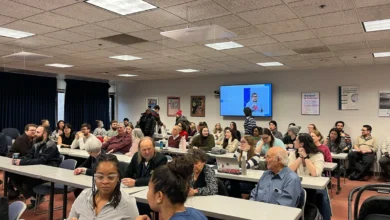
The pressure from EJCAN and the academic coalition eventually prompted the North Carolina Department of Environmental Quality (NC DEQ) to act. In November 2023, the department’s Division of Waste Management held a community meeting, allowing residents living closest to the landfill to request state-funded sampling of their private wells.
The data released by the NC DEQ provided an even grimmer picture than the initial independent studies. From October 2023 through April 2026, the state program collected 241 samples. Of these, approximately 25 percent (61 wells) showed PFAS levels that exceeded the EPA’s drinking water standards. In response, the state authorized the installation of point-of-use filtration systems designed to remove PFAS, as well as the provision of bottled water for affected households. To date, 37 such systems have been authorized or installed in Sampson County alone.
EJCAN has supplemented these state efforts by distributing high-efficiency water pitchers, such as those from Clearly Filtered, which are capable of removing not only PFAS but also heavy metals like lead and arsenic. Despite these mitigations, the community remains in a state of crisis, as hundreds of other wells remain untested and the long-term source of the contamination—the landfill itself—continues to operate.
The Funding Crisis: The Impact of Federal Policy Shifts
Just as the coalition of residents and researchers prepared to scale their efforts, they were hit by a significant blow from the federal level. For six months, EJCAN, UNC, Appalachian State, and the North Carolina Department of Health and Human Services collaborated on a comprehensive EPA grant application. In February 2025, they were notified that they had been awarded $1 million over three years. This funding would have allowed the team to test 250 homes annually and provide long-term follow-up support for families with contaminated water.
However, the grant became a casualty of shifting federal priorities. In early May 2025, the coalition was informed that the grant had been canceled as part of a broader initiative by the Department of Government Efficiency (DOGE) to slash federal spending and programs. The sudden reversal left the community without the resources needed to address a problem that the state and independent researchers had already proven to be widespread.
"Before we got a nickel of it, we got DOGE-d," said Dr. Tuberty, expressing the frustration felt by the research team. He emphasized that while small grants can initiate studies, "big money" is required to implement the large-scale mitigation and testing necessary to protect a population of this size.
Implications and the Future of Sampson County
The cancellation of the EPA grant highlights a growing tension between national fiscal policy and local environmental protections. For the residents of Sampson County, the loss of funding is not just a budgetary matter; it is a direct threat to their health and property values. The community now faces a future where the extent of their exposure to "forever chemicals" may remain partially unmonitored, even as scientific evidence of the danger continues to mount.
The situation in Sampson County serves as a microcosm of the broader environmental justice movement in the United States. It illustrates how rural, low-income, and minority communities often bear the brunt of industrial waste disposal while lacking the political and financial capital to ensure their safety. The landfill continues to grow, and the "forever chemicals" continue to persist in the groundwater, leaving the people of Snow Hill to rely on their own resilience and the dwindling support of academic partners.
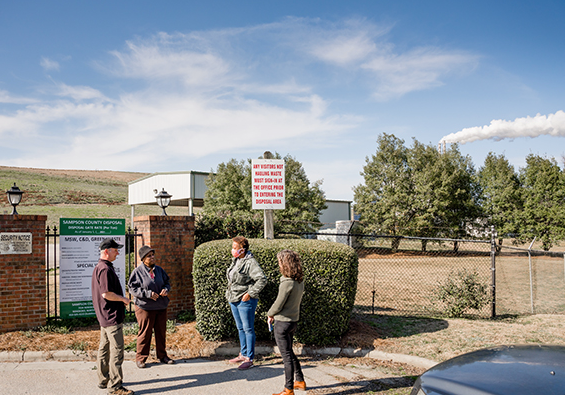
Despite the setback, EJCAN and its partners have vowed to continue their work. They are currently seeking alternative funding sources and continuing their monthly community meetings to keep residents informed. As Sherri White-Williamson and her team have demonstrated, the battle for clean water in Sampson County is no longer just about a landfill; it is a fight for the fundamental right to a safe environment, a fight that has been fifty years in the making and shows no signs of slowing down.
Related posts: