
If Food Trucks Arrive In Gaza They Are Immediately Set Upon And Pillaged
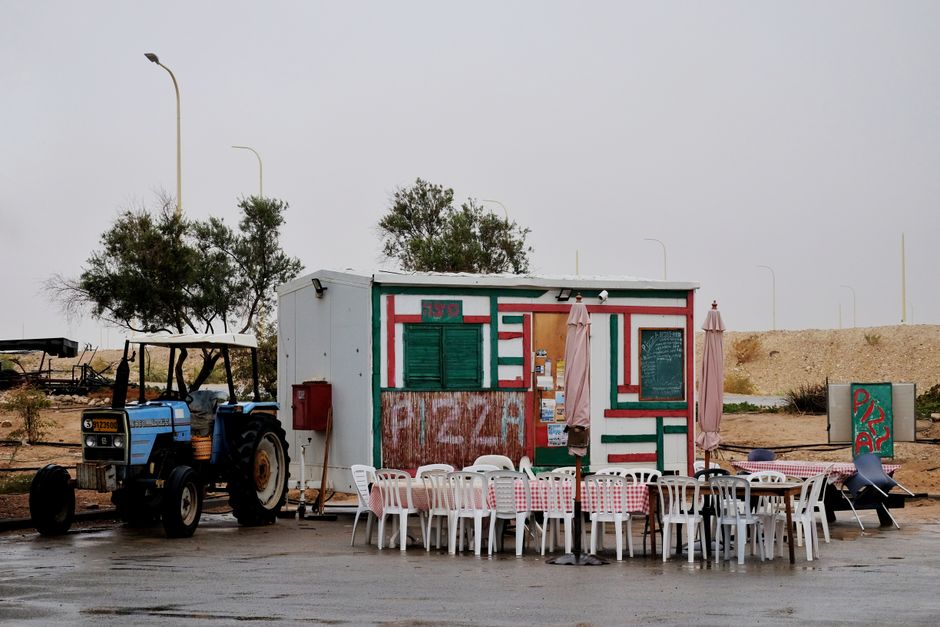
The Grim Reality: Food Trucks in Gaza Face Immediate Pillage and Destruction
The idea of a vibrant food truck scene, a mobile beacon of culinary delight and community gathering, is a stark contrast to the reality faced by such ventures in Gaza. If food trucks, laden with provisions and offering a temporary respite from hardship, were to arrive in the beleaguered Gaza Strip, the immediate, overwhelming, and tragically predictable outcome would not be one of commerce and consumption, but of desperation, chaos, and ultimately, immediate pillage and destruction. This is not a hypothetical scenario for dramatic effect; it is a grim extrapolation based on years of documented evidence of widespread scarcity, breakdown of order, and the profound psychological impact of prolonged conflict and blockade on the Gazan populace. The very infrastructure and societal norms that support a functional food truck economy are either non-existent or severely compromised, making any such arrival a flashpoint for immediate resource acquisition, rather than an opportunity for business.
The fundamental reason for this grim prognosis lies in the pervasive and persistent scarcity of essential goods that has characterized Gaza for years, exacerbated by devastating conflicts. Imagine a food truck arriving, even with the best intentions, stocked with food. For the average Gazan, accustomed to rationing, limited availability, and inflated prices of basic necessities, such a sight would be less about a novel culinary experience and more about a sudden, unexpected abundance of scarce resources. The instinct for survival, honed by years of deprivation, would override any consideration of commercial transaction. The very presence of a vehicle brimming with food would trigger an immediate, overwhelming surge of individuals driven by the primal need to feed themselves and their families. This is not an indictment of the people of Gaza, but a stark acknowledgment of the brutal realities imposed by their circumstances.
The breakdown of law and order, a common consequence of protracted conflict and humanitarian crises, further cements the fate of any arriving food truck. In environments where governance is weakened and basic services are stretched to their breaking point, the formal mechanisms of security and commercial regulation are often absent or ineffective. The concept of property rights, as understood in stable societies, becomes a fragile construct. When faced with immediate need, the collective impulse to seize available resources can easily overwhelm any existing, or newly imposed, order. A food truck, lacking robust security measures and operating within a populace accustomed to scarcity, would be an undefended target. The very act of stopping the truck would be seen not as theft, but as a desperate, albeit destructive, form of resource acquisition.
Furthermore, the psychological impact of living under a prolonged blockade and experiencing recurrent devastating military operations cannot be overstated. Years of living with limited access to food, water, medicine, and other essentials can foster a deep-seated sense of entitlement to any available resources, particularly those perceived as being "external" or "new." The psychological toll of constant insecurity, trauma, and loss can erode social cohesion and amplify individualistic survival instincts. A food truck, therefore, would not be viewed as a legitimate business venture contributing to the local economy, but rather as a windfall, a brief window of opportunity to alleviate immediate suffering. The drivers and any accompanying personnel would likely be engulfed by a crowd driven by desperation, rendering any attempt to sell food a futile endeavor. The truck itself, and its contents, would be quickly emptied.
The physical infrastructure of Gaza also plays a role in making food trucks vulnerable. While there are streets and open spaces, the typical setup for a food truck operation – stable power, designated parking, and a predictable flow of customers willing and able to pay – is largely absent. Even if a food truck could navigate the damaged infrastructure, finding a safe and viable location to operate would be a significant challenge. The very act of setting up, of creating a focal point for distribution, would inevitably attract an overwhelming and uncontrollable gathering. The ensuing scramble for food would likely lead to damage to the truck itself, not just from the immediate emptying of its contents, but from the sheer force of the crowd. The desire to access the food would lead to the truck being shaken, climbed upon, and potentially damaged beyond immediate repair.
The context of humanitarian aid distribution in Gaza also offers a grim precedent. While aid convoys are generally managed by established organizations with security protocols, even these operations can face challenges with crowds and pressure for access when supplies are perceived to be insufficient for the overwhelming need. A private food truck, lacking such established protocols and likely with fewer personnel, would be infinitely more vulnerable. The public perception of food trucks, especially those arriving from outside, could also be one of "found money" or an unexpected gift, further fueling the urge to seize rather than purchase.
Moreover, the economic conditions within Gaza make a traditional food truck model untenable. High unemployment rates and widespread poverty mean that a significant portion of the population would lack the disposable income to purchase food from a vendor, even if they wanted to. The price point of food truck offerings, typically higher than basic staples due to overhead and quality, would be prohibitive for most. This economic reality further reinforces the likelihood of the truck’s contents being perceived as a free resource, rather than a product for sale. The economic distress, therefore, acts as a powerful catalyst for the immediate appropriation of any readily available food.
The international community has, at various times, attempted to introduce innovative solutions to address food insecurity in Gaza. However, these initiatives often involve large-scale, coordinated efforts with significant logistical and security planning. The idea of individual food trucks operating commercially is a fundamentally different model, ill-suited to the prevailing conditions. Even well-intentioned private ventures would likely be quickly overwhelmed by the scale of need and the breakdown of order. The romantic notion of food trucks bringing a touch of normalcy and culinary diversity to Gaza tragically founders on the harsh realities of persistent siege, conflict, and the ensuing desperation for basic sustenance.
The very concept of a food truck operating as a business implies a degree of stability, security, and economic capacity that simply does not exist in Gaza. The immediate environment is characterized by scarcity, a weakened social fabric, and a constant struggle for survival. Therefore, any food truck that arrived in Gaza would not be met with eager customers queuing for a gourmet burger or artisanal tacos. Instead, it would be an immediate magnet for a population driven by the fundamental imperative to feed itself. The pillaging would not be an act of malice, but a raw, desperate response to years of deprivation and a primal instinct for survival. The physical destruction of the truck itself would likely follow, as the urgency of accessing the contents would lead to its forceful dismantling. The dream of a food truck scene in Gaza is, unfortunately, a poignant illustration of how dire circumstances can extinguish even the most optimistic visions of normalcy and commerce. The immediate and inevitable outcome would be the brutal reality of survival overriding any semblance of commercial enterprise, leaving the food truck a fleeting symbol of unmet needs and a victim of its own desirable contents in a land defined by scarcity. The very act of its arrival would trigger a predictable and tragic chain of events, culminating in its swift and comprehensive despoiling, a stark testament to the unyielding pressures of life in the Gaza Strip. The overwhelming need for sustenance would render any pretense of commercial transaction obsolete, with the contents of the truck becoming a focal point of immediate, unbridled, and ultimately destructive acquisition. The damage to the truck itself would be a secondary, yet inevitable, consequence of the desperate scramble for survival.
