
The Olympic Winter Games Tenuous Relationship With The Environment
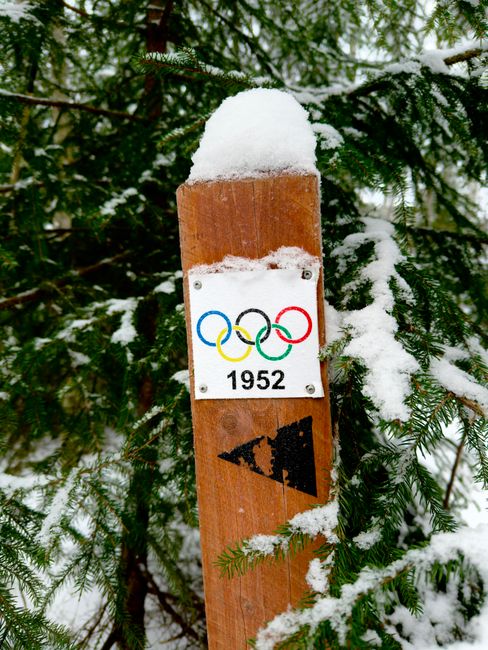
The Olympic Winter Games: A Precarious Balance with a Warming Planet
The Olympic Winter Games, a quadrennial spectacle of athleticism and international camaraderie, have long operated under a shadow of environmental concern, a relationship characterized by increasing precarity as the planet warms. From the artificial snowmaking that depletes water resources to the carbon footprint of infrastructure development and global travel, the very essence of winter sports is becoming increasingly challenged by climate change, forcing a critical re-evaluation of how these Games are planned, executed, and ultimately, sustained. The romanticized image of pristine snowy landscapes and crisp, cold air is being gradually eroded by the harsh realities of a changing climate, creating a complex and often contradictory partnership between the world’s premier winter sporting event and the environment it depends upon.
The reliance on artificial snowmaking is arguably the most visible and contentious environmental issue plaguing the Winter Olympics. As natural snowfall becomes less predictable and temperatures rise, host cities are increasingly forced to invest heavily in snow guns. This process is incredibly resource-intensive. Vast quantities of water are required, often drawn from local reservoirs, rivers, and even groundwater, placing significant strain on already stressed water systems. In regions experiencing drought or water scarcity, this demand can directly impact local communities and ecosystems. For example, during the PyeongChang 2018 Winter Olympics, concerns were raised about the impact of snowmaking on the local watershed. The energy required to power the pumps and compressors for snow guns is also substantial, contributing to the Games’ carbon footprint through electricity consumption, which is often generated from fossil fuels. Furthermore, the quality of artificial snow differs from natural snow, being denser and icier, which can affect athletic performance and increase the risk of injuries. The technological advancements in snowmaking aim to mitigate some of these issues, but the fundamental reliance on artificially creating a natural phenomenon highlights the inherent environmental vulnerability of these Games. The increasing frequency of warmer winters means that even with advanced snowmaking, consistently adequate natural snow cover is becoming a luxury, not a guarantee, pushing the boundary of what is environmentally feasible.
Beyond the slopes, the construction and maintenance of Olympic infrastructure present another significant environmental challenge. For the Winter Games, this often involves building new venues, transportation networks, and athlete villages in mountainous or remote locations. These projects can lead to habitat destruction, deforestation, and soil erosion, impacting biodiversity and natural landscapes. The long-term legacy of these facilities is also a concern. Many purpose-built venues are underutilized after the Games, becoming expensive white elephants that continue to require maintenance and energy consumption without serving a regular community purpose. The environmental impact of extracting raw materials, manufacturing construction components, and the construction process itself – including heavy machinery operation and waste generation – all contribute to the overall ecological footprint. The relocation of certain events to locations with more reliable snow conditions, a trend observed in recent Games, also necessitates the construction of new infrastructure, perpetuating this cycle of environmental impact. The environmental assessments conducted for these projects, while often mandatory, may not always fully account for the long-term ecological consequences or the cumulative impact of multiple Olympic cycles. The scale of development required for an event of this magnitude inevitably leaves a mark on the natural environment, a mark that is becoming increasingly difficult to justify in an era of heightened climate awareness.
The global nature of the Olympic Games, with athletes, officials, media, and spectators traveling from all corners of the world, generates a substantial carbon footprint. Air travel, in particular, is a major contributor to greenhouse gas emissions. The logistical complexities of transporting thousands of people and vast amounts of equipment create an unavoidable environmental cost. While efforts are made to promote sustainable travel options, such as public transport within host cities and offsetting carbon emissions, the sheer volume of international travel remains a significant challenge. The economic benefits derived from international tourism associated with the Games often overshadow the environmental costs, creating a conflict between economic imperatives and ecological responsibility. The concept of "voluntourism" surrounding the Games, where individuals travel to participate in the event as spectators, further exacerbates this issue. The choice of host cities also plays a role; selecting locations that are already well-connected with public transport and have existing sporting facilities can mitigate some of the travel-related emissions, but the allure of new destinations often leads to more remote or less accessible locations. The desire to showcase diverse landscapes and cultures, while appealing from a sporting and cultural perspective, directly contributes to the environmental burden of global travel.
Climate change itself is fundamentally altering the conditions necessary for winter sports. Rising global temperatures are leading to shorter and less reliable winter seasons, increased melting of glaciers and permafrost, and more frequent extreme weather events. This poses a direct threat to the future viability of many traditional winter sports venues and the sports themselves. Ski resorts, for example, are already experiencing reduced operating seasons and are increasingly reliant on artificial snowmaking to remain profitable. The melting of glaciers not only impacts winter sports but also threatens water supplies for downstream communities and contributes to sea-level rise. The increasing unpredictability of weather patterns means that even with robust planning, events can be disrupted by unseasonably warm temperatures, heavy rainfall instead of snow, or severe storms. The International Olympic Committee (IOC) has acknowledged these challenges, and there is a growing dialogue around adapting the Games to a changing climate. However, the urgency of the situation often outpaces the pace of change, and the fundamental demand for cold and snowy conditions for many Olympic events remains a significant challenge in a warming world. The very premise of winter sports is being tested by the very climate it is meant to celebrate.
The search for new host cities often leads to locations that are not historically suited for winter sports, increasing the need for artificial environments and exacerbating environmental impacts. This trend is driven by a desire to spread the Olympic movement and to tap into new markets, but it often comes at a significant environmental cost. Developing infrastructure in regions with marginal winter conditions necessitates extensive snowmaking, significant energy expenditure, and potentially the modification of natural landscapes. The increasing cost of hosting the Games, coupled with the environmental pressures, is also leading to a shrinking pool of potential host cities, further intensifying the competition for suitable locations. This creates a feedback loop where the pursuit of hosting the Games leads to environmental compromises that, in turn, make hosting more difficult and costly in the long run. The economic argument for hosting often emphasizes job creation and tourism revenue, but these benefits are increasingly being weighed against the long-term environmental consequences and the potential for negative publicity associated with unsustainable practices. The pressure to secure bids can sometimes lead to a downplaying of environmental risks and a prioritization of immediate economic gains over long-term ecological health.
The legacy of the Winter Olympics extends beyond the immediate environmental impact of the Games themselves. The promotion of winter sports, while beneficial for promoting healthy lifestyles, can also contribute to increased demand for energy-intensive leisure activities and the development of more ski resorts, further impacting natural landscapes and water resources. The carbon footprint of individual participation in winter sports, including travel to resorts and the use of equipment, also needs to be considered. The paradox lies in the fact that an event designed to celebrate human physical prowess and a connection with nature is increasingly disconnected from the natural environment it depends on, and in many ways, actively harms. The conversation around the future of the Winter Olympics must therefore extend beyond the immediate organizational aspects of a single event and encompass a broader, more systemic approach to sustainability, considering the long-term ecological implications of winter sports as a whole. The challenge is to reconcile the sporting ideals of the Games with the urgent need for environmental stewardship in a world facing unprecedented climate change. The future of winter sports, and by extension the Olympic Winter Games, hinges on a genuine commitment to addressing these profound environmental challenges.
