
Storms Wallop Us With Snow Rain And Tornadoes Closing Roads And Schools
Storms Wallop Us: Snow, Rain, and Tornadoes Slam Regions, Disrupting Daily Life, Closing Roads and Schools
Severe weather events, encompassing heavy snowfall, torrential rainfall, and destructive tornadoes, are battering numerous regions, causing widespread disruption to daily life. These extreme meteorological phenomena are leading to the closure of essential infrastructure, including major roadways and educational institutions, forcing communities to adapt to significant logistical and social challenges. The impact of these storms is multifaceted, affecting transportation networks, public safety, economic activities, and the well-being of residents. Understanding the dynamics of these events, their immediate consequences, and the long-term implications is crucial for effective preparedness and response.
The current barrage of severe weather is characterized by a confluence of atmospheric conditions conducive to intense precipitation and violent wind events. In many areas, blizzards are paralyzing transportation systems. Snowfall rates of several inches per hour are common, quickly accumulating to depths measured in feet. This intense accumulation not only makes travel impossible but also poses a significant risk of power outages due to the weight of snow on power lines and the damage it can inflict on infrastructure. The sheer volume of snow necessitates the mobilization of extensive snow removal crews and heavy machinery, a resource-intensive and time-consuming undertaking. Schools, recognizing the inherent dangers of students and staff attempting to commute in such conditions, are enacting widespread closures. This disrupts the continuity of education, forcing a shift to remote learning where feasible, or resulting in lost instructional time. The economic implications extend beyond school closures, impacting businesses that rely on consistent transportation for supply chains and customer access. Many commercial activities grind to a halt as roads become impassable.
Simultaneously, other regions are grappling with devastating rainfall and flash flooding. Atmospheric rivers and powerful low-pressure systems are dumping record-breaking amounts of rain, overwhelming drainage systems and causing rivers and streams to swell beyond their banks. Floodwaters are inundating homes, businesses, and agricultural lands, leading to extensive property damage and potential displacement of residents. The rapid rise of floodwaters poses an immediate life-threatening danger, necessitating swift evacuations and robust emergency response from first responders. Road closures are a direct consequence of this flooding, with many highways and local arteries rendered impassable due to submerged surfaces or structural damage from the force of the water. This not only isolates communities but also hampers the delivery of essential services, including emergency medical assistance and the distribution of relief supplies. The agricultural sector is particularly vulnerable, with crops potentially destroyed by inundation and soil erosion.
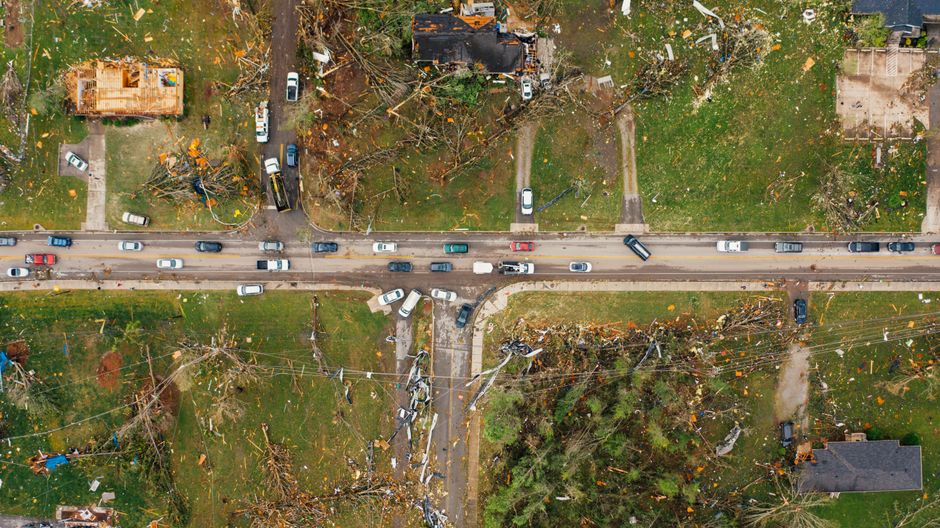
Adding to the meteorological onslaught, severe thunderstorms are spawning tornadoes in susceptible areas. These rotating columns of air, characterized by their violent winds and destructive potential, can obliterate structures in their path. Tornado warnings and watches are being issued with increasing frequency, prompting residents to seek immediate shelter. The unpredictability and rapid development of tornadoes make them exceptionally dangerous, leaving little time for preparation. Damage from tornadoes can be catastrophic, ranging from minor structural damage to complete annihilation of buildings. The aftermath of a tornado strike requires extensive search and rescue operations, debris removal, and rebuilding efforts. Road closures are often a direct result of tornado damage, with downed trees, power lines, and structural debris blocking thoroughfares. Schools in the path of these storms are also forced to close, either preemptively or in the wake of damage, prioritizing the safety of students and staff.
The interconnectedness of these weather events and their impact on infrastructure is a critical factor. Snowfall can exacerbate flooding by delaying snowmelt or by creating ice dams that impede drainage. Tornadoes can strike in areas experiencing heavy rain, adding another layer of danger to already hazardous conditions. The cumulative effect of these storms strains emergency services, requiring a coordinated response across multiple agencies. Resource allocation becomes a significant challenge as departments are stretched thin dealing with diverse weather-related emergencies.
From an SEO perspective, the keywords "storms," "snow," "rain," "tornadoes," "road closures," and "school closures" are central to this article. Incorporating variations and related terms such as "severe weather," "blizzard," "flash flooding," "extreme weather events," "natural disasters," "emergency preparedness," and "disruption" will enhance its search engine visibility. The article aims to be comprehensive by detailing the specific impacts of each weather phenomenon, the cascading effects on infrastructure and daily life, and the underlying meteorological drivers. This depth of information caters to users seeking detailed explanations and actionable insights related to severe weather events.
The economic ramifications of these widespread storm disruptions are substantial. Beyond the immediate costs of damage repair and emergency response, there are significant indirect economic losses. Businesses experience decreased revenue due to inability to operate, supply chain disruptions lead to increased costs, and tourism can be severely impacted. The agricultural sector, as mentioned, can suffer devastating losses that can have long-term effects on food prices and availability. The rebuilding process after extreme weather events can take months or even years, requiring significant investment from government agencies and private entities. This also leads to a demand for construction services and materials, potentially boosting certain sectors of the economy in the long run, but at a considerable short-term cost.
Public health considerations are also paramount. The immediate aftermath of severe storms can lead to injuries from falling debris, electrocution from downed power lines, or drowning in floodwaters. In the longer term, disruptions to utilities can compromise sanitation and access to clean water, increasing the risk of disease outbreaks. Mental health can also be significantly impacted, with residents experiencing stress, anxiety, and trauma due to property loss, displacement, and the disruption of their daily lives. Emergency services must be equipped not only to handle physical injuries but also to provide psychological first aid and support.
The meteorological conditions driving these intense storm systems often relate to shifts in jet stream patterns and ocean temperatures. Changes in climate, while not directly causing individual storms, can influence the frequency and intensity of such extreme weather events. For example, warmer ocean temperatures can fuel more powerful hurricanes and tropical storms, which can bring heavy rainfall to inland areas. Warmer atmospheric temperatures can also hold more moisture, leading to more intense rainfall events. Understanding these broader climatic trends is crucial for long-term preparedness and mitigation strategies.
The importance of robust emergency management systems cannot be overstated. Effective communication channels between government agencies, emergency responders, and the public are vital. Early warning systems, evacuation plans, and readily available shelter facilities are critical components of a resilient community. The role of social media and traditional media in disseminating information and coordinating response efforts is also significant. For individuals, maintaining emergency kits, having a family communication plan, and staying informed about weather advisories are essential steps for personal safety.
The closure of schools has a ripple effect that extends beyond lost instructional time. It impacts working parents who may need to stay home to care for their children, affecting productivity and income. It also disrupts the provision of school-based services, such as meals and counseling. For some students, school provides a safe and structured environment, and its absence can lead to increased stress and behavioral issues. Therefore, the decision to close schools is made with careful consideration of these broader societal impacts.
The decision to close roads is similarly multifaceted. It is primarily driven by safety concerns, but also by the need to allow emergency vehicles unimpeded access and to facilitate the work of repair crews. Main arteries are often prioritized for clearing to restore essential transportation links. However, local road closures can isolate neighborhoods and hinder immediate relief efforts. The economic impact of road closures is immediate, affecting commuters, delivery services, and local businesses. The longer-term implications include potential damage to road infrastructure that requires extensive and costly repairs.
The persistent and widespread nature of these storm events underscores a growing challenge for communities worldwide. Adapting to a changing climate and preparing for more frequent and intense extreme weather requires ongoing investment in infrastructure, emergency services, and public education. The immediate focus for affected regions is on safety, rescue, and restoration of essential services. However, the long-term view must encompass strategies for building resilience and mitigating the impacts of future storm events. The current wave of severe weather serves as a stark reminder of nature’s power and the critical need for preparedness and adaptation. The intricate interplay of atmospheric forces, leading to the simultaneous occurrence of snow, rain, and tornadoes, highlights the complexity of modern weather systems and the significant challenges they present to societal stability and infrastructure. The disruptions caused by these events, from the immediate closures of roads and schools to the long-term economic and social recovery, underscore the critical importance of understanding, preparing for, and responding effectively to extreme weather.
