
We Still Matter Italian Farmers Step Up Protests
We Still Matter: Italian Farmers Step Up Protests Demanding Policy Change
The rumble of tractors, once a familiar sound on the Italian countryside, has escalated into a roar of defiance. Italian farmers, facing an existential crisis driven by a complex web of policy failures, economic pressures, and environmental challenges, are amplifying their protests, moving beyond isolated demonstrations to a coordinated and insistent demand for recognition and tangible action. This is not merely a fleeting discontent; it’s a powerful declaration that their role as stewards of the land and providers of food is fundamental, and that "we still matter." The current wave of farmer activism sweeping across Italy is a multifaceted response to a system they perceive as increasingly hostile to their livelihoods, threatening to unravel centuries of agricultural tradition and secure food supply chains.
At the heart of the escalating unrest lies a deep-seated frustration with the European Union’s Common Agricultural Policy (CAP) and its implementation at the national level. While ostensibly designed to support farmers and ensure food security, many Italian agricultural producers argue that the CAP has become a bureaucratic labyrinth, rewarding conformity and scale over sustainable, diverse, and family-run operations. Stringent environmental regulations, often perceived as overly burdensome and expensive to implement, are a major point of contention. Farmers lament the cost of compliance with directives like the Farm to Fork strategy and the EU’s biodiversity targets, which they claim are not adequately subsidized or supported by accessible, practical guidance. The burden of paperwork, the fear of non-compliance penalties, and the perceived disconnect between Brussels’ policy ambitions and the on-the-ground realities of Italian farming are fueling widespread anger. This sentiment is particularly potent in regions heavily reliant on traditional crops and small to medium-sized farms, where the financial margins are already razor-thin.
Compounding the regulatory pressures are relentless economic headwinds. The rising cost of production is a suffocating reality for Italian farmers. Fertilizers, pesticides, fuel, and animal feed have all seen dramatic price hikes in recent years, driven by global market volatility, geopolitical events, and supply chain disruptions. These increased expenses are not being offset by commensurate increases in the prices farmers receive for their produce. Instead, they are squeezed by powerful retailers and intermediaries who dictate terms, often leaving farmers with little bargaining power. The persistent issue of unfair pricing mechanisms, where the cost of producing food far exceeds the price it commands at market, is a recurring theme in farmer protests. This creates a vicious cycle where farmers are unable to invest in their operations, maintain equipment, or plan for the future, pushing many towards bankruptcy. The romanticized image of Italian agriculture often belies the harsh economic realities faced by those who cultivate the land.
Furthermore, the impact of climate change is no longer a theoretical threat but a tangible, destructive force. Increasingly frequent and intense extreme weather events – droughts, floods, hailstorms, and unseasonably warm winters that disrupt flowering and pollination – are devastating crops and livestock. Italian farmers are on the front lines of this environmental upheaval, experiencing firsthand the unpredictable nature of weather patterns that make planning and cultivation increasingly precarious. The lack of adequate government support for climate adaptation measures, such as drought-resistant crop varieties, improved irrigation systems, or insurance schemes that truly protect against escalating climate-related losses, exacerbates their vulnerability. Farmers feel abandoned by policymakers who are slow to recognize the urgency of these climate challenges and provide the necessary resources for resilience.
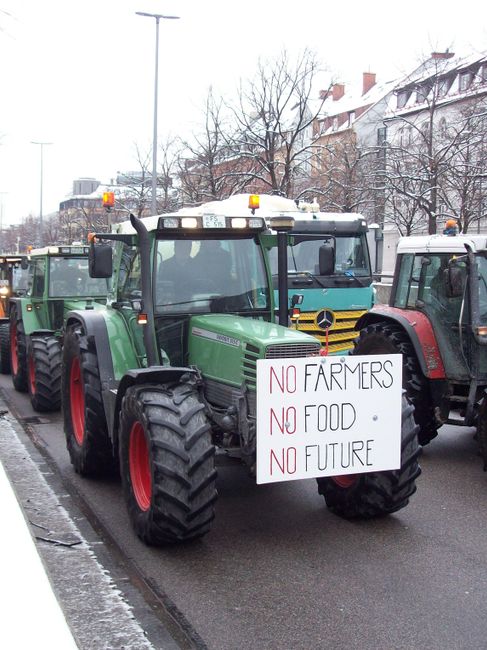
The current wave of protests is characterized by a renewed sense of unity and a more strategic approach. Unlike previous, more localized demonstrations, there is a palpable effort to coordinate actions across different regions and agricultural sectors. Farmers are employing tactics that gain maximum visibility and disrupt the status quo. The iconic tractor convoys, blocking major highways and encircling cities, have become a powerful visual symbol of their grievances. These road blockades, while disruptive to the general public, are a deliberate strategy to draw attention to their plight and pressure the government to engage in meaningful dialogue. The aim is to make their presence undeniable and their demands impossible to ignore. This organized approach reflects a shared understanding that fragmented protests are less effective than a united front.
Beyond the blockades, Italian farmers are also engaging in symbolic actions. Empty tractors displayed in public squares, protests outside government buildings, and the distribution of their produce directly to consumers are all aimed at highlighting the value of their labor and the risks they are taking. The "We Still Matter" slogan, often emblazoned on banners and vehicles, encapsulates their core message: that their work is essential, not just economically, but culturally and socially, and that their contribution to society deserves respect and adequate support. This phrase is a direct challenge to the perception that agriculture is a declining sector or a relic of the past, asserting its vital role in national identity and well-being.
The demands of the protesting farmers are specific and multifaceted. They are calling for a fundamental reform of agricultural subsidies to better support small and medium-sized farms and incentivize sustainable practices that are economically viable. This includes advocating for greater flexibility in applying EU regulations, allowing for adaptations to local conditions and farm-specific needs. Farmers are demanding a fairer distribution of profits within the food supply chain, urging the government to implement stronger regulations against unfair trading practices by large retailers and food processors. The establishment of minimum guaranteed prices for key agricultural products, providing a safety net against price collapses, is another significant demand.
Furthermore, there is a strong push for increased government investment in agricultural research and development, focusing on innovative solutions for climate adaptation, sustainable farming techniques, and disease resistance. Farmers are also advocating for better access to affordable agricultural insurance and financial aid to help them recover from climate-related disasters. The need for simplified bureaucratic procedures and greater transparency in agricultural policy-making is also a consistent theme. They want to be consulted and involved in the development of policies that directly affect their lives and livelihoods.
The political landscape in Italy is currently grappling with the implications of these widespread protests. While some politicians have expressed sympathy and made promises of dialogue and review, concrete policy changes have been slow to materialize. The challenge for the government is to balance the demands of the farming sector with broader economic considerations, environmental commitments, and the complex regulations of the EU. However, the persistent and escalating nature of the protests suggests that the government can no longer afford to offer superficial reassurances. The momentum generated by this movement is building, and the farmers are demonstrating a remarkable tenacity in their pursuit of change.
The impact of these protests extends beyond Italy, resonating with agricultural communities across Europe. The shared grievances and similar tactics employed by farmers in other EU member states suggest a systemic issue within the EU’s agricultural framework. Italian farmers are not alone in their struggle; they are part of a broader European movement demanding a more equitable and sustainable future for agriculture. The success of the Italian farmers’ protests could therefore have significant implications for agricultural policy across the continent, potentially inspiring further action and influencing future policy directions.
In conclusion, the escalating protests by Italian farmers are a clear and urgent signal that the status quo is unsustainable. Driven by the crushing weight of rising costs, burdensome regulations, and the unforgiving realities of climate change, these farmers are asserting their vital importance. Their message is unequivocal: "we still matter." Through their organized and determined actions, they are demanding recognition, respect, and tangible policy changes that will secure the future of Italian agriculture, protect their livelihoods, and ensure the continued provision of high-quality food for generations to come. The coming months will be a critical test of the government’s willingness to listen, to act, and to fundamentally re-evaluate its approach to supporting one of its most essential industries.
