
Germany Resumes Arms Sales To Saudi Arabia With Missile Deal
Germany Resumes Arms Sales to Saudi Arabia: A Controversial Missile Deal Reopens Pandora’s Box
The German government has officially signaled a significant shift in its long-standing policy of restricting arms exports to Saudi Arabia, a move culminating in the approval of a substantial missile deal. This decision, driven by evolving geopolitical considerations and perceived national security interests, has ignited a firestorm of debate, raising profound ethical questions and exposing deep divisions within Germany and across international alliances. The approval, which follows a period of heightened scrutiny and political pressure, marks a departure from the cautious stance Germany adopted after the murder of Saudi journalist Jamal Khashoggi in 2018, a dark chapter that had effectively frozen most major German arms shipments to Riyadh. While proponents argue the deal is strategically vital in the face of escalating regional instability, critics decry it as a betrayal of human rights principles and a dangerous endorsement of a regime implicated in the ongoing humanitarian crisis in Yemen. The specifics of the approved deal, which reportedly includes advanced air defense missile systems, are understood to be a cornerstone of Germany’s efforts to bolster Saudi Arabia’s defensive capabilities against perceived threats from Iran and its proxies. This article will delve into the multifaceted implications of this decision, examining the political underpinnings, the economic drivers, the human rights concerns, and the broader geopolitical ramifications of Germany’s renewed engagement in the Saudi arms market.
The decision to resume arms sales, specifically the missile deal, is not a sudden volte-face but rather a gradual recalibration of German foreign policy in response to a rapidly shifting global security landscape. For years, Germany, alongside other European nations, had imposed significant restrictions on arms exports to Saudi Arabia, citing concerns over its role in the Yemen conflict and its human rights record. The murder of Jamal Khashoggi served as a catalyst, hardening international resolve and leading to a near-complete embargo on German arms sales. However, the geopolitical realities have evolved considerably since then. The perceived threat from Iran has intensified, with Tehran’s nuclear program and its support for regional militias posing a significant challenge to stability in the Middle East. Saudi Arabia, as a key regional player and a traditional ally of Western nations, finds itself on the front lines of this tension. German policymakers, particularly within the current coalition government, have increasingly emphasized the need to support allies in bolstering their self-defense capabilities, especially against ballistic missile threats. The missile deal, therefore, is presented not as an offensive measure but as a defensive one, aimed at enhancing Saudi Arabia’s ability to intercept incoming attacks. This pragmatic approach, driven by a calculus of national security and regional stability, has begun to outweigh the ethical considerations that previously dominated the debate. Furthermore, the economic implications, while secondary to security concerns, cannot be entirely dismissed. The German defense industry, like its counterparts worldwide, faces competitive pressures, and lucrative contracts, particularly with major regional powers, represent significant economic opportunities and job creation. Resuming sales, even in a targeted manner, can be seen as a way to support this vital sector of the German economy.
However, the human rights dimension remains a deeply contentious aspect of this decision. Critics argue that supplying advanced weaponry to Saudi Arabia, a country with a documented history of human rights abuses and a significant role in the devastating humanitarian crisis in Yemen, is morally reprehensible. The United Nations and numerous human rights organizations have repeatedly documented violations of international humanitarian law in Yemen, with Saudi-led coalition airstrikes contributing to widespread civilian casualties and the exacerbation of famine and disease. The argument that the missiles are purely defensive is challenged by the fact that they will be integrated into Saudi Arabia’s existing military arsenal, which has been actively employed in the Yemen conflict. The transfer of such sophisticated weaponry could, therefore, be interpreted as indirectly enabling further military actions that have devastating human consequences. This ethical dilemma places Germany in a difficult position, caught between its commitment to human rights and its perceived security interests and those of its allies. The debate within Germany reflects a broader societal divide, with many citizens and parliamentarians deeply uncomfortable with the idea of profiting from conflict and contributing to human suffering, even indirectly. This internal conflict is likely to persist, shaping future policy decisions and public discourse on arms exports.
The geopolitical implications of Germany’s decision are far-reaching and complex. By resuming arms sales to Saudi Arabia, Germany is signaling a renewed commitment to its role in Middle Eastern security architecture. This move could be interpreted by Iran as a provocation, potentially escalating regional tensions. Conversely, it could be seen by other regional powers as a positive development, indicating a willingness by Western nations to actively engage in maintaining regional stability. The decision also has implications for Germany’s relationships with other European partners. While some may welcome the move as a necessary step towards addressing shared security concerns, others, particularly those with a stronger emphasis on human rights, may express reservations. The United States, a key NATO ally, has historically supported Saudi Arabia’s defense needs, and Germany’s renewed engagement could align with broader Western security objectives in the region. However, the specific nature of the missile deal and its potential impact on the Yemen conflict will likely be closely scrutinized by international observers. Furthermore, this decision could set a precedent for future German arms export policies, potentially leading to a loosening of restrictions on other countries with questionable human rights records. The balance between national security, economic interests, and ethical considerations in arms export policy will continue to be a defining challenge for Germany and other global powers.
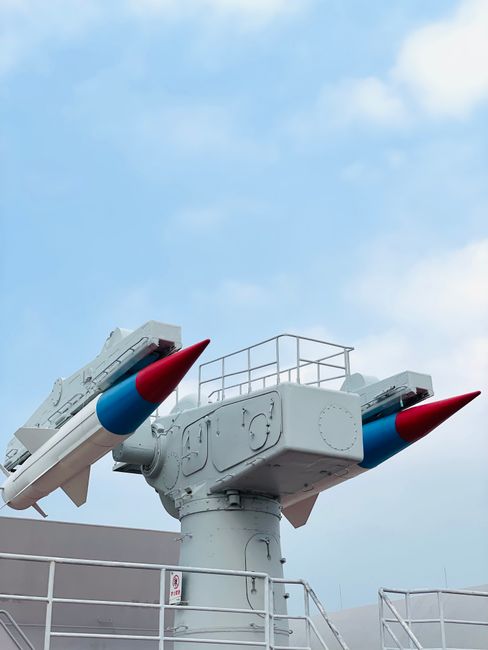
The technical specifications and strategic intent behind the missile deal are crucial to understanding the rationale behind Germany’s decision. While specific details of the transaction are often classified, reports suggest that the approved sale involves advanced air defense missile systems capable of intercepting ballistic missiles and other aerial threats. These systems are designed to provide a robust shield against potential attacks, a capability that is increasingly valued in a region characterized by heightened tensions and sophisticated missile programs. For Saudi Arabia, acquiring such technology is seen as a vital step in deterring aggression and protecting its critical infrastructure. The threat posed by ballistic missiles, particularly from Iran, is a significant concern for Riyadh, and German-made systems are known for their reliability and advanced capabilities. The German government’s position is that by providing these defensive systems, they are contributing to regional de-escalation and preventing the proliferation of more destabilizing weapons. The argument is that a stronger defensive posture can, paradoxically, reduce the likelihood of conflict by diminishing the perceived advantage of offensive missile capabilities. This aligns with a broader strategic objective of promoting stability in a volatile region through the provision of defensive security assistance.
The economic considerations, while perhaps not the primary driver, are an undeniable factor in any major arms export deal. The German defense industry is a significant contributor to the national economy, employing thousands of skilled workers and generating substantial export revenues. The Saudi Arabian market, with its vast resources and ongoing defense modernization efforts, represents a highly lucrative opportunity for German defense contractors. The resumption of sales, even if initially limited to specific systems like air defense missiles, can provide a much-needed boost to these companies, enabling them to invest in research and development and maintain their technological edge. The industry has faced challenges in recent years due to geopolitical shifts and increased competition, and the Saudi deal offers a vital lifeline. Moreover, the expertise and innovation demonstrated by German defense companies in developing advanced missile technology are a source of national pride and a testament to Germany’s technological prowess. While ethical considerations often take center stage in public discourse, the economic realities of the global arms market cannot be ignored. The pursuit of economic benefits, coupled with the strategic imperative of supporting allies, forms a complex web of motivations behind such decisions.
The human rights implications, however, remain the most potent and persistent source of criticism. The ongoing conflict in Yemen, where Saudi Arabia leads a coalition that has been accused of significant civilian casualties, casts a long shadow over any arms deal with Riyadh. Human rights organizations have meticulously documented the devastating impact of the conflict on the Yemeni population, including widespread starvation, disease, and loss of life. The argument that Germany is merely providing defensive weapons is challenged by the reality that these weapons become part of a broader military apparatus that is actively engaged in hostilities. The ethical dilemma lies in the potential for German-made weapons to be used, directly or indirectly, in actions that violate international humanitarian law. The lack of robust oversight and accountability mechanisms for the end-use of exported weaponry further exacerbates these concerns. Germany’s commitment to human rights, a cornerstone of its foreign policy, is called into question when such sales are perceived as undermining this fundamental principle. The moral hazard is significant, as it can be argued that by supplying arms, Germany is complicit in human rights abuses, regardless of its intentions. This ethical quagmire will continue to be a focal point for critics and a source of internal debate within Germany.
The broader geopolitical ramifications of this decision extend beyond the immediate region and touch upon Germany’s role on the global stage. By re-engaging with Saudi Arabia on arms sales, Germany is signaling a shift in its approach to international security, moving towards a more assertive and pragmatic stance. This could be interpreted by some as a sign of Germany’s growing maturity as a global power, willing to take on greater responsibility for regional stability. However, it also carries risks. It could antagonize other global actors, particularly those who view Saudi Arabia with suspicion due to its human rights record and its role in the Yemen conflict. The decision could also impact Germany’s relationships with other European nations, some of whom may have more stringent reservations about arms sales to authoritarian regimes. The alignment with the United States on security issues in the Middle East is a significant factor, but it is crucial for Germany to maintain its own distinct foreign policy principles. The precedent set by this missile deal could also influence future decisions regarding arms exports to other countries facing similar scrutiny. The challenge for Germany will be to navigate these complex geopolitical currents, balancing its perceived national interests with its commitment to human rights and international law. The long-term consequences of this decision will unfold over time, shaping Germany’s reputation and its influence in the international arena.
