
Definitely A Trap Ukraine S Sappers Face New Dangers
Definitely a Trap: Ukraine’s Sappers Face New Dangers
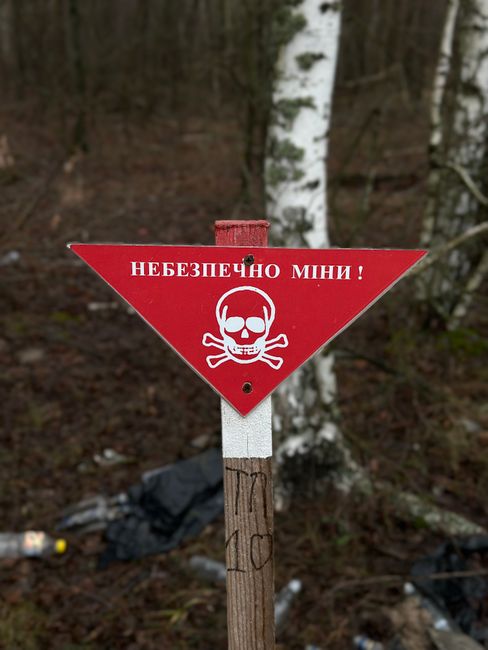
The ongoing conflict in Ukraine has thrust its sappers, the unsung heroes of mine clearance, into an increasingly perilous and technologically evolving battlefield. As Russian forces continue their strategic deployment of advanced and unconventional ordnance, Ukrainian explosive ordnance disposal (EOD) units are confronting a fresh wave of threats that demand constant adaptation and innovation. This escalation in the nature of explosive hazards transcends the traditional landmine and unexploded ordnance (UXO) challenges, presenting a multifaceted danger that directly impacts civilian safety, military operations, and the long-term recovery efforts of the nation. The very definition of a "trap" in the context of modern warfare is being redefined, with adversaries employing increasingly sophisticated methods to inflict casualties and disrupt Ukrainian defenses.
One of the most significant and alarming developments is the widespread use of what are commonly referred to as "booby traps" or "anti-handling devices" in conjunction with anti-personnel and anti-tank mines. These are not simply static explosive devices buried with the intent of detonating upon direct pressure. Instead, they are designed to react to seemingly innocuous actions taken by those attempting to disarm or clear the initial threat. This might include a secondary explosive charge triggered by removing a tripwire, a light sensor that activates when the protective camouflage is disturbed, or even a delayed fuse intended to catch the attention of a secondary sweep team. The psychological impact of these traps is profound. Every cleared mine, every seemingly safe area, can become a source of intense anxiety, as the sapper is constantly aware that the danger might not be over, and that the act of trying to neutralize one threat could inadvertently trigger another. This constant vigilance takes a significant mental and physical toll, increasing the risk of human error, which in the EOD world, can have catastrophic consequences. The intelligence gathered from captured Russian soldiers and intercepted communications confirms a deliberate strategy to maximize casualties among enemy sappers and hinder their progress, effectively turning minefields into elaborate, deadly puzzles.
Furthermore, the conflict has seen a significant increase in the deployment of improvised explosive devices (IEDs) specifically designed to target demining equipment and personnel. This includes the use of drone-dropped munitions, which are far more precise and harder to detect than traditional artillery barrages. These drones can deliver payloads of fragmentation explosives or even small, self-arming anti-tank mines onto cleared pathways or areas where sappers are actively working. The introduction of these airborne threats necessitates constant aerial surveillance and poses the challenge of identifying and neutralizing a threat that can appear from any direction, often without warning. Moreover, the Russian forces are reportedly employing older, but still highly effective, Soviet-era anti-tank mines in novel ways. These robust devices, designed to withstand the weight of tanks, can also be effectively deployed in swarms or configured with anti-handling devices, creating formidable obstacles. The sheer volume of mines and UXO being laid is staggering, with estimates suggesting millions of devices have been scattered across Ukrainian territory, a legacy that will plague the nation for decades.
The nature of the ordnance itself is also evolving. Beyond conventional mines, Ukrainian sappers are encountering an increasing number of cluster munitions, some of which are submunitions designed to be indiscriminate and to function as delayed anti-personnel mines. These "dud" bomblets, which fail to detonate on initial deployment, become de facto landmines, posing a grave danger to civilians and demining teams alike long after the initial attack. The complex geometry of these submunitions, coupled with their varied detonation mechanisms, makes them exceptionally difficult and dangerous to identify and neutralize. The challenge is compounded by the fact that many of these munitions are illegally deployed, violating international conventions on the use of such weapons. The humanitarian implications are dire, as these weapons render vast swathes of land unusable and unsafe for returnees, farmers, and children.
The adaptation of Ukrainian sapper units to these evolving threats is a testament to their resilience and professionalism. They are increasingly relying on advanced technology, including sophisticated mine detectors, ground-penetrating radar, and robotic demining systems. However, the effectiveness of these tools is often limited by the sheer scale of the mine contamination and the nature of the improvised threats. For instance, many advanced detectors struggle to differentiate between a buried mine and innocuous metal debris, a common byproduct of intense fighting, leading to time-consuming and potentially hazardous sweeps. Robotic systems, while offering a degree of safety, are not impervious to targeted attacks and are expensive and complex to maintain in a combat zone. The logistical challenges of equipping and maintaining these advanced systems in a war-torn country are immense.
The human element remains critical. The training and expertise of Ukrainian sappers are paramount. They undergo rigorous, often dangerous, training that emphasizes situational awareness, careful reconnaissance, and meticulous execution. However, the constant exposure to high-stress, life-threatening situations, coupled with the psychological burden of knowing that they are facing an enemy that actively seeks to weaponize danger itself, takes a severe toll. Mental health support and robust peer-to-peer support networks are becoming increasingly vital components of their operational readiness. The concept of a "definitely a trap" is not merely an observation of a dangerous device; it represents a fundamental shift in enemy tactics, forcing sappers to operate with an elevated level of caution and suspicion, knowing that every step could be their last.
The long-term implications of this mine contamination are devastating. Beyond the immediate casualties, the widespread deployment of these devices hinders agricultural production, limits access to essential services, and impedes the reconstruction of critical infrastructure. Entire villages and towns remain inaccessible, and the fear of mines continues to displace populations. The economic recovery of Ukraine is inextricably linked to the success of its demining efforts, a task that will likely take generations to complete. The international community’s role in providing financial assistance, specialized equipment, and training is crucial, but the scale of the problem necessitates a sustained and comprehensive commitment. The "definitely a trap" scenario is not confined to individual minefields; it encompasses the entire nation, facing a formidable and insidious threat that impacts every facet of its future. The ingenuity and dedication of Ukraine’s sappers are the nation’s first line of defense against this pervasive danger, but the evolving nature of the threat demands a proactive and equally innovative response from both Ukraine and its international partners. The fight against these deadly devices is a race against time, a battle for the future of Ukraine, and a stark reminder of the enduring human cost of modern warfare.
