
Polish Ex Minister Starts Hunger Strike In Prison As Partisan Row Deepens
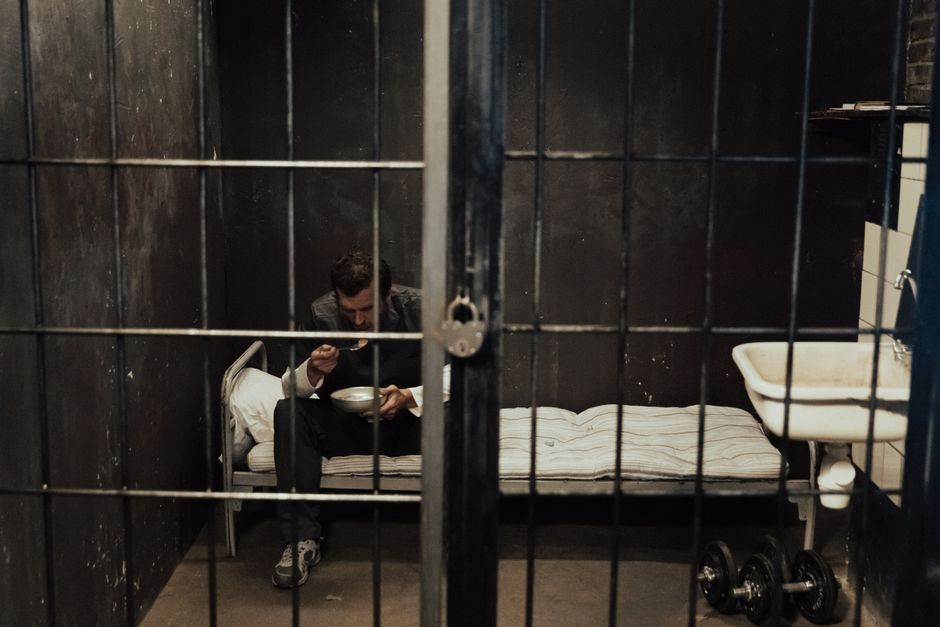
Polish Ex-Minister Starts Hunger Strike in Prison as Partisan Row Deepens
The pre-trial detention of former Polish Minister of Interior Mariusz Kamiński, along with former Deputy Minister Maciej Wąsik, has escalated into a profound national crisis, culminating in Kamiński’s commencement of a hunger strike within the confines of Warsaw’s Mokotów prison. This drastic action, initiated on January 10, 2024, marks a critical juncture in the deeply entrenched political standoff between the incumbent ruling coalition, led by Donald Tusk’s Civic Platform, and the opposition Law and Justice (PiS) party, which Kamiński and Wąsik represent. Their imprisonment stems from a 2015 conviction for abuse of power, a verdict that has been at the heart of a protracted legal and political battle, now reignited with visceral intensity. The hunger strike amplifies the existing partisan animosity, transforming a legal dispute into a potent symbol of political struggle, with ramifications extending far beyond the prison walls, influencing public discourse, judicial independence, and the very fabric of Polish democracy.
The roots of the current crisis lie in a controversial 2015 presidential pardon granted by then-President Andrzej Duda to Kamiński and Wąsik. They, along with two other former officials, were convicted for orchestrating a sting operation against a former minister during their tenure. The pardon, issued before the appeals process was fully exhausted, was deemed unconstitutional by the Supreme Court, sparking years of legal uncertainty and political wrangling. In December 2023, following the election of a new parliamentary majority and the formation of Tusk’s government, the Supreme Court re-examined the case. The court ruled that the 2015 pardon was invalid, effectively reinstating the original convictions. This judicial decision triggered the arrest and detention of Kamiński and Wąsik on January 9, 2024, just days after they were sworn in as Members of Parliament, a move they and their supporters vehemently contest as politically motivated persecution. Kamiński’s subsequent hunger strike is a direct response to this perceived injustice, framing his imprisonment not as a consequence of legal proceedings but as a politically motivated act by the new government to silence and incapacitate opposition figures.
The hunger strike is a deliberate and potent tactic, designed to exert maximum moral and political pressure. By physically sacrificing his health, Kamiński aims to elicit widespread public sympathy and galvanize opposition support, portraying himself as a political prisoner unjustly incarcerated. His family and legal team have been vocal in their support, framing his action as a defense of democratic principles and the rule of law against what they describe as an authoritarian takeover by the current government. The PiS party has rallied behind Kamiński and Wąsik, organizing protests and public demonstrations across Poland, echoing the narrative of political persecution. This has created a deeply polarized environment, with supporters viewing the imprisoned former ministers as martyrs for democracy and opponents as individuals held accountable for past transgressions. The symbolism of the hunger strike is undeniable; it evokes historical instances of political protest and resistance, lending a gravitas to the ongoing struggle that transcends mere legal arguments.
The judicial pronouncements that led to the detention are themselves a focal point of contention. Critics of the Supreme Court’s decision argue that it undermines legal certainty and the principle of finality in legal judgments, especially in light of the previous presidential pardon. They contend that the current government has weaponized the judiciary to settle political scores, disregarding established legal norms and precedents. Conversely, supporters of the court’s ruling maintain that it corrects a past legal anomaly and upholds the principle that no one is above the law, regardless of their political standing. The fact that Kamiński and Wąsik were able to regain their parliamentary seats despite their ongoing legal issues, only to be arrested shortly thereafter, has further fueled accusations of a deliberate strategy by the Tusk government to incapacitate key opposition figures. The legal intricacies of presidential pardons, parliamentary immunity, and the finality of judicial decisions have become battlegrounds in this escalating partisan war.
The political ramifications of Kamiński’s hunger strike are far-reaching. It has intensified the already volatile relationship between the ruling coalition and the PiS opposition, making any prospect of bipartisan cooperation on crucial national issues exceedingly difficult. The opposition is leveraging the situation to portray the Tusk government as undemocratic and repressive, aiming to erode its legitimacy and rally voters ahead of future elections. This narrative of victimhood and political persecution is a powerful tool for galvanizing the PiS base and attracting undecided voters who may be swayed by concerns about democratic backsliding. The hunger strike has become a potent visual and emotional anchor for this campaign, drawing media attention and shaping public perception. It threatens to dominate the political agenda, overshadowing important policy debates and diverting resources and attention from pressing national challenges.
The international dimension of this crisis cannot be overlooked. Poland’s adherence to democratic norms and the rule of law has been under scrutiny by the European Union. The current political turmoil, including the imprisonment of former ministers and the accusations of political persecution, risks further damaging Poland’s international reputation and potentially impacting its relationship with key allies and institutions. The narrative of democratic erosion, if widely accepted, could have tangible consequences for foreign investment, tourism, and Poland’s standing within the EU and NATO. The hunger strike, by amplifying the perception of political repression, could further embolden those within the EU who have voiced concerns about the state of democracy in Poland.
The implications for judicial independence are particularly concerning. The perception that judicial decisions are being influenced by political expediency or used as a tool for political retribution undermines public trust in the judiciary. This erosion of trust can have long-term consequences, making it harder for the legal system to function effectively and fairly. The current situation raises questions about the politicization of the courts and the potential for future governments to exert undue influence over judicial proceedings. The hunger strike serves as a stark reminder of how deeply intertwined the legal and political spheres have become in Poland, with potentially detrimental effects on the separation of powers.
The societal impact is also profound, contributing to an already deeply divided Polish society. The polarization is not merely political but also emotional, with citizens taking strong stances based on their allegiance to either the ruling coalition or the opposition. The hunger strike fuels this division, creating an atmosphere of animosity and mistrust between different segments of the population. This can make constructive dialogue and reconciliation exceedingly challenging, leaving a lasting scar on the social fabric of the nation. The intensity of the public debate surrounding the hunger strike demonstrates how deeply this issue resonates, touching upon fundamental questions of justice, fairness, and political morality.
Looking ahead, the trajectory of this crisis remains uncertain. Kamiński’s health is a primary concern, and his sustained hunger strike will inevitably have serious consequences. The political pressure on the Tusk government to respond in some manner will likely intensify. Potential responses could range from humanitarian interventions regarding his health, to attempts at de-escalation through political dialogue, or even further legal or political maneuvers. The PiS opposition will continue to capitalize on the situation, aiming to maximize its political gains. The hunger strike has transformed a legal case into a potent political weapon, and its resolution will likely have significant implications for the future of Polish politics, the integrity of its legal system, and its standing on the international stage. The hunger strike by Mariusz Kamiński is not merely a personal act of protest; it is a seismic event in Poland’s ongoing political struggle, with reverberations that will likely be felt for years to come.
