
Tag Rio De Janeiro
Rio de Janeiro: A City of Contrasts, Culture, and Unforgettable Experiences
Rio de Janeiro, a vibrant metropolis nestled between lush mountains and the Atlantic Ocean, stands as a global icon for its breathtaking natural beauty, pulsating culture, and infectious energy. This article delves into the multifaceted allure of "Cidade Maravilhosa" (Marvelous City), exploring its iconic landmarks, diverse neighborhoods, rich history, and the unparalleled experiences awaiting visitors. From the awe-inspiring Christ the Redeemer statue to the lively samba rhythms that define its soul, Rio offers a sensory overload of sights, sounds, and flavors. Understanding the city’s geography is crucial to appreciating its unique character. Rio is geographically divided by the Tijuca Forest, a vast urban rainforest, creating distinct atmospheres on either side. The Zona Sul (South Zone) is renowned for its glamorous beaches like Copacabana and Ipanema, high-rise apartments, and upscale shopping. Conversely, the Zona Norte (North Zone) is more residential and traditionally the heartland of samba culture. The Centro (Downtown) pulsates with commercial activity, historical buildings, and a vibrant nightlife. Understanding these zones helps in planning an itinerary and immersing oneself in the distinct experiences each offers.
Iconic Landmarks: Symbols of Rio’s Enduring Appeal
No discussion of Rio de Janeiro is complete without mentioning its globally recognized landmarks. Christ the Redeemer (Cristo Redentor), perched atop Corcovado Mountain, is an Art Deco masterpiece and a symbol of Brazilian faith and hospitality. Its panoramic views of the city, Guanabara Bay, and Sugarloaf Mountain are simply unparalleled. Reaching the statue, often via a scenic cog train ride through the Tijuca Forest, is an experience in itself, offering glimpses of lush vegetation and diverse wildlife. The sheer scale of the statue and the encompassing vista create a profound sense of wonder. Sugarloaf Mountain (Pão de Açúcar) offers another breathtaking perspective of Rio. Ascended by cable car in two stages, the journey provides ever-expanding views of the city’s coastline, the iconic beaches, and the surrounding islands. Sunset from Sugarloaf is a particularly magical experience, as the city lights begin to twinkle against the darkening sky. The dramatic rock formation itself, rising majestically from the bay, is an impressive sight.
The sprawling Maracanã Stadium, a legendary venue for football (soccer) matches, holds a special place in the hearts of Brazilians. Even for non-football enthusiasts, a tour of this historic stadium offers a glimpse into the country’s passionate sporting culture and its significant role in World Cup history. The sheer size and atmosphere of the stadium are palpable. The Selarón Steps (Escadaria Selarón), a vibrant and eccentric public art installation by Chilean artist Jorge Selarón, connect the Lapa and Santa Teresa neighborhoods. Each step is adorned with colorful ceramic tiles from around the world, creating a dynamic and photogenic masterpiece that reflects the city’s artistic spirit and global connections. The ongoing nature of the artwork, with new tiles constantly being added, makes it a living tribute.
Beaches: The Sun-Kissed Heartbeat of Rio
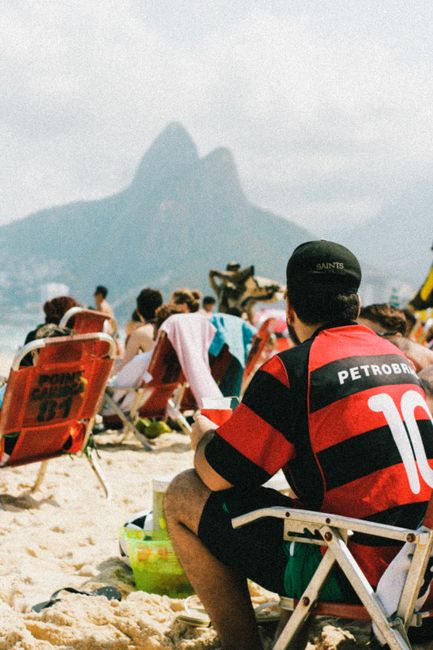
Rio’s beaches are not merely stretches of sand; they are integral to the city’s lifestyle and social fabric. Copacabana Beach, with its iconic wave-patterned promenade designed by Roberto Burle Marx, is a legendary stretch of golden sand synonymous with Rio. Bustling with activity from dawn till dusk, it’s a place for sunbathing, swimming, playing beach volleyball, and enjoying caipirinhas from beachside kiosks. The sheer energy of Copacabana is infectious, a constant hum of life and leisure. Adjacent to Copacabana, Ipanema Beach gained international fame through the bossa nova song "The Girl from Ipanema." It offers a more sophisticated vibe, with trendy boutiques and upscale restaurants nearby. The twin peaks of Dois Irmãos (Two Brothers) provide a dramatic backdrop to Ipanema, adding to its postcard-perfect scenery. Leblon Beach, an extension of Ipanema, is known for its upscale atmosphere and family-friendly environment. Each beach possesses its own distinct character, catering to different preferences and creating a vibrant mosaic of beach culture. The ritual of "verão carioca" (Rio summer) is deeply intertwined with the beach, embodying a relaxed and celebratory spirit.
Cultural Tapestry: Samba, Art, and a Rich History
Rio de Janeiro’s cultural landscape is as diverse and captivating as its topography. Samba, the soul of Brazil, finds its most vibrant expression in Rio. The Sambadrome, the purpose-built venue for the annual Carnival parades, is a testament to this art form. Even outside of Carnival season, samba schools offer rehearsals and performances that provide an authentic taste of this exhilarating music and dance. The Lapa neighborhood, with its bohemian charm and iconic aqueduct, is a hub for live music, particularly samba and choro, with numerous bars and clubs reverberating with rhythm into the early hours. The annual Rio Carnival is a world-renowned spectacle of parades, costumes, music, and dancing, attracting millions of visitors and showcasing the pinnacle of Brazilian creativity and festivity.
Rio’s historical narrative is deeply intertwined with its colonial past, its role in the Portuguese Empire, and its evolution into a modern metropolis. The National Historical Museum, housed in the former imperial palace, offers a comprehensive journey through Brazil’s rich history, from pre-colonial times to the present day. The Imperial Palace itself, a grand colonial structure, speaks volumes of the country’s monarchical past. The Theatro Municipal, an opulent opera house, is a stunning architectural gem and a testament to Rio’s cultural aspirations during the Belle Époque. Its intricate facade and lavish interior are a delight to behold. The charming Santa Teresa neighborhood, with its winding cobblestone streets, colorful colonial houses, and bohemian atmosphere, offers a glimpse into a bygone era. This hilltop district, once home to wealthy families and artists, now exudes a laid-back artistic vibe, with art studios, quaint cafes, and stunning city views.
Neighborhoods: A Mosaic of Urban Life
Rio de Janeiro’s distinct neighborhoods each offer a unique flavor and experience. Botafogo, situated between Copacabana and Flamengo, is a vibrant area with a thriving nightlife, a diverse culinary scene, and the iconic Botafogo Bay with its striking views of Sugarloaf Mountain. It’s a neighborhood that balances residential tranquility with a lively urban buzz. Copacabana, as mentioned, is a world-famous beach district, synonymous with energy and activity. Ipanema and Leblon represent the more upscale and fashionable side of Rio, with designer boutiques, gourmet restaurants, and a sophisticated beach culture. Lapa is the quintessential bohemian district, known for its vibrant nightlife, historic architecture, and its role as the birthplace of samba. Santa Teresa, perched on a hill, offers a more artistic and tranquil escape, with its charming streets, artisan shops, and stunning vistas. The Centro, the city’s financial and historical heart, is a bustling hub of commerce, museums, and historical landmarks, coming alive during weekdays and offering a different, more subdued energy on weekends. Each neighborhood contributes to the rich tapestry of Rio, offering distinct urban experiences for exploration.
Gastronomy: A Taste of Brazilian Flavors
Brazilian cuisine is a celebration of diverse ingredients and influences, and Rio de Janeiro offers a culinary journey that tantalizes the taste buds. Feijoada, a hearty black bean stew with various cuts of pork and beef, is often considered Brazil’s national dish and is a must-try. Served with rice, farofa (toasted cassava flour), and orange slices, it’s a comforting and flavorful experience. Churrasco, Brazilian barbecue, is another culinary highlight, featuring an array of succulent grilled meats served rodízio-style, where waiters bring skewers of perfectly cooked meat directly to your table. The variety and quality of the meats are exceptional. Seafood plays a significant role in Rio’s diet, with fresh fish and shellfish prepared in a variety of ways, from moqueca (a rich seafood stew) to grilled delights. Beyond these iconic dishes, Rio’s culinary scene boasts a fusion of international influences, from Italian and Japanese to Middle Eastern, reflecting the city’s multicultural makeup. Street food vendors offer delicious and affordable options, from pastel (savory fried pastries) to pão de queijo (cheese bread), providing a true taste of local life.
Practical Information for Visitors
When planning a trip to Rio de Janeiro, understanding practicalities enhances the travel experience. The best time to visit is during the dry season, from May to September, offering pleasant temperatures and less rainfall. However, the summer months (December to March) are ideal for experiencing the vibrant Carnival and enjoying the beach season, though with higher temperatures and humidity. Portuguese is the official language, but English is spoken in tourist areas and hotels. The currency is the Brazilian Real (BRL). Transportation options include an extensive metro system, buses, taxis, and ride-sharing apps. It’s advisable to be aware of your surroundings, especially in crowded areas, and to exercise common sense regarding personal belongings. Learning a few basic Portuguese phrases can greatly enhance interactions with locals.
Beyond the Tourist Trail: Immersive Experiences
While the iconic landmarks and beaches are essential to the Rio experience, venturing beyond them offers deeper immersion. A hike through the Tijuca National Park, the world’s largest urban rainforest, provides opportunities for trekking, discovering waterfalls, and enjoying stunning viewpoints. Visiting a favela with a responsible tour operator can offer a nuanced perspective on the city’s social fabric and the resilience of its communities, often showcasing vibrant art and community projects. Exploring the vibrant street art scene, particularly in neighborhoods like Santa Teresa and Lapa, reveals the city’s creative pulse. Attending a football match at the Maracanã is an electrifying experience that captures the passion of Brazilian culture. Engaging with local culture through samba classes or capoeira demonstrations offers a hands-on understanding of these iconic art forms.
Conclusion: The Enduring Allure of Rio de Janeiro
Rio de Janeiro is a city that captivates and inspires, a place where the rhythm of life is set to samba beats and the backdrop is a canvas of unparalleled natural beauty. Its contrasting landscapes, from soaring mountains to golden beaches, its vibrant culture, and its rich history combine to create an unforgettable travel destination. Whether seeking adventure, relaxation, cultural immersion, or simply the joy of experiencing a city pulsating with life, Rio de Janeiro delivers. It’s a city that leaves an indelible mark on the soul, a truly marvelous destination that beckons return visits. The energy, the warmth of its people, and the sheer spectacle of its existence ensure that Rio de Janeiro remains a top-tier global travel experience.
