
Brazil S Rio De Janeiro State Confronts Flood Damage After Heavy Rain Kills At Least 12
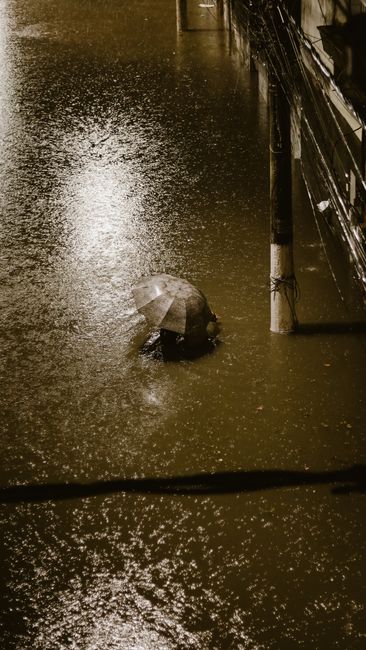
Rio de Janeiro State Reels from Devastating Floods: At Least 12 Dead as Heavy Rains Unleash Fury
Rio de Janeiro state is grappling with widespread destruction and a mounting death toll after torrential rainfall triggered severe flooding and landslides across multiple municipalities. At least 12 individuals have lost their lives, with authorities warning that the number of fatalities is likely to rise as rescue efforts continue in the hardest-hit areas. The deluge, which began on Saturday evening and intensified throughout Sunday, has inundated homes, destroyed infrastructure, and displaced thousands of residents. The sheer volume of water overwhelmed drainage systems, transforming streets into raging rivers and causing hillsides to collapse under the weight of saturated soil. Emergency services are working around the clock, battling treacherous conditions to reach stranded communities and provide essential aid. The immediate focus is on search and rescue operations, followed by assessing the full extent of the damage and initiating recovery efforts.
The capital city of Rio de Janeiro, along with neighboring municipalities such as Petrópolis, Teresópolis, Nova Friburgo, and Arraial do Cabo, have borne the brunt of the disaster. Images emerging from these regions paint a grim picture of devastation: houses submerged, vehicles swept away, and essential services disrupted. In Petrópolis, a city nestled in the mountains north of Rio, the situation is particularly dire. Landslides have decimated entire neighborhoods, burying homes and trapping residents. The mountainous terrain, while offering breathtaking vistas, becomes a significant hazard during heavy rainfall, making it susceptible to mudslides and debris flows. The rapid succession of intense downpours has saturated the soil to its limit, triggering these catastrophic events. Emergency responders are facing immense challenges navigating the debris-filled streets and unstable ground, with the constant threat of further collapses.
The economic and social ramifications of these floods are expected to be profound. Beyond the immediate human tragedy, the destruction of homes and businesses will have a long-term impact on the livelihoods of those affected. Many residents have lost everything, their possessions swept away or buried under mud and rubble. The agricultural sector, crucial for many rural communities within the state, has also suffered significant damage, with crops destroyed and livestock lost. Rebuilding infrastructure, including roads, bridges, and power lines, will require substantial investment and time. The state government has declared a state of emergency in the most affected municipalities, mobilizing resources to address the crisis. However, the scale of the disaster presents a significant challenge for even well-equipped emergency management agencies.
The heavy rainfall that precipitated this catastrophe is attributed to a combination of meteorological factors. A persistent low-pressure system in the Atlantic, coupled with a humid air mass originating from the Amazon, created ideal conditions for extreme precipitation over southeastern Brazil. These events, while not entirely unprecedented, appear to be increasing in frequency and intensity, a trend often linked to the broader impacts of climate change. Scientists have long warned about the potential for more extreme weather events in regions like Rio de Janeiro, where a combination of dense urban development in vulnerable areas and the natural topography exacerbates the risks associated with heavy rainfall. The rapid urbanization and the construction of informal settlements on steep hillsides have made many communities particularly susceptible to landslides.
The response from local and state authorities has been swift, though hampered by the sheer scale of the emergency. The Governor of Rio de Janeiro, Cláudio Castro, has been actively involved in coordinating rescue operations and pledging support for affected communities. He has emphasized the deployment of specialized rescue teams, including those with canine units trained to detect survivors in collapsed structures. The Brazilian Army has also been mobilized to assist in relief efforts, providing logistical support and personnel. However, the logistical challenges in reaching isolated areas and the sheer volume of debris are making the rescue and recovery process arduous. The immediate priority remains to account for all missing persons and to provide shelter, food, and medical assistance to those displaced.
The long-term implications for urban planning and disaster preparedness in Rio de Janeiro state are significant. This event serves as a stark reminder of the vulnerabilities inherent in densely populated areas situated in geologically unstable regions. Experts have long called for stricter building codes, improved urban planning to prevent development in high-risk zones, and enhanced early warning systems. The destruction of infrastructure will necessitate significant investment in rebuilding, but also in implementing more resilient construction methods and flood mitigation strategies. The issue of deforestation in surrounding areas, which can destabilize hillsides and exacerbate landslide risks, also needs to be addressed as part of a comprehensive approach to disaster prevention.
The human cost of these floods is immeasurable. Families have been torn apart, and communities have been devastated. The stories of survival and loss emerging from the affected areas are deeply moving. Many survivors describe being woken by the roar of landslides or the sudden surge of water engulfing their homes. The lack of adequate warning systems in some areas meant that residents had little time to react or evacuate. The psychological impact on survivors will be substantial, requiring long-term support and counseling. The recovery process will not only involve rebuilding physical structures but also healing the emotional wounds left by this tragedy.
The international community is beginning to take notice, with calls for aid and support. Non-governmental organizations are mobilizing to provide assistance, but the scale of the need may outstrip immediate resources. The resilience of the Brazilian people is well-known, and communities are already coming together to help their neighbors. However, sustained and coordinated efforts will be crucial for a comprehensive recovery. The lessons learned from this devastating event must translate into concrete actions to improve disaster preparedness and mitigation strategies for the future. This includes investing in early warning systems, strengthening infrastructure, and promoting responsible land-use planning.
The environmental consequences of these floods are also a concern. The displacement of mud, debris, and pollutants can have lasting impacts on local ecosystems and water sources. The potential for contamination of rivers and groundwater needs to be carefully monitored. The damage to natural landscapes, particularly in the mountainous regions, will take time to recover. Sustainable practices and reforestation efforts will be vital in mitigating future environmental risks.
In conclusion, the floods in Rio de Janeiro state represent a devastating natural disaster with significant human, economic, and environmental consequences. The immediate priority is on rescue and relief efforts, followed by a long-term commitment to rebuilding and strengthening the resilience of communities against future extreme weather events. This tragedy underscores the urgent need for proactive disaster management, robust urban planning, and a comprehensive approach to addressing the challenges posed by climate change. The ongoing efforts to aid the victims and rebuild the affected areas highlight the strength and solidarity of the Brazilian people in the face of immense adversity. The recovery will be a long and challenging road, but with concerted efforts, the communities of Rio de Janeiro state can begin to heal and rebuild. The focus must now shift from immediate crisis management to sustained recovery and a proactive strategy for future prevention. The ongoing news coverage from the region continues to detail the harrowing accounts of survival and the immense scale of the destruction, emphasizing the urgency of the situation and the need for continued support. The state’s infrastructure, already strained in some areas, has been severely tested, with significant repairs and upgrades likely to be required in the years to come. The social fabric of the affected communities has been deeply impacted, with a collective effort required to restore a sense of normalcy and hope. The stories of heroism and selflessness among ordinary citizens who risked their lives to save others offer glimmers of hope amidst the widespread devastation. This event serves as a critical juncture for Rio de Janeiro state, demanding a re-evaluation of its preparedness and a renewed commitment to safeguarding its residents from the escalating threats of extreme weather.
