
Russian Missiles Hit Kharkiv City Centre Wound 17
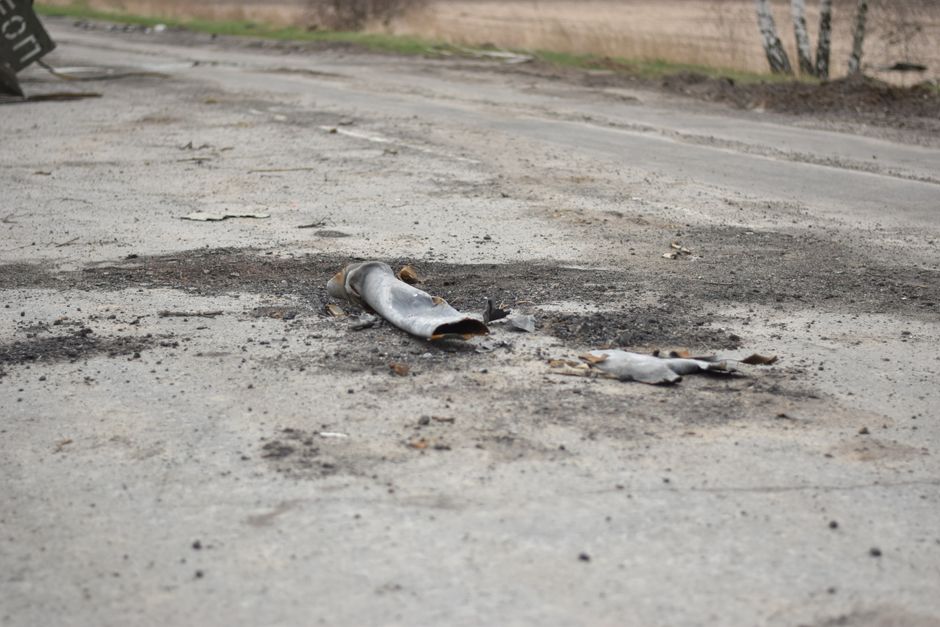
Russian Missiles Strike Kharkiv City Centre, Injuring 17
On January 2, 2024, the city of Kharkiv, Ukraine’s second-largest, was subjected to a devastating Russian missile attack that directly impacted its city centre, resulting in at least 17 individuals sustaining injuries. The strikes, which occurred during daylight hours, targeted densely populated areas and civilian infrastructure, underscoring the ongoing brutality of the conflict and the disregard for civilian lives by Russian forces. The attack has drawn widespread condemnation and renewed calls for increased international support for Ukraine.
The precise number of missiles launched and their specific types remain under investigation, but initial reports suggest a coordinated barrage designed to inflict maximum damage and terror. Ukrainian authorities reported that multiple residential buildings, commercial establishments, and public spaces were hit, causing widespread destruction and igniting fires. The intensity of the explosions shook buildings kilometres away, and the aftermath revealed a scene of chaos and devastation. Emergency services, including medical personnel and firefighters, were immediately deployed to the affected areas, working tirelessly to rescue survivors, extinguish fires, and tend to the injured. The wounded were transported to local hospitals, where medical staff were stretched thin, battling to provide care to a significant influx of casualties. Among the injured were civilians of all ages, including women and children, highlighting the indiscriminate nature of the attacks. The emotional toll on the survivors and the city’s residents is immense, with many losing their homes, livelihoods, and loved ones in the ensuing destruction. The psychological impact of living under constant threat of shelling and missile strikes is a heavy burden that the people of Kharkiv have been bearing for an extended period.
The targeting of the city centre, a hub of daily life and commerce, suggests a deliberate attempt to disrupt civilian activities and sow fear. This is not the first time Kharkiv, a city located relatively close to the Russian border, has been subjected to intense aerial bombardment. However, the scale and precision of this particular attack, striking a central and highly visible area, have sent shockwaves through the population. The psychological impact of such attacks is profound, eroding a sense of security and normalcy for the city’s inhabitants. Families are forced to live in a state of constant anxiety, with air raid sirens becoming a regular and terrifying soundtrack to their lives. The destruction of vital infrastructure, including residential buildings, further exacerbates the humanitarian crisis, displacing thousands and leaving them without shelter, food, and basic necessities. The economic repercussions are also significant, with businesses destroyed and the local economy severely impacted by the ongoing conflict. The resilience of the Ukrainian people is remarkable, but the persistent nature of these attacks places an immense strain on their ability to rebuild and recover.
Ukrainian President Volodymyr Zelenskyy vehemently condemned the attack, labelling it as another act of Russian terrorism. He reiterated his pleas for more advanced air defence systems from international partners, emphasizing that such systems are crucial for protecting Ukrainian cities and civilians from further aerial assaults. The Ukrainian Ministry of Defence released footage of the aftermath, showcasing the extensive damage and the heroic efforts of emergency responders. International reaction was swift and unequivocal, with many world leaders expressing their solidarity with Ukraine and denouncing Russia’s actions. The United Nations Human Rights Monitoring Mission in Ukraine also expressed deep concern over the civilian casualties and the destruction of civilian infrastructure, reiterating the importance of upholding international humanitarian law. The Organisation for Security and Co-operation in Europe (OSCE) condemned the attacks, calling for an immediate cessation of hostilities and a peaceful resolution to the conflict. NATO and EU officials reiterated their commitment to supporting Ukraine’s sovereignty and territorial integrity, while also highlighting the need for accountability for war crimes. The geopolitical implications of such attacks are significant, as they underscore the escalating nature of the conflict and the potential for further destabilization in the region. The international community faces a moral imperative to act decisively to prevent further atrocities and to hold perpetrators accountable for their actions.
The strategic importance of Kharkiv cannot be overstated. As a major industrial, scientific, and educational centre, it plays a vital role in Ukraine’s economy and its future development. The city has a rich cultural heritage and a vibrant population, making the attacks on its civilian areas a direct assault on Ukraine’s national identity and its aspirations for a peaceful future. The Russian military has been accused of employing a scorched-earth policy in its attacks on Ukrainian cities, seemingly aiming to cripple the country’s infrastructure and break its will to resist. The targeting of residential areas and civilian infrastructure is a clear violation of international law, including the Geneva Conventions, which prohibit attacks on civilians and civilian objects. The consistent pattern of such attacks raises serious questions about Russia’s adherence to the principles of distinction and proportionality in warfare. The use of ballistic missiles, often employed in these strikes, further intensifies the threat due to their speed and destructive power, making defence against them incredibly challenging.
The attack on Kharkiv also highlights the critical need for enhanced humanitarian assistance. Survivors often require immediate medical attention, psychological support, and long-term rehabilitation. The destruction of homes and businesses necessitates significant reconstruction efforts, requiring substantial financial and material aid. International organizations and non-governmental organizations are working on the ground to provide essential services, but the scale of the need is immense. The prolonged nature of the conflict has also led to a significant displacement of people, both internally within Ukraine and as refugees to neighbouring countries. The humanitarian crisis in Ukraine is one of the most significant in Europe since the Second World War, and the international community must continue to prioritize and scale up its response to meet the ever-growing needs of the Ukrainian population. The psychological scars left by such attacks can be long-lasting, impacting individuals and communities for generations. Providing mental health support and trauma counselling is an integral part of the humanitarian response.
The military objectives behind these attacks remain a subject of analysis. Some analysts suggest that Russia is attempting to degrade Ukraine’s military capabilities by striking logistical hubs and industrial sites that support the war effort. Others believe the attacks are intended to demoralize the Ukrainian population and undermine public support for the government. Regardless of the specific military calculations, the impact on civilians is undeniably devastating. The ongoing conflict has created a severe humanitarian crisis, with millions displaced and countless lives irrevocably altered. The international community faces a complex challenge in navigating the ongoing conflict, balancing the need for humanitarian aid with the imperative to support Ukraine’s defence and to hold Russia accountable for its actions. The long-term consequences of these attacks on the fabric of Ukrainian society and its aspirations for a democratic and independent future are profound.
The information warfare surrounding these events is also a critical aspect to consider. Russia has consistently attempted to downplay civilian casualties and to attribute blame for the destruction to Ukraine or its allies. Independent verification of information is crucial in understanding the true extent of the damage and the nature of the attacks. Media outlets play a vital role in providing accurate and timely information to the public, while also being vulnerable to misinformation campaigns. Journalists on the ground have been instrumental in documenting the realities of the conflict, often at great personal risk. The transparency and accuracy of reporting are essential for informing public opinion and for shaping international policy responses. The psychological impact of constant exposure to violence and destruction cannot be underestimated. Ukrainian citizens have shown incredible resilience, but the prolonged duration of the war and the repeated attacks on their cities take a heavy toll.
The international community’s response has been multifaceted, encompassing sanctions against Russia, military aid to Ukraine, and humanitarian assistance. However, the effectiveness and sufficiency of these measures are subjects of ongoing debate. The calls for more advanced air defence systems for Ukraine are particularly urgent, as they represent a tangible way to protect civilians from aerial threats. The ongoing arms race and the proliferation of advanced weaponry in the region raise concerns about the long-term stability of Eastern Europe. The economic repercussions of the conflict extend far beyond Ukraine and Russia, impacting global supply chains, energy markets, and food security. The interconnectedness of the global economy means that conflicts in one region can have far-reaching consequences for all. The ethical considerations surrounding the provision of military aid to a nation under attack are also complex, with discussions about the potential for escalation and the responsibility of arms suppliers.
In conclusion, the Russian missile strike on Kharkiv’s city centre on January 2, 2024, resulting in 17 injuries, is a stark reminder of the ongoing humanitarian catastrophe unfolding in Ukraine. The attack underscores the deliberate targeting of civilian areas and the profound disregard for international humanitarian law. The destruction of homes and infrastructure, coupled with the psychological trauma inflicted on the population, necessitates a sustained and robust international response. This includes providing advanced air defence systems, scaling up humanitarian aid, and ensuring accountability for war crimes. The resilience of the Ukrainian people in the face of such brutality is a testament to their spirit, but their ability to rebuild and recover hinges on continued global solidarity and decisive action. The long-term implications of this conflict extend beyond the immediate borders of Ukraine, impacting regional stability and global security. The world must remain vigilant, informed, and committed to supporting Ukraine’s fight for freedom and its aspirations for a peaceful future. The ongoing human cost of this conflict demands our unwavering attention and our collective commitment to finding a just and lasting resolution.
