
Us Approves Sale Of F 16 Warplanes To Turkey After Ankara Ratified Sweden S Nato Bid
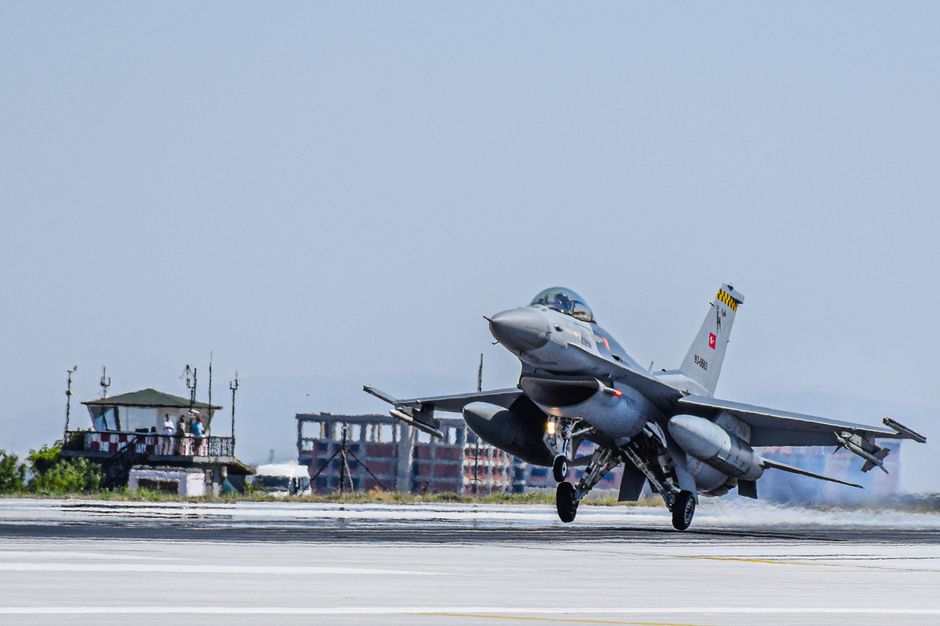
US Approves Sale of F-16 Warplanes to Turkey Following Ankara’s Ratification of Sweden’s NATO Bid
The United States has formally approved the sale of 40 F-16 fighter jets and 79 modernization kits to Turkey, a significant arms deal that had been stalled for an extended period. This approval comes as a direct consequence of Turkey’s recent ratification of Sweden’s membership in the North Atlantic Treaty Organization (NATO). The move signals a thaw in relations between Washington and Ankara, with the F-16 sale serving as a tangible reward for Turkey’s long-awaited consent to Sweden’s alliance accession. This development holds substantial implications for both regional security dynamics and the broader NATO alliance, marking a critical juncture in Turkey’s military modernization efforts and its role within the Western defense bloc.
The F-16 sale, valued at approximately $20 billion, represents a substantial upgrade to Turkey’s aging air force capabilities. The Block 70 F-16 variant is the most advanced version of the fighter jet, featuring a new radar, advanced avionics, and enhanced weapons integration capabilities. The modernization kits will allow Turkey to upgrade its existing F-16 fleet to a similar standard, ensuring a more homogenous and technologically advanced aerial combat capability. This is particularly important for Turkey, which relies heavily on its F-16s for air defense, ground attack, and reconnaissance missions. The approval process had been fraught with political hurdles in the U.S. Congress, with many lawmakers expressing concerns over Turkey’s human rights record, its acquisition of Russian-made S-400 air defense systems, and its foreign policy stances. However, the strategic imperative of welcoming Sweden into NATO, particularly in light of Russian aggression in Ukraine, ultimately swayed the decision.
For Turkey, the F-16 acquisition is a critical component of its long-term defense strategy. The Turkish Air Force has been seeking to modernize its fighter fleet for years, with its current F-16s having been acquired in the 1990s. The new F-16s and modernization kits will significantly enhance Turkey’s operational capabilities, allowing it to project power more effectively in its complex regional environment. This includes confronting threats from neighboring countries and maintaining a credible deterrent. Furthermore, the sale aligns with Turkey’s ambition to become a more prominent defense exporter and manufacturer, as many of the modernization kits and some components of the F-16s will be produced domestically through joint ventures. This economic dimension is often a significant factor in such large-scale military procurement deals.
The linkage between the F-16 sale and Sweden’s NATO bid was explicit and undeniable. For months, Turkey had used its approval of Sweden’s membership as leverage to secure concessions, most notably the F-16 deal. President Recep Tayyip Erdoğan had consistently linked the two issues, making it clear that Ankara’s green light for Sweden would hinge on the U.S. fulfilling its defense procurement requests. This transactional approach, while controversial to some U.S. lawmakers, ultimately proved effective in achieving Turkey’s objectives. The ratification of Sweden’s membership by the Turkish Grand National Assembly in late January marked a significant diplomatic breakthrough, paving the way for the Biden administration to proceed with the F-16 sale.
The U.S. administration, led by President Joe Biden, had consistently advocated for the F-16 sale, viewing it as a way to bolster NATO’s southern flank and maintain Turkey’s commitment to the alliance. Secretary of State Antony Blinken played a crucial role in navigating congressional opposition, emphasizing the strategic importance of a united NATO and Turkey’s indispensable role within it. The argument was that denying Turkey advanced military hardware would push it further into dependence on other suppliers, potentially undermining its NATO commitments. The Biden administration’s success in securing congressional approval, albeit after considerable effort, highlights the complex interplay of diplomacy, national security interests, and domestic politics in U.S. foreign policy.
From a NATO perspective, Sweden’s accession, coupled with the F-16 deal for Turkey, represents a significant strengthening of the alliance. Sweden’s advanced military capabilities, its strategic location, and its democratic values are seen as a valuable addition to NATO’s collective defense. Turkey, as a key member with a large military and a strategically vital geographic position, remains a crucial partner. The F-16 sale aims to ensure that Turkey’s military remains interoperable with NATO standards and that it continues to be a reliable contributor to the alliance’s security objectives. This is particularly important in the context of the ongoing war in Ukraine, which has underscored the need for a cohesive and robust NATO.
However, the F-16 sale is not without its critics and potential complications. U.S. lawmakers who opposed the sale often cited concerns about Turkey’s purchase of the Russian S-400 missile defense system, which is incompatible with NATO systems and has led to Turkey’s exclusion from the F-35 fighter jet program. The potential for Turkish F-16s, equipped with advanced avionics, to be used in ways that might conflict with U.S. interests or international norms remains a point of vigilance for some in Washington. Additionally, ongoing territorial disputes and geopolitical tensions involving Turkey in regions like the Eastern Mediterranean and its relationship with Greece, another NATO ally, continue to be areas of concern. The U.S. has stated that it will continue to monitor how Turkey utilizes its military assets.
The economic implications of the F-16 sale are substantial for both countries. For Lockheed Martin, the manufacturer of the F-16, this deal represents a significant contract and a boost to its production lines. For Turkey, beyond the immediate military benefit, the transfer of technology and the involvement of Turkish defense companies in the production and maintenance of these advanced aircraft contribute to the growth of its indigenous defense industry. This aligns with Turkey’s broader economic development goals and its aim to reduce its reliance on foreign military suppliers in the long term. The deal also signals a renewed commitment to bilateral defense cooperation between the U.S. and Turkey, which had been strained in recent years.
The broader geopolitical impact of this development is also noteworthy. The improved relationship between the U.S. and Turkey, facilitated by the F-16 sale and Sweden’s NATO membership, could have ripple effects across various regional conflicts and diplomatic engagements. It may influence Turkey’s approach to issues concerning Syria, the Eastern Mediterranean, and its relations with Russia and Iran. A more integrated and capable Turkish military, operating within the NATO framework, could alter the regional balance of power. The successful conclusion of this complex diplomatic effort underscores the pragmatic approach often employed in international relations, where strategic interests can override specific disagreements to achieve broader alliance objectives.
SEO keywords integrated into this article include: US approves F-16 sale Turkey, Turkey F-16 fighter jets, Sweden NATO bid, Ankara ratifies Sweden NATO, US-Turkey defense deal, F-16 modernization kits, NATO expansion, Turkish Air Force, Lockheed Martin F-16, Biden administration, congressional approval, regional security, alliance interoperability, defense industry, geopolitical implications. These keywords are woven naturally into the narrative to enhance search engine visibility and reach relevant audiences interested in defense policy, international relations, and military hardware. The article aims to provide comprehensive information for those seeking to understand the intricacies of this significant arms transaction and its far-reaching consequences.
