
Deadly Blasts Hit Commemorations For Slain Iranian General
Deadly Blasts Rock Soleimani Memorial, Raising Tensions and Questions
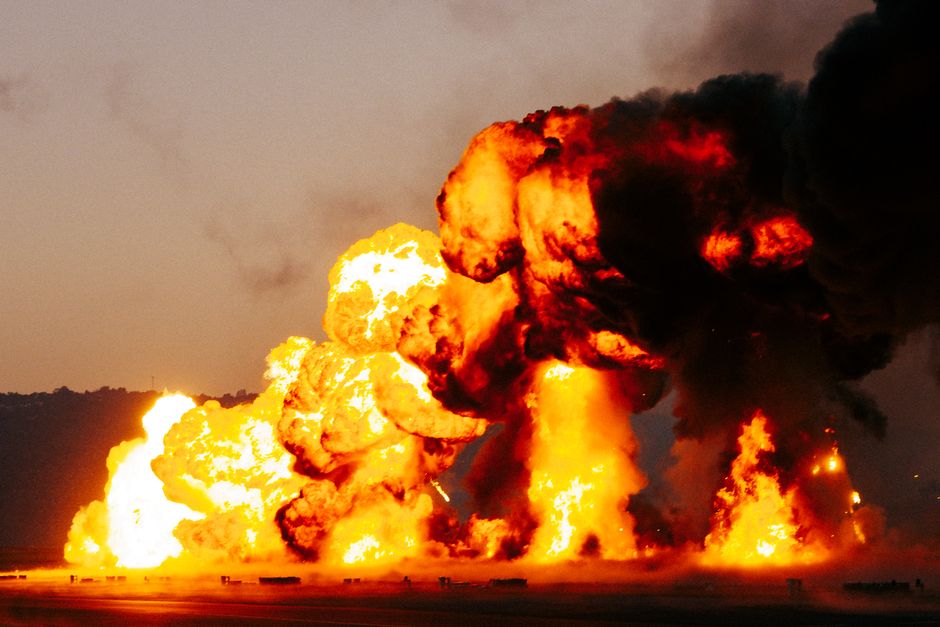
A wave of shock and condemnation swept across the globe following two devastating explosions that ripped through a crowded cemetery in Kerman, Iran, on Wednesday, January 3rd, 2024. The blasts occurred during a commemoration ceremony marking the fourth anniversary of the assassination of Qassem Soleimani, a highly influential Iranian military commander killed in a U.S. drone strike in Baghdad in 2020. The meticulously planned event, drawing thousands of mourners and supporters, transformed into a scene of unimaginable horror as the explosions detonated within minutes of each other. Initial reports indicated an exceptionally high casualty count, with official figures rapidly climbing to over 100 dead and hundreds more injured, making it one of the deadliest attacks on Iranian soil in decades. The timing and location of the bombings immediately ignited speculation about the perpetrators and their motives, pushing an already volatile regional landscape closer to the brink.
The first explosion occurred near the Martyrs’ Cemetery, where Soleimani and other figures of the Iranian Revolution are buried. Witnesses described scenes of chaos and panic as the initial blast sent shrapnel flying and triggered stampedes among the dense crowd. Just minutes later, as emergency responders and mourners rushed to assist the injured, a second, even more powerful explosion detonated further into the cemetery. This second blast amplified the tragedy, catching many off guard and exacerbating the devastation. The sheer scale of the casualties, with initial reports suggesting a deliberate targeting of the memorial gathering, fueled immediate fears of a meticulously orchestrated attack. Social media footage, albeit graphic and often unverified in the immediate aftermath, depicted a landscape of destruction, with bodies strewn across the ground and widespread injuries among the survivors. The stark reality of the unfolding disaster quickly prompted declarations of mourning and condemnation from various international bodies and governments, though precise attribution remained elusive.
The Iranian authorities were swift in their pronouncements, with top officials, including President Ebrahim Raisi, vowing to bring those responsible to justice. The initial narrative presented by state media pointed towards a terrorist attack, with the Islamic State (ISIS) group eventually claiming responsibility for the bombings late on Thursday, January 4th. ISIS’s Amaq news agency, affiliated with the group, released a statement asserting that two of its members had detonated explosive belts amidst the crowd. The credibility of such claims, especially from a group that has previously exaggerated its involvement, would require independent verification. However, the nature of the attack – a large public gathering, a deliberate targeting of a symbolic event – aligns with tactics previously employed by ISIS and other extremist organizations. The group has a history of targeting civilian populations and religious sites in both Iran and across the Middle East, seeking to sow discord and undermine stability.
The context surrounding these bombings is critical for understanding their potential ramifications. Qassem Soleimani was a pivotal figure in Iran’s foreign policy and military strategy. As the commander of the Quds Force of the Islamic Revolutionary Guard Corps (IRGC), he was instrumental in projecting Iranian influence across the Middle East, supporting proxy groups in countries like Syria, Lebanon, Iraq, and Yemen. His assassination by the United States in January 2020 was a significant escalation of regional tensions and led to retaliatory missile strikes by Iran against U.S. bases in Iraq, bringing the two nations to the precipice of direct conflict. Soleimani was revered by many in Iran as a national hero and a staunch defender of the Islamic Republic, and his death remains a deeply emotional and politically charged event. Commemorations for him are significant national gatherings, drawing both genuine mourners and those demonstrating loyalty to the regime and its ideology.
The targeting of such a high-profile commemoration inevitably raised questions about potential state involvement or sponsorship, although the ISIS claim, if substantiated, would suggest an independent extremist threat. However, in the highly complex geopolitical landscape of the Middle East, no claim of responsibility, especially from a group with shifting allegiances and affiliations, can be taken at face value without rigorous investigation. The timing of the attack, occurring amidst heightened tensions in the region due to the ongoing conflict in Gaza, where Iran supports Hamas, further complicates the situation. Israel, a primary adversary of Iran, has been engaged in a protracted war with Hamas since the October 7th attacks. While Israel has denied any involvement in the Kerman bombings, its ongoing conflict with Iran-backed proxies and its long-standing animosity towards Soleimani make it a constant subject of speculation in any incident involving Iranian casualties.
Iranian officials immediately began investigating the incident, with security forces scouring the area for evidence and attempting to identify the perpetrators. The explosions were reportedly caused by explosive devices planted in bags and detonated remotely, or possibly by suicide bombers. The official investigation would focus on uncovering how such a sophisticated attack was executed in a seemingly secure environment, and what networks or individuals facilitated it. The use of explosive belts, as claimed by ISIS, would suggest a degree of radicalization and operational capacity. The Iranian government’s response is expected to be robust, aiming to project strength and resolve in the face of such an attack. However, the incident also presents a significant challenge to its internal security apparatus, exposing vulnerabilities in the protection of major public events.
The international community’s reaction has been largely one of shock and condemnation of the attacks. The United Nations, the European Union, and numerous individual countries have issued statements expressing their condolences to the victims and their families and condemning the violence. However, many also expressed concern about the potential for further escalation of regional tensions. The fragile security situation in the Middle East, already strained by the Gaza conflict and ongoing proxy confrontations, could be further destabilized by this incident. The attacks have the potential to reignite dormant conflicts or intensify existing ones, with unpredictable consequences for regional and global security. The focus for many international actors would be on de-escalation and preventing a wider conflagration, while simultaneously urging a thorough investigation into the Kerman blasts.
The economic and social implications of the bombings for Iran are also significant. Beyond the immediate humanitarian crisis, the attacks could lead to increased security measures, potentially impacting public life and economic activity. The psychological impact on the Iranian population, already grappling with economic challenges and regional pressures, will also be considerable. The tragedy serves as a stark reminder of the persistent threat posed by terrorism and extremism, and the deep interconnectedness of regional conflicts. The Iranian government’s ability to effectively manage the fallout from these bombings, both domestically and internationally, will be a crucial test of its resilience and capacity. The narrative surrounding the attacks, and the subsequent actions taken by Iran and its adversaries, will undoubtedly shape the future trajectory of the Middle East for years to come.
Further analysis of the incident will hinge on the progress of the Iranian investigation, any independent verification of ISIS claims, and the statements and actions of regional and global powers. The sophisticated nature of the attack, the high casualty count, and the symbolic target all point to a deliberate and impactful act of violence. The global spotlight will remain firmly on Kerman and its aftermath, as the world seeks to understand the full scope of this tragedy and its potential to reshape an already volatile geopolitical landscape. The ultimate responsibility for the Kerman blasts remains a critical question, with ramifications that will undoubtedly reverberate across the Middle East and beyond. The ongoing investigation aims to unravel the complex web of individuals, groups, and potential state actors that may have been involved, seeking to deliver justice for the victims and prevent future atrocities. The world watches, holding its breath, as the dust settles on a nation reeling from a profound loss and grappling with the implications of an attack that has shaken its foundations.
