
France Cabinet Reshuffle Macron And New Pm Attal Craft New Government
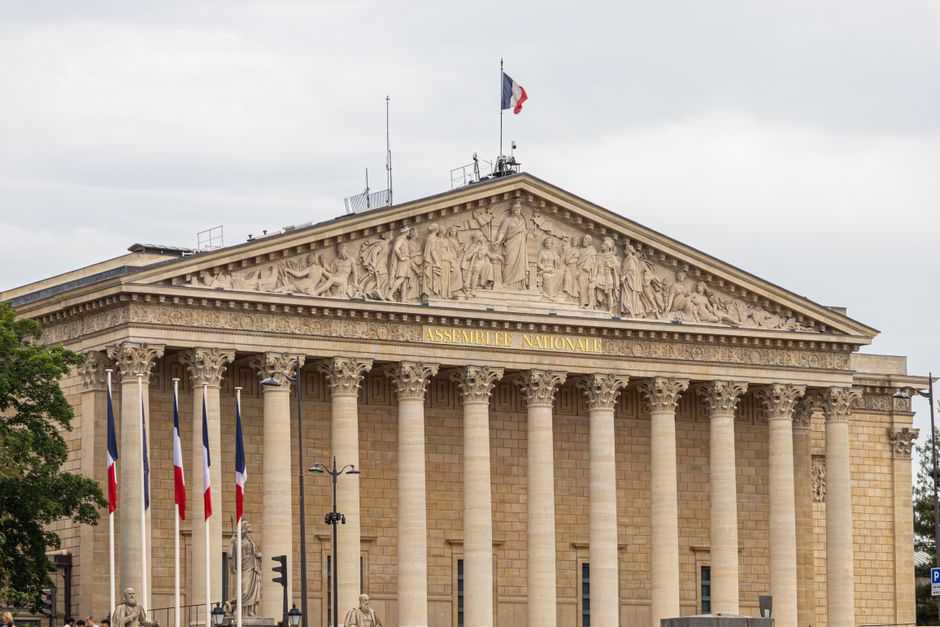
France Cabinet Reshuffle: Macron Taps Attal to Lead New Government, Charting a Course for the Future
In a significant move signaling a recalibration of his second presidential term, French President Emmanuel Macron has orchestrated a high-stakes cabinet reshuffle, culminating in the appointment of Gabriel Attal as the new Prime Minister. This strategic decision, announced with considerable anticipation, sees Attal, a rising political star, ascend to one of France’s most powerful positions, tasked with crafting a new government and navigating the nation’s complex domestic and international challenges. The reshuffle is not merely a cosmetic change; it represents a deliberate effort by Macron to inject fresh momentum, address perceived shortcomings, and consolidate his political agenda as he enters the latter half of his mandate. Attal’s youth, dynamism, and perceived ability to connect with a broader electorate are central to Macron’s calculations, aiming to revitalize his presidency and regain public trust. The formation of the new Attal government will be closely scrutinized, with particular attention paid to the selection of key ministers and the overarching policy direction.
The appointment of Gabriel Attal, at 34, makes him the youngest Prime Minister in French history, a symbolic choice that underscores Macron’s desire for a generational shift in leadership and a more dynamic political approach. Attal, who previously served as Minister of Public Accounts and then as a government spokesperson, has cultivated an image of competence, clarity, and directness in his public communications. His rapid ascent within the Macronist movement, from junior minister to education minister and now to the helm of government, speaks to his political acumen and the President’s confidence in his abilities. Macron’s decision to elevate Attal is a clear bet on a figure who has demonstrated a capacity to articulate the government’s vision effectively and potentially galvanize support among a populace increasingly weary of traditional political discourse. The expectation is that Attal will bring a renewed sense of urgency and a modern approach to governance, aiming to bridge the perceived disconnect between political elites and everyday citizens. This appointment is not just about personnel; it’s about signaling a new era of governance under Macron’s direction, one that prioritizes responsiveness and a forward-looking agenda.
The rationale behind this substantial cabinet reshuffle extends beyond the need for a new Prime Minister. Macron has been facing mounting pressure stemming from a variety of domestic issues, including persistent inflation, anxieties surrounding public services, and a perceived lack of tangible progress on key reform promises. The previous government, led by Élisabeth Borne, struggled to maintain a consistent parliamentary majority, often leading to protracted and sometimes contentious legislative battles, most notably the controversial pension reform. The reshuffle is an attempt to break this legislative deadlock and forge a more cohesive and effective governing team. Macron likely seeks to inject fresh energy into his administration, bring in individuals with specific expertise to tackle pressing challenges, and potentially re-energize his political base. The choice of Attal as Prime Minister is central to this strategy, with the expectation that he will be able to command greater authority and build broader consensus for the government’s policies. The composition of the new cabinet will be a critical indicator of Macron’s priorities and his strategy for the remainder of his term.
The selection of Gabriel Attal as Prime Minister is strategically significant for Emmanuel Macron. Attal is seen as a charismatic figure who can effectively communicate the government’s agenda and potentially appeal to a wider demographic, including younger voters who have often been a source of disillusionment. His previous roles, particularly as Minister of National Education and Youth, have given him a platform to address issues directly impacting families and the future of France. This background is expected to inform his approach to governance, with a likely emphasis on education, youth employment, and social mobility – key areas that resonate with the electorate. Furthermore, Attal’s relative youth and perceived proximity to the concerns of ordinary citizens contrast with the image of a detached elite, a narrative that Macron has sought to counter. The President is betting that Attal’s dynamism and ability to connect will help to revitalize his presidency and create a more positive public perception of his administration. This move is also designed to present a united and forward-looking front as France navigates domestic reforms and international geopolitical shifts.
The scope of the cabinet reshuffle indicates a desire for a significant course correction. While Gabriel Attal’s appointment as Prime Minister is the most prominent development, the changes will likely extend to numerous ministerial portfolios. Macron will be looking to fill key roles with individuals who can bring both expertise and political capital to their respective departments. The emphasis will be on appointing ministers who can deliver on the government’s reform agenda, particularly in areas such as the economy, energy transition, security, and public services. There will be a keen focus on whether Macron retains or replaces ministers who were instrumental in implementing controversial policies, such as the pension reform, or those who faced criticism for their handling of specific dossiers. The composition of the new government will be a direct reflection of Macron’s priorities for the coming years and his strategy for addressing the challenges that lie ahead. The success of this reshuffle will ultimately be judged by the government’s ability to translate its objectives into concrete policy outcomes and to regain the confidence of the French public.
Gabriel Attal’s rise to the position of Prime Minister is a testament to his consistent performance and strategic positioning within the Macronist movement. His tenure as spokesperson provided him with a national platform to hone his communication skills, delivering government messages with a blend of clarity and conviction. As Minister of Public Accounts, he demonstrated an understanding of fiscal management, a crucial area in navigating France’s economic landscape. His most recent role as Minister of National Education and Youth allowed him to engage directly with one of the most significant concerns for French families – the future of their children and the quality of education. This experience is likely to inform his policy priorities, with a probable focus on education reform, youth integration, and addressing social inequalities. His ability to articulate complex issues in a relatable manner is a key asset, and Macron will be relying on him to bridge the gap between the government and the electorate, particularly as the nation grapples with economic headwinds and societal divisions. The appointment is a bold statement of confidence in a new generation of leadership within the Macron presidency.
The new Attal government faces a formidable array of challenges. Domestically, persistent inflation and concerns about the cost of living continue to weigh on households. Macron’s reform agenda, including ambitious plans for energy transition and industrial reindustrialization, requires sustained political will and public buy-in, which can be difficult to achieve amidst economic uncertainty. The government must also address ongoing debates surrounding social cohesion, immigration, and the effectiveness of public services, particularly healthcare and education. Internationally, France, as a leading member of the European Union and a key player on the global stage, is navigating a complex geopolitical landscape. The ongoing war in Ukraine, the global economic slowdown, and evolving international trade dynamics all demand careful diplomatic and strategic responses. The new cabinet will need to demonstrate agility, resilience, and a clear vision to effectively address these multifaceted issues. Attal’s leadership will be instrumental in setting the tone and direction for how France confronts these significant hurdles in the coming months and years.
The political implications of this cabinet reshuffle are far-reaching. For Emmanuel Macron, it represents a critical juncture in his second and final presidential term. The appointment of Gabriel Attal as Prime Minister is a clear attempt to revitalize his administration, inject new energy, and potentially broaden his appeal. It signals a desire to move beyond the more contentious reforms of his first term and to focus on delivering tangible improvements for the French people. The success of this reshuffle will depend on Attal’s ability to rally a cohesive government, to effectively communicate its policies, and to achieve demonstrable progress on key issues. For the opposition, this presents an opportunity to challenge a newly configured government and to capitalize on any perceived weaknesses or policy missteps. The coming months will be a test of Macron’s strategy and Attal’s capacity to lead, with the ultimate judgment resting with the French electorate. The reshuffle is not an end in itself, but a strategic maneuver to prepare for the political battles and policy challenges that lie ahead.
Gabriel Attal’s ministerial tenure has been marked by a pragmatic approach and a focus on tangible results. As Minister of Public Accounts, he was responsible for overseeing government spending and fiscal policy, areas that require a deep understanding of economic levers and budgetary constraints. His pronouncements often reflected a commitment to fiscal responsibility while also acknowledging the need for targeted investments to support economic growth and social programs. His subsequent appointment as Minister of National Education and Youth saw him grappling with the complexities of modernizing the French education system, addressing issues of teacher training, curriculum development, and student well-being. This role provided him with direct exposure to the concerns of families and educators, and his communication style often emphasized the importance of education as a cornerstone of individual opportunity and national progress. These experiences have likely shaped his understanding of the interconnectedness of economic, social, and educational policy, providing him with a well-rounded foundation for the immense responsibilities of the Prime Minister’s office.
The broader context of this reshuffle cannot be overlooked. France, like many European nations, is navigating a period of significant societal and economic transformation. The energy transition, the digital revolution, and evolving global power dynamics all present both opportunities and challenges. Macron’s presidency has been characterized by a commitment to modernizing the French economy and strengthening its position within Europe and on the world stage. The cabinet reshuffle, and particularly the appointment of Gabriel Attal, can be seen as a strategic recalibration designed to accelerate these efforts and to ensure that France is well-positioned to meet the demands of the 21st century. The emphasis will likely be on innovation, competitiveness, and sustainable development, with policies aimed at fostering economic growth, creating jobs, and ensuring social inclusion. The new government will need to demonstrate agility and foresight in addressing these complex issues, and Attal’s leadership will be crucial in this endeavor.
The media and public reaction to the appointment of Gabriel Attal has been largely a mix of anticipation and scrutiny. His supporters view him as a breath of fresh air, a capable and modern leader who can effectively communicate the government’s vision. Critics, however, question whether his youth and relative inexperience will be sufficient to navigate the complex challenges facing France. The coming months will be a critical period for Attal and his new government to demonstrate their mettle. The composition of the cabinet, the policy announcements, and the government’s ability to deliver tangible results will all be closely monitored. The success of this reshuffle will ultimately be measured by its impact on the lives of the French people and its ability to restore confidence in the government’s capacity to address the nation’s pressing issues. Emmanuel Macron has placed a significant bet on Gabriel Attal, and the future trajectory of his presidency, and indeed of France, may well hinge on the outcome of this strategic political maneuver.
Ultimately, the cabinet reshuffle and the appointment of Gabriel Attal as Prime Minister represent a pivotal moment for Emmanuel Macron’s presidency. It is a calculated move to inject new energy, reframe his policy agenda, and attempt to reconnect with a disillusioned electorate. The challenges facing France are substantial, both domestically and internationally, and the new government will need to demonstrate both vision and efficacy in addressing them. The coming months will be a period of intense scrutiny, as the world watches to see if Attal and his new cabinet can deliver on the promises of renewal and progress that this significant political shake-up aims to embody. The effectiveness of this new government will be measured not by the speed of its formation, but by its ability to enact meaningful change and to foster a sense of optimism and stability for the French people.
