
Blinken Returns To Israel As Bloody Gaza War Grinds On
Blinken Returns to Israel Amidst Grinding Gaza War: A Diplomatic Tightrope Walk
U.S. Secretary of State Antony Blinken has commenced a fresh visit to Israel, a critical diplomatic maneuver occurring as the brutal conflict in Gaza continues its relentless and devastating trajectory. This marks Blinken’s fifth trip to the region since the October 7th Hamas attacks, underscoring the persistent and multifaceted challenges the Biden administration faces in navigating the escalating hostilities and preventing a wider regional conflagration. The core objectives of Blinken’s engagement are multifaceted: to reiterate unwavering U.S. support for Israel’s security, to exert pressure for greater civilian protection in Gaza, and to advance discussions on post-conflict governance and humanitarian aid for the besieged Palestinian territory. His arrival is met with a grim backdrop: an ever-increasing death toll, widespread destruction, and a rapidly deteriorating humanitarian crisis that has drawn international condemnation and amplified calls for a ceasefire. The visit is not merely symbolic; it represents a high-stakes attempt to steer the conflict away from further escalation and towards a more sustainable, albeit distant, prospect of peace.
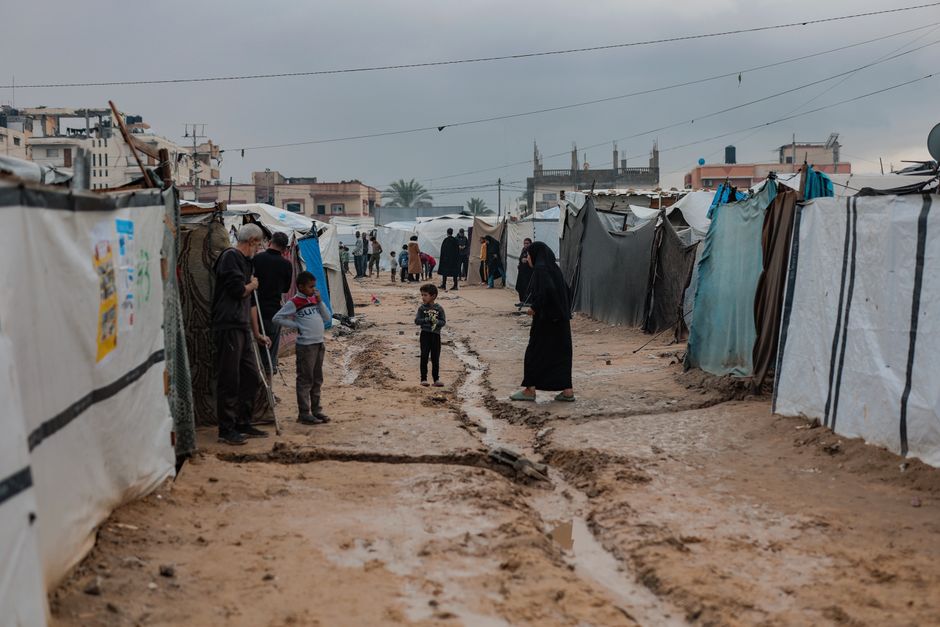
The immediate impetus for Blinken’s return stems from a confluence of escalating concerns. U.S. intelligence assessments and numerous reports from international organizations paint a dire picture of the humanitarian situation in Gaza. Civilian casualties continue to mount at an alarming rate, with hospitals overwhelmed, infrastructure decimated, and access to essential resources like food, water, and medicine severely restricted. This has ignited widespread international outrage and placed significant diplomatic pressure on the Biden administration to translate its stated concerns about civilian protection into tangible actions. Furthermore, the ongoing Israeli military operations, while framed by Jerusalem as necessary for dismantling Hamas’s military capabilities, are increasingly perceived by many international actors as disproportionate and contributing to a potential long-term destabilization of the region. Blinken’s mission, therefore, is to balance the bedrock U.S. commitment to Israel’s right to defend itself against the growing imperative to mitigate human suffering and prevent the conflict from spiraling into a broader Middle Eastern war.
A central pillar of Blinken’s discussions will undoubtedly revolve around the urgent need to significantly increase the flow of humanitarian aid into Gaza. The existing aid mechanisms are widely acknowledged to be insufficient to meet the immense needs of the displaced and suffering Palestinian population. International organizations have repeatedly warned of impending famine and the collapse of healthcare systems. Blinken is expected to press Israeli authorities to facilitate the unimpeded entry of larger volumes of essential supplies, including food, water, medicine, and fuel, and to ensure their safe and equitable distribution. This involves addressing logistical challenges, such as border crossing bottlenecks and security concerns, as well as overcoming political obstacles that may hinder aid delivery. The U.S. has consistently advocated for more humanitarian pauses and a greater number of entry points, and this visit will likely see a renewed push for these measures, coupled with increased U.S. financial contributions to relief efforts.
Another critical, and arguably more complex, aspect of Blinken’s agenda concerns the future governance of Gaza. With the Israeli military seeking to neutralize Hamas, the question of who will govern the territory post-conflict looms large. Washington has consistently stated that it does not envision Israel reoccupying Gaza and has been exploring various potential scenarios, often involving a revitalized Palestinian Authority or a multinational peacekeeping force. However, achieving consensus on this issue is proving exceptionally difficult. Israel harbors deep distrust of the Palestinian Authority, citing its perceived lack of authority and its past failures in preventing violence. Many Arab nations are reluctant to take on the responsibility of administering Gaza without a clear and credible path towards a two-state solution. Blinken’s talks will likely focus on the difficult task of building a framework for Palestinian self-governance that is acceptable to regional actors, can provide security, and ultimately contributes to a lasting peace. This includes exploring how to support Palestinian institutions and foster economic recovery in a post-conflict environment.
The ever-present specter of regional escalation remains a paramount concern for U.S. foreign policy. The conflict in Gaza has already ignited heightened tensions along Israel’s northern border with Lebanon, where Hezbollah has engaged in increasingly sophisticated cross-border attacks. Furthermore, Iranian-backed militias in Iraq and Syria have continued their drone and missile attacks on U.S. forces and interests in the region. Blinken’s visit will undoubtedly include discussions aimed at de-escalating these peripheral conflicts and preventing them from drawing the United States and its allies into a wider war. This may involve diplomatic engagements with regional powers, including those with influence over non-state actors, to underscore the shared interest in maintaining stability and avoiding a broader regional conflict. The U.S. has maintained a robust military presence in the Middle East precisely to deter such escalations, and Blinken’s presence is also a signal of this commitment.
From the Israeli perspective, Blinken’s visit is primarily about reaffirming the U.S. commitment to its security following the unprecedented Hamas assault. Prime Minister Benjamin Netanyahu’s government faces immense domestic pressure to ensure that such an attack never happens again. This translates into a continued military campaign to dismantle Hamas’s capabilities and a strong emphasis on border security. Blinken will likely be met with reiterations of Israel’s security imperatives and its determination to achieve victory against Hamas. However, he is also expected to convey the growing international pressure on Israel to minimize civilian casualties and to adhere to international humanitarian law. The diplomatic tightrope is evident: supporting Israel’s legitimate security concerns while simultaneously advocating for a more humane approach to the conflict and exploring pathways towards a political resolution. The U.S. administration’s challenge is to effectively convey these often-competing priorities to its Israeli counterparts without undermining the crucial alliance.
The humanitarian crisis in Gaza is not merely a secondary concern; it is a critical factor shaping international opinion and increasingly influencing the diplomatic calculus of even staunch allies of Israel. Images and reports of suffering civilians, particularly children, have fueled widespread protests and calls for a ceasefire across the globe. Blinken’s mission is partly driven by the need to address this global outcry and to demonstrate that the U.S. is actively working to alleviate the humanitarian catastrophe. The administration’s public statements have increasingly emphasized the need for civilian protection, and this visit is a crucial opportunity to translate these words into concrete actions on the ground, pushing for greater access for humanitarian organizations and a reduction in civilian harm. The effectiveness of Blinken’s efforts will be measured not only by the diplomatic agreements reached but also by the tangible improvements in the lives of Gazan civilians.
The long-term vision for peace, however elusive, remains a background objective of U.S. diplomacy in the region. While immediate concerns dominate the current agenda, the Biden administration continues to advocate for a two-state solution as the only viable path to lasting peace and security for both Israelis and Palestinians. Blinken’s discussions will inevitably touch upon this ultimate goal, exploring ways to rebuild trust, foster Palestinian self-determination, and create conditions for a future where both peoples can coexist peacefully. This involves engaging with Palestinian leadership to strengthen their capacity for governance and to address internal divisions, as well as working with regional partners to build a coalition of support for a diplomatic resolution. The current conflict, while devastating, may also present an opportunity, however grim, to rethink the existing paradigms and to inject new momentum into the stalled peace process, even if such a prospect appears distant at present.
Blinken’s engagement in Israel and potentially in other regional capitals signifies the ongoing commitment of the United States to actively manage and de-escalate a deeply volatile conflict. The diplomatic efforts are characterized by immense complexity, balancing competing interests, and navigating a landscape fraught with historical grievances and immediate security imperatives. The success of this mission will be gauged not only by the immediate outcomes of his discussions but also by its contribution to alleviating human suffering, preventing wider regional instability, and inching closer, however incrementally, to a sustainable and just resolution for Israelis and Palestinians alike. The grinding nature of the war in Gaza underscores the urgency and the profound difficulty of the diplomatic task at hand, making Blinken’s return a critical juncture in a protracted and tragic chapter of regional history.