
Russian Strike In Ukraine Kills Two French Nationals Says Kherson Governor
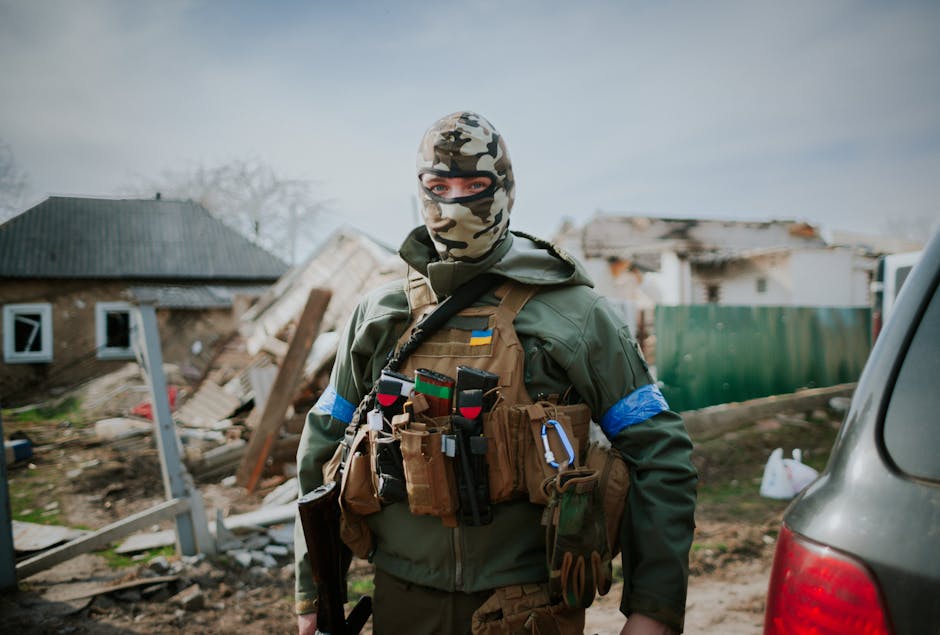
Russian Strike in Ukraine Kills Two French Nationals, Kherson Governor Reports
A Russian strike in the Kherson region of Ukraine has resulted in the deaths of two French nationals, according to a statement from Oleksandr Prokudin, the governor of Kherson. The incident, which occurred in close proximity to the front lines, underscores the persistent dangers faced by civilians and foreign nationals operating in areas affected by the ongoing conflict. Prokudin provided the grim update via his Telegram channel, detailing that the casualties were among a group of individuals reportedly providing humanitarian assistance. The specific location and circumstances of the strike are still emerging, but initial reports suggest the attack targeted a civilian area where aid operations were underway. The French Ministry of Foreign Affairs has yet to issue a comprehensive official statement, but preliminary reports indicate they are aware of the incident and are in the process of verifying the identities of the deceased and gathering further details. This tragedy marks a significant escalation in the risks for international aid workers and volunteers operating in Ukraine, highlighting the indiscriminate nature of some attacks and the severe consequences for those attempting to alleviate suffering amidst the war. The incident is expected to further fuel international condemnation of Russia’s military actions and may prompt renewed calls for increased security measures for humanitarian personnel in Ukraine.
The governor’s announcement immediately triggered a wave of reactions from international bodies and governments. The United Nations, through its various humanitarian agencies on the ground, has expressed profound sorrow and concern over the loss of life and has reiterated its commitment to ensuring the safety of its personnel and partners. A spokesperson for the UN Office for the Coordination of Humanitarian Affairs (OCHA) emphasized the vital role of humanitarian workers in delivering essential aid to besieged populations and stressed that such attacks are in direct violation of international humanitarian law. The French government, while awaiting official confirmation, has reportedly initiated diplomatic channels to seek clarity from Moscow and to express its grave displeasure. This development is particularly sensitive for France, which has been a staunch supporter of Ukraine and has provided significant military and humanitarian aid since the full-scale invasion began in February 2022. The potential for two French citizens to be victims of a Russian strike adds a deeply personal and political dimension to the ongoing conflict for Paris. Analysts suggest that this incident could lead to a more forceful public stance from the French presidency and may influence future decisions regarding sanctions or military assistance to Ukraine.
The Kherson region, a strategically vital area in southern Ukraine, has been a focal point of intense fighting since the commencement of the full-scale Russian invasion. Control of the region, including its namesake capital city, has shifted multiple times, with Ukrainian forces reclaiming significant territory in late 2022. However, the area remains under constant threat from Russian shelling and missile attacks, particularly from the occupied left bank of the Dnipro River. Civilian infrastructure and residential areas have frequently borne the brunt of these attacks, leading to significant casualties and displacement. The presence of foreign nationals, especially those involved in humanitarian efforts, in such volatile zones is a testament to the immense challenges and personal risks undertaken by individuals seeking to provide aid and support to the Ukrainian population. The governor’s report specifically mentioned that the French nationals were engaged in providing humanitarian aid, suggesting their presence was related to organized relief efforts rather than independent travel. This detail is crucial as it points to a deliberate targeting or reckless endangerment of individuals whose sole purpose was to assist those in need.
The methodology and intelligence behind Russian strikes, particularly those impacting civilian areas, remain a subject of intense scrutiny by international observers and investigative bodies. Allegations of indiscriminate targeting and the use of indiscriminate weaponry in populated zones have been consistently leveled against Russian forces throughout the conflict. The incident in Kherson, if confirmed to be a direct strike on a humanitarian convoy or a site where aid workers were present, would further solidify these accusations and could potentially lead to further war crimes investigations. The International Criminal Court (ICC) and various human rights organizations are actively documenting alleged atrocities committed by Russian forces. The deaths of French nationals could provide crucial new evidence for these ongoing investigations, potentially leading to the prosecution of individuals responsible. The Kremlin, when faced with similar accusations in the past, has typically denied targeting civilians and has often blamed Ukrainian forces for creating dangerous conditions or orchestrating provocations. However, the consistent pattern of civilian casualties and damage to civilian infrastructure across Ukraine has made such denials increasingly difficult to sustain.
The impact of this tragedy extends beyond the immediate diplomatic and legal ramifications. It serves as a stark reminder of the human cost of war and the profound suffering endured by civilians in conflict zones. For the families and loved ones of the two French nationals, the news is devastating, marking the loss of individuals who had voluntarily placed themselves in harm’s way to make a difference. The courage and dedication of humanitarian aid workers are often overlooked amidst the broader geopolitical narratives of war, but incidents like this bring their sacrifices into sharp relief. The international community’s response will be closely watched, not only in terms of official condemnations and potential sanctions but also in terms of sustained humanitarian support for Ukraine. The ability of aid organizations to operate safely and effectively is directly linked to the cessation of hostilities and adherence to international humanitarian law. The deaths in Kherson may galvanize greater international pressure on Russia to cease its attacks on civilian infrastructure and humanitarian personnel, potentially influencing future peace negotiations or diplomatic strategies.
Furthermore, the incident highlights the complex and perilous environment in which humanitarian operations are conducted in contemporary conflict. Aid workers often operate in areas with limited access, under constant threat of shelling, and with insufficient security guarantees. The reliance on local partners and the navigation of active combat zones present inherent risks. The specific nature of the French nationals’ involvement in humanitarian work, whether through a governmental agency, an international NGO, or a private volunteer initiative, will be critical in understanding the context of their presence and the potential for future security protocols. The French Ministry of Foreign Affairs is expected to provide more details in the coming hours and days, including the identities of the deceased (if their families consent to their release) and the specific organizations they were affiliated with. This information will be vital for understanding the full scope of the incident and for assessing the broader implications for humanitarian operations in Ukraine. The ongoing conflict continues to be a breeding ground for human tragedy, and the loss of these two French nationals serves as a somber and urgent call for accountability and a renewed commitment to protecting those who strive to offer succour amidst devastation.
The international legal framework governing armed conflict, particularly the Geneva Conventions and their Additional Protocols, explicitly prohibits the targeting of civilians and humanitarian personnel. Article 50 of Additional Protocol I to the Geneva Conventions defines civilians and civilian objects, and Article 51 prohibits indiscriminate attacks and attacks directed against the civilian population or individual civilians. Humanitarian relief personnel and objects are afforded special protection under international humanitarian law. Any deliberate targeting of such individuals or their means of transport and equipment constitutes a war crime. The investigation into this incident will undoubtedly focus on whether the strike was intentional, indiscriminate, or resulted from negligence that failed to distinguish between military objectives and protected persons. The gathering of evidence, including satellite imagery, eyewitness accounts, and forensic analysis of the strike site, will be crucial for establishing culpability. The French government, in conjunction with its international partners, will likely demand a thorough and transparent investigation by Russian authorities, though historical precedent suggests that such investigations by the aggressor nation are often lacking in impartiality. The call for independent international investigations will therefore be paramount.
The political fallout from this incident could also have significant implications for Franco-Russian relations, which have been severely strained since the commencement of the full-scale invasion. France has been a leading voice in advocating for robust sanctions against Russia and for increased military assistance to Ukraine. The deaths of its citizens at the hands of Russian forces could lead to a more hardline stance from President Macron and the French government. This could translate into further diplomatic pressure, enhanced sanctions, or even a recalibration of France’s security posture in Eastern Europe. The incident may also serve to galvanize public opinion within France, further solidifying support for Ukraine and increasing pressure on the government to take decisive action. The narrative of French citizens being killed by Russian aggression could resonate strongly with the French populace, potentially influencing electoral dynamics and domestic policy debates surrounding the ongoing war. The psychological impact of such an event cannot be underestimated, transforming abstract geopolitical conflicts into deeply personal tragedies that demand a forceful response.
The ongoing efforts to evacuate civilians from frontline areas and to provide them with essential humanitarian assistance are directly jeopardized by such attacks. The fear of being targeted, even while seeking or delivering aid, can lead to a chilling effect on humanitarian operations, limiting their reach and effectiveness. The international community’s ability to respond to humanitarian crises is predicated on the ability of aid workers to operate safely and without fear of reprisal. The incident in Kherson serves as a stark reminder that the war in Ukraine is not a distant conflict but a brutal reality with tangible and tragic consequences for individuals from all walks of life, including those who dedicate themselves to alleviating suffering. The comprehensive impact of this Russian strike in Ukraine, resulting in the deaths of two French nationals, reverberates through diplomatic channels, legal frameworks, and the very human essence of compassion and aid in the face of brutal conflict, underscoring the urgent need for accountability and a definitive pathway towards peace.