
Public Transport Walkout Hits Strike Battered Germany
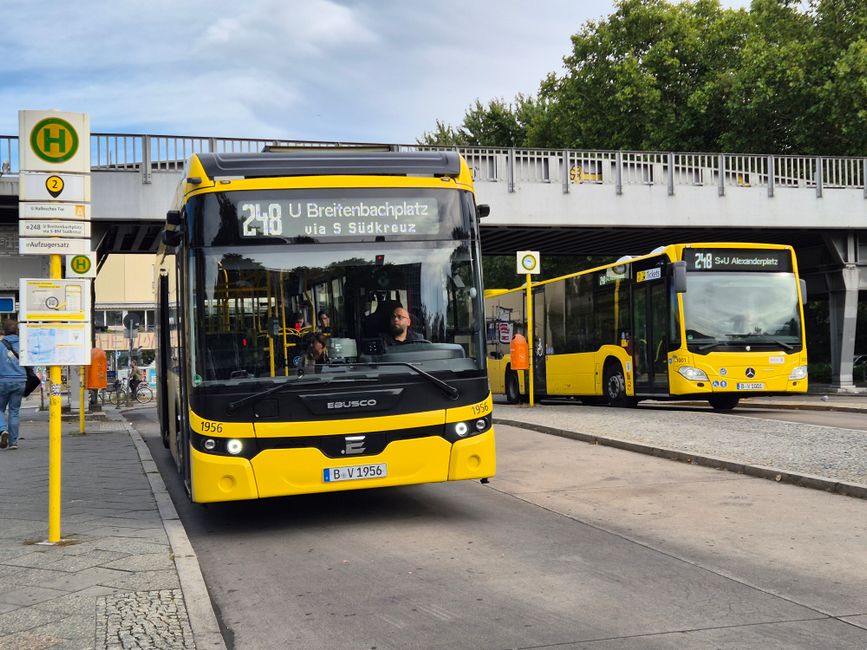
Public Transport Walkout Hits Strike-Battered Germany
Germany is once again grappling with widespread disruption as public transport workers initiated a significant, nationwide strike. This industrial action, orchestrated by the powerful Verdi trade union, has brought a substantial portion of the country’s buses, trams, and underground trains to a standstill, impacting millions of commuters and exacerbating an already challenging economic climate. The walkout, which began early Friday morning and is expected to last for 24 hours, is the latest in a series of labor disputes that have plagued various sectors of the German economy in recent months, underscoring persistent tensions between employers and employees over wages, working conditions, and the cost of living.
The core demands of the Verdi union revolve around improved pay and working conditions for public transport employees. Negotiators are seeking a substantial wage increase to offset the escalating inflation that has significantly eroded purchasing power across Germany. Workers argue that their salaries have not kept pace with the rising costs of essential goods and services, including energy, food, and housing, making it increasingly difficult to maintain a decent standard of living. Beyond immediate financial concerns, the union is also pushing for better rest periods, reduced working hours in some cases, and enhanced job security, particularly in light of ongoing modernization and digitalization efforts within the public transport sector that could potentially impact employment levels. The union’s leadership has emphasized that these demands are not unreasonable and are a necessary step to ensure the sustainability and fairness of the public transport system. They highlight the vital role these workers play in keeping cities moving and the economy functioning, arguing that their contributions are not adequately recognized in current compensation packages.
The strike’s impact is far-reaching and immediate. Major cities like Berlin, Hamburg, Munich, and Frankfurt are experiencing severe limitations in their public transport networks. Commuters reliant on buses, trams, and U-Bahns are facing lengthy delays, overcrowded alternative transportation options, and in many cases, complete unavailability of their usual modes of travel. This has forced many to seek alternative solutions, including using private vehicles where possible, carpooling, or resorting to cycling or walking, often for significantly longer distances. Businesses are also feeling the pinch, with concerns about employees being unable to reach their workplaces on time, leading to potential productivity losses and disruptions to supply chains. The economic ripple effect of such widespread strikes is a significant concern for the German government and business leaders. While the exact economic cost of this particular strike is yet to be fully quantified, previous industrial actions of similar scale have resulted in substantial financial losses.
This latest public transport strike is not an isolated incident but rather a symptom of a broader trend of industrial unrest in Germany. Over the past year, the country has witnessed a surge in strikes across various sectors, including aviation, freight rail, and local public transport in individual regions. These disputes share common threads, primarily driven by the persistent issue of inflation and the rising cost of living, which has put immense pressure on household budgets. Workers across different industries are demanding wage adjustments that reflect the current economic realities, arguing that current wage agreements are no longer sufficient to maintain their living standards. The energy crisis, exacerbated by geopolitical events, has also played a significant role, leading to sharp increases in utility costs that directly impact employees. Furthermore, there is a growing sentiment among some worker groups that their contributions to the economy are not being adequately valued, leading to a greater willingness to engage in industrial action to press for better terms.
The German government and the employer associations are facing a complex challenge in navigating these ongoing labor disputes. While acknowledging the economic pressures faced by workers, they also express concerns about the potential negative impact of repeated strikes on the country’s economic competitiveness and stability. Employers often point to the need for wage increases to be sustainable and not to fuel further inflation, creating a delicate balancing act. Negotiating parties are under pressure to find mutually agreeable solutions that address workers’ legitimate concerns without jeopardizing the long-term economic health of the nation. The government’s role often involves facilitating dialogue between unions and employers, sometimes through mediation, and ensuring that essential services are maintained to the greatest extent possible. However, the principle of free collective bargaining remains a cornerstone of the German labor model, meaning direct intervention is usually limited.
The public transport sector holds a unique position in the German economy and society. It is a vital component of urban infrastructure, facilitating daily commutes, supporting tourism, and contributing to the environmental goals of reducing carbon emissions. The reliability of public transport is crucial for the functioning of cities and the quality of life for their residents. Therefore, disruptions of this magnitude have a disproportionate impact, not only on individuals but also on the overall societal well-being. The current strike highlights the vulnerability of this essential service and the need for sustainable solutions that ensure its continued operation and the fair treatment of its workforce. The ongoing negotiations are not just about wages and conditions; they are also about the future of mobility in Germany and the societal value placed on public services.
Looking ahead, the resolution of this public transport strike will likely depend on the willingness of both Verdi and the employers to compromise. The union remains firm in its demands, emphasizing that they will not back down unless significant progress is made in the negotiations. Employers, while acknowledging the economic challenges, are also cautious about setting precedents that could lead to unsustainable wage increases across the board. The outcome of these talks could set a tone for future labor negotiations in other sectors. The public, caught in the middle, is experiencing the immediate inconvenience but also understands the underlying issues that have led to this situation. The ability of Germany to weather this period of industrial unrest and find stable solutions will be a key indicator of its economic resilience and its commitment to fair labor practices in the face of evolving economic pressures. The long-term implications for public trust in both unions and employers will also be a significant factor in how these disputes are perceived and resolved. The current situation underscores the interconnectedness of various economic factors and the need for holistic approaches to address the complex challenges facing the German labor market.
