Israel Outlines Non-Negotiable Red Lines for Any Future Nuclear Deal Amidst U.S.-Iran Talks

As signals emerge from Washington regarding potential progress toward a new agreement with Iran, Israeli officials and leading analysts are meticulously articulating the stringent conditions Jerusalem deems indispensable to prevent Tehran from reconstituting its military capabilities and reasserting its regional dominance. The stakes are profoundly high for Israel, which views Iran’s nuclear ambitions and its network of proxy forces as an existential threat.
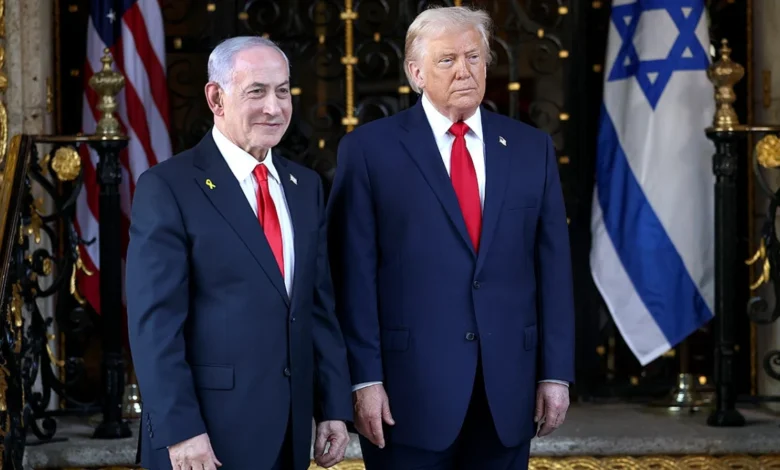
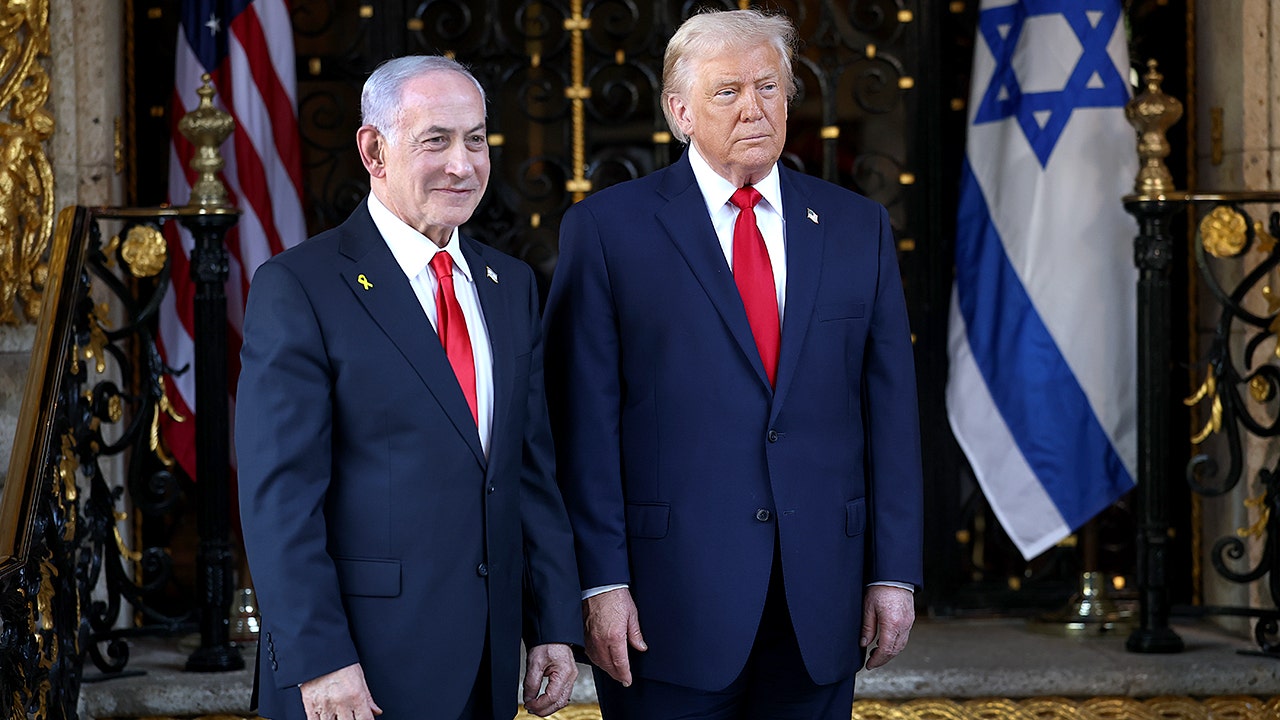
Prime Minister Benjamin Netanyahu underscored Israel’s position on Wednesday, affirming "full coordination" with the United States as negotiations continue. "We share common objectives, and the most important objective is the removal of the enriched material from Iran, all the enriched material, and the dismantling of Iran’s enrichment capabilities," Netanyahu stated at the opening of a security cabinet meeting, emphasizing a zero-tolerance stance on Iranian uranium enrichment. This declaration aligns with Israel’s long-held principle that a nuclear-armed Iran is unacceptable, necessitating a comprehensive approach that goes beyond mere containment.
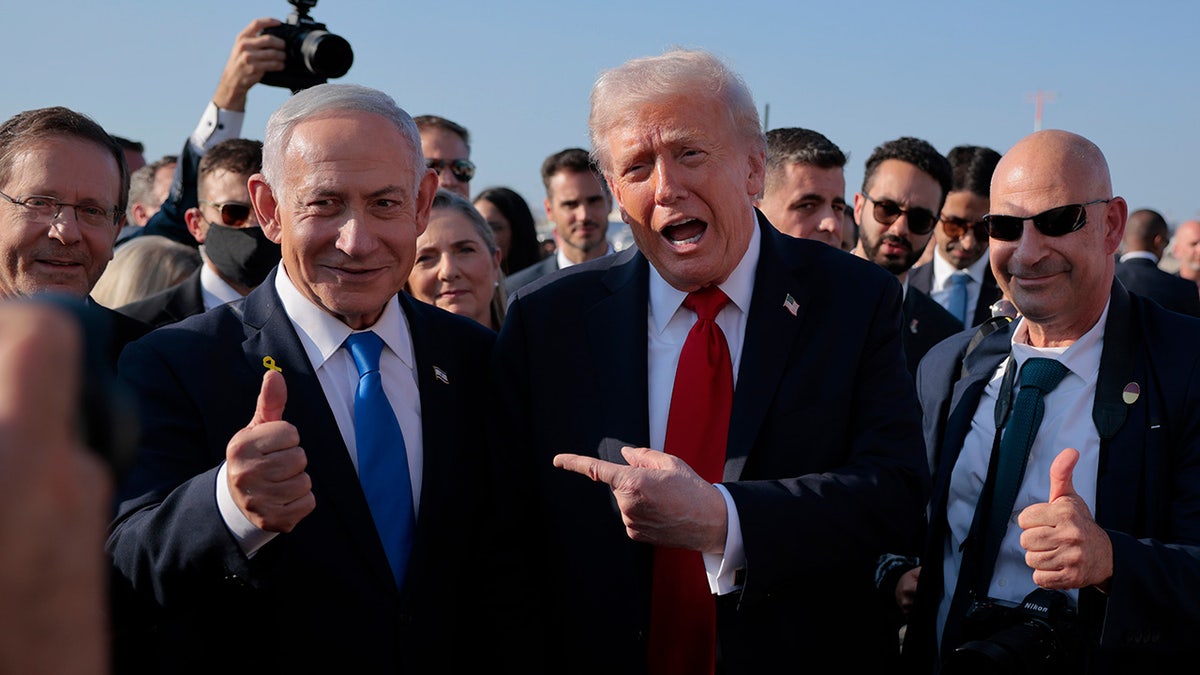
Simultaneously, U.S. President Donald Trump indicated a cautious optimism regarding the talks. "We’ve had very good talks over the last 24 hours, and it’s very possible that we’ll make a deal," Trump told reporters in the Oval Office. However, he also issued a stark warning, noting that if negotiations falter, "we’ll have to go a big step further." This ambiguous statement could imply increased sanctions, military options, or other coercive measures, reflecting the U.S. administration’s dual-track strategy of diplomatic engagement coupled with the threat of escalated pressure.
Jerusalem’s Existential Calculus: Beyond War’s End
For Israel, the impending question transcends merely ending hostilities; it centers on the post-negotiation landscape and whether Iran will emerge weakened or strategically repositioned to rebuild its capabilities. Israeli officials harbor profound fears that a lax agreement could inadvertently allow Tehran to preserve critical strategic assets, gain vital economic relief through sanctions lifting, and subsequently revitalize its regional network of armed groups—such as Hezbollah in Lebanon, Hamas in Gaza, and various Shiite militias in Iraq and Syria—which have historically posed significant threats to Israeli security. Furthermore, Jerusalem seeks ironclad guarantees that any future deal will explicitly preserve its military leverage and freedom of action, ensuring it can unilaterally respond if Iran violates its commitments or progresses towards weaponization.
Against this complex backdrop, Israeli analysts have identified four core areas forming Jerusalem’s non-negotiable red lines: the complete dismantling of Iran’s nuclear enrichment infrastructure, stringent restrictions on its ballistic missile program, the absolute prevention of Tehran rebuilding and funding its proxy forces like Hezbollah and Hamas, and crucially, ensuring the Iranian regime does not gain political legitimacy or strategic relief from the negotiation process itself.
Dismantling the Nuclear Threat: No Enrichment, No Sunsets
On the critical nuclear issue, Israel’s stance remains uncompromising and rooted in a deep-seated historical apprehension of a nuclear Iran. Yaakov Amidror, former Israeli National Security Advisor, articulated this succinctly: "Weaponized uranium must leave Iran. The Iranians must not be allowed to enrich uranium." This demand signifies a far more stringent requirement than merely limiting enrichment levels or stockpiles; it calls for a complete cessation of the enrichment process within Iran’s borders.
Veteran Israeli journalist and commentator Nadav Eyal echoed this sentiment, emphasizing Israel’s pursuit of a far more robust and extensive arms control framework compared to previous agreements, particularly the 2015 Joint Comprehensive Plan of Action (JCPOA). "Israel wants Iran to stop enrichment for as long as possible and for the enriched material to leave Iran," Eyal stated, advocating for "an arms control agreement that would be extensive and robust." This implies a desire for a deal with indefinite duration, devoid of the "sunset clauses" that were a contentious feature of the JCPOA.
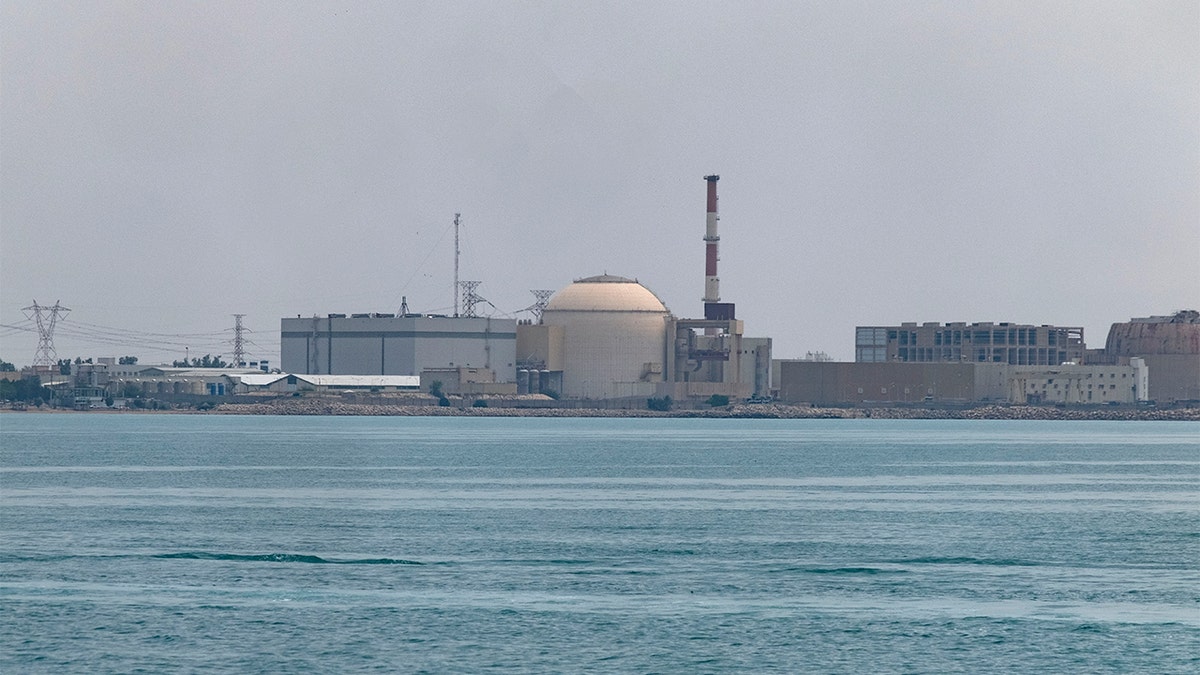
Avner Golov, Vice President of the Mind Israel think tank, further clarified Israel’s demands, telling Fox News Digital that Iran’s underground nuclear infrastructure must be entirely dismantled. "In the nuclear arena, what matters is the removal of the enriched material, the destruction of the underground facilities, including those still being built, and a prohibition on new sites," Golov explained. This targets facilities like Fordow and the fortified underground complex at Natanz, which have been critical to Iran’s enrichment efforts and are designed to withstand conventional attacks. The concern is that these facilities, if left intact, could quickly restart enrichment or serve as clandestine sites for weaponization.
The concept of "sunset clauses" remains a particularly sensitive point for Israel. These clauses, a feature of the JCPOA, allowed certain restrictions on Iran’s nuclear program to gradually expire over time. Golov unequivocally warned against their inclusion in any new agreement: "There must be an agreement without sunsets," he asserted, calling for "unprecedented monitoring and supervision, anywhere, under any conditions and not dependent on Iranian approval." This demand reflects Israel’s conviction that Iran’s nuclear program inherently carries proliferation risks that cannot be mitigated by temporary restrictions.
Jonathan Ruhe, a fellow for American strategy at the Jewish Institute for National Security of America (JINSA), affirmed the alignment of U.S. and Israeli interests on this front. "Ultimately the United States and Israel should have strongly similar redlines for an acceptable deal," he told Fox News Digital, including "shutting down Iran’s nuclear weapons program completely, permanently and verifiably." Ruhe clarified that this goes beyond merely handing over highly enriched uranium, extending to the permanent closure of all enrichment-related facilities, including those implied by intelligence at "Pickaxe" and existing sites like Isfahan. Such measures aim to extend Iran’s "breakout time"—the period it would take to produce enough fissile material for a single nuclear weapon—to an insurmountable length, ideally rendering the pursuit of a weapon technically unfeasible.
The Ballistic Missile Threat: An Equal Concern
Beyond the nuclear file, Israeli analysts emphasize that Iran’s formidable ballistic missile program has ascended to a position of equal, if not greater, centrality in Israel’s security calculus. This perspective reflects the reality that even without a nuclear warhead, Iran’s precision-guided missiles pose an immediate and devastating conventional threat.
"One of the key questions is whether there will be any sort of limitation on the ballistic missile program of the Iranians," Eyal noted. "Israel sees this as no less of an existential threat than the nuclear issue." Iran has invested heavily in developing a diverse arsenal of ballistic and cruise missiles, ranging from short-range tactical missiles to medium-range weapons capable of striking targets across the Middle East and parts of Europe. These include the Shahab series, Sejjil, Emad, and Ghadr, many of which are liquid-fueled and can carry significant payloads. The concern is amplified by Iran’s consistent refusal to negotiate on its missile program, which it considers a cornerstone of its defensive strategy.
Amidror underscored the broader international implications of unchecked missile development: "If there are no restrictions on the missile program, then missiles that today can reach half of Europe will, within five to 10 years, be able to reach the United States." This highlights the dual-use nature of some missile technologies and the potential for proliferation to other states or non-state actors, further destabilizing global security. Iran’s indigenous space launch capabilities are also a point of concern, as the technology required for space launches often overlaps with that for intercontinental ballistic missiles.
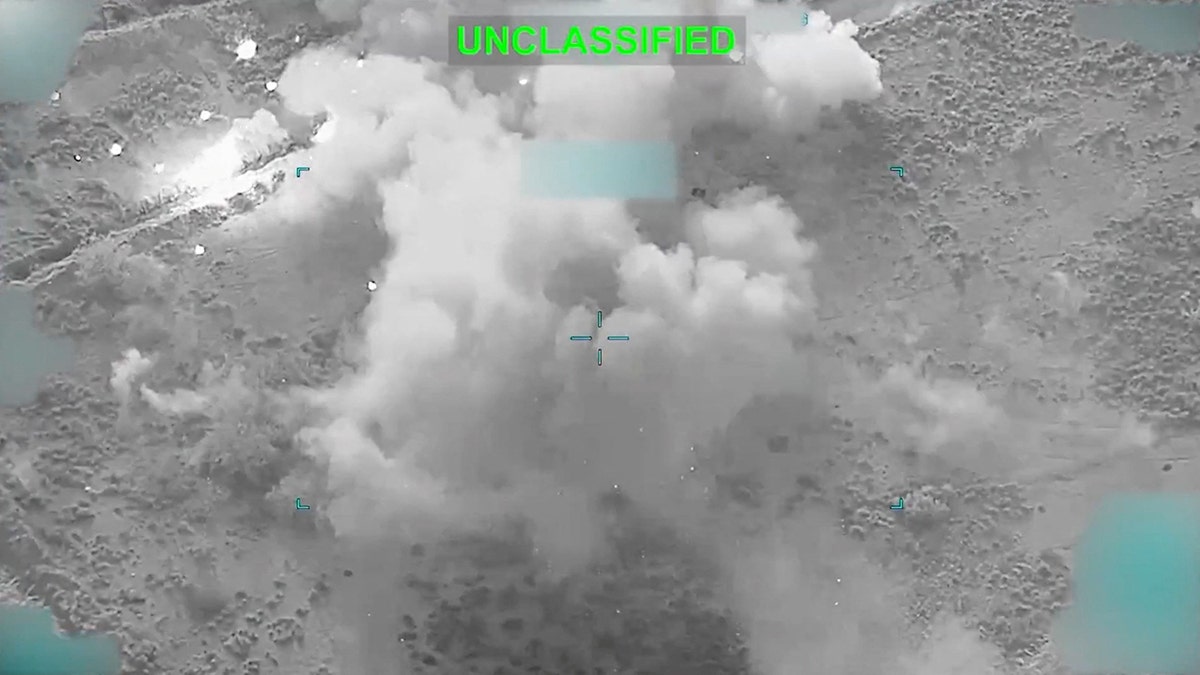
Golov warned that an agreement solely focused on nuclear aspects would dangerously empower Iran. "A deal that focuses only on the nuclear program would allow the Iranians to produce thousands of missiles and create a protective shield around their nuclear program," he argued. This "missile shield" could deter potential strikes against Iran’s nuclear facilities, effectively giving Tehran a deterrent capability even without a nuclear weapon itself, complicating any future military action to prevent proliferation. Ruhe further specified that limiting Iran’s missile arsenal must include preventing the regime from rebuilding its missile production capabilities, many of which have been targeted and damaged during recent regional conflicts or covert operations. This speaks to the need for intrusive inspections and verification mechanisms covering not just existing missiles but also their manufacturing infrastructure.
Proxy Networks: The Regional Destabilizers
Another paramount Israeli concern is the potential for sanctions relief or renewed trade to inadvertently funnel substantial financial resources back into Iran’s extensive network of regional proxies. These groups, often ideologically aligned with Tehran, serve as critical instruments of Iranian foreign policy, projecting its influence and threatening adversaries across the Middle East.
"Israel is demanding that the Islamic Republic isolate itself from involvement with Lebanon and Gaza and stop supporting armed groups that operate against Israel," Eyal explained. The Islamic Revolutionary Guard Corps (IRGC), particularly its Quds Force, is instrumental in training, arming, and funding groups like Hezbollah in Lebanon, which possesses an arsenal of over 100,000 rockets and missiles, and Hamas in the Gaza Strip. Iran also supports various Shiite militias in Iraq and Syria, as well as the Houthi rebels in Yemen, who have demonstrated growing capabilities to disrupt international shipping and target Saudi Arabia and the UAE.
"For Israel, it is a material issue that the money injected into Iran will not be used to rebuild the proxies in the region," Eyal added. Economic sanctions have demonstrably hampered Iran’s ability to fully fund these groups, leading to reports of reduced salaries and supplies. Lifting sanctions without robust mechanisms to prevent funds from reaching these proxies would be seen as a direct threat to Israel’s security, empowering groups committed to its destruction.
Amidror noted that Iran’s ability to effectively support Hezbollah and Hamas has already been weakened by the disruption of crucial regional supply routes, particularly the "land bridge" stretching from Iran through Iraq and Syria to Lebanon. However, he cautioned that if the ongoing negotiations are perceived as a diplomatic victory for Tehran or if Washington appears to back down from its demands, Iran’s regional proxies could paradoxically emerge stronger, emboldened by the perceived validation of the Iranian regime, even if direct financial flows remain somewhat constrained.
Avoiding a ‘Victory Image’ for Tehran: Maintaining Pressure
Finally, Ruhe highlighted Israel’s imperative to prevent any agreement that could restore legitimacy to the Iranian regime without fundamentally weakening its destabilizing behavior. "Avoiding anything that legitimates Iran’s regime and abandons the Iranian people" is critical, Ruhe said, explicitly including "giving guarantees against future attacks or compensating Tehran for wartime damages."
The concern here is multifaceted. Domestically, a perceived diplomatic triumph could bolster the legitimacy of the hardline clerical regime, potentially suppressing internal dissent and consolidating its power. Internationally, it could normalize Iran’s position as a regional power without addressing its malign activities, potentially reducing international pressure on its human rights record and its support for terrorism. Israel is keen to ensure that the regime remains under significant pressure, both economic and political, to deter its aggressive policies.
Ruhe ultimately warned that for Israel, a "bad deal" is any agreement that compromises Israel’s future freedom of action against Iran and its proxies. "This is one big reason Iran wants to ensnare the Trump administration in open-ended negotiations that sideline military options and create daylight between Washington and Jerusalem," he concluded. This perspective underscores the strategic maneuvering at play, where Iran seeks to exploit diplomatic processes to gain time, reduce international isolation, and potentially drive a wedge between the United States and its closest regional ally.
Historical Context: The Shadow of the JCPOA
The current negotiations and Israel’s demands are heavily informed by the experience of the 2015 Joint Comprehensive Plan of Action (JCPOA), signed between Iran and the P5+1 (China, France, Germany, Russia, the United Kingdom, and the United States). The JCPOA aimed to prevent Iran from developing nuclear weapons by imposing stringent limits on its enrichment activities, uranium stockpiles, and centrifuge numbers in exchange for sanctions relief.
From Israel’s perspective, the JCPOA was deeply flawed. While it temporarily rolled back Iran’s nuclear program and extended its breakout time, it contained "sunset clauses" that would gradually lift restrictions over time, potentially allowing Iran to resume advanced enrichment after a decade. Crucially, the deal did not address Iran’s ballistic missile program or its support for regional proxies, which Israel saw as equally dangerous.
President Trump withdrew the U.S. from the JCPOA in May 2018, reimposing a "maximum pressure" campaign of sanctions, arguing that the deal was insufficient and temporary. This withdrawal led to Iran gradually exceeding the JCPOA’s limits on enrichment levels and uranium stockpiles, significantly advancing its nuclear program to levels unprecedented before the 2015 agreement. Iran now enriches uranium to 60% purity, a short technical step away from weapons-grade 90%, and has amassed a substantial stockpile of enriched uranium, far exceeding JCPOA limits. The current negotiations are an attempt to de-escalate this dangerous trajectory and potentially forge a new, more comprehensive agreement that addresses these deficiencies.
International Perspectives and Diplomatic Challenges
The intricate dance between the U.S., Iran, and Israel also involves other significant international actors. European powers (France, Germany, UK), who remained party to the JCPOA after the U.S. withdrawal, generally favor a diplomatic solution that brings Iran back into compliance with nuclear restrictions. However, they share concerns about Iran’s missile program and regional destabilization. The International Atomic Energy Agency (IAEA) plays a crucial role in monitoring Iran’s nuclear activities, and its reports consistently highlight Iran’s breaches of the JCPOA and its limited cooperation with inspectors. Any new deal would require enhanced, intrusive, and verifiable monitoring by the IAEA.
Regional Arab states, particularly Saudi Arabia and the UAE, also share Israel’s anxieties about Iran’s nuclear program and its regional behavior. They often advocate for a more robust and comprehensive agreement that includes missile limitations and addresses proxy activities, and they would likely seek assurances for their own security.
Implications for Regional Security and US Policy
The outcome of these negotiations carries profound implications for regional security and U.S. foreign policy in the Middle East. A successful, robust agreement, as envisioned by Israel, could significantly de-escalate nuclear proliferation risks, reduce the threat of regional conflict, and potentially pave the way for broader stability. However, reaching such a deal will require immense diplomatic skill, as Iran remains resistant to dismantling its nuclear infrastructure, limiting its missile program, or ending support for its proxies, viewing these as integral to its national security and regional influence.
Conversely, a failed negotiation or a weak agreement could lead to several dangerous scenarios. Iran might continue its nuclear advancements, potentially pushing towards weaponization, which would trigger a severe crisis and possibly military intervention. It could also empower Iran’s proxies, leading to increased regional instability and conflict. Furthermore, a perceived divergence between U.S. and Israeli red lines could strain the vital strategic alliance between the two countries, complicating future cooperation on Middle East security issues. The diplomatic tightrope walk demands a delicate balance between engagement and pressure, aiming for a resolution that secures regional peace without compromising the security of Us. allies.
The path forward is fraught with challenges, as the negotiating parties grapple with historical grievances, profound mistrust, and conflicting strategic objectives. Israel’s clear articulation of its red lines serves as a critical benchmark, shaping not only the parameters of any potential deal but also the broader regional debate on how to effectively counter the multifaceted threats posed by Iran.