
Mourinho Says Arrivederci To Roma After Sudden Sacking
Mourinho Says Arrivederci to Roma After Sudden Sacking
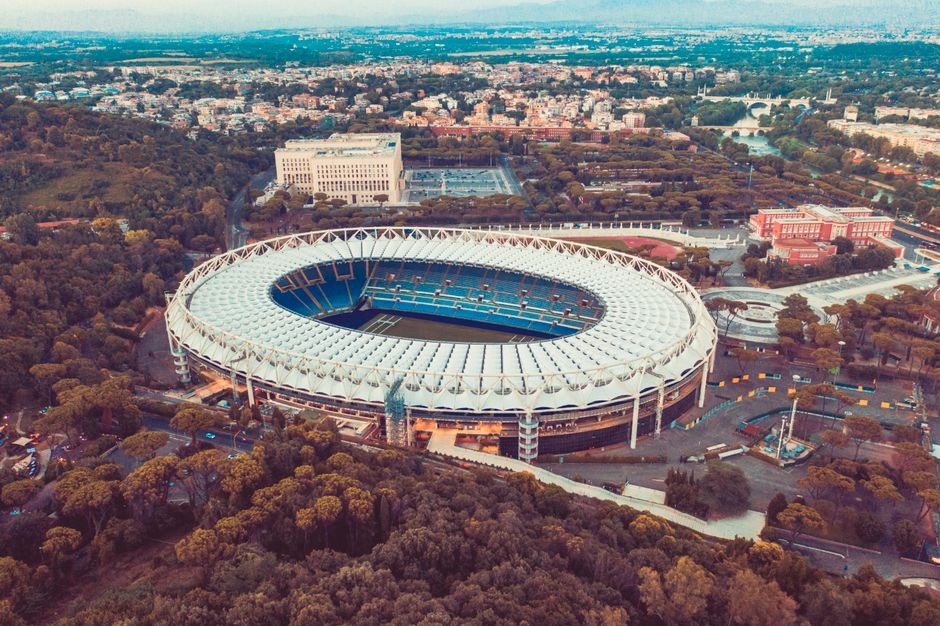
The era of Jose Mourinho at AS Roma has abruptly ended, with the club confirming the Portuguese manager’s dismissal on January 16, 2024. The decision, which sent shockwaves through the footballing world, followed a string of disappointing results and a growing sense of disillusionment among the Giallorossi faithful. Mourinho, a figure synonymous with trophies and dramatic flair, departs Stadio Olimpico after a tenure marked by initial optimism and eventual frustration, leaving behind a mixed legacy and a void in the dugout that will be challenging to fill. The announcement came just days after Roma’s disappointing 3-1 defeat to AC Milan in Serie A, a result that further amplified the pressure on the Special One and his coaching staff. This sacking marks a significant turning point for the capital club, prompting an immediate search for a new manager and a reassessment of their strategic direction.
Mourinho’s appointment in May 2021 was met with widespread excitement. The allure of a serial winner with unparalleled experience in European football was seen as the catalyst Roma needed to re-establish themselves as a force in Serie A and beyond. The Portuguese manager, known for his tactical acumen and his ability to inspire fierce loyalty from his players, promised to bring passion, grit, and ultimately, silverware back to the Eternal City. His first season saw Roma clinch the inaugural Europa Conference League trophy, a significant achievement for the club and a welcome boost to morale. This triumph, though a secondary European competition, was lauded as a stepping stone towards greater success. The trophy parade through Rome was a testament to the renewed hope and connection between the club and its supporters, with Mourinho at the epicenter of this resurgence. He masterfully leveraged the emotional connection with the fanbase, often portraying himself as the guardian of Roman pride against perceived injustices.
However, the subsequent seasons proved to be a stark contrast to the initial optimism. While glimpses of Mourinho’s tactical genius were still evident, particularly in European competitions, Roma struggled to maintain consistency in Serie A. The team often exhibited a defensive resilience that was characteristic of Mourinho’s sides, but a lack of attacking prowess and creativity became increasingly apparent. The inability to consistently break down well-drilled defenses, coupled with a growing number of unforced errors and individual lapses in concentration, contributed to a string of frustrating draws and damaging defeats. The gap between Roma and the established elite of Serie A, namely Napoli, Juventus, and Inter Milan, widened, diminishing the club’s aspirations for a Champions League spot. The transfer market strategy also came under scrutiny, with the club often operating on a limited budget, making it difficult for Mourinho to acquire the players he deemed necessary to elevate the team.
The dynamics within the squad also began to shift, leading to murmurs of discontent and a perceived disconnect between the manager and some key players. While Mourinho often cultivated a siege mentality, rallying his troops against external criticism, this approach appeared to be losing its effectiveness. The public outbursts from the manager, often directed at referees, opposing clubs, or even his own players, while once seen as part of his charismatic persona, started to be perceived as a distraction and a sign of mounting pressure. The team’s performance on the pitch began to mirror this perceived internal turmoil, with a lack of cohesion and a predictable style of play becoming recurring themes. The attacking fluidity that fans craved was conspicuously absent, with the team often relying on individual moments of brilliance rather than a well-orchestrated collective effort.
The decision to sack Mourinho, while sudden, was not entirely unexpected given the recent trajectory of the club. The defeat to AC Milan proved to be the final straw for ownership, who seemingly concluded that a change in leadership was imperative to salvage the season and steer Roma towards their long-term objectives. The club’s statement, typically concise and devoid of emotional sentiment, confirmed the mutual agreement to part ways, emphasizing the need for an immediate change to improve team performance. The phrase "mutual agreement" often serves as a diplomatic euphemism for a managerial dismissal, particularly in high-profile cases where clubs seek to avoid protracted disputes. The timing of the sacking, mid-season and with crucial fixtures on the horizon, highlighted the urgency of the situation and the owners’ commitment to decisive action.
The search for Mourinho’s successor has immediately become the primary focus for AS Roma. Several high-profile names have been linked with the vacant managerial position, ranging from experienced veterans to promising emerging talents. The club will be looking for a manager who can inject a fresh tactical approach, foster a more dynamic and attacking style of play, and effectively manage the club’s transfer dealings within budgetary constraints. Candidates are likely to be assessed not only on their tactical acumen and track record but also on their ability to connect with the passionate Roma fanbase and instill a winning mentality. The pressure to make the right appointment is immense, as it could define the club’s fortunes for years to come. The inherent challenges of managing Roma, a club with a rich history and passionate but demanding supporters, mean that whoever takes the helm will face significant expectations from day one.
Jose Mourinho’s legacy at AS Roma is a complex one. He arrived with immense expectations and delivered a European trophy, a feat that will forever be etched in the club’s history. However, his tenure also highlighted the persistent challenges that have plagued Roma in recent years: inconsistency in Serie A, a reliance on individual brilliance rather than collective fluidity, and the struggle to compete with the financial might of other European giants. His departure leaves a void, not just in the dugout, but in the narrative of the club. The "Special One" brought a unique brand of charisma and an undeniable winning pedigree, but ultimately, the on-field results and the evolving demands of modern football proved to be insurmountable obstacles in his quest for sustained success in the Eternal City. His time at the club, though relatively short, was marked by both highs and lows, leaving an indelible imprint on the Roman footballing landscape.
The impact of Mourinho’s sacking extends beyond the immediate managerial change. It signals a potential shift in Roma’s strategic outlook. The club’s owners, Friedkin Group, have shown a willingness to make decisive, albeit sometimes controversial, decisions. This sacking could be interpreted as a clear indication of their ambition to see Roma consistently compete at the highest level and challenge for domestic and European honors. The next managerial appointment will be a crucial indicator of their long-term vision and their willingness to invest in the squad and infrastructure necessary to achieve those goals. The question now becomes whether they will opt for a manager who prioritizes immediate results and can leverage existing resources, or one who is tasked with a more comprehensive rebuild and a longer-term project. The choice will undoubtedly be scrutinized by fans and pundits alike, and the success of this new chapter will hinge on the wisdom of their selection.
The statistics from Mourinho’s tenure paint a mixed picture. While his win percentage might not be as dominant as in some of his previous roles, the context of Serie A and the resources available to him are important considerations. His defensive organization was often a hallmark of his teams, with Roma frequently exhibiting a sturdy backline and a disciplined structure. However, the offensive output and the ability to create consistent scoring opportunities were areas of concern. The team’s reliance on counter-attacks and set-pieces, while effective at times, often lacked the sustained attacking pressure required to overcome well-organized defenses. The statistical trend over his final season, with a decline in points per game and an increase in goals conceded, undoubtedly contributed to the club’s decision to move on. Analyzing these numbers provides a quantitative perspective on the team’s performance under his guidance, offering insights into where the team fell short.
Furthermore, the public perception of Mourinho at Roma had also begun to sour. The initial adoration that greeted his arrival gradually gave way to a more critical lens. While his passionate defense of the club and his players resonated with a segment of the fanbase, his frequent public criticisms and perceived negativity also alienated others. The pressure to succeed in a league as demanding and tactically astute as Serie A, coupled with the weight of expectation from a historically passionate fanbase, proved to be a formidable challenge. The "Mourinho effect," which had revitalized clubs in the past, appeared to be waning, suggesting that perhaps the footballing landscape, and Roma’s specific circumstances, were not as conducive to his typical managerial approach. The challenge for his successor will be to rebuild trust and foster a positive atmosphere both within the squad and among the supporters.
The legacy of Jose Mourinho at Roma will be debated for years to come. He is a manager who commands attention, inspires strong opinions, and leaves an undeniable mark wherever he goes. While his time at the Stadio Olimpico may have ended prematurely and in disappointment, the Europa Conference League trophy remains a tangible testament to his impact. However, the inability to translate that initial success into sustained domestic and European dominance ultimately led to his departure. The future of AS Roma is now in the hands of new leadership, with the difficult task of finding a manager who can navigate the club’s complexities and guide them towards a brighter future. The farewell to Mourinho is not just the end of an era for the manager, but a pivotal moment for AS Roma, marking a crossroads where the club must redefine its path forward. The search for that path begins immediately, with the hopes and expectations of an entire city resting on the shoulders of the next individual to occupy the demanding role of AS Roma manager.
