Global Indigenous Leaders Confront Land Defense Crises and Digital Extractivism at United Nations Permanent Forum

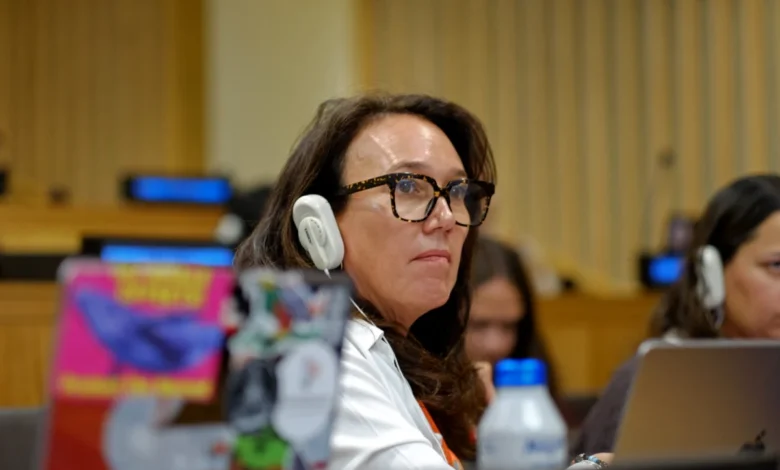
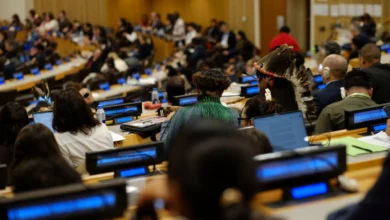
The 25th session of the United Nations Permanent Forum on Indigenous Issues (UNPFII) convened this week at the UN Headquarters in New York, bringing together thousands of delegates, activists, and state representatives to address the deteriorating state of Indigenous rights globally. Under the central theme of "Ensuring Indigenous Peoples’ Health in the context of conflict," the forum highlighted a grim reality: the battle for Indigenous sovereignty is no longer confined to physical territories but has expanded into the digital realm. Leaders warned that the intersection of traditional land theft, state-sponsored criminalization, and the rise of unregulated artificial intelligence (AI) constitutes a multi-front assault on the survival of the world’s approximately 476 million Indigenous people.
The Escalating Crisis of Land Defense and Criminalization
The forum opened against a backdrop of increasing violence against those who protect ancestral territories. According to data presented during the session, Indigenous people account for 31 percent of human rights defenders killed globally in 2023, despite representing only five percent of the total world population. This disproportionate figure underscores the dangers faced by those standing in the way of extractive industries, such as mining, logging, and large-scale agribusiness.
Albert K. Barume, the UN Special Rapporteur on the rights of Indigenous Peoples, delivered a sobering assessment of the situation. He noted that the lack of legally recognized land tenure leaves many communities vulnerable to both corporate encroachment and state-sponsored violence. "There is a crisis Indigenous people are currently experiencing," Barume stated, pointing to the high rates of arrest and the number of leaders forced into hiding. He emphasized that Indigenous land rights are inherent and pre-date the formation of modern states, arguing that governments must stop treating these territories as mere commodities.
The forum heard testimony regarding the "weaponization" of legal systems. In many jurisdictions, anti-terrorism laws and strategic lawsuits against public participation (SLAPPs) are being used to silence dissent. In North America, specifically within the United States and Canada, Indigenous leaders have documented a rise in surveillance and detention related to protests against pipeline projects and resource extraction. Judy Wilson, an elder and knowledge keeper for the British Columbia Native Women’s Association, highlighted how rapid resource development in Canada prioritizes profit over the safety of Indigenous communities, directly contributing to the crisis of Missing and Murdered Indigenous Women and Girls (MMIWG) through the establishment of industrial "man camps."
Conflict and Environmental Displacement in the Sahel
The theme of health in the context of conflict found a poignant resonance in reports from the Sahel region of north-central Africa. Hindou Oumarou Ibrahim, a member of the Mbororo community and former chair of the forum, detailed how the expansion of militant groups has devastated the pastoral sector, which is the backbone of Indigenous livelihoods in the region.
The Global Terrorism Index indicates that the Sahel has become a global epicenter for jihadist activity, which has led to the collapse of traditional governance structures and restricted access to vital resources like water and grazing land. Ibrahim noted that the violence is a daily occurrence, with women and children bearing the brunt of the displacement. The disruption of traditional nomadic routes and the degradation of the environment due to both conflict and climate change have created a public health emergency, where basic survival is now the primary concern for millions.
Digital Extractivism and the AI Frontier
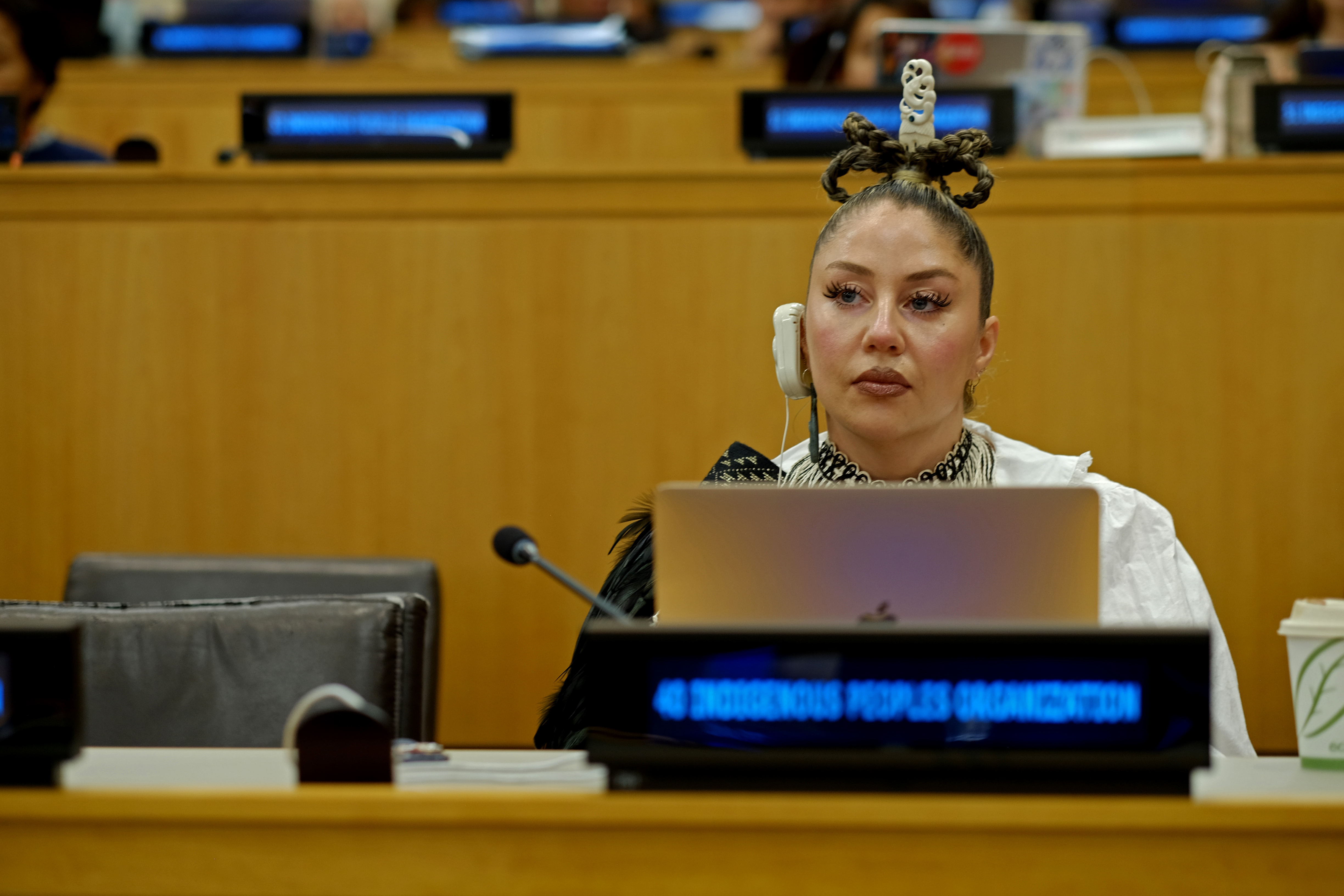
One of the most significant emerging threats discussed at the 25th session was the rise of generative artificial intelligence and its impact on Indigenous data sovereignty. Indigenous leaders warned of a new era of "digital extractivism," where AI systems scrape traditional ecological knowledge, medicinal secrets, and cultural motifs from the internet without the consent of the originating communities.
A study presented by Ibrahim outlined how the AI boom replicates colonial patterns of exploitation. Large language models (LLMs) are often trained on datasets that lack diverse Indigenous representation, leading to algorithmic biases. These biases can result in the misrepresentation of Indigenous identities or the failure of AI systems to accurately process Indigenous languages. Furthermore, the commodification of traditional knowledge—such as the patenting of medicinal plants discovered through AI-driven analysis of Indigenous lore—threatens the intellectual property rights of these nations.
To counter this, a global movement is advocating for "Indigenous Data Sovereignty." This framework asserts that Indigenous nations must have the authority to control how their data is collected, stored, and used. The forum highlighted several successful initiatives, such as the te reo Māori speech recognition tools developed by Te Hiku Media in Aotearoa New Zealand. This project serves as a blueprint for how communities can utilize modern technology while maintaining strict control over their cultural and linguistic assets.
Frameworks for Protection: CARE and OCAP Principles
To address the risks posed by the digital age, Indigenous advocates are pushing for the international adoption of specific ethical frameworks. Two primary models were championed during the forum: the CARE Principles and the OCAP principles.
The CARE Principles—Collective Benefit, Authority to Control, Responsibility, and Ethics—were designed to complement existing "open data" standards by ensuring that the rights of Indigenous peoples are protected in data management. These principles emphasize that data should be used to provide tangible benefits to the community and that Indigenous peoples must retain the ultimate decision-making power over their information.
Similarly, the OCAP principles (Ownership, Control, Access, and Possession), developed by the First Nations of Canada, provide a robust legal and ethical model for data governance. These principles establish that a community owns its data collectively, much like it owns its land. The forum heard from experts like Roimata Timutimu of the Kāhui Raraunga Charitable Trust, who explained how the Māori Data Governance Model is being used to ensure that government agencies in New Zealand handle Māori data in a way that is values-led and culturally appropriate.
The Intersection of Gender-Based Violence and Colonization
The forum also dedicated significant time to reviewing the implementation of the Committee on the Elimination of Discrimination against Women (CEDAW) General Recommendation No. 39. Adopted in 2022, this is the first international legal instrument specifically dedicated to the rights of Indigenous women and girls.
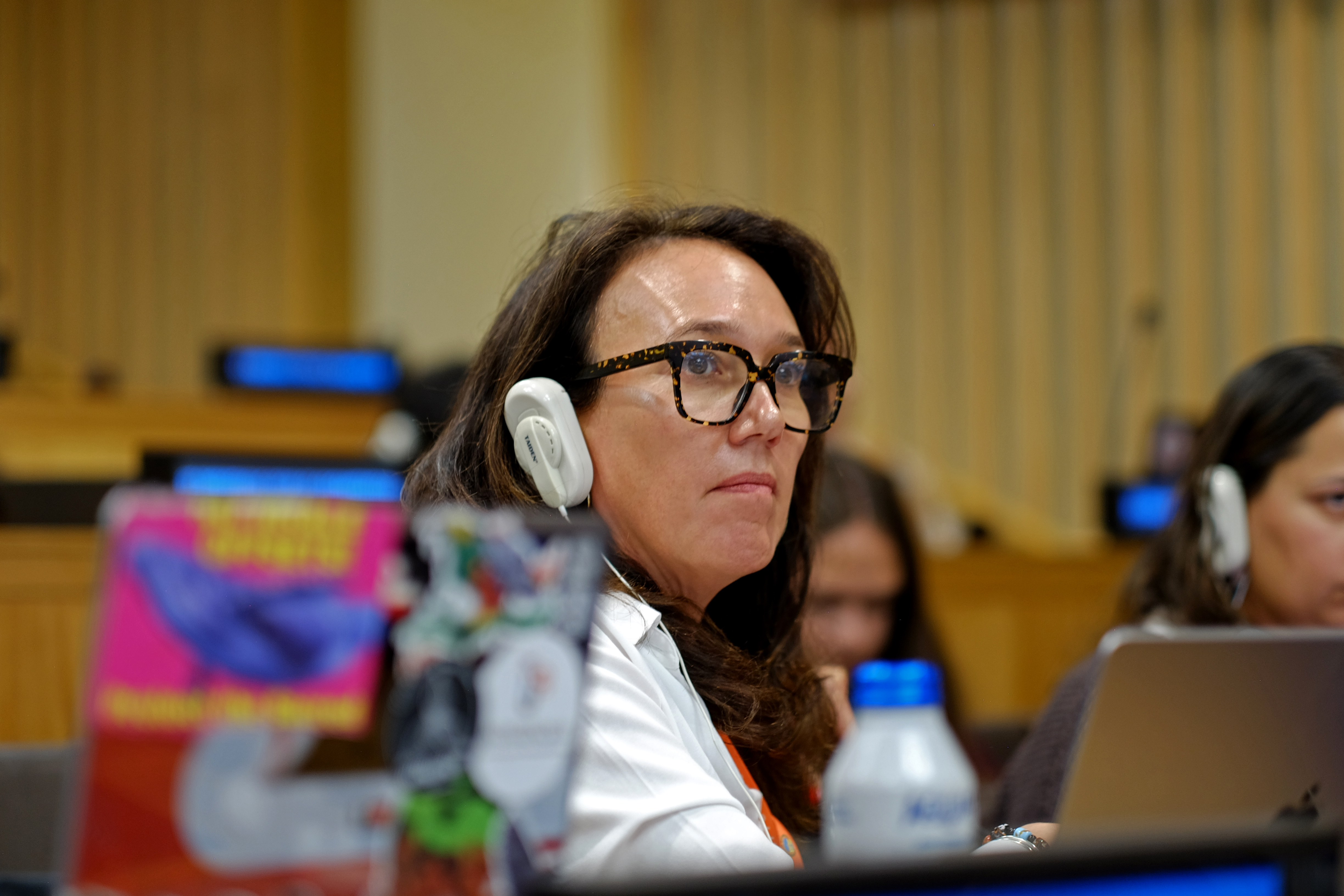
Despite this milestone, delegates reported a staggering gap between international policy and local reality. In Aotearoa New Zealand, for instance, Māori women make up 63 percent of the female prison population, despite Māori representing only about 17 percent of the general population. Furthermore, Māori women are three times more likely to experience intimate partner violence than non-Indigenous women.
Claire Charters, an expert in Indigenous global affairs from Ngāti Whakaue, noted that the debate at the UN often centers on the root causes of this violence. She emphasized the need to examine how colonization has disrupted traditional gender roles and introduced patriarchal structures into Indigenous communities. The forum called on states to provide targeted scholarships, expand financial aid for Indigenous-led education, and dismantle the discriminatory stereotypes that prevent Indigenous girls from reaching their full potential.
Chronology of the UNPFII and the Path Forward
The UN Permanent Forum on Indigenous Issues was established by the Economic and Social Council (ECOSOC) in July 2000, following a long-standing campaign by Indigenous activists for a high-level body within the UN system. Its first session was held in 2002. Since then, it has served as the primary venue for monitoring the implementation of the UN Declaration on the Rights of Indigenous Peoples (UNDRIP), which was adopted in 2007.
The 25th session represents a quarter-century of progress in international law, yet the testimonies delivered this week suggest that the challenges are evolving faster than the protections. The timeline of Indigenous rights at the UN shows a shift from seeking basic recognition to demanding the enforcement of complex rights related to environmental justice, digital privacy, and self-determination.
Analysis: The Integration of Sovereignty
The discussions at the 25th session of the UNPFII reveal a critical shift in the global Indigenous movement. Sovereignty is no longer viewed as a single-issue struggle over land. Instead, it is an integrated concept that encompasses physical territory, bodily autonomy, and digital presence.
The criminalization of land defenders and the "digital extractivism" of AI companies are two sides of the same coin: the unauthorized appropriation of Indigenous assets for external profit. If states continue to treat Indigenous lands as commodities and Indigenous data as "open source" material, the systemic inequities that the UN aims to solve will only deepen.
The broader implication for the international community is that the health and safety of Indigenous peoples are intrinsically linked to the health of the planet. With Indigenous territories containing an estimated 80 percent of the world’s remaining biodiversity, the suppression of Indigenous voices and the theft of their traditional ecological knowledge are not just human rights issues; they are global environmental risks. The 25th session concluded with a clear mandate: international law must evolve to protect Indigenous peoples not only from the violence of the past but from the technological and extractive exploitations of the future.
Related posts: