The Interconnected Crisis of Indigenous Health and Environmental Degradation at the United Nations Permanent Forum on Indigenous Issues

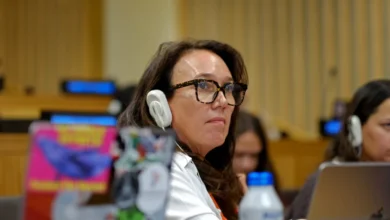
The 25th session of the United Nations Permanent Forum on Indigenous Issues (UNPFII) has convened at the United Nations headquarters in New York, bringing together global leaders, experts, and Indigenous advocates to address a critical and often overlooked intersection: the inextricable link between the health of Indigenous peoples and the integrity of their ancestral lands. During the second day of the forum, a series of landmark studies and expert testimonies underscored a growing consensus that the traditional medical model, which treats health as a matter of clinical access and pharmaceutical intervention, is fundamentally insufficient for Indigenous communities. Instead, experts argued that Indigenous well-being is a holistic concept that encompasses clean water, biodiversity, food sovereignty, and the right to self-determination. When these environmental and political foundations are compromised by extractive industries, armed conflict, or climate change, the resulting "injury" to the land manifests directly as a decline in human health.
The Failure of Fragmented Global Policy
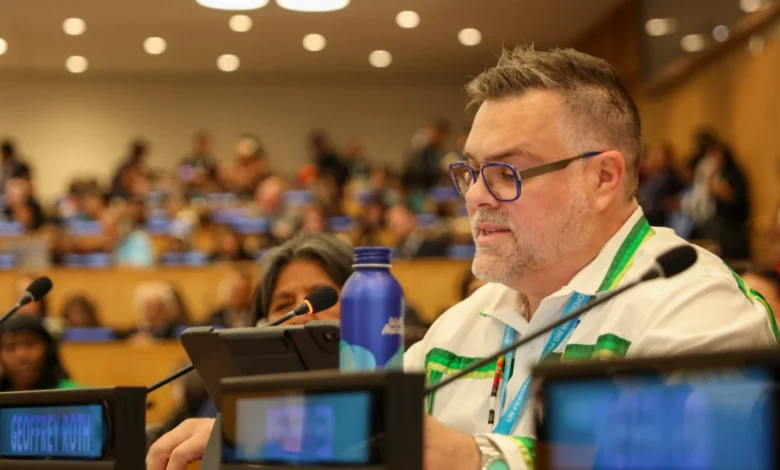
Central to the forum’s discussions was a new study presented by Geoffrey Roth, a Standing Rock Sioux descendant and former member of the Permanent Forum. Roth’s research offers a scathing critique of the current international approach to Indigenous rights. He argues that United Nations agencies have historically operated under a "fragmented approach," treating health, environmental protection, and land rights as separate mandates. This compartmentalization, Roth asserts, has "consistently failed Indigenous Peoples" because it ignores the structural drivers of health inequalities.
For many Indigenous cultures, the distinction between the self and the environment is non-existent. Roth emphasized that health is not merely the absence of disease but the ability to maintain a relationship with the land. "It’s about clean water, healthy forests, traditional foods, and the ability to maintain cultural practices," Roth stated during his presentation. The study positions environmental degradation—such as deforestation, pollution from mining, and the loss of biodiversity—not as external stressors but as direct physical injuries to the community. By failing to address land dispossession and the erosion of Indigenous governance, global health efforts have effectively ignored the root causes of the health crises facing these populations.
Climate Change as a Risk Multiplier and the Rise of Ecological Grief
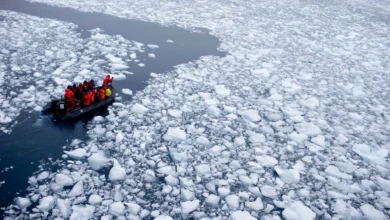
The forum highlighted the role of climate change as a "risk multiplier," a term used to describe how environmental shifts intensify existing biological, social, and ecological pressures. In the Arctic, the impacts are particularly acute. Minnie Grey, the former executive director of the Nunavik Regional Board of Health and Social Services in northern Canada, spoke of the existential threat facing Inuit communities. The disappearance of sea ice and snow does more than alter the landscape; it disrupts the entire food system. Hunters rely on stable ice to reach wildlife that provides essential nutrition. As these traditional food sources become scarce, communities are forced to rely on expensive, processed "store-bought" foods, leading to a spike in metabolic diseases such as diabetes and hypertension.
Furthermore, the environmental crisis is fueling a secondary epidemic: a mental health crisis characterized by "ecological grief" and "climate anxiety." This is especially prevalent among Indigenous youth, who are witnessing the rapid transformation and destruction of ecosystems that have sustained their ancestors for millennia. The loss of traditional weather forecasting systems and the forced relocation of villages—as seen in Alaska following devastating events like Typhoon Halong—sever the spiritual and cultural ties to the land, leading to increased rates of depression and substance abuse. In Alaska, coastal erosion and thawing permafrost have already necessitated the relocation of entire Indigenous communities, a process that compounds health vulnerabilities by stripping people of their autonomy and traditional livelihoods.
Resource Extraction and the Mercury Crisis in the Amazon
The devastating health impacts of extractive industries were a major focal point, with specific attention paid to the Munduruku territory in Brazil. Despite government efforts to crack down on illegal "garimpo" (gold mining), the toxic legacy of these activities persists. Mercury, used in the gold extraction process, has leached into the river systems, bioaccumulating in fish—the primary protein source for the Munduruku.
Reports from the community indicate a surge in mercury-related illnesses, including neurological disorders, childhood paralysis, and cognitive impairments. Beyond the chemical toxicity, the ecological destruction caused by mining—deforestation and the siltation of rivers—has led to an increase in waterborne diseases like diarrhea and skin infections. The situation underscores the forum’s message: you cannot heal the people without healing the river. For Indigenous groups in voluntary isolation or initial contact, such as those in the Colombian Amazon, the threat is even more dire. Ginny Alba Medina, a lawyer from OPIAC, noted that any external intrusion, whether from miners or armed groups, can introduce pathogens to which isolated tribes have no immunity, making land protection a matter of basic survival.
Conflict, Displacement, and the Batwa People
A second study presented at the forum by Hanieh Moghani, Hannah McGlade, and Geoffrey Roth examined the intersection of armed conflict and Indigenous health. The researchers found that conflicts in Indigenous territories are frequently driven by competition over natural resources. When ancestral lands become battlegrounds for state or rebel forces, Indigenous peoples are often the first to be displaced.
A poignant example of this occurs in the Democratic Republic of the Congo (DRC). Just weeks before the forum began, Indigenous Batwa women and children in South Kivu province were subjected to violent attacks by armed groups, including the M23 movement. These attacks are part of a broader pattern of violence intended to seize control of mineral-rich lands. The environmental toll is staggering; analysts report that deforestation in the region has more than doubled since the conflict escalated in 2021, with over 3,000 acres of tree cover lost in 2023 alone.
For the Batwa, the loss of the forest is a death sentence for their traditional way of life. Displacement cuts them off from medicinal plants, sacred sites, and nutritional food sources. The resulting trauma is intergenerational, creating a cycle of poverty and ill health that persists long after the physical violence has ceased.
Regional Case Studies: Salinity in New Zealand and Treaty Rights in Canada
The crisis is global, reaching from the jungles of the Congo to the rivers of New Zealand. Em-Haley Kū kūtai Walker, an artist from the Ngāti Tīpā people, shared how rising sea levels are pushing saltwater into the Waikato River. This increased salinity is killing freshwater fish and destroying the local fisheries that have sustained her people for generations. "My great-great-grandmother said all the waters surrounding our community were once clean," Walker told the forum, illustrating the rapid decline in environmental quality within just a few generations.
In response to these multi-faceted threats, Indigenous leaders are calling for a legal and political shift. Wilton Littlechild, a Cree chief and lawyer, argued that the legal recognition of Indigenous territories is the most effective "medicine" available. He pointed to the United Nations Declaration on the Rights of Indigenous Peoples (UNDRIP) and existing treaties as essential tools for safeguarding health. According to Littlechild, when Indigenous peoples have secure land tenure, they are better able to practice the ecosystem stewardship that maintains biodiversity and, by extension, human health.
The WHO Global Plan of Action and Future Implications
The World Health Organization (WHO) has acknowledged these connections in its draft Global Plan of Action (GPA) on the health of Indigenous people. The draft emphasizes the need for Indigenous-led nature-based solutions and the protection of traditional knowledge. However, in a move that disappointed many advocates, the WHO Executive Board decided in February to delay the consideration of the GPA until 2027 to allow for further consultation.
Advocates at the forum warned that this delay comes at a high cost. As Ruth Mercredi, a traditional healer from Yellowknife, Canada, observed, "Today, we are getting sick of the water, of the food, of the air." The urgency of the situation suggests that the international community cannot afford to wait another three years to align health policies with environmental realities.
The consensus at the 25th session of the UNPFII is clear: the global goals for climate stability and biodiversity conservation are unattainable without the active participation and leadership of Indigenous peoples. More importantly, the health of Indigenous populations will continue to decline as long as global institutions treat the environment as a separate issue from human biology. The path forward requires a coordinated, cross-sectoral approach that respects Indigenous sovereignty and recognizes land rights as a fundamental determinant of health. As the forum concludes, the challenge remains for U.N. member states to translate these testimonies into binding policies that protect the "health of the land" as the primary prerequisite for the health of its people.
Related posts: