
Taylor Mania Hits Tokyo As Swift Resumes Tour Before Super Bowl
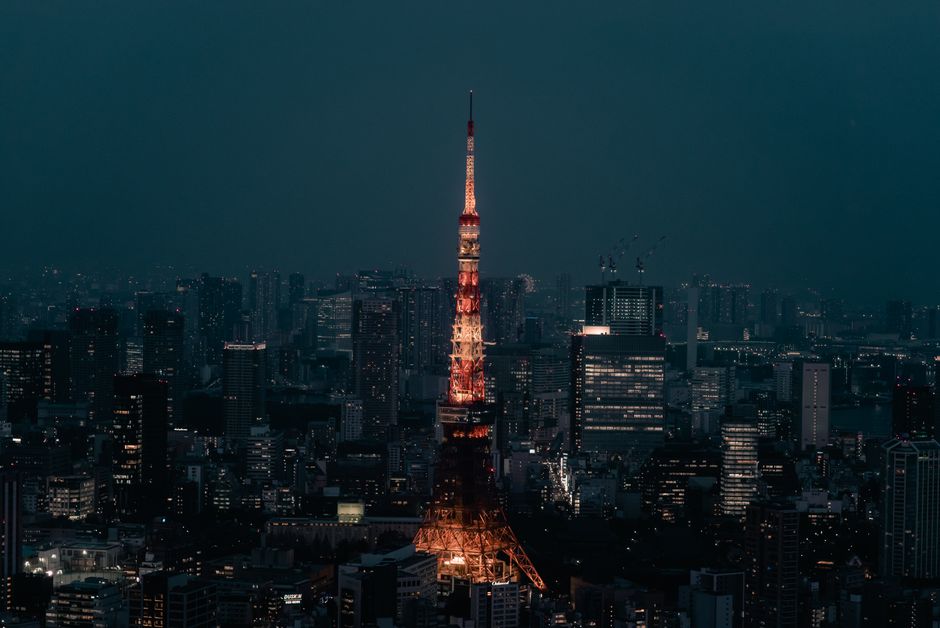
Taylor Mania Hits Tokyo: Swift Resumes Tour Before Super Bowl Reignites Global Phenomenon
Taylor Swift’s "Eras Tour" has touched down in Tokyo, Japan, marking a pivotal moment as the global music phenomenon resumes its unprecedented journey. The four-night engagement at the Tokyo Dome, strategically scheduled just days before the Super Bowl LVIII, injects another surge of excitement into an already feverish fanbase and solidifies Swift’s unparalleled dominance in the current entertainment landscape. This return to the international stage is not merely a series of concerts; it’s a meticulously orchestrated chapter in a global narrative, amplified by social media buzz, economic impact, and the unwavering devotion of "Swifties" worldwide. The Tokyo dates, in particular, serve as a crucial precursor to her highly anticipated return to the United States for the latter half of her tour, underscoring the international scope and long-term strategic planning behind the "Eras Tour."
The sheer scale of the "Eras Tour" itself is a testament to Swift’s enduring appeal and meticulous business acumen. Breaking records previously thought unassailable, the tour has generated billions in revenue and has become a significant driver of local economies in every city it visits. Tokyo, a city accustomed to hosting world-class events, is experiencing its own unique brand of "Taylor Mania." Hotels are reportedly at capacity, demand for merchandise is soaring, and the city’s transportation infrastructure is bracing for the influx of fans. This economic ripple effect is a predictable yet always impressive consequence of Swift’s touring power, demonstrating her influence far beyond the music charts. The meticulous planning involved in coordinating such a massive global undertaking, especially with the added pressure of pre-Super Bowl timing, highlights the sophisticated operational machinery that supports Swift’s career.
Swift’s decision to schedule these Tokyo dates so close to the Super Bowl is a calculated move. While not directly involved in the NFL’s marquee event, the proximity allows her to leverage the intense media attention surrounding the football spectacle. This strategic placement ensures that her tour, and by extension her brand, remains at the forefront of global conversation. The Super Bowl, with its massive viewership, often becomes a cultural touchstone, and by extension, any major entertainment news leading up to it gains amplified visibility. Swift’s team understands this synergy, using the pre-Super Bowl window to re-ignite international fan engagement and build anticipation for her upcoming US stadium dates. This demonstrates a keen awareness of media cycles and the power of strategic timing in maintaining a constant presence in the public consciousness.
The "Eras Tour" is more than just a concert; it’s a cultural phenomenon celebrating Swift’s diverse discography, divided into distinct "eras" representing different albums and musical periods of her career. Each show is a meticulously crafted journey through her evolution as an artist, featuring costume changes, elaborate stage productions, and a setlist that spans her entire musical output. The Tokyo shows are no exception, offering Japanese fans an immersive experience that has captivated audiences across continents. The dedication to showcasing the breadth of her musical catalog resonates deeply, allowing long-time fans to reminisce and new fans to discover the depth of her artistry. This comprehensive approach to her career retrospective is a key factor in the tour’s enduring appeal.
Beyond the music, the social and cultural impact of the "Eras Tour" is undeniable. "Swifties" have transformed attending a concert into a communal experience, fostering online communities, organizing fan projects, and even creating their own subcultures around the tour. The economic impact extends beyond ticket sales, influencing fashion trends, travel planning, and even contributing to discussions about gender equality and female empowerment. Swift has become an influential figure, her lyrics and public persona often interpreted as reflections of broader societal shifts and aspirations. The global reach of her fanbase means that the reverberations of her tour are felt in diverse cultural contexts, from the intricate fan etiquette in Japan to the enthusiastic singalongs in South America.
The logistical challenges of staging a tour of this magnitude are immense. Coordinating international travel for a large production crew, managing visa requirements, and ensuring the seamless operation of advanced stage technology across different continents requires unparalleled logistical expertise. The Tokyo leg of the tour is a testament to the immense planning and execution capabilities of Swift’s team. From the intricate set design and costume changes to the sophisticated sound and lighting systems, every element is designed to create a flawless and memorable experience for the audience. The successful execution of these complex operations in a city as demanding as Tokyo underscores the professionalism and dedication of everyone involved in making the "Eras Tour" a reality.
The economic implications of the "Eras Tour" in Tokyo are significant. Local businesses, from hotels and restaurants to transportation services and retail outlets, are experiencing a substantial boost in revenue. The sheer volume of international visitors drawn to the city specifically for these concerts represents a significant injection of capital into the Japanese economy. This "Swift Effect" is a documented phenomenon, demonstrating the power of a single artist to drive substantial economic activity on a global scale. Understanding this economic impact is crucial for appreciating the full scope of Swift’s influence beyond the entertainment industry.
The fan experience at the "Eras Tour" is a critical component of its success. "Swifties" are known for their dedication, creativity, and strong sense of community. The Tokyo shows are a microcosm of this global fandom, with fans engaging in pre-show rituals, trading friendship bracelets (a now-iconic tour tradition), and celebrating their shared passion for Swift’s music. This communal aspect transforms each concert into a unique and shared experience, reinforcing the emotional connection between the artist and her audience. The dedication of fans to engage in these elaborate preparations and celebrations highlights the deep personal connection they have with Swift and her music.
The strategic timing of the Tokyo concerts leading up to the Super Bowl is a masterstroke in public relations and marketing. While the NFL’s championship game commands immense attention, Swift’s presence in a major international market ensures that her narrative continues to be woven into the broader cultural conversation. This preemptive strike on the global stage amplifies her visibility and reinforces her position as a dominant force in entertainment. The ability to leverage major cultural events to maintain and even enhance her own brand visibility demonstrates a sophisticated understanding of the modern media landscape.
The "Eras Tour" is a meticulously crafted celebration of Taylor Swift’s extensive career, and the Tokyo shows are a vital part of that ongoing narrative. As she continues her global journey, the impact of these concerts resonates far beyond the stages of the Tokyo Dome, solidifying her status as a cultural icon and a formidable economic powerhouse. The dedication to showcasing the evolution of her artistry, combined with the unparalleled engagement of her fanbase, creates a touring spectacle that continues to captivate and inspire audiences worldwide. The successful execution of such ambitious international engagements underscores the strategic brilliance and operational excellence that define Taylor Swift’s enduring global appeal.
