Indigenous Leaders at the United Nations Challenge Global Powers Over Persistent Defiance of International Climate Rulings

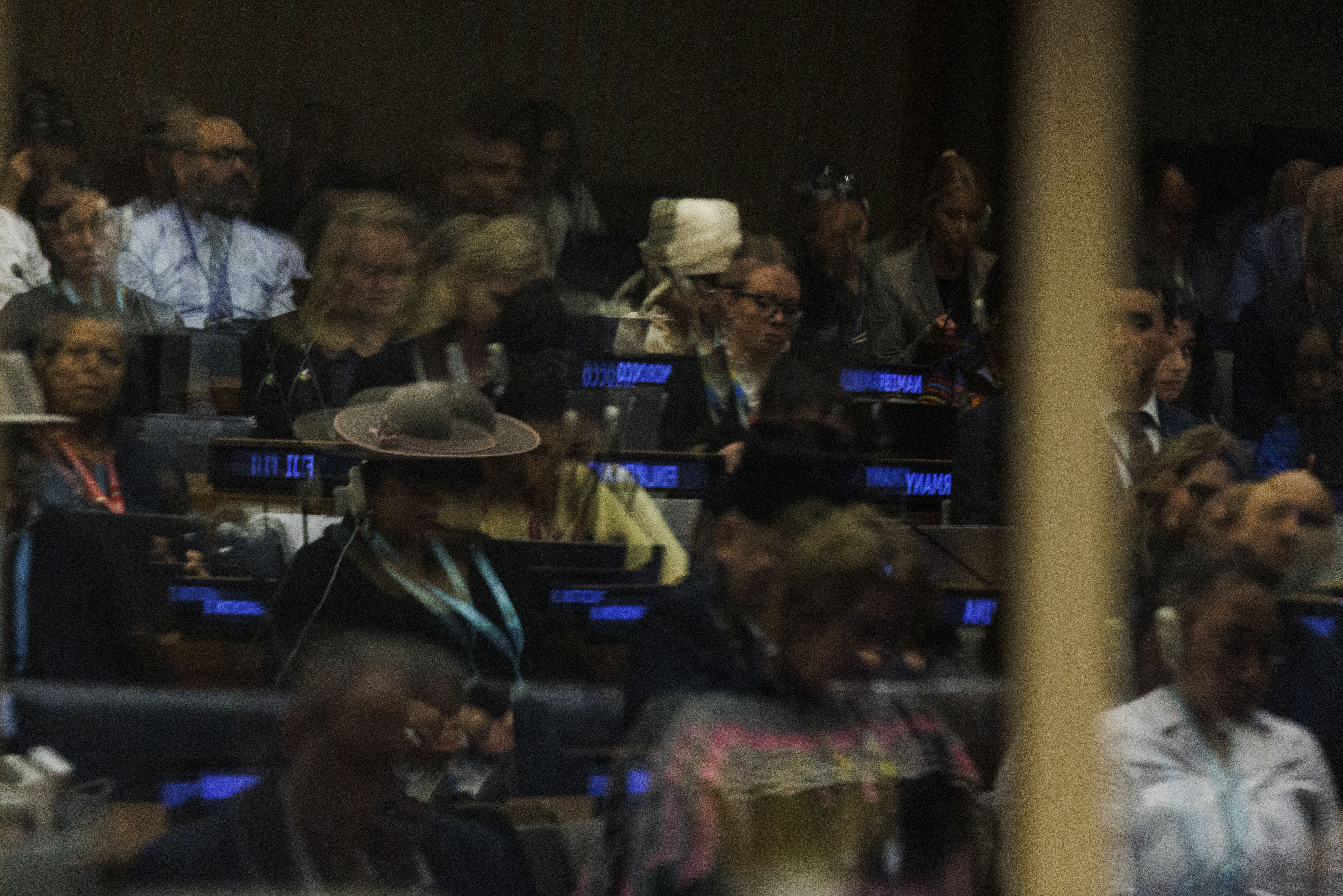
The halls of the United Nations in New York have become a battleground for the future of international law as Indigenous leaders and environmental advocates demand an end to what they describe as "state-sponsored lawlessness" regarding climate obligations. At the 2026 United Nations Permanent Forum on Indigenous Issues (UNPFII), delegates from the Pacific, the Amazon, and the Arctic have presented a unified front, questioning the utility of the world’s highest courts when their landmark rulings are systematically ignored by the very governments bound by them. The central tension of the forum revolves around a growing "implementation gap"—the chasm between progressive legal victories in international tribunals and the continued expansion of fossil fuel extraction and mining on Indigenous territories.
While 2025 and early 2026 saw a series of historic legal triumphs for climate justice, the reality on the ground remains grim. In the Pacific, Indigenous communities are grappling with super-typhoons of unprecedented intensity, fueled by warming sea surface temperatures. In the Amazon basin, mining operations are encroaching further into protected lands, and in the Andean foothills of Ecuador, oil pumps continue to operate in direct violation of domestic and international court orders. The frustration expressed at the UNPFII highlights a critical turning point in global climate governance: the transition from establishing legal principles to enforcing them.
The Landmark Rulings of 2025: A New Legal Frontier
To understand the current crisis of enforcement, one must look back at the significant legal shifts that occurred over the past eighteen months. Last year, the International Court of Justice (ICJ) issued a historic advisory opinion that fundamentally altered the landscape of climate litigation. The court ruled that state governments contributing significantly to greenhouse gas emissions are legally accountable for the resulting harm caused to other states, specifically highlighting the existential threat to small island nations. This opinion established, for the first time at the highest judicial level, that climate action is not merely a matter of policy preference but a binding legal obligation under international law.
Following closely behind the ICJ, the Inter-American Court on Human Rights (IACHR) issued an even more prescriptive decision. The IACHR called on governments across the Americas to not only reduce fossil fuel emissions but to actively integrate Indigenous traditional knowledge into their national climate strategies. The court recognized that Indigenous peoples are the primary guardians of the world’s most critical carbon sinks and that their exclusion from policy-making constitutes a violation of human rights.
These rulings were initially hailed as "instruments of power" by advocacy groups like Land is Life. Luisa Castañeda-Quintana, the group’s executive director, emphasized to the UNPFII that these opinions are meant to be leveraged at every level of government. However, as 2026 progresses, the optimistic rhetoric of legal scholars is being tested by the pragmatic refusal of industrialized and resource-rich nations to alter their economic trajectories.
The Paradox of Green Justice in Ecuador
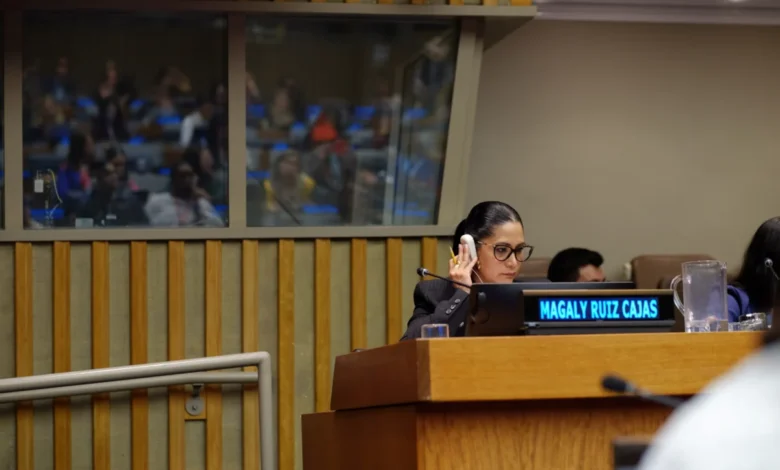
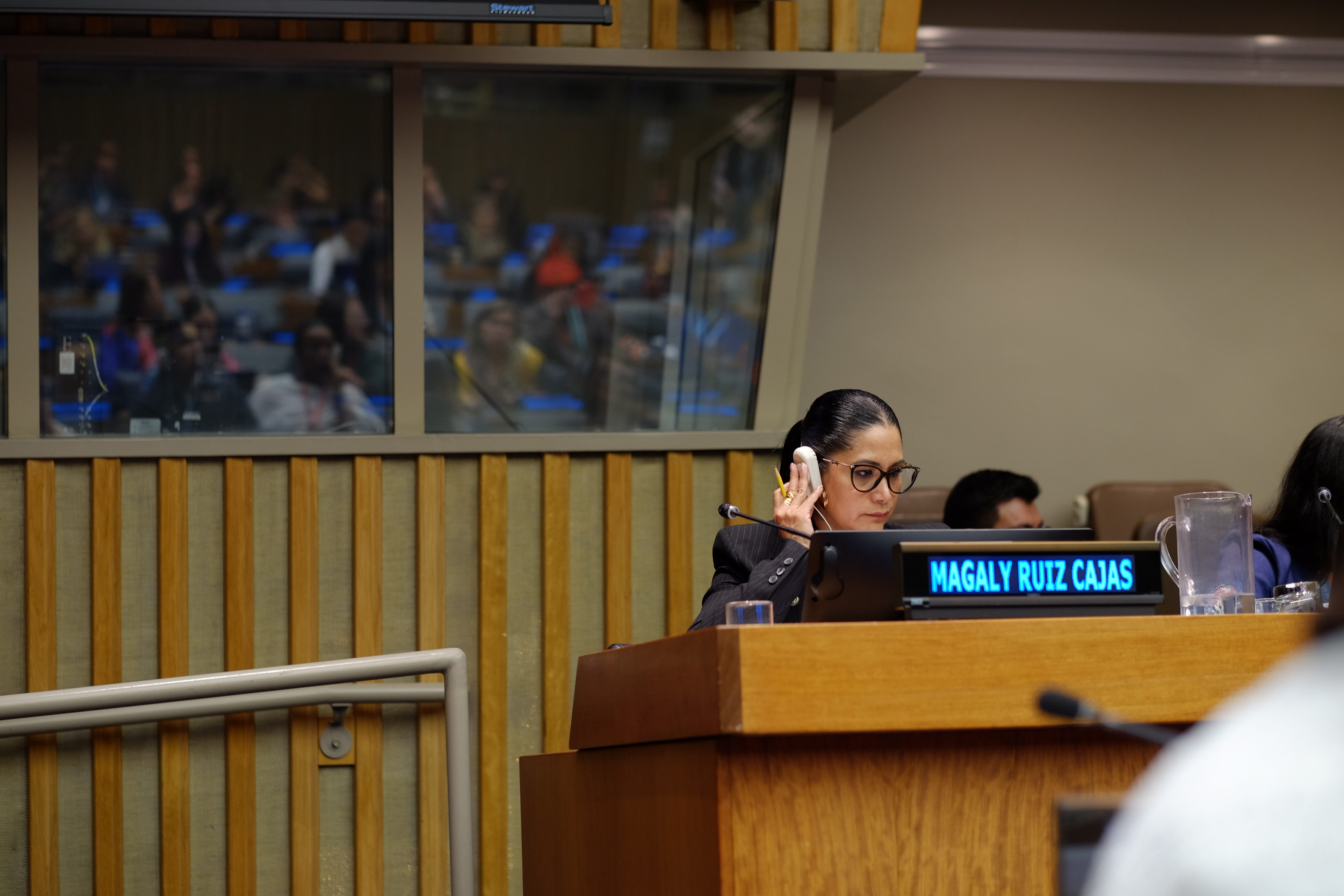
Ecuador serves as the primary case study for the failure of legal frameworks to protect Indigenous rights. The country was a global pioneer in environmental law, being the first to recognize the "Rights of Nature" in its 2008 Constitution. Despite this, the gap between the written law and industrial practice has widened. Magaly Ruiz Cajas, a member of Ecuador’s Judiciary Council, noted at the forum that while "green justice" is a constitutional obligation, the executive and legislative branches have frequently bypassed judicial restraints.
The situation reached a boiling point in early 2026. Despite a 2011 ruling regarding the pollution of the Vilcabamba River and subsequent orders to halt oil extraction in sensitive Amazonian blocks, the Ecuadorean government has moved in the opposite direction. In February 2026, lawmakers passed a sweeping reform package designed to accelerate mining investments. The law significantly weakened environmental impact assessment requirements and simplified the process for companies to obtain licenses on Indigenous lands.
Juan Bay, president of the Waorani Nation, informed the UN forum that these legislative moves are "incompatible with climate action." He highlighted the plight of Indigenous peoples living in voluntary isolation, whose very existence is threatened by the encroachment of oil wells and the infrastructure that supports them. The human cost of this defiance is high; land defenders in Ecuador have faced an escalation of targeted violence, with several high-profile killings reported in late 2025 and early 2026.
Geopolitical Friction and the Vanuatu Resolution
The struggle for enforcement is not limited to the domestic courts of South America; it has triggered a major diplomatic rift at the United Nations General Assembly. Earlier this year, the Republic of Vanuatu, leading a coalition of more than a dozen climate-vulnerable states, introduced a resolution to "operationalize" the ICJ’s advisory opinion. The resolution calls for a concrete timeline for the phase-out of fossil fuels and the establishment of a formal mechanism for climate reparations.
The response from the world’s largest economies was swift and, in some cases, hostile. The administration of U.S. President Donald Trump issued a directive to American embassies worldwide, characterizing the Vanuatu resolution as a "charade" and "disturbing." Washington has urged other nations to reject the resolution, arguing that climate policy should remain a matter of national sovereignty rather than international judicial oversight.
This diplomatic pressure resulted in the postponement of the General Assembly vote on the resolution, which is now scheduled for May 2026. Joie Chowdury, an attorney with the Center for International Environmental Law (CIEL), argued at the UNPFII that this delay is a tactic to dilute the legal clarity provided by the ICJ. "The law is clear," Chowdury stated. "What is missing is the political will to translate that clarity into action."
The North American Context: Flooding and Treaty Violations
The crisis of implementation is also visible in the Global North. In Northern Ontario, Canada, the Attawapiskat and Kashechewan First Nations are currently enduring a cycle of climate-driven disasters. Record-breaking spring floods in 2026 have forced large-scale evacuations and contaminated local water supplies, leaving communities in what leaders describe as a "permanent state of emergency."
Ryan Fleming of the Attawapiskat First Nation told the forum that the environmental crisis is inseparable from Canada’s failure to honor its treaty obligations. "We are in 2026, and our people are living in poverty while the land around us is exploited," Fleming said. He argued that when the state fails to mitigate the impacts of climate change on Indigenous lands, it is effectively committing a human rights violation by rendering those lands uninhabitable. The intersection of environmental degradation and the "implementation gap" of treaty rights has created a humanitarian crisis in a nation that often portrays itself as a leader in Indigenous reconciliation.
Aotearoa and the Māori Perspective
In Aotearoa New Zealand, the Māori people are facing similar challenges. Despite the country’s reputation for integrating Indigenous perspectives through the Treaty of Waitangi, Janell Dymus-Kurei of the National Iwi Chairs Forum Pou Tikanga highlighted a lack of practical support for Māori-led climate adaptation. As stronger storms batter coastal Māori lands, the government’s response has been criticized as insufficient and culturally insensitive.
Dymus-Kurei suggested that international forums and courts are "underused opportunities" for Indigenous nations to bypass uncooperative domestic governments. By bringing their cases to the global stage, groups like the National Iwi Chairs Forum hope to create a "pincer movement" of legal pressure—combining domestic litigation with international diplomatic scrutiny.
Analysis: The Rise of Global Climate Litigation
The current friction at the UN underscores a fundamental shift in how climate change is being addressed. For decades, the primary mechanism for climate action was voluntary participation in international agreements like the Paris Accord. However, the lack of progress has led to the "judicialization" of climate change.
Data from the Grantham Research Institute on Climate Change and the Environment shows that the number of climate-related lawsuits has more than doubled globally since 2017. Indigenous peoples are plaintiffs in a significant and growing percentage of these cases. The strategy is clear: if governments will not lead through policy, they must be compelled through law.
The upcoming months will be pivotal. The African Court on Human and Peoples’ Rights is currently deliberating on a case regarding climate-related displacement, which could set a precedent for how governments across the African continent must manage internal migration caused by environmental collapse. This adds to the growing body of "jurisprudence of the earth" that is emerging from regional and international courts.
Implications for Global Governance
The debate at the UNPFII suggests that the era of symbolic legal victories is coming to an end. Indigenous leaders are no longer satisfied with "advisory" opinions that lack teeth. There is a growing demand for the creation of an international enforcement body or a "Climate Court" with the power to impose sanctions on states that fail to meet their obligations.
The implications for multinational corporations are equally significant. As international law begins to recognize state accountability, the legal "veil" that protects extractive industries is thinning. Rulings that mandate the incorporation of Indigenous knowledge and the protection of carbon sinks could eventually lead to a global standard for "free, prior, and informed consent" that is legally binding and enforceable across borders.
As the UNPFII concludes its current session, the message from the world’s Indigenous peoples is one of weary persistence. They have won the intellectual and legal arguments in the highest courts of the land; now, they face the much more difficult task of forcing a recalcitrant global order to obey its own laws. As Ryan Fleming noted, the international mechanisms are there—the question remains whether the world’s most powerful nations will allow them to function, or if they will continue to prioritize short-term industrial gain over the survival of the planet’s most vulnerable populations.
Related posts: