Understanding Vibrio Bacteria: Risks, Climate Impacts, and the Evolving Science of Coastal Safety

Vibrio bacteria, a genus of Gram-negative, comma-shaped bacilli, have inhabited the Earth’s aquatic environments for hundreds of millions of years, yet they are increasingly becoming a focal point of modern public health concern. While the majority of the more than 70 identified species of Vibrio are benign components of marine ecosystems, a handful of pathogenic strains pose significant risks to human health. These microorganisms thrive in warm, brackish environments—areas where freshwater meets the sea, such as estuaries, bays, and coastal lagoons. By attaching themselves to the chitinous shells of microscopic plankton and algae, Vibrio bacteria integrate into the marine food web, eventually accumulating in high concentrations within filter-feeding organisms like oysters, clams, and mussels. For humans, the path to infection typically follows two distinct routes: the consumption of raw or undercooked seafood, or the exposure of open wounds to contaminated seawater.
The Biological Profile: Distinguishing Between Pathogenic Strains
To understand the public health threat, it is essential to distinguish between the two primary species responsible for the majority of human illnesses in the United States: Vibrio parahaemolyticus and Vibrio vulnificus. Each presents a different clinical profile and level of severity.
Vibrio parahaemolyticus is the most common cause of vibriosis. It is primarily associated with gastrointestinal distress, often referred to as "seafood poisoning." When ingested through raw oysters or inadequately cooked shellfish, the bacteria colonize the intestinal tract. Symptoms usually manifest within 24 hours and include watery diarrhea, abdominal cramping, nausea, vomiting, fever, and chills. While the experience is often debilitating, most healthy individuals recover within three to five days without the need for intensive medical intervention.
In contrast, Vibrio vulnificus is rare but exceptionally virulent. Often sensationalized in the media as "flesh-eating bacteria," this strain can cause necrotizing fasciitis, a severe infection where the flesh surrounding an open wound begins to decay. If V. vulnificus enters the bloodstream, it can trigger primary septicemia—a systemic infection with a staggering fatality rate of approximately 50 percent. This strain is particularly dangerous because it can invade the body through microscopic abrasions, such as a pinprick from a fishing hook or a small scrape from a seashell. In vulnerable populations, the progression from initial exposure to septic shock and death can occur in as little as 24 to 48 hours.
A Statistical Overview: The Growing Burden of Vibriosis
According to data from the Centers for Disease Control and Prevention (CDC), an estimated 80,000 cases of vibriosis occur annually in the United States. Of these, approximately 52,000 are attributed to the consumption of contaminated food. While the majority of these cases result in recovery, the bacteria are responsible for an average of 100 deaths and 800 hospitalizations each year.
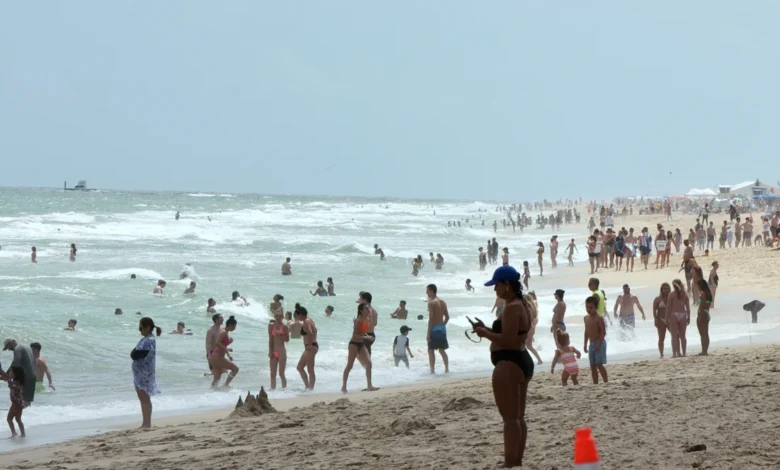
Florida serves as the national epicenter for Vibrio activity, largely due to its extensive coastline and warm subtropical climate. The Indian River Lagoon, a 156-mile-long estuary on Florida’s Atlantic coast, accounts for nearly 20 percent of the state’s reported cases. This region is a popular destination for recreational fishing, boating, and wading, which increases the frequency of human-water interactions. Nationally, the "Vibrio season" spans from May to October, coinciding with the peak of summer tourism and the warmest water temperatures of the year.
The Climate Catalyst: Shifting Geographic Boundaries
The rising incidence of Vibrio infections is inextricably linked to global climate change. The world’s oceans have absorbed more than 90 percent of the excess heat generated by greenhouse gas emissions, leading to a steady increase in sea surface temperatures. Vibrio bacteria are highly temperature-sensitive; they become metabolically active when water temperatures exceed 60 degrees Fahrenheit (15 degrees Celsius) and multiply exponentially as temperatures climb toward 80 degrees Fahrenheit.
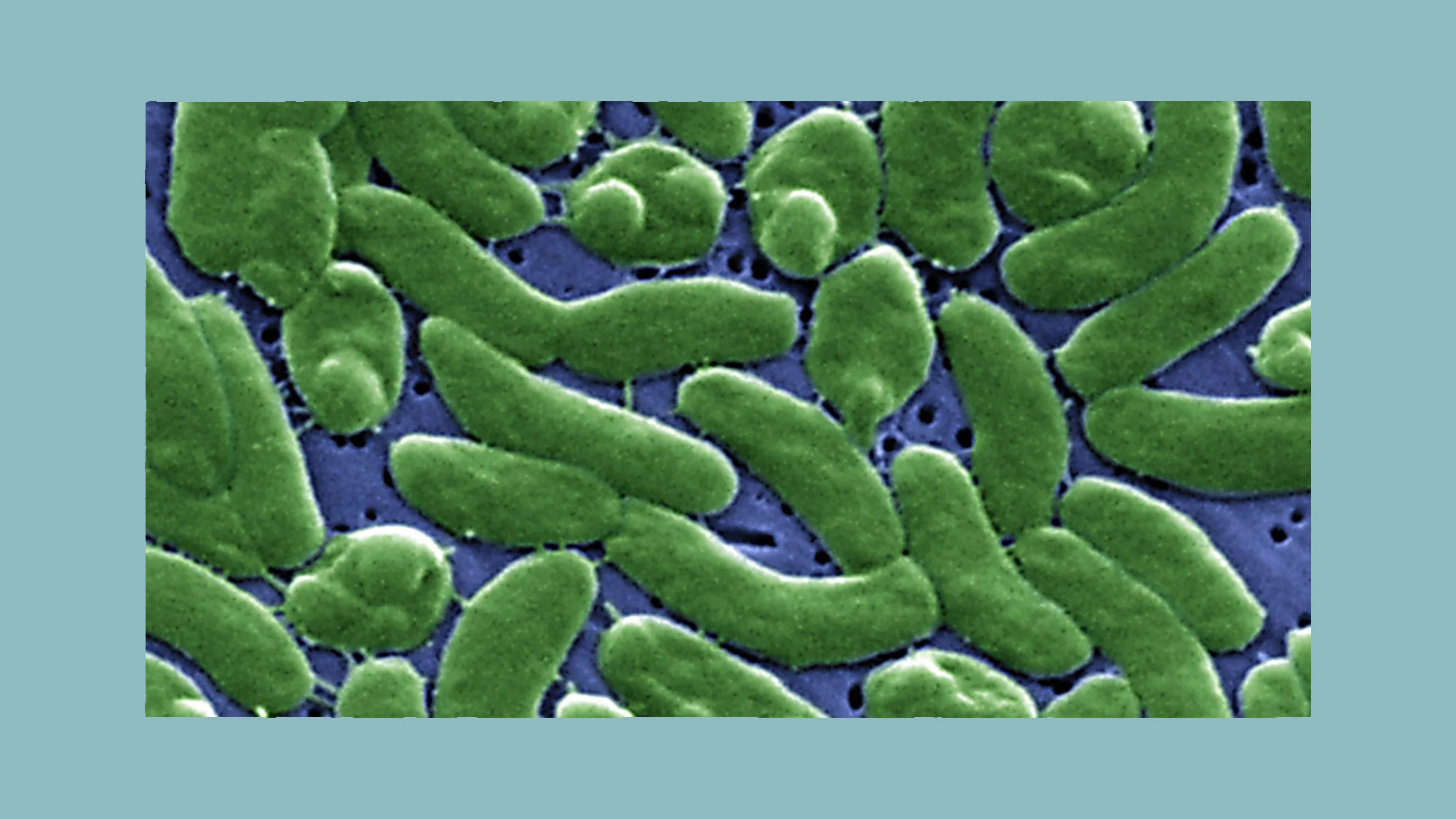
Historically, Vibrio was considered a regional concern limited to the Gulf of Mexico and the South Atlantic. However, as coastal waters warm, the bacteria are migrating northward. In recent years, significant outbreaks have been recorded in the Pacific Northwest and as far north as the waters of New York, Connecticut, and Massachusetts—regions where the water was once too cold to support high concentrations of the pathogen. This expansion serves as a biological "canary in the coal mine," signaling profound shifts in marine ecology and the increasing vulnerability of northern coastal communities.
Chronology of Crisis: Hurricanes Helene and Milton
The 2024 hurricane season provided a stark illustration of how extreme weather events exacerbate the risk of Vibrio exposure. When Hurricane Helene and Hurricane Milton struck the Florida coast in rapid succession, they created a "perfect storm" for bacterial proliferation.
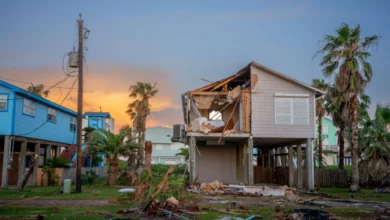
The timeline of the 2024 surge began in late September with Helene’s landfalls. Massive storm surges pushed saline Gulf waters miles inland, flooding residential areas and mixing with runoff. This created vast expanses of standing, brackish water—the ideal incubator for Vibrio vulnificus. In the aftermath, residents clearing debris or wading through floodwaters were exposed to these pathogens.
By the time Hurricane Milton arrived in October, public health officials were already on high alert. Analysis from the University of Maryland’s Department of Microbiology revealed that more than 80 percent of the vibriosis cases reported following these storms occurred in counties that had been flagged as "high-risk" by predictive computer models. The spike in cases highlighted a critical reality of the modern era: natural disasters are no longer just physical threats to infrastructure; they are biological threats to public health.
Risk Factors and Clinical Vulnerabilities
While Vibrio can infect anyone, certain demographics are at a significantly higher risk for severe outcomes. Clinical data indicates that individuals with chronic liver disease (such as cirrhosis or hepatitis) are particularly susceptible to V. vulnificus because the bacteria thrive on the excess iron often found in the blood of liver patients.
Other high-risk groups include:
- The Immunocompromised: Individuals undergoing chemotherapy or those with HIV/AIDS.
- Diabetics: Chronic high blood sugar can impair wound healing and immune response.
- The Elderly: Natural declines in immune function make older adults less able to fight off rapid bacterial replication.
- Chronic Kidney Disease Patients: Systemic vulnerabilities increase the risk of sepsis.
For these individuals, a minor wound infection can quickly escalate into a medical emergency requiring limb amputation or intensive care.
Prevention, Policy, and Public Health Responses
Government agencies, including the CDC and the Food and Drug Administration (FDA), have implemented multi-tiered strategies to mitigate the risks of vibriosis. For the shellfish industry, the FDA enforces the National Shellfish Sanitation Program, which requires strict temperature controls from the moment an oyster is harvested until it reaches the consumer’s plate. Rapid cooling of harvested shellfish is essential to prevent the "doubling time" of Vibrio bacteria, which can occur in less than 20 minutes at summer temperatures.
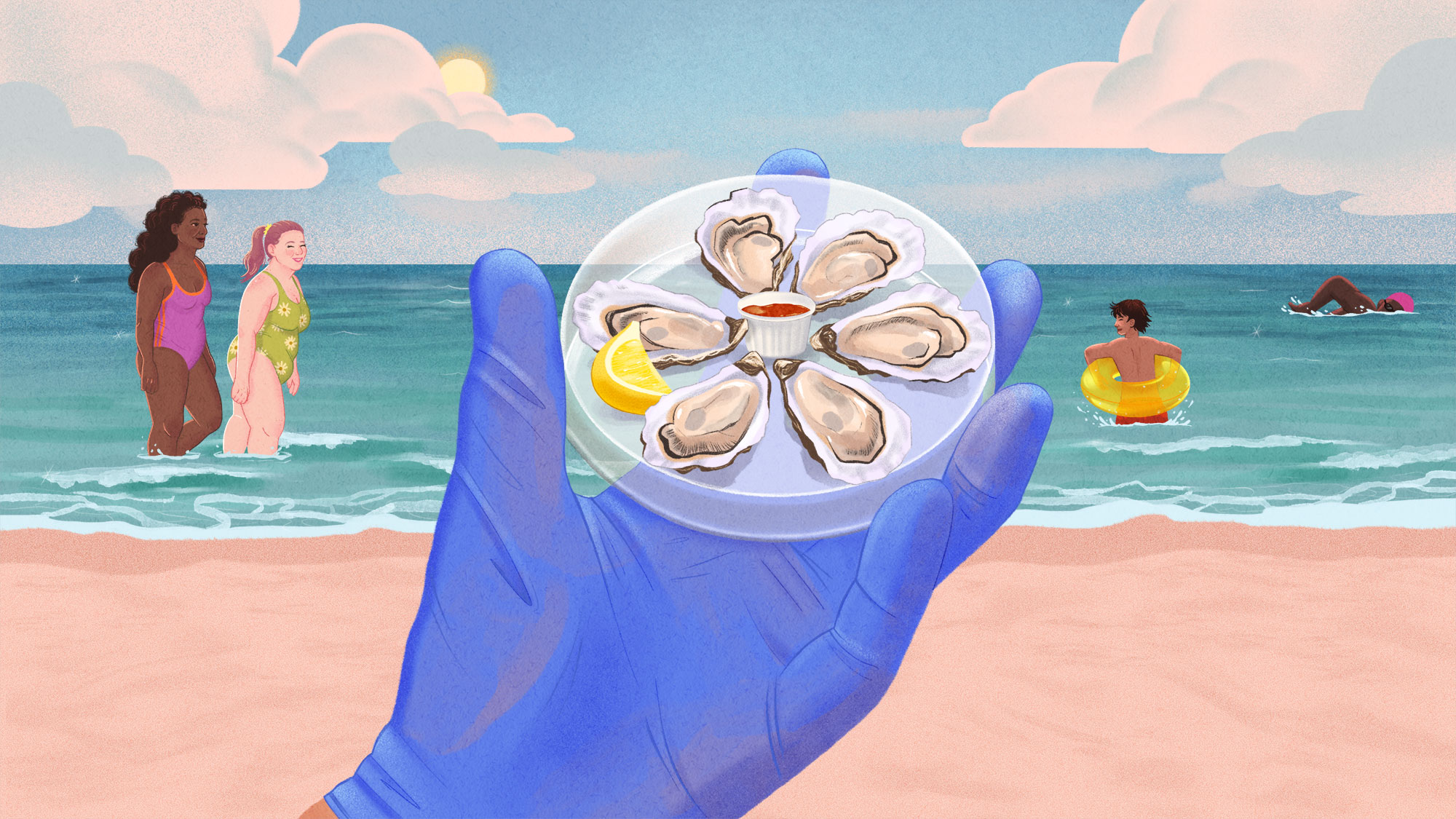
Public health advisories focus on two primary directives:
- Wound Safety: Individuals with open wounds, cuts, or recent tattoos should avoid entering salt or brackish water. If exposure occurs, the wound should be washed immediately with soap and clean water.
- Dietary Precautions: Consumers are urged to cook shellfish thoroughly. While "oyster culture" often celebrates the consumption of raw mollusks, boiling or frying is the only guaranteed way to neutralize the bacteria. It is a common misconception that hot sauce or lemon juice can kill Vibrio; these additives have no effect on the bacterial load.
The Economic and Social Implications
The threat of Vibrio carries significant economic weight. The U.S. shellfish industry is a multi-billion-dollar sector that supports thousands of jobs in coastal communities. Outbreaks of vibriosis can lead to temporary closures of harvest beds, devastating local economies and eroding consumer confidence. Furthermore, the stigma of "flesh-eating bacteria" can deter tourism in coastal states like Florida and South Carolina, impacting hotels, restaurants, and recreational charters.
From a social perspective, the northward migration of the bacteria requires a massive re-education effort. Doctors in New England or the Pacific Northwest, who may not have seen a case of V. vulnificus in their entire careers, must now be trained to recognize the early signs of infection to prevent fatalities.
Technological Frontiers: Predicting the Unseen
The future of Vibrio management lies in advanced predictive modeling. Researchers at the University of Maryland and other institutions are utilizing satellite data from the National Oceanic and Atmospheric Administration (NOAA) to monitor sea surface temperatures and salinity levels in real-time. By pairing this environmental data with historical infection rates, scientists have developed models that can predict high-risk "blooms" up to a month in advance.
These models allow health departments to issue targeted warnings before a surge in cases occurs. During the 2024 hurricane season, these predictive tools were instrumental in identifying which coastal counties would see the highest infection rates. As machine learning and satellite resolution improve, the goal is to create a "weather map for bacteria," allowing the public to check bacterial risk levels as easily as they check the daily forecast.
Conclusion: Adapting to a Changing Environment
Vibrio bacteria are a permanent fixture of our marine world, but the risks they pose are changing. The intersection of a warming climate, more frequent extreme weather events, and a growing coastal population has elevated a once-obscure marine microbe into a significant public health challenge. While the annual death toll remains relatively low compared to other pathogens, the severity of Vibrio vulnificus and the rapid geographic spread of the genus demand a proactive approach. Through a combination of scientific innovation, industry regulation, and public awareness, coastal communities can continue to enjoy the bounty of the sea while minimizing the dangers of this ancient aquatic resident.
Related posts: