
Turkey Opens First Major Trial Into Earthquake Deaths
Turkey Launches Landmark Trial: Justice Sought for Thousands Lost in Devastating Earthquakes
Turkey has initiated its first major trial stemming from the catastrophic February 6, 2023, earthquakes that ravaged southeastern provinces, claiming over 50,000 lives and displacing millions. This landmark legal proceeding, unfolding in the city of Antakya, Hatay province, one of the most severely impacted regions, focuses on the alleged negligence and criminal culpability of developers and contractors responsible for the construction of a collapsed residential building, the "Rustem Pasha" apartment complex. The trial represents a crucial, albeit late, step towards accountability and justice for the victims and their grieving families, signaling a shift in the nation’s response to structural failures that amplified the earthquake’s deadly impact. The judicial process aims to determine whether gross negligence, inadequate building standards, or deliberate corner-cutting contributed to the catastrophic collapse of numerous structures, transforming seismic tremors into a widespread disaster of human-made proportions. Survivors and victims’ families have long clamored for accountability, and this trial is seen as a critical juncture in addressing the systemic issues that led to such widespread devastation. The focus on the Rustem Pasha complex is particularly significant, as the building’s complete destruction, with the loss of all its residents, has become a potent symbol of the earthquake’s tragic consequences. Legal experts and human rights advocates are closely monitoring the proceedings, recognizing their potential to set precedents for future investigations and to drive much-needed reforms in building regulations and enforcement across Turkey.
The indictment in the Rustem Pasha case targets six individuals, primarily the developers and contractors involved in its construction. They face charges ranging from intentional manslaughter to causing death through gross negligence. The prosecution’s case hinges on evidence suggesting that the building was not constructed in compliance with earthquake-resistant building codes that were in effect at the time of its construction. Expert geological and structural analyses have been central to the investigation, with forensic reports detailing numerous violations. These include the alleged use of substandard construction materials, insufficient reinforcement of concrete structures, and a failure to adhere to proper foundation principles. The prosecution is presenting testimony from surviving victims who recall anecdotal evidence of shoddy construction practices during the building’s development years prior to the earthquake. Witness accounts, alongside the physical evidence from the collapsed structure, are intended to paint a picture of deliberate disregard for safety protocols in pursuit of profit. The defense, conversely, is likely to argue that the earthquake’s magnitude was unprecedented and that no building could have withstood such immense forces. However, the prosecution contends that the scale of the destruction was exacerbated by structural deficiencies that rendered the building inherently vulnerable, even to a powerful earthquake. The legal strategy involves meticulously dissecting the construction process, examining building permits, inspection records, and material certifications to establish a clear chain of responsibility for the catastrophic outcome.
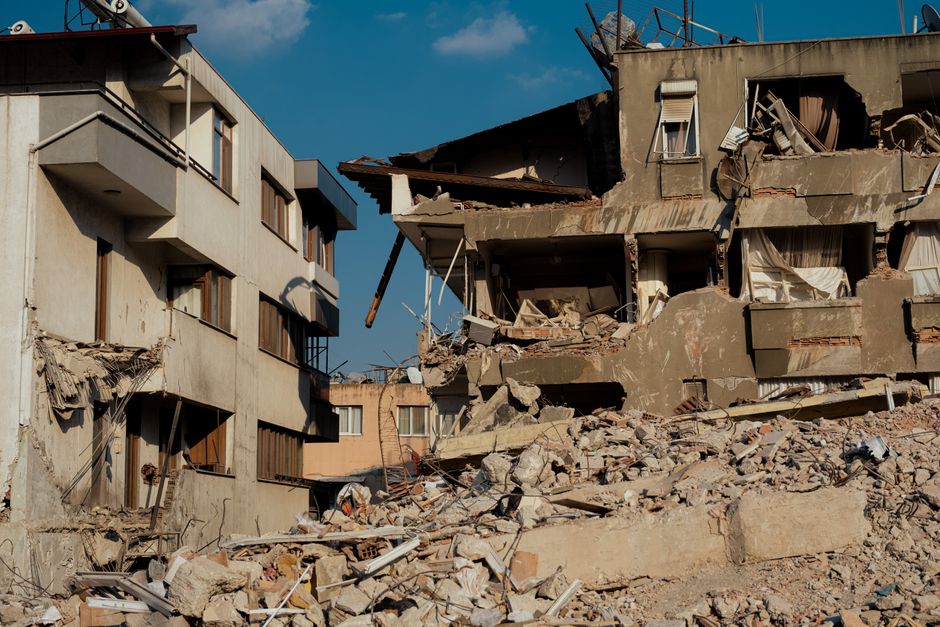
The Rustem Pasha apartment complex, once a multi-story residential building housing dozens of families, now lies as a heap of twisted metal and pulverized concrete in the heart of Antakya. Its complete annihilation serves as a grim testament to the scale of the disaster. Survivors, many of whom lost entire families, have gathered outside the courthouse, their faces etched with a mixture of grief, anger, and a desperate hope for justice. Their testimonies during the trial are expected to be emotionally charged and profoundly impactful, offering firsthand accounts of the horror of the earthquake and the subsequent search for loved ones amidst the rubble. These testimonies aim to humanize the statistics, reminding the court and the public of the individual lives that were extinguished. Lawyers representing the victims’ families are also actively involved in the proceedings, seeking to ensure that their clients’ voices are heard and that their right to redress is recognized. The psychological toll on survivors is immense, with many grappling with trauma, loss, and survivor’s guilt. This trial is not just about legal accountability; it is also a crucial step in the collective grieving process and a means of seeking closure. The devastating images of the collapsed Rustem Pasha building have become an enduring symbol of the earthquake’s fury, and the pursuit of justice in this case is seen as essential for rebuilding trust and ensuring that such tragedies are not repeated.
The earthquake itself, a series of powerful tremors on February 6, 2023, registered magnitudes of 7.8 and 7.5, striking a vast area across southeastern Turkey and northern Syria. The geological event was undeniably catastrophic, but the sheer number of building collapses has led to widespread accusations that Turkey’s building sector is riddled with corruption and a disregard for seismic safety standards. Decades of often unchecked construction, coupled with a history of "construction amnesties" that legalized illegally built structures, are now being scrutinized. These amnesties, intended to bring informal construction into the legal framework, are widely believed to have incentivized the use of subpar materials and unsafe practices by making it easier for builders to avoid rigorous inspections. The current trial is seen as a potential turning point, where the legal system confronts the consequences of these systemic failures. The government’s response to the earthquake has been criticized for its perceived slowness and inadequacy in providing relief and support. However, this trial represents a tangible effort to address the issue of accountability, suggesting a growing recognition of the need to hold individuals and entities responsible for the loss of life. The international community is watching closely, as the outcome of this trial could influence building regulations and disaster preparedness not only in Turkey but also in other seismically active regions around the world.
Legal experts anticipate that the trial will be lengthy and complex, involving numerous expert witnesses, forensic analyses, and extensive documentary evidence. The prosecution must prove beyond a reasonable doubt that the defendants’ actions or omissions directly contributed to the building’s collapse and the subsequent loss of life. This will require demonstrating a clear breach of duty of care and establishing a causal link between that breach and the fatalities. The defense, on the other hand, will likely focus on the overwhelming force of the earthquake as the primary cause of the collapse, attempting to argue that any alleged building code violations were not the proximate cause of death. Challenges in the judicial process include the sheer volume of evidence to be reviewed, the potential for political influence, and the emotional burden on witnesses. The integrity of the proceedings is paramount, and transparency will be crucial in maintaining public confidence. The prosecution’s case will rely heavily on the findings of structural engineers and geologists who have meticulously examined the debris and surrounding soil conditions. They will present evidence of material weaknesses, design flaws, and construction shortcuts that compromised the building’s integrity. The defense may seek to counter these findings with their own expert testimonies, highlighting the unpredictable nature of seismic events.
The aftermath of the earthquakes has been marked by widespread calls for reform within Turkey’s construction industry and regulatory bodies. Survivors and their families have been vocal in demanding stricter enforcement of building codes, increased transparency in construction projects, and harsher penalties for those found to be negligent. The government has initiated some reforms, including the establishment of new building standards and promises of more rigorous inspections. However, many critics argue that these measures do not go far enough and that deeper systemic issues, including corruption and a culture of impunity, need to be addressed. This trial is a critical test of whether the legal system can deliver meaningful justice in cases of mass casualty events linked to structural failures. The outcome will likely influence the future of construction practices and regulatory oversight in Turkey. If the defendants are convicted, it could serve as a powerful deterrent to future negligence. Conversely, if they are acquitted, it could lead to further disillusionment and a perception that accountability remains elusive for those responsible for building collapses. The international community’s interest in this trial underscores its broader implications for disaster risk reduction and urban planning in seismically active zones globally.
The impact of this trial extends beyond the immediate legal ramifications. It represents a crucial step in Turkey’s ongoing efforts to rebuild not only its physical infrastructure but also the social contract between its citizens and their government. For too long, the devastating consequences of earthquakes have been viewed as an inevitable act of nature, rather than as events compounded by human error and systemic negligence. The Rustem Pasha trial has the potential to shift this perception, emphasizing that while earthquakes cannot be prevented, their destructive power can be mitigated through responsible construction and robust regulation. The hope is that this legal process will foster a greater sense of responsibility among developers, engineers, and government officials alike, leading to a construction sector that prioritizes safety and the preservation of human life above all else. The ongoing proceedings are a stark reminder of the fragility of life and the profound responsibility that rests with those who shape our built environment. The eyes of a nation, and indeed the world, are on Antakya, awaiting a verdict that could pave the way for a more just and safer future. This trial is more than just a legal battle; it is a deeply symbolic moment for a country grappling with immense loss and seeking to forge a path toward accountability and resilience in the face of natural disasters.
