Deep-Diving Robots Reveal the Hidden Mechanisms Behind Antarctica’s Dramatic Sea Ice Decline and the Threat to Global Sea Levels

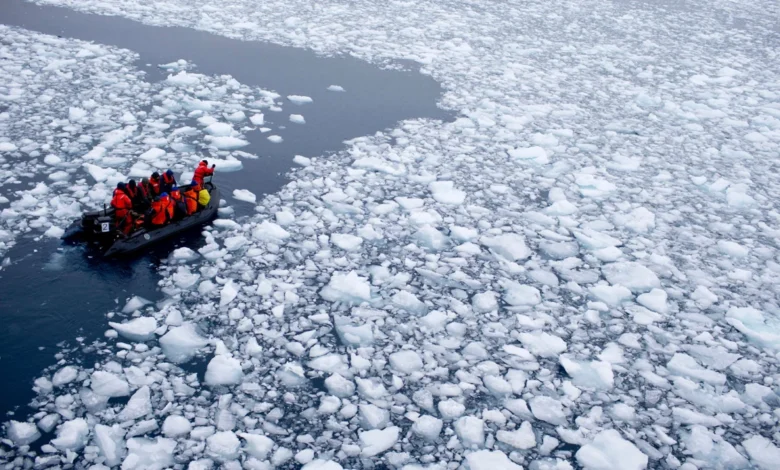
For decades, the frozen fringes of the Antarctic continent presented a climate paradox that puzzled the global scientific community. While the Arctic experienced a steady and well-documented retreat of sea ice due to rising global temperatures, the Southern Ocean appeared to be moving in the opposite direction. From the beginning of satellite observations in the late 1970s until roughly 2014, the extent of Antarctic sea ice actually expanded, reaching record highs even as the planet’s atmosphere continued to warm. However, this trend came to an abrupt and catastrophic end in 2016. In a sudden reversal that stunned researchers, the sea ice contracted to historic lows and has struggled to recover in the years since.
A new study published in the journal Proceedings of the National Academy of Sciences (PNAS) has finally shed light on the mechanics behind this dramatic "regime shift." Utilizing a sophisticated network of deep-diving robotic sensors, researchers have identified a complex interplay between ocean salinity, atmospheric wind patterns, and a "violent release" of pent-up heat from the ocean’s depths. This discovery provides a critical missing piece of the puzzle in understanding how the Southern Ocean modulates global climate and what the future may hold for the world’s coastlines.
The Role of the Argo Program: Data from the Depths
The breakthrough in this research was made possible by the Argo program, an international collaboration that maintains an array of nearly 4,000 robotic, profiling floats scattered across the world’s oceans. These torpedo-shaped instruments, roughly the size of a human, are designed to drift at depths of up to 2,000 meters (about 6,500 feet). Periodically, they rise to the surface, measuring temperature and salinity profiles throughout the water column before transmitting their data to satellites and sinking back down to begin the cycle anew.
In the harsh and often inaccessible environment of the Southern Ocean, where traditional research vessels struggle to operate during the frozen winter months, these "robot scientists" have provided a continuous stream of data that was previously impossible to obtain. By analyzing this information, a team led by Earle Wilson, a polar oceanographer at Stanford University, was able to peer beneath the surface and observe the thermal dynamics that preceded the 2016 collapse.
"One of the key takeaways from the study is that the ocean plays a huge role in sort of modulating how sea ice can vary from year to year, decade to decade," Wilson stated. The data revealed that the ocean was not merely a passive recipient of atmospheric changes but was actively storing and then releasing energy in a way that fundamentally altered the ice-forming environment.
Thermodynamics of the Southern Ocean: A Delicate Balance
To understand why Antarctic sea ice behaved so unexpectedly, it is necessary to examine the unique vertical structure of the Southern Ocean. In most of the world’s oceans, the warmest water sits at the surface, heated by the sun, while the colder, denser water remains at the bottom. In the waters surrounding Antarctica, the situation is inverted.
The frigid Antarctic air cools the surface water to near-freezing temperatures. However, beneath this cold surface layer lies a reservoir of relatively warmer, saltier water. Under normal conditions, these layers are kept separate through a process known as stratification. During the decades of sea ice expansion (1970s–2014), increased precipitation and glacial meltwater added a layer of fresh water to the ocean surface. Because fresh water is less dense than salt water, it acted as a "cap," preventing the warmer water below from rising to the surface. This allowed the surface to remain cold enough for sea ice to expand, even as the deeper ocean continued to absorb heat.
The 2016 Catalyst: Winds and the Release of Pent-up Heat
The study identifies 2016 as the year this delicate balance was shattered. The primary driver was a shift in atmospheric circulation. Winds around Antarctica intensified and shifted their patterns—a change likely influenced by the widening temperature gradients caused by global climate change. These powerful winds began to "churn" the ocean, creating a mechanical mixing effect that broke through the freshwater cap.
As the stratification weakened, the deep-seated warmth that had been accumulating for decades was suddenly pushed to the surface. Wilson described this event as a "very violent release of all that pent-up heat." This sudden influx of thermal energy from below effectively melted the sea ice from the bottom up and prevented new ice from forming during the winter months.
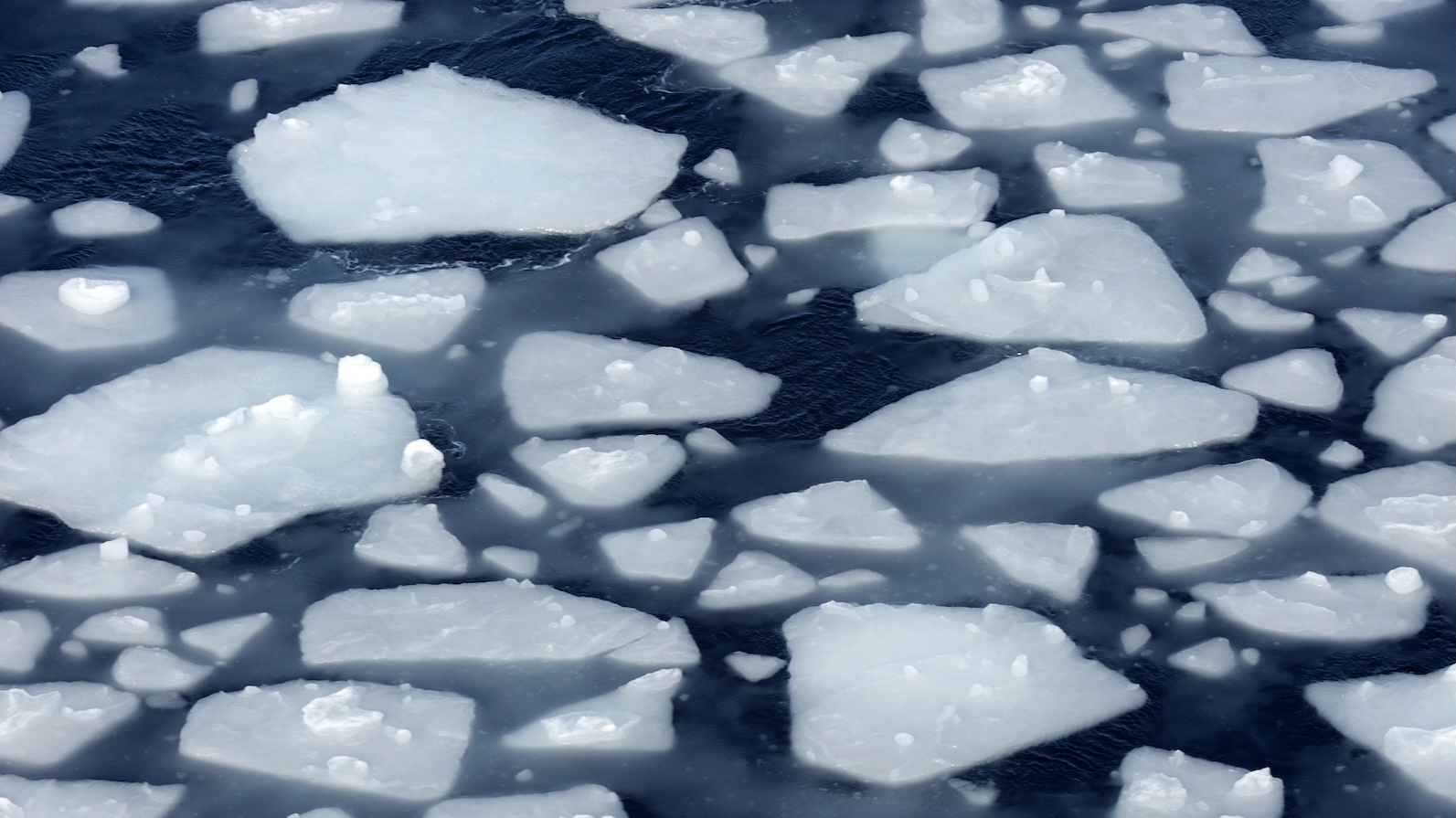
Furthermore, the intensified winds physically pushed existing ice floes away from the continent into warmer northern waters and generated larger waves that mechanically broke up the ice sheets. This combination of oceanic warming and atmospheric turbulence created a "perfect storm" that transitioned the Antarctic system into a state of persistent low ice extent.
A Chronology of Antarctic Sea Ice Trends
The history of Antarctic sea ice can be divided into three distinct phases based on modern observation:
- 1979–2014: The Period of Paradoxical Expansion. During this era, sea ice extent grew at a rate of approximately 1% per decade. While this confused some climate models, researchers now believe the freshwater "capping" effect and specific wind patterns (related to the ozone hole and natural variability) were the primary drivers.
- 2016: The Great Contraction. In a single year, the Antarctic lost as much sea ice as the Arctic had lost over three decades. The minimum extent reached record lows, marking the end of the expansion era.
- 2017–Present: The New Normal. Since the 2016 event, Antarctic sea ice has failed to return to its previous levels. In 2023, the ice reached an all-time record low, with an "unprecedented" deficit of nearly 2.5 million square kilometers below the 1979-2022 average—an area roughly the size of Argentina.
Broader Implications: The 190-Foot Threat
The decline of sea ice is not merely a localized phenomenon; it has catastrophic implications for the stability of the Antarctic ice sheet—the massive layer of ice sitting on the continent itself. Unlike sea ice, which is already floating and does not raise sea levels when it melts, the Antarctic ice sheet contains enough water to raise global sea levels by approximately 190 feet (58 meters).
Sea ice serves as a vital protective buffer for the ice sheet. It acts as a "fender" that absorbs the energy of ocean waves before they can reach the floating ice shelves that extend from the land. When sea ice disappears, these ice shelves are exposed to direct wave action and warmer surface currents, causing them to crack and disintegrate. Because these shelves act as "buttresses" that hold back the land-based glaciers, their collapse would lead to an accelerated flow of ice into the ocean, triggering rapid and irreversible sea-level rise.
Additionally, the loss of sea ice triggers a "positive feedback loop" known as the albedo effect. White sea ice reflects up to 80% of incoming solar radiation back into space. When the ice melts, it reveals the dark ocean water, which absorbs 90% of that same heat. This warms the local environment further, leading to even more ice loss.
Expert Reactions and the Call for Monitoring
The findings have resonated across the scientific community, reinforcing the idea that the Southern Ocean has entered a new, more volatile state. Zachary Labe, a climate scientist at Climate Central who was not involved in the study, emphasized the importance of Wilson’s findings.
"Recent research has shown that both atmospheric and oceanic warming is likely contributing to the sudden change in Antarctic sea-ice extent since 2016, and this paper helps to further develop the point that deeper ocean warmth is a significant player," Labe said. He also noted that the rapid changes being observed necessitate a more robust monitoring infrastructure. "We need more international support to continue building observing networks across the Antarctic polar region, both for oceanic and atmospheric monitoring."
The scientific community is currently debating how much of this shift is attributable to anthropogenic (human-caused) climate change versus "natural variability." While the Southern Ocean has natural cycles that span decades, the sheer scale and speed of the post-2016 decline suggest that human-induced warming has pushed the system past a critical tipping point.
Looking Ahead: A Permanent State of Change?
The central question facing oceanographers today is whether the Antarctic sea ice will ever recover or if the world is witnessing a permanent transition to a low-ice state. While the Argo floats continue to provide data, the complexity of the system makes long-term predictions difficult. It is possible that atmospheric conditions could swing back in a way that encourages temporary growth, but the underlying trend remains ominous.
Earle Wilson suggests that while there may be fluctuations, the era of expansion is likely over. "The long-term, multidecade trend will be negative," Wilson concluded. "That would be my guess, but we don’t know for sure."
As researchers refine their climate models using the new data provided by deep-diving robots, the global community must grapple with the reality that the "refrigerator of the Southern Hemisphere" is losing its cooling power. The transition of the Antarctic from a period of mysterious growth to one of rapid decline serves as a stark reminder of the ocean’s capacity to store vast amounts of heat—and the violent consequences when that heat is finally released.
Related posts: