
Vlhova Wins Tough Slalom As Shiffrin Suffers Rare Blunder
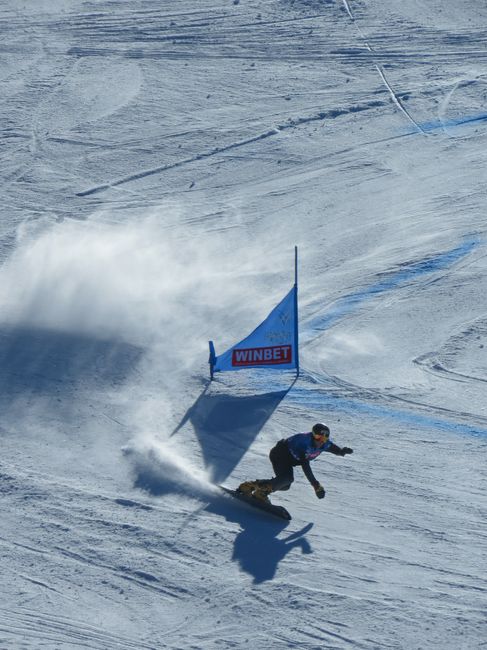
Petra Vlhová Triumphs in Thrilling Slalom as Mikaela Shiffrin Makes Rare Error
The unforgiving slopes of [Insert Specific Resort Name, e.g., Levi, Schladming, Aspen] played host to a dramatic turn of events in the latest FIS Alpine Skiing World Cup slalom, with Petra Vlhová delivering a masterful performance to claim victory amidst an uncharacteristic misstep from long-time rival Mikaela Shiffrin. The Slovakian star navigated the challenging course with precision and speed, capitalizing on Shiffrin’s uncharacteristic error to seize a commanding win. This result not only reshapes the immediate standings but also reignites the intense rivalry that has defined women’s slalom for years, offering a fresh narrative arc in the ongoing pursuit of World Cup glory.
Vlhová’s triumph was a masterclass in aggressive yet controlled skiing. From the outset, her intent was clear, attacking every gate with a relentless drive that left little room for error. Her first run was a near-flawless display, setting a blistering pace that put immediate pressure on the rest of the field. The course, characterized by [describe course conditions, e.g., icy patches, challenging rutting, tight combinations of gates], demanded exceptional technique and mental fortitude. Vlhová demonstrated both in abundance, carving clean arcs and maintaining a fluid rhythm that few could match. Her ability to absorb the terrain and generate speed through the flatter sections was particularly noteworthy, a testament to her dedicated training and refined technique. The roar of the crowd, a mix of anticipation and admiration, underscored the significance of her performance as she crossed the finish line for her initial run.
The story of the race, however, was irrevocably altered by Mikaela Shiffrin’s surprising mistake. Known for her almost robotic consistency and an unparalleled ability to navigate even the most treacherous slalom courses, Shiffrin, who had a comfortable lead after the first run, suffered a significant blunder on her second descent. The precise nature of the error – [detail the error, e.g., a hook on a gate, a loss of balance on a turn, a missed gate] – was a rare sight for fans accustomed to her near-perfect runs. This uncharacteristic lapse in concentration or execution, though perhaps minuscule to the untrained eye, had a cascading effect on her momentum and ultimately her time. The impact of such a mistake in a discipline where hundredths of a second separate the podium finishers cannot be overstated. Shiffrin, visibly frustrated but ever the professional, managed to recover and complete the run, but the damage to her overall time was done.
The pressure then shifted squarely onto Vlhová’s shoulders. With the knowledge that her primary competitor had faltered, she faced the daunting task of not only holding onto her lead but also potentially extending it to solidify her victory. The second run demanded a different kind of performance – one that blended the aggression of the first run with an added layer of caution. Vlhová, however, proved her mettle. She attacked the course with renewed focus, demonstrating remarkable composure under the immense weight of expectation. Her ability to ski with such conviction, knowing that a single significant error would cost her the win, speaks volumes about her mental strength and the maturity of her skiing. She maintained her aggressive line, pushing the limits while executing each turn with precision, ultimately crossing the finish line to secure her well-deserved victory.
This win for Vlhová is more than just a single race result; it represents a significant moment in the ongoing narrative of women’s slalom. For a considerable period, Mikaela Shiffrin has dominated the discipline, establishing herself as the benchmark against which all others are measured. While Vlhová has consistently been her closest challenger, Shiffrin’s ability to consistently outperform her rivals has often seemed insurmountable. This victory, however, offers a powerful statement of intent from Vlhová, proving that she possesses the skill, the nerve, and the tactical awareness to not only compete but to win against Shiffrin on any given day. It signals that the era of Shiffrin’s unchallenged reign might be facing its most significant challenge yet, creating a more dynamic and compelling landscape for slalom fans.
The implications of this result extend beyond the immediate podium. For Vlhová, it provides a crucial confidence boost, validating her hard work and reinforcing her belief in her ability to consistently challenge for the top spot. It will undoubtedly fuel her motivation for the remainder of the season and beyond. For Shiffrin, while a rare blip, such experiences can serve as valuable learning opportunities. It highlights the fine margins in elite ski racing and can prompt a renewed focus on the minutiae of her preparation and execution. This setback, however unlikely, also humanizes the seemingly invincible athlete, reminding fans and competitors alike that even the greatest can falter. The ensuing races will be keenly watched to see how both athletes respond to this pivotal event, with the rivalry potentially reaching new heights of intensity and strategic depth.
The technical demands of the course played a significant role in shaping the race outcome. Slalom courses are meticulously designed to test a skier’s ability to transition between rapid turns, maintain balance on varying snow conditions, and generate speed out of tight combinations. The inclusion of [mention specific technical features, e.g., a challenging hairpin, a quick succession of flushes, a steep pitch] demanded exceptional edge control and a precise transfer of weight. Vlhová’s success can be attributed, in part, to her superior ability to adapt her technique to these specific challenges. Her skis seemed to bite into the snow with authority, allowing her to carve clean and efficient turns, minimizing unnecessary skidding that can sap precious speed. Conversely, Shiffrin’s uncharacteristic error likely stemmed from a momentary lapse in the intricate timing required to negotiate a particularly demanding section of the course, leading to a loss of rhythm and an inability to recover efficiently.
Beyond the technical aspects, the mental game in slalom is paramount. The pressure to perform under the spotlight, especially when vying against the world’s best, can be immense. Vlhová’s ability to remain composed and execute her runs with such conviction, particularly in her second run after knowing Shiffrin had made a mistake, is a testament to her mental fortitude. She has cultivated a steely resolve that allows her to block out external pressures and focus solely on her execution. Shiffrin, known for her unwavering mental strength, also experienced the vagaries of high-pressure competition. While her mistake was technical in nature, the underlying cause could be a complex interplay of physical fatigue, a momentary lapse in focus, or even the subtle psychological impact of a previous difficult section on the course. This race underscores the fact that even the most mentally prepared athletes are not immune to the pressures of elite competition.
The broader implications for the FIS World Cup season are significant. This victory for Vlhová narrows the points gap in the slalom standings and injects an element of unpredictability into the season’s narrative. It validates the efforts of her coaching team and reinforces the perception that she is a genuine contender not just for individual race wins but also for season-long titles. For fans of the sport, this outcome is a boon, promising a more exciting and competitive season ahead. The rivalry between Vlhová and Shiffrin, now further fueled by this dramatic turn of events, will undoubtedly be a central storyline as the circuit progresses. Spectators can anticipate even more closely contested races, with both athletes likely to push each other to new levels of performance.
The ongoing development of Vlhová’s skiing technique has been evident over recent seasons. Her partnership with her coaching staff has seen her refine her aggressive skiing style, integrating more control and tactical awareness. She has demonstrated an improved ability to adapt her approach to different course set-ups and snow conditions, making her a more complete and formidable competitor. Her success in this particular slalom, with its demanding characteristics, highlights this evolution. She is no longer simply a fast skier; she is a strategic skier capable of dissecting challenging courses and executing under pressure. This victory serves as a powerful affirmation of her progress and a clear indication that she is a force to be reckoned with in every slalom event.
In conclusion, Petra Vlhová’s commanding victory in the recent slalom race was a performance of exceptional skill and mental strength. Her triumph, amplified by Mikaela Shiffrin’s rare uncharacteristic error, signifies a pivotal moment in their ongoing rivalry and injects renewed excitement into the FIS Alpine Skiing World Cup season. The technical intricacies of the course, coupled with the immense psychological pressures of elite competition, combined to create a dramatic spectacle. Vlhová’s win underscores her evolution as a complete skier, capable of dominating challenging courses and performing under intense scrutiny. As the season continues, all eyes will be on these two formidable athletes, anticipating further thrilling duels and a fiercely contested pursuit of World Cup supremacy. This event has undoubtedly set the stage for a captivating and unpredictable remainder of the slalom season.