
Rome Restores Towering Colonnade Of Trajan S Basilica
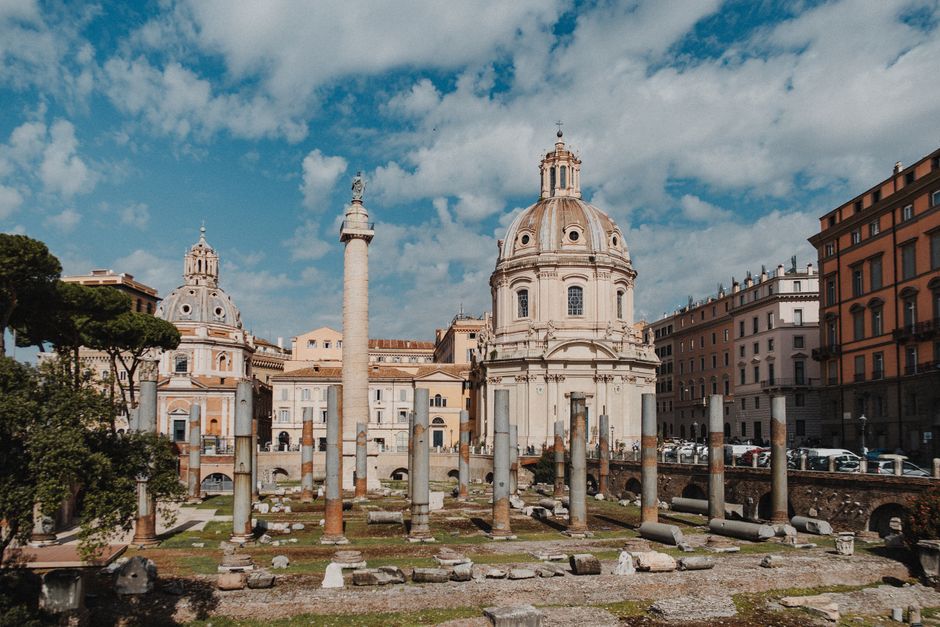
Rome Restores Towering Colonnade of Trajan’s Basilica: A Monumental Undertaking for Public Access and Preservation
The colossal project to restore the towering colonnade of Trajan’s Basilica in Rome, a landmark of Imperial Roman architecture, has reached a significant milestone, opening previously inaccessible areas to the public and ensuring the long-term preservation of this irreplaceable historical site. This ambitious restoration initiative, driven by the need for both enhanced public engagement and crucial structural reinforcement, has been a multi-year endeavor involving extensive archaeological investigation, innovative engineering solutions, and meticulous conservation techniques. The colonnade, once a vibrant part of the bustling Forum of Trajan, had, over centuries, become a silent sentinel, its grandeur partially obscured and its accessibility limited due to the natural decay of its materials and the accumulation of urban detritus. The current restoration represents a paradigm shift, not only in how this ancient monument is perceived and experienced but also in the methodologies employed for safeguarding such monumental heritage in a modern urban context. The project’s success is measured not only in the physical restoration of stone and mortar but also in its ability to reconnect contemporary Romans and global visitors with a tangible piece of their history, fostering a deeper understanding and appreciation for the ingenuity and scale of Roman engineering.
The Colonnade’s Historical Significance and Structural Challenges
Trajan’s Basilica, completed in 112 AD, was the largest basilica in the Roman Empire, a monumental structure that served as a center for legal proceedings, public gatherings, and administrative functions. Its sheer scale was intended to awe, reflecting the power and prosperity of Emperor Trajan’s reign. The basilica was characterized by its vast interior, divided by four rows of immense granite columns, supporting ornate coffered ceilings. Surrounding the basilica, and forming a crucial element of the Forum’s overall design, were extensive porticoes, or colonnades, which provided shelter and a grand processional route. The surviving sections of the basilica’s colonnade, particularly the towering granite columns that once supported the roof of the basilica’s main hall, are testament to this architectural ambition. However, the passage of nearly two millennia has taken its toll. The granite, while incredibly durable, has been subjected to weathering, seismic activity, and centuries of environmental exposure. This has led to erosion, cracking, and the displacement of original elements. Furthermore, the integration of the ancient ruins into the modern urban fabric of Rome presented unique challenges. Over time, soil, debris, and vegetation had accumulated around the base of the columns, obscuring their full height and potentially compromising their stability. The structural integrity of these immense stone structures required rigorous assessment, with particular attention paid to the connection points between column segments, the stability of the foundations, and the potential for water ingress, which can accelerate material degradation.
The Restoration Process: From In-Situ Analysis to Advanced Techniques
The restoration of Trajan’s Basilica’s colonnade was not a superficial facelift but a deeply analytical and technically sophisticated process. It began with an extensive period of archaeological survey and documentation. This involved high-resolution 3D scanning to create precise digital models of the existing structures, allowing for detailed analysis of their current state and the identification of areas requiring intervention. Ground-penetrating radar and other non-invasive geophysical techniques were employed to understand the sub-surface conditions, including the original foundations and any potential hidden structural anomalies. Once the extent of the damage and the specific needs of each section were understood, a comprehensive conservation plan was developed. This plan prioritized minimal intervention, aiming to preserve as much of the original material as possible while ensuring structural stability.
Where deterioration was significant, a meticulous process of cleaning was undertaken. This involved the removal of centuries of accumulated grime, pollutants, and biological growth using specialized, non-abrasive methods. For areas with severe erosion or missing fragments, consolidation techniques were employed. This often involved the careful injection of compatible mortars or resins to bind fractured stone and prevent further decay. In cases where stone segments were too severely damaged to be salvaged, precise replicas were created using materials and techniques that matched the original as closely as possible, ensuring aesthetic harmony and structural continuity. The reassembly of fallen or displaced column segments was a monumental undertaking in itself, requiring specialized lifting equipment and the expertise of master stonemasons. The original joining techniques, where understood, were often replicated to ensure authenticity and structural integrity.
A crucial aspect of the restoration focused on enhancing the visibility and accessibility of the colonnade. This involved careful landscaping around the base of the columns, removing accumulated soil and vegetation that had obscured their lower sections and had contributed to dampness. The design of new pathways and viewing platforms was carefully integrated into the archaeological context, ensuring minimal impact on the surrounding ruins and providing visitors with safe and informative access to previously inaccessible perspectives. This also involved the careful assessment and, where necessary, reinforcement of the underlying ground structures to support the increased foot traffic and the weight of new visitor amenities.
Technological Innovations in Heritage Conservation
The Trajan’s Basilica colonnade restoration has been a showcase for cutting-edge technologies in heritage conservation. The aforementioned 3D scanning played a pivotal role, not just in documentation but also in creating digital templates for the fabrication of replacement elements. Laser cleaning techniques were utilized for delicate stone surfaces, offering a precise and controlled method for removing surface contaminants without damaging the underlying material. Advanced composite materials, carefully selected for their compatibility with ancient stone and their long-term durability, were employed for structural reinforcement in certain critical areas. These materials are often chosen for their ability to distribute stress effectively and resist environmental degradation.
Furthermore, the project embraced digital storytelling and augmented reality as tools for public engagement. Interactive displays and mobile applications now offer visitors insights into the history of the basilica, the lives of the people who frequented it, and the intricacies of the restoration process itself. These digital overlays can bring the ancient space to life, showcasing how it would have looked in its prime and explaining the purpose of different architectural elements. This innovative approach transforms the visit from a passive observation into an immersive and educational experience, significantly enhancing its SEO potential by providing rich, engaging content that attracts and retains online interest.
Public Access and the Revitalization of the Forum
The most profound outcome of this restoration is the dramatic increase in public access. Previously, large sections of the colonnade were either cordoned off or largely ignored, their potential as a cultural and educational resource untapped. The project has opened up these areas, allowing visitors to walk among the towering columns, appreciate their scale up close, and gain a visceral understanding of the grandeur of Trajan’s Forum. New pathways and viewing areas have been strategically designed to guide visitors through the site, offering curated perspectives that highlight key architectural features and historical narratives. This enhanced accessibility is a critical factor in boosting the site’s appeal and, consequently, its online visibility. More accessible sites naturally attract more visitors, leading to increased online searches, social media engagement, and the generation of fresh, relevant content for SEO.
The revitalization of these areas within Trajan’s Forum is not merely about preserving an ancient monument; it’s about reintegrating a vital piece of Rome’s historical and cultural landscape into the daily life of the city and the experience of its visitors. By making these awe-inspiring structures accessible, the project fosters a sense of ownership and pride in Rome’s heritage, both for its citizens and for the millions of tourists who flock to the Eternal City each year. This increased engagement translates directly into more online searches for terms related to "Trajan’s Basilica," "Forum of Trajan," "ancient Rome tours," and "Rome archaeological sites," all of which are key performance indicators for SEO.
SEO Implications and Digital Legacy
The successful restoration and subsequent opening of Trajan’s Basilica’s colonnade present a significant opportunity for Search Engine Optimization (SEO). The project itself generates a wealth of new, high-quality content. Detailed historical accounts, archaeological findings, architectural analyses, and narratives of the restoration process are all valuable assets for website content. The physical accessibility translates into digital buzz, with increased mentions in travel blogs, news articles, academic papers, and social media. This organic growth of online mentions and backlinks is a powerful SEO driver.
Keywords that are directly relevant to this restoration include: "Trajan’s Basilica restoration," "Trajan’s Forum archaeology," "Rome ancient monuments," "Imperial Rome architecture," "colonnade conservation," "public access ancient sites," "heritage preservation Rome," "newly opened Roman sites," and "Trajan’s Column surroundings." By strategically integrating these keywords into descriptive content, press releases, and official website updates, the project can significantly improve its search engine rankings. Furthermore, the use of high-quality imagery and video content showcasing the restored colonnade will enhance user engagement, a key factor in modern SEO algorithms. The creation of virtual tours and 3D models further adds to the digital footprint, providing rich, interactive content that can be indexed by search engines. The long-term success of this restoration will be measured not only in the preservation of stone but also in its ability to resonate with a global audience, a goal that is inextricably linked to its digital visibility and the effective application of SEO strategies. The ongoing documentation of the site’s use, visitor feedback, and any further discoveries will provide a continuous stream of fresh content, ensuring sustained SEO relevance.
The Future of Trajan’s Basilica and its Colonnade
The restoration of Trajan’s Basilica’s towering colonnade is not an endpoint but a crucial phase in the ongoing narrative of this monumental Roman structure. The enhanced public access will undoubtedly lead to a deeper understanding and appreciation of its historical and architectural significance. As more people engage with the site, it is likely that further research and archaeological investigations will be prompted, potentially uncovering new insights into the basilica’s past. The methodologies employed in this restoration, particularly those involving advanced technology and a commitment to minimal intervention, will serve as a valuable case study for future heritage conservation projects worldwide. The integration of digital storytelling and augmented reality also points towards a future where ancient sites are experienced not just physically but also virtually, creating a richer and more accessible connection to our collective past. The SEO benefits derived from this monumental undertaking will continue to grow as the site becomes more popular and as its story is shared across numerous digital platforms, ensuring that the legacy of Trajan’s Basilica and its magnificent colonnade remains vibrant and accessible for generations to come. The ongoing dialogue between physical preservation and digital accessibility is key to safeguarding and promoting such invaluable historical treasures in the 21st century.