Edson Arantes do Nascimento, universally known as Pelé, the Brazilian football legend whose extraordinary talent and global charisma transcended the sport, has passed away at the age of 82. His death marks the end of an era for a man who not only redefined the game of soccer but also became one of the most recognizable and admired figures of the 20th century. Pelé’s impact reverberated far beyond the pitch, influencing culture, politics, and international relations, solidifying his status as a true global icon.
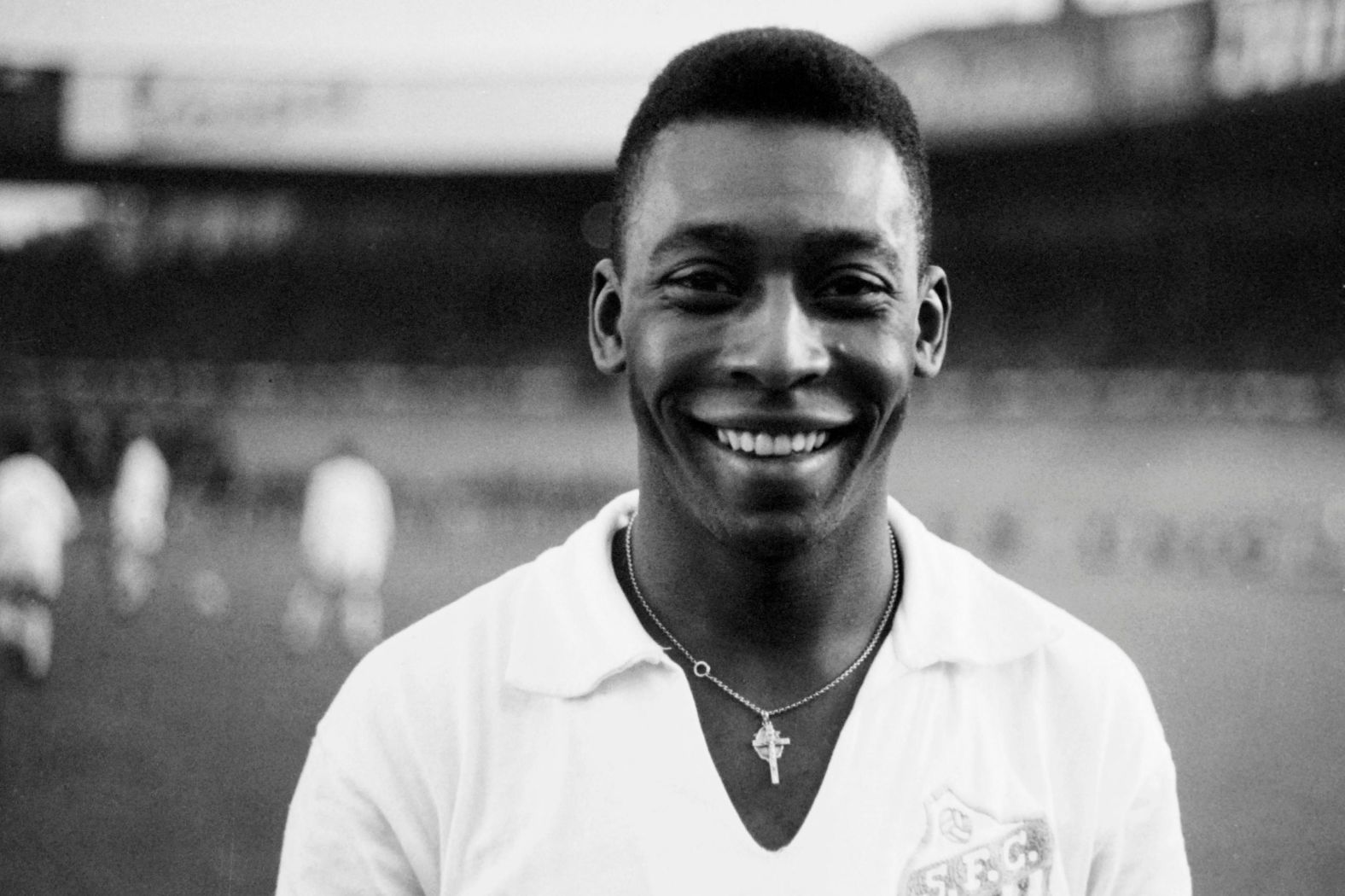
Born on October 23, 1940, in Três Corações, Minas Gerais, Brazil, Pelé’s humble beginnings belied the colossal destiny that awaited him. His parents, João Ramos do Nascimento and Celeste Arantes, named him Edson in honor of the American inventor Thomas Edison. However, it was through a childhood mispronunciation of the name of his favorite goalkeeper, Bilé, that he acquired the moniker "Pelé," a name that would soon become synonymous with footballing genius. Growing up in poverty in Bauru, São Paulo, Pelé honed his skills playing barefoot with makeshift balls crafted from socks or coconuts, demonstrating an innate passion and prodigious talent that would defy his circumstances.
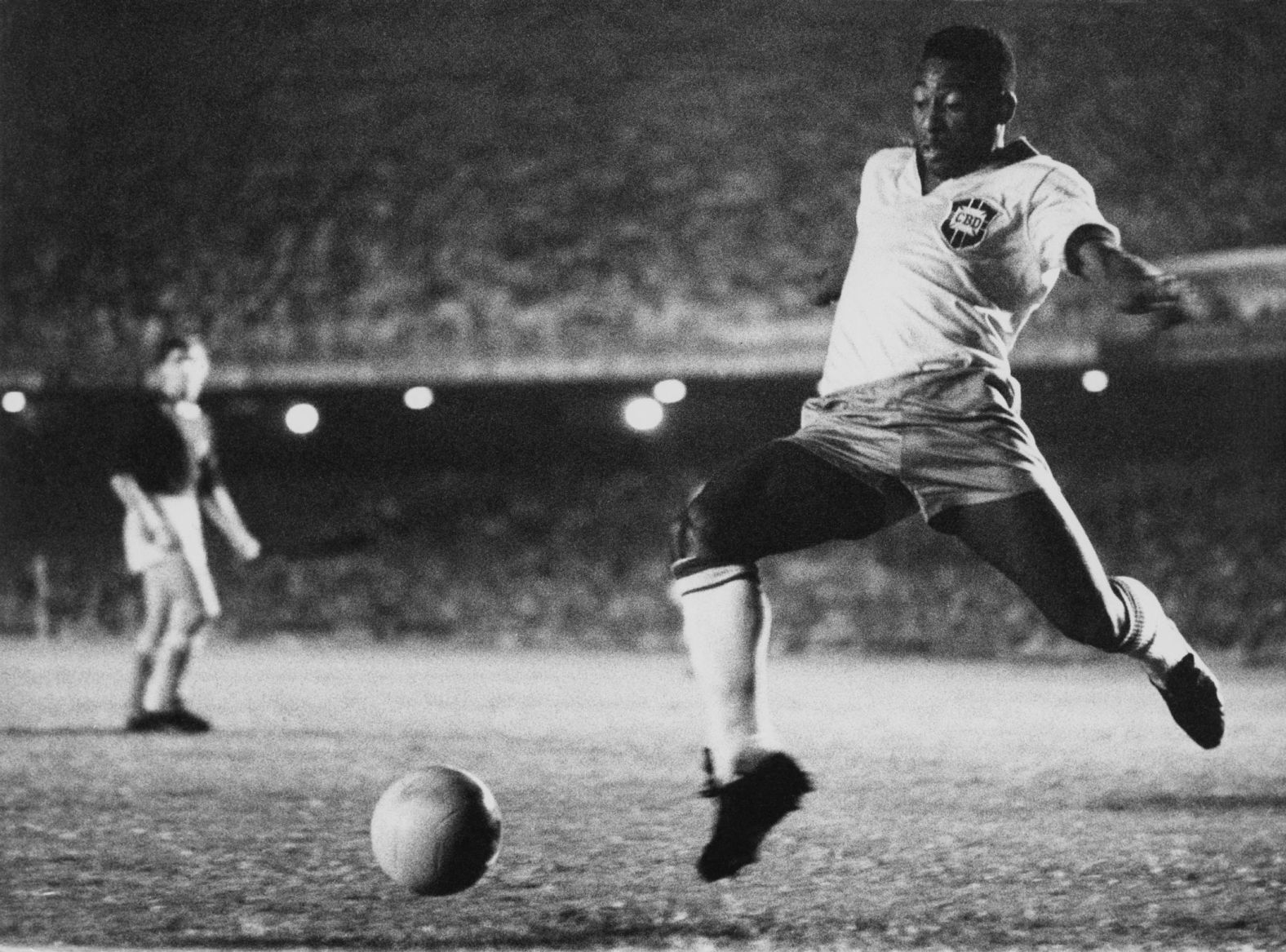
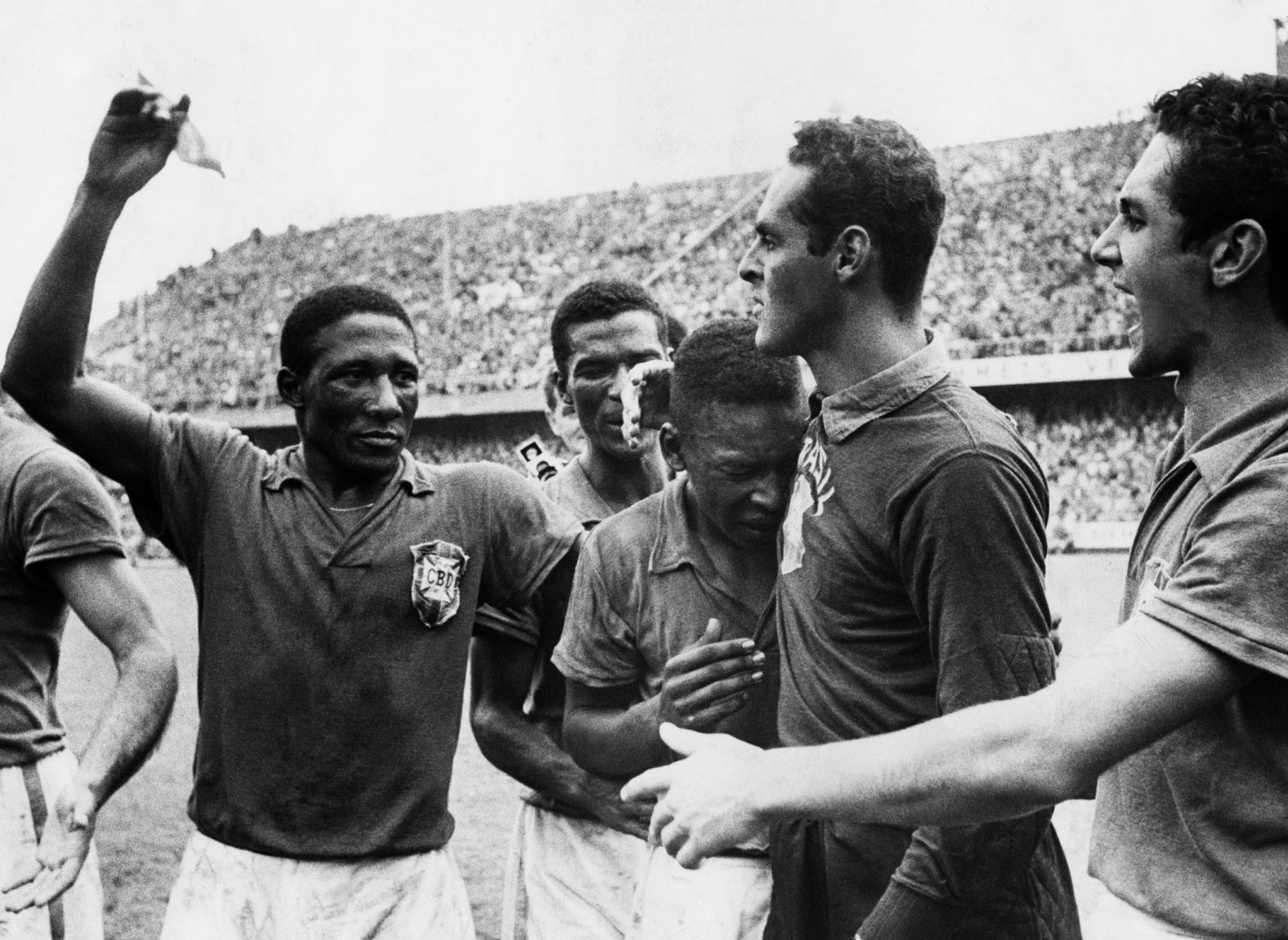
His professional journey began at the tender age of 15 with the Brazilian club Santos FC in 1956. It wasn’t long before his exceptional abilities caught the attention of the national team selectors. In 1957, at just 16 years old, Pelé made his debut for Brazil, a testament to his remarkable maturity and skill on the field. The following year, at the 1958 FIFA World Cup in Sweden, a 17-year-old Pelé exploded onto the international stage, captivating the world with his dazzling dribbling, electrifying pace, and clinical finishing. He scored six goals in the tournament, including two in the final against the hosts, Sweden, as Brazil clinched its first-ever World Cup title with a resounding 5-2 victory. This triumph not only etched Pelé’s name in history but also propelled Brazil into the global footballing elite, forever changing the country’s identity and its relationship with the sport.
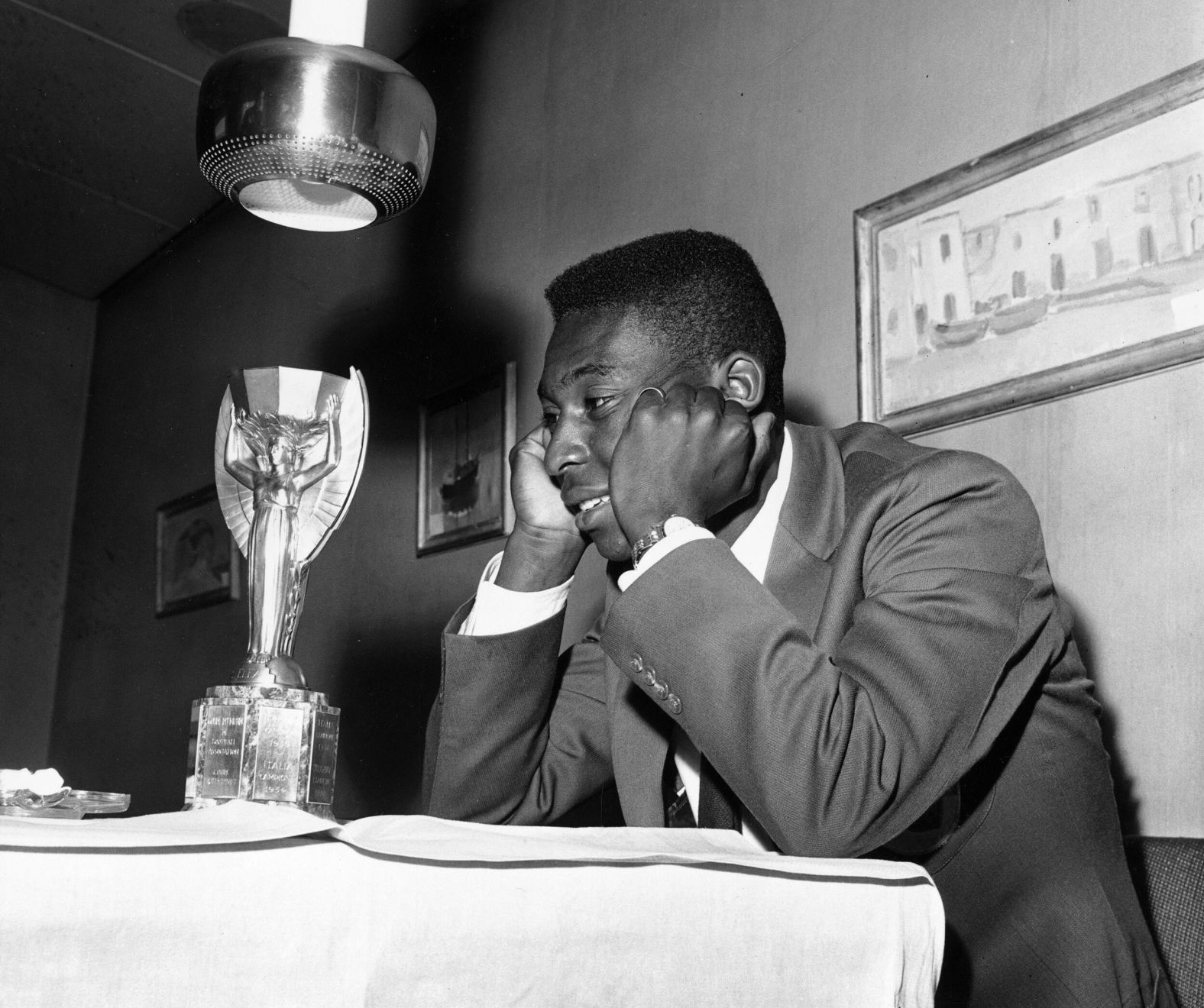
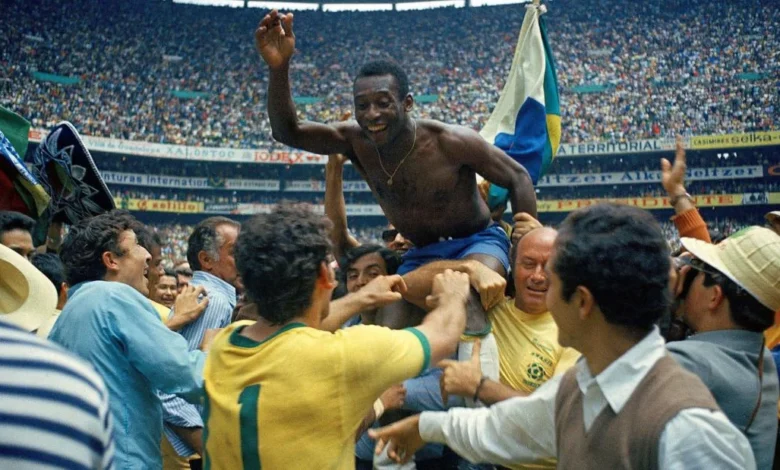
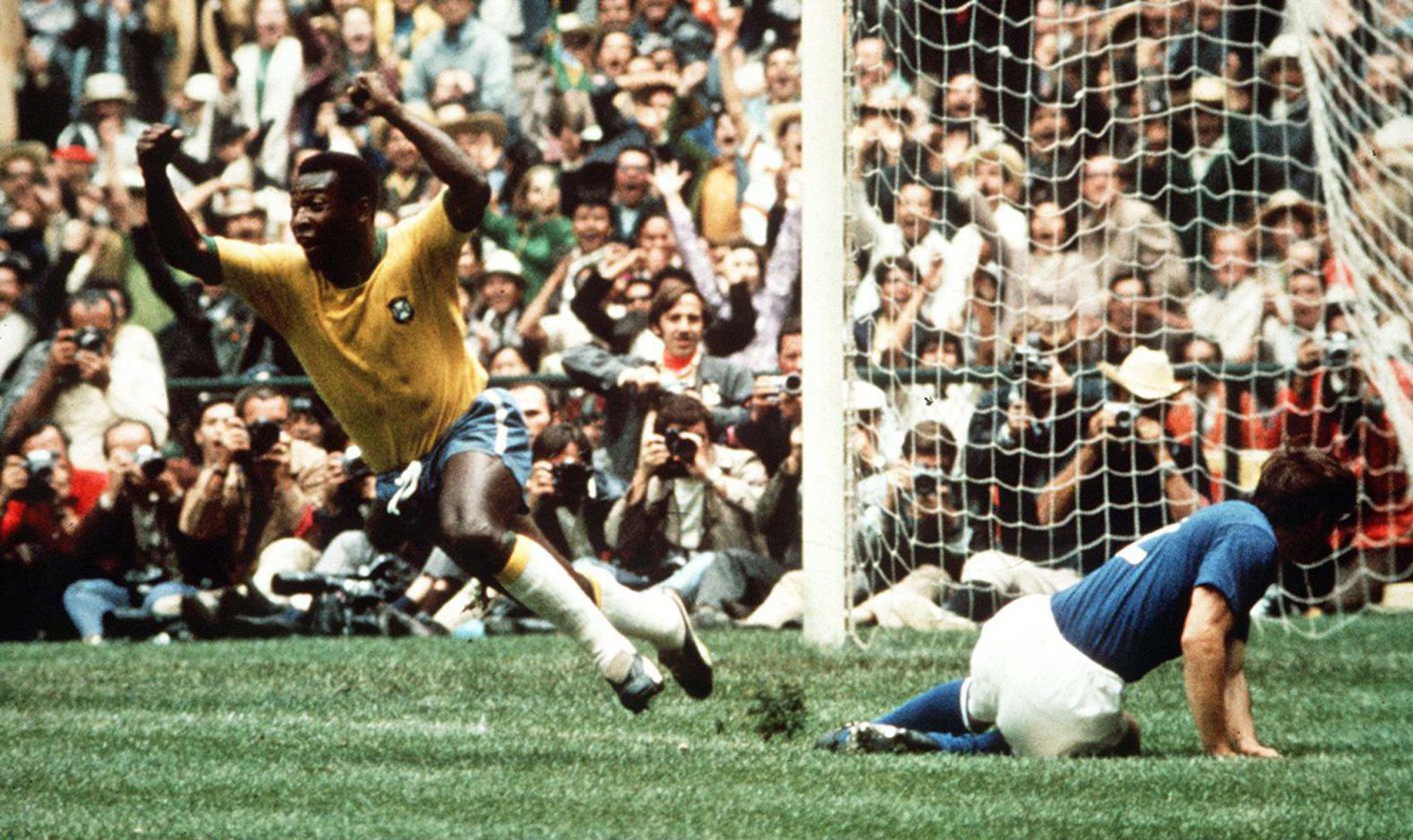
Pelé’s career trajectory was nothing short of meteoric. He remains the only player in history to have won three FIFA World Cups, a feat achieved in 1958, 1962, and 1970. The 1962 World Cup in Chile saw Brazil defend its title, though Pelé was sidelined by injury early in the tournament. However, the 1970 World Cup in Mexico is often cited as the pinnacle of his career and a testament to the unparalleled brilliance of the Brazilian team. This squad, widely regarded as one of the greatest in football history, featured an attacking prowess that mesmerized opponents and spectators alike. Pelé, in his prime, was the orchestrator of this symphony of skill, culminating in a masterful performance in the final against Italy, where Brazil triumphed 4-1. His iconic goal in that match, where he outmaneuvered defender Tarcisio Burgnich before scoring, is etched in footballing folklore, prompting Burgnich to later remark, "Before the match, I told myself that Pelé was just flesh and bones like the rest of us. Later, I realized I’d been wrong."
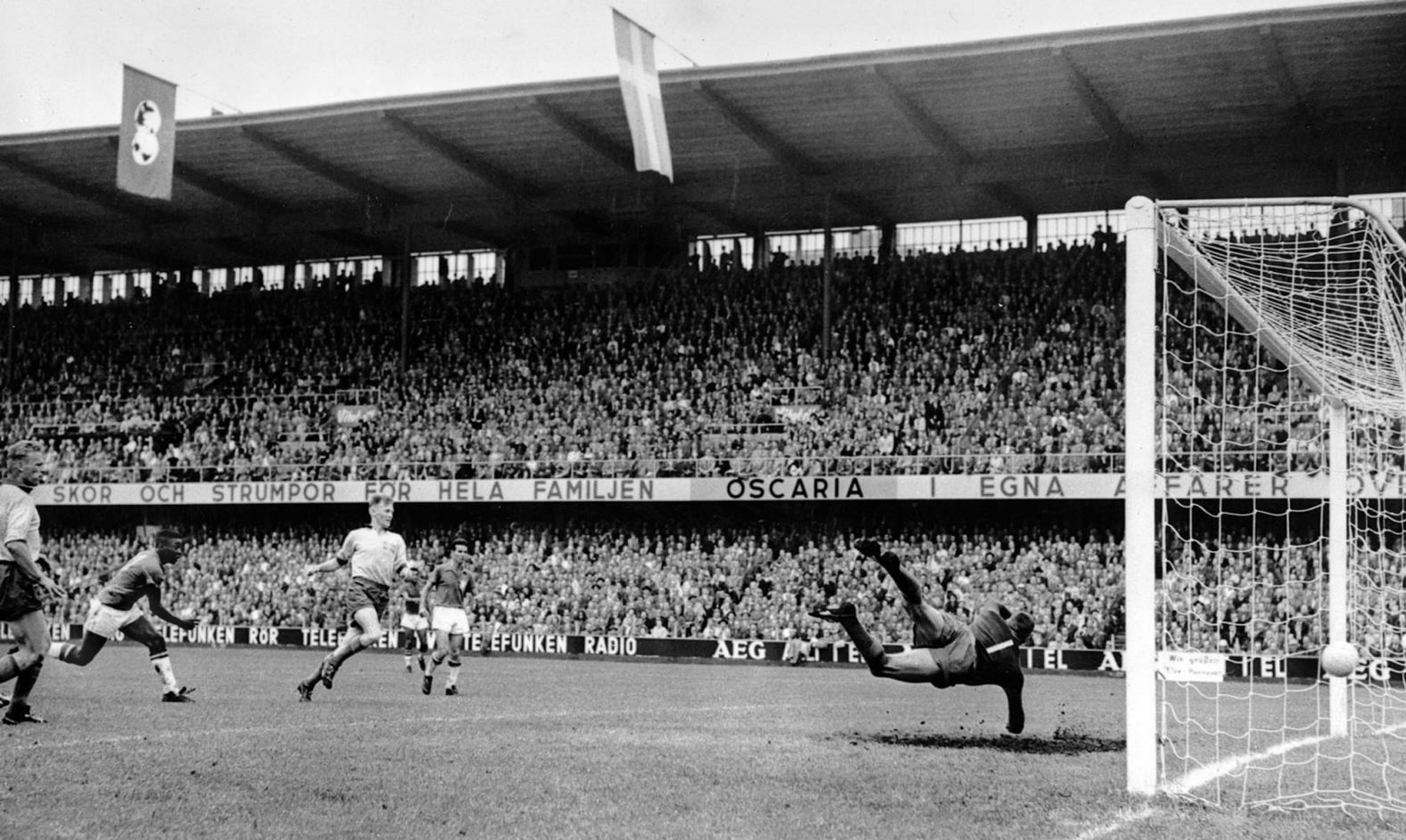
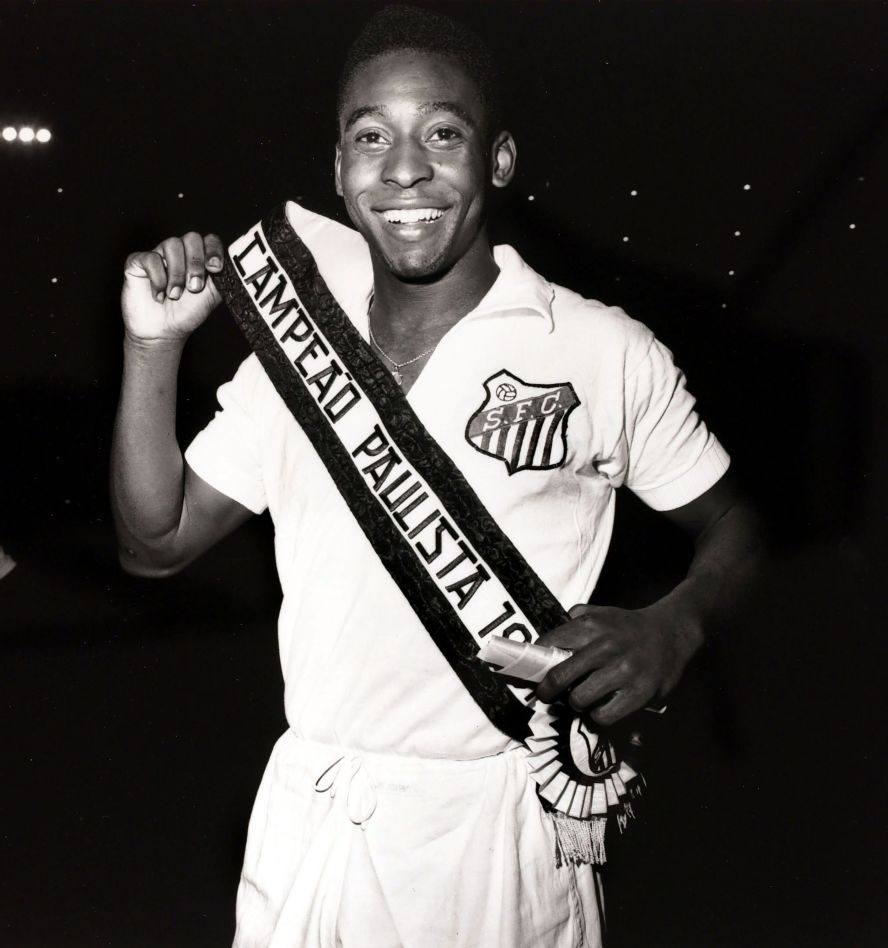
Throughout his illustrious tenure with Santos FC, from 1956 to 1974, Pelé scored an astonishing 618 goals in official matches, a record that underscores his prolific scoring ability. He led Santos to numerous domestic and international titles, including six Brazilian league championships and two Copa Libertadores titles in 1962 and 1963, solidifying the club’s reputation as a continental powerhouse. His impact extended beyond the borders of Brazil, as Santos embarked on extensive international tours, bringing Pelé’s magic to audiences worldwide.
In the twilight of his career, Pelé made a significant move to the North American Soccer League (NASL), signing a lucrative contract with the New York Cosmos in 1975. This transfer was a watershed moment for American soccer, injecting a level of global recognition and excitement into the nascent league. Pelé’s presence not only boosted ticket sales and media attention but also inspired a generation of American players and fans. He led the Cosmos to an NASL championship in 1977, his final professional season, before retiring from the sport that had defined his life.
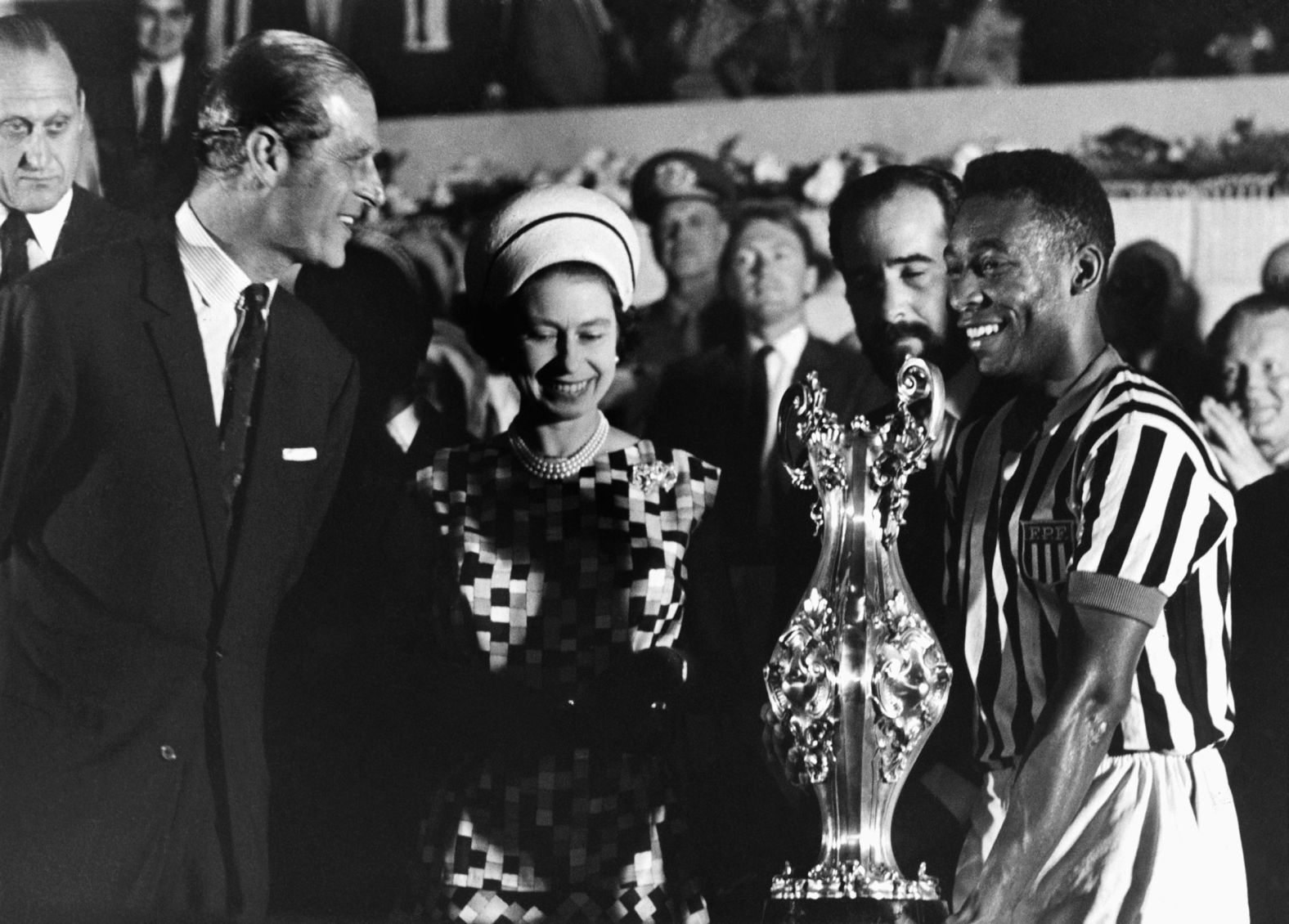
Pelé’s influence was not confined to the realm of sports. His global fame positioned him as an ambassador for Brazil and a symbol of aspiration. He met with world leaders, including U.S. Presidents Richard Nixon and Ronald Reagan, and even Queen Elizabeth II. His celebrity status was so profound that Ronald Reagan famously quipped in 1986, "My name is Ronald Reagan, I’m the President of the United States of America. But you don’t need to introduce yourself, because everyone knows who Pelé is." This recognition highlights his unique ability to transcend cultural and political divides.
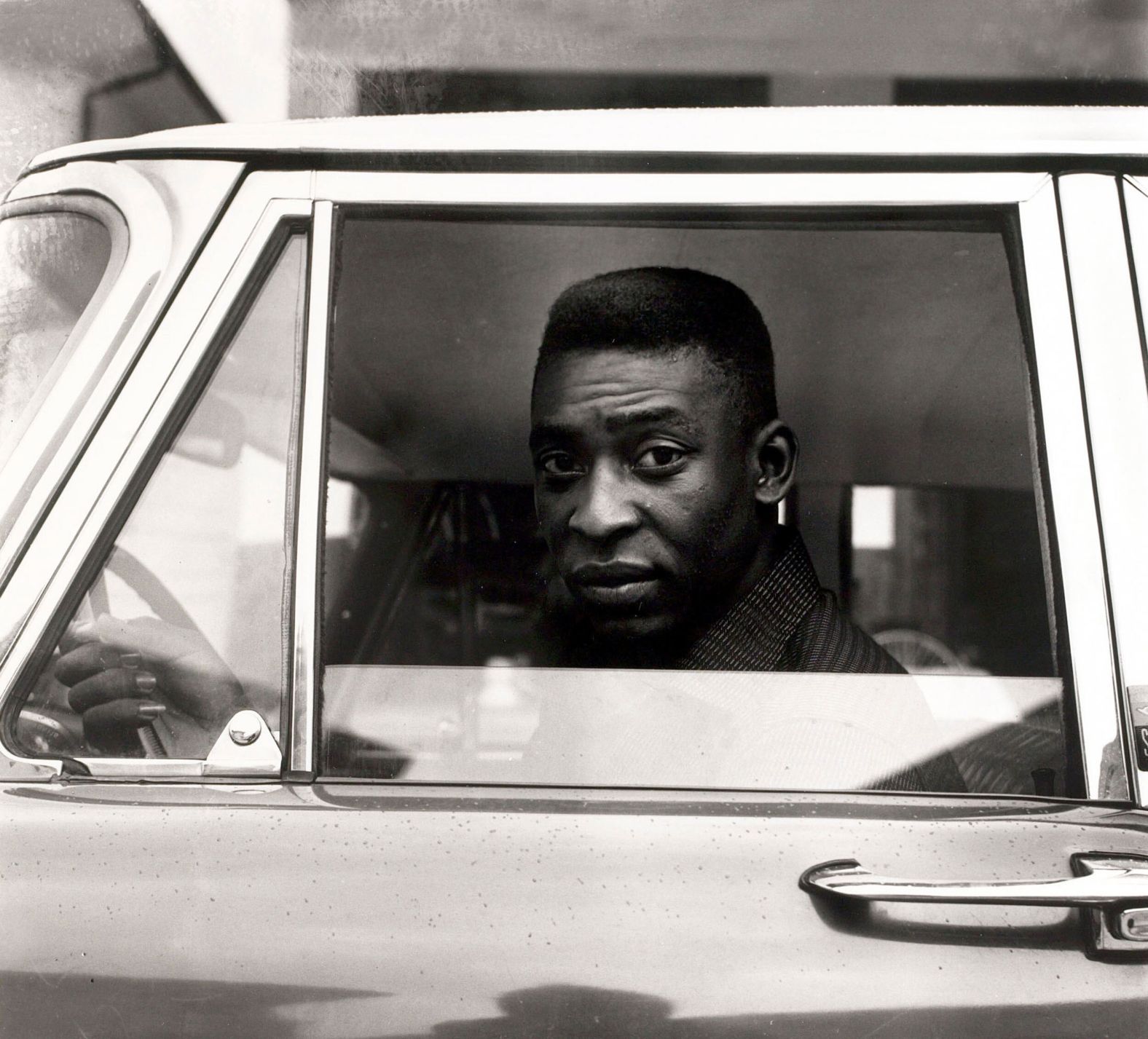
In 2000, FIFA, the international governing body for football, recognized Pelé’s unparalleled legacy by naming him Player of the Century, a title he shared with Argentine legend Diego Maradona. This joint honor acknowledged the distinct yet equally monumental contributions of these two footballing titans to the sport. After Maradona’s passing in 2020, Pelé paid a heartfelt tribute on Instagram, calling him a "dear friend" and expressing hope that they would "play soccer together in the sky."
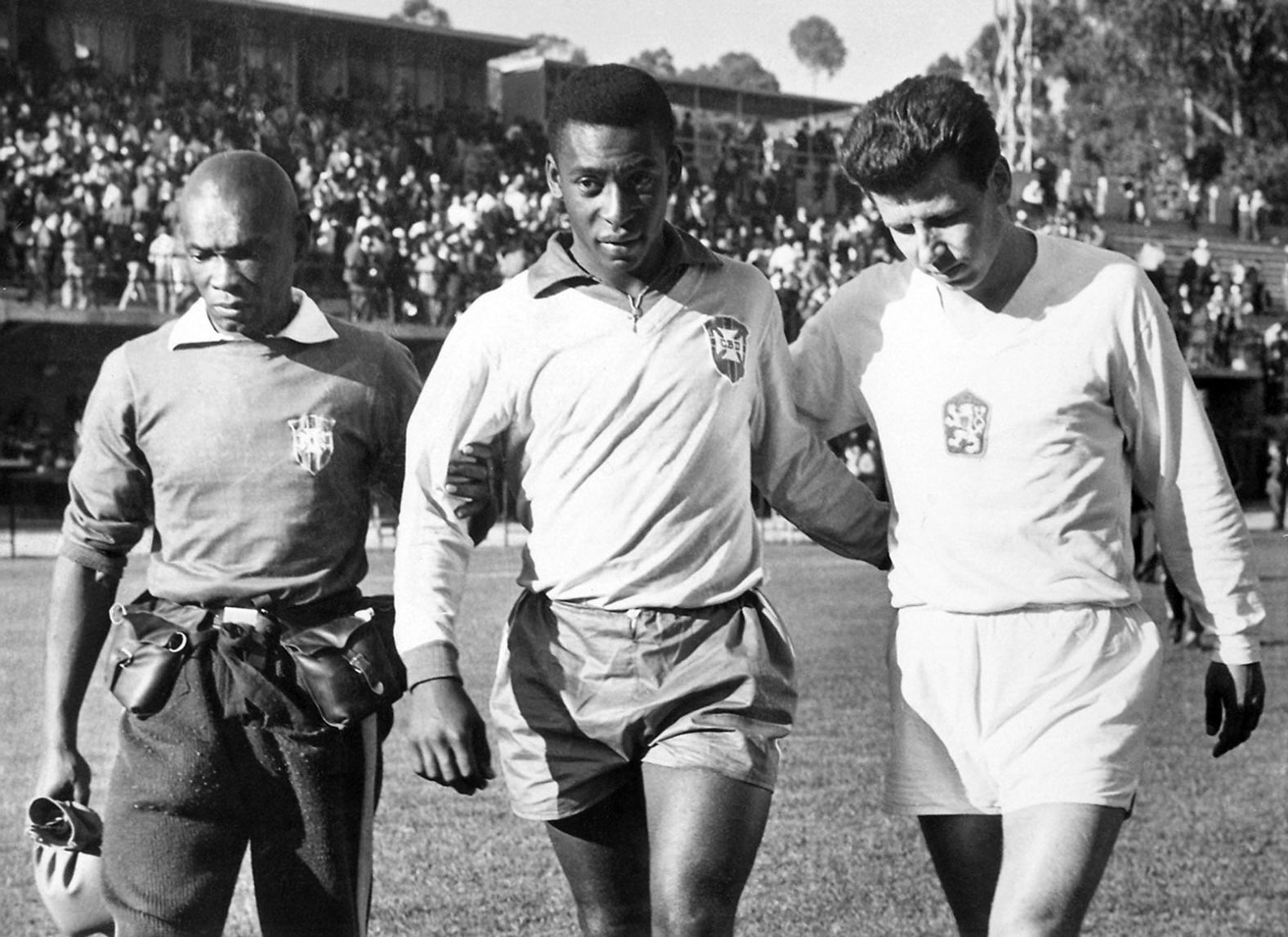
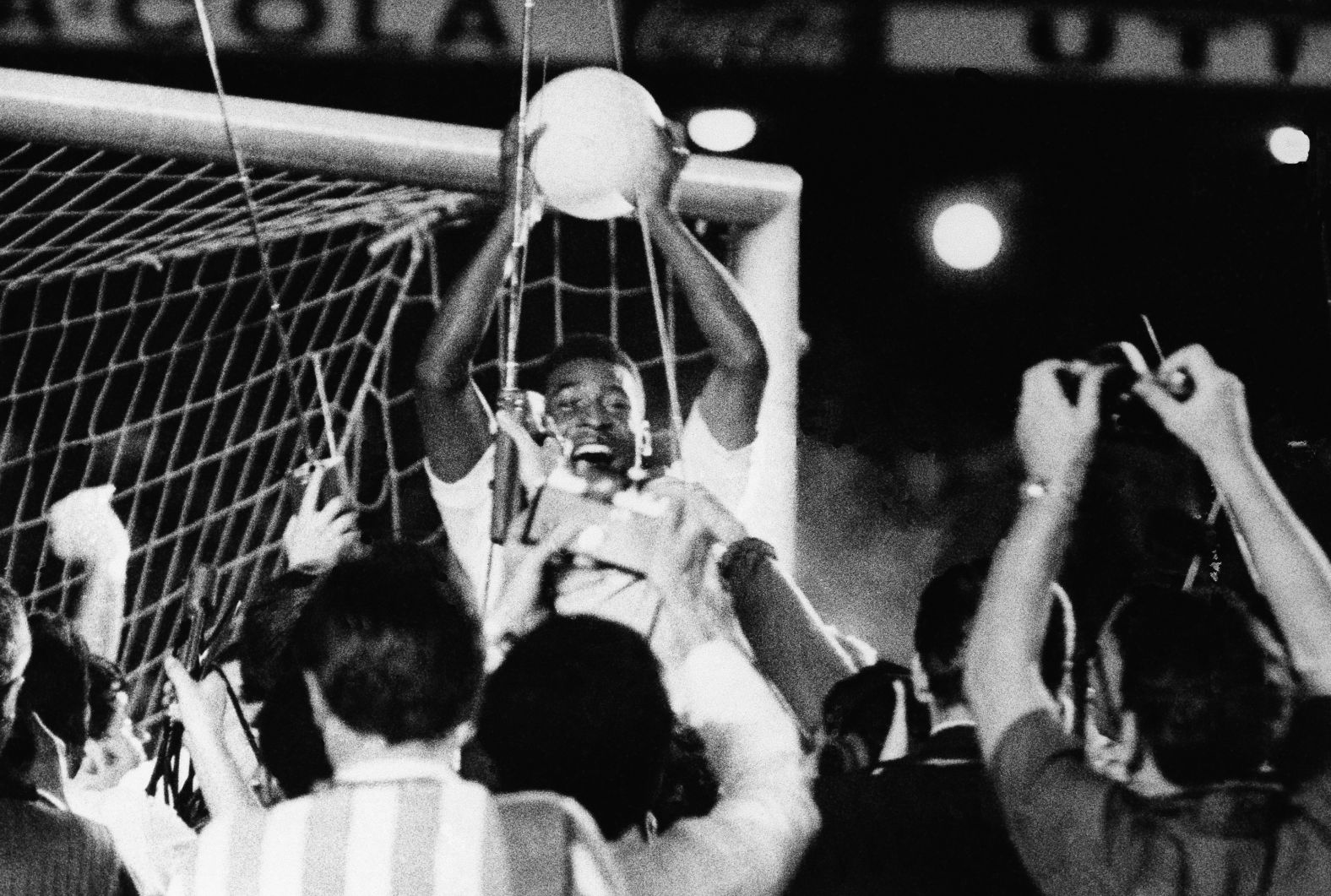
Pelé’s own words often encapsulated his deep connection to the game: "I was born to play football, just like Beethoven was born to write music and Michelangelo was born to paint." This profound statement reflects his lifelong dedication and the inherent artistry he brought to the sport. His career was marked by remarkable milestones, including scoring his 1,000th career goal in 1969, a feat celebrated with fervor by fans across Brazil.
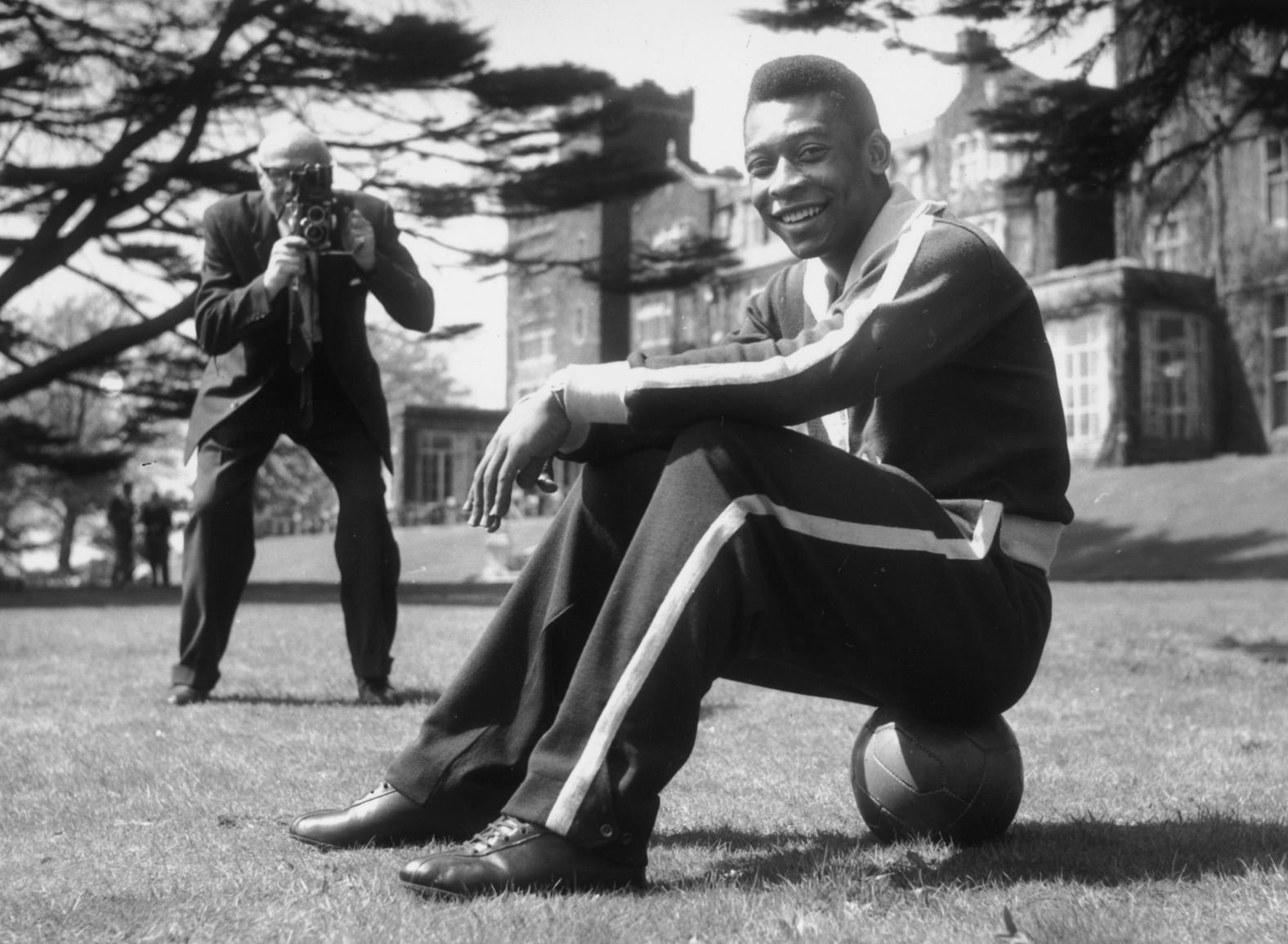
Beyond his on-field achievements, Pelé was also a significant cultural figure. He appeared in films, including the 1981 movie "Escape to Victory," alongside actors Michael Caine and Sylvester Stallone, further cementing his global recognition. He also served as a UNICEF Goodwill Ambassador for many years, dedicating his influence to promoting peace and advocating for vulnerable children, demonstrating a commitment to social causes that extended far beyond the football pitch.
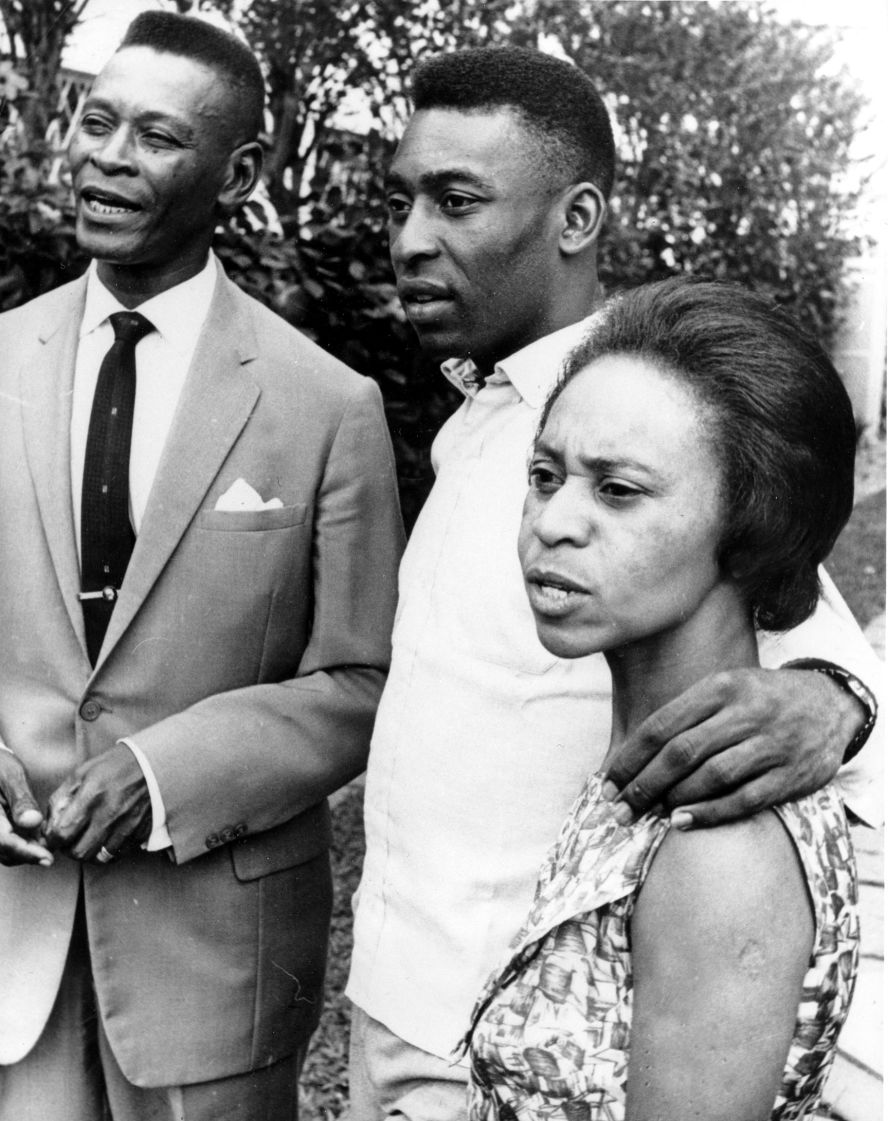
In his later years, Pelé continued to be an outspoken political voice, championing the cause of the poor in Brazil. His influence and dedication to humanitarian efforts underscore the multifaceted nature of his legacy, which encompassed not only sporting excellence but also a deep commitment to social justice and global well-being.
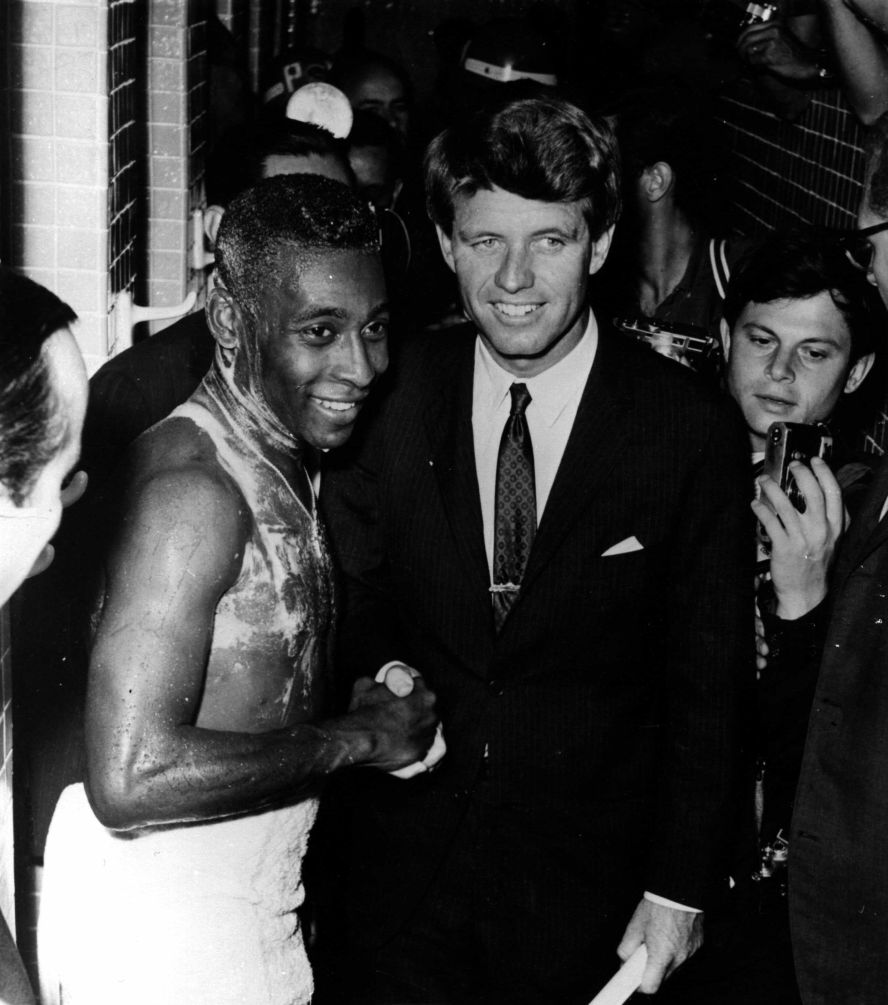
Pelé’s passing leaves an immeasurable void in the world of sports and beyond. He is survived by his children and leaves behind a legacy that will continue to inspire generations of athletes and fans. His life story, from the dusty streets of Bauru to the pinnacle of global fame, is a testament to the transformative power of talent, dedication, and the universal language of sport. The images captured throughout his extraordinary life serve as a visual chronicle of a legend whose impact on football and the world remains indelible.
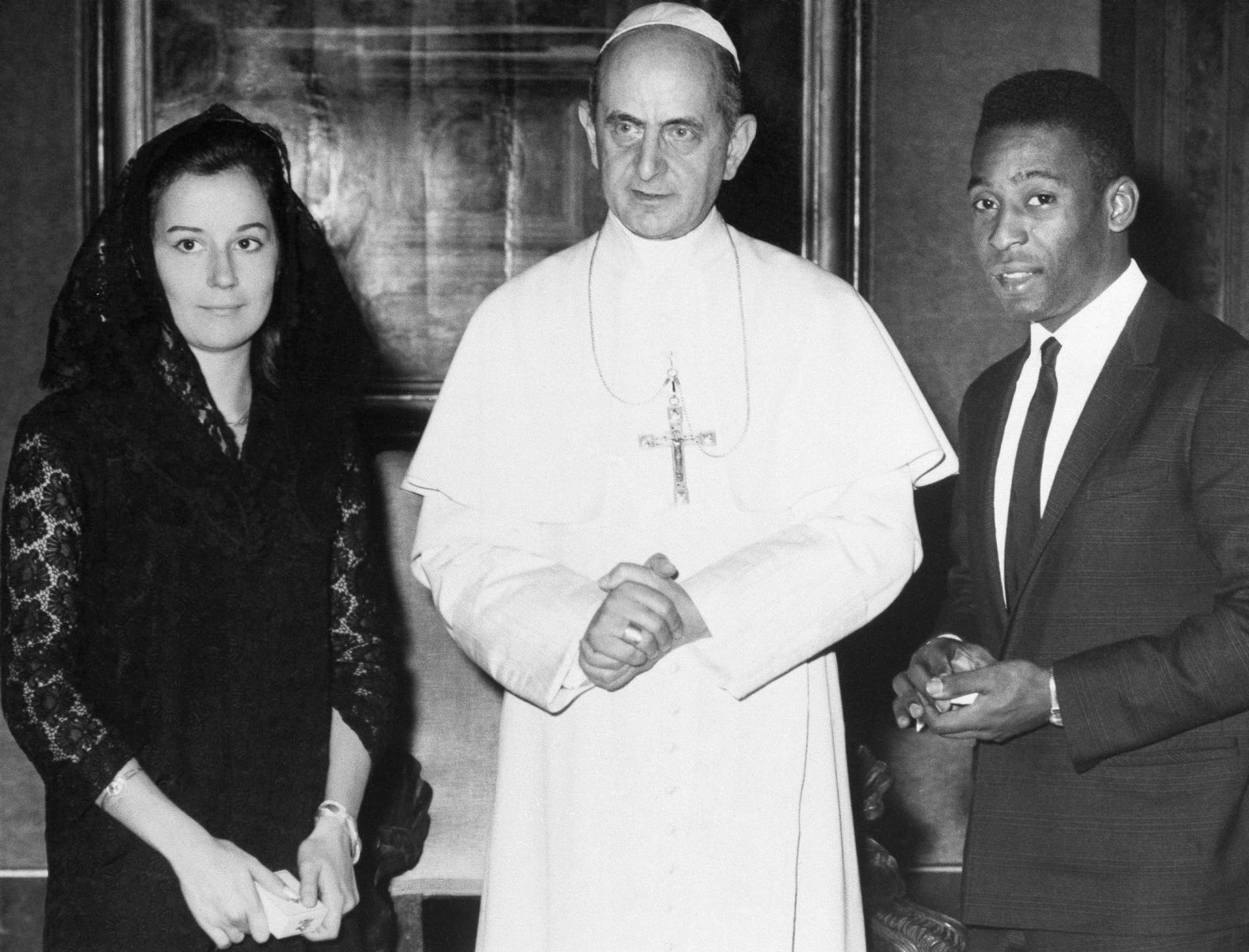
A Chronological Journey Through a Legendary Career
Early Life and Rise to Stardom:
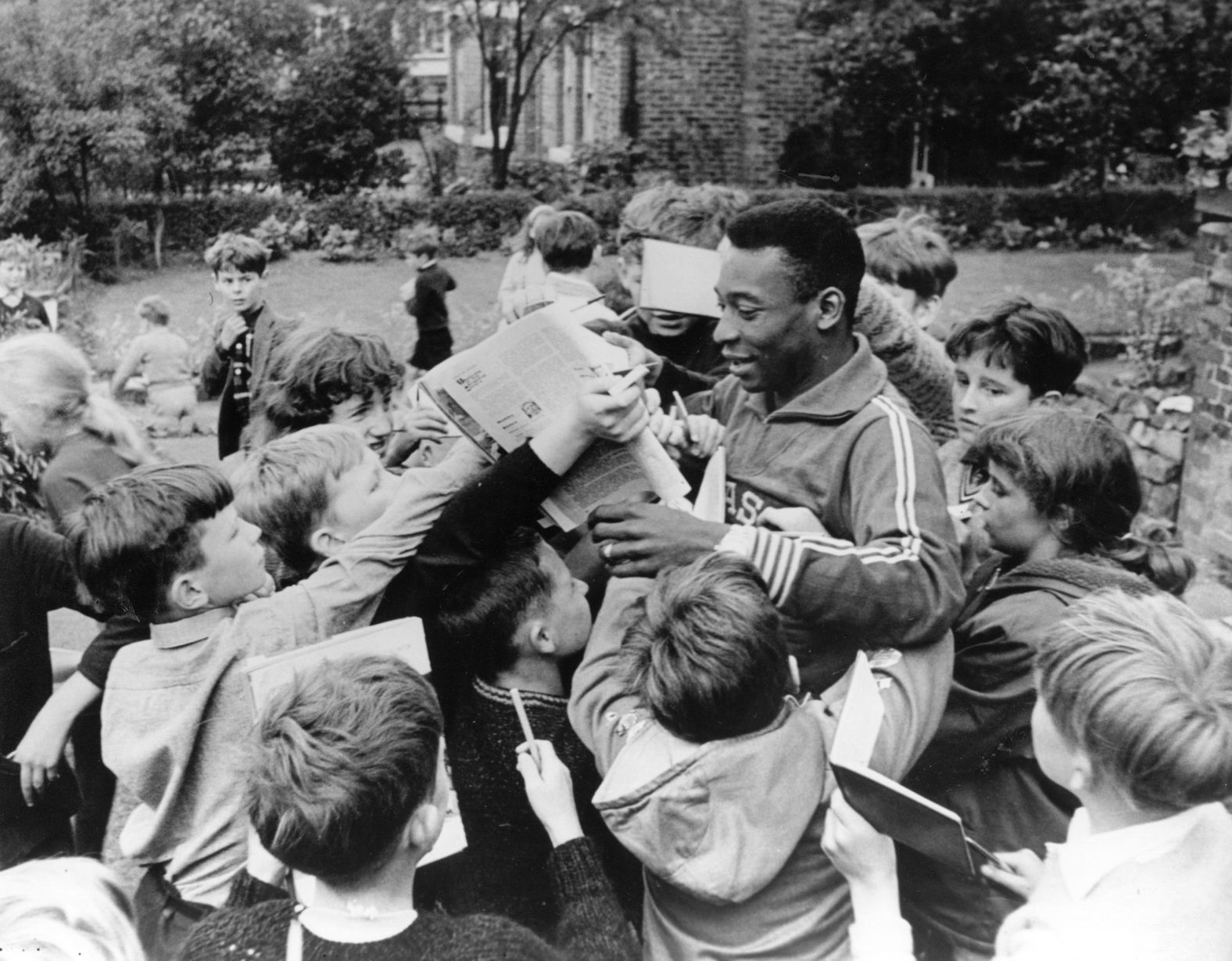
- 1940: Born Edson Arantes do Nascimento in Três Corações, Minas Gerais, Brazil.
- 1950s (Early): Hones football skills playing barefoot in impoverished conditions.
- 1956: Joins Santos FC as a professional at age 15.
- 1957: Makes his debut for the Brazilian national team at age 16.
- 1958: At 17, becomes a global sensation, scoring six goals, including two in the final, as Brazil wins its first World Cup in Sweden.
Dominance and Global Recognition:
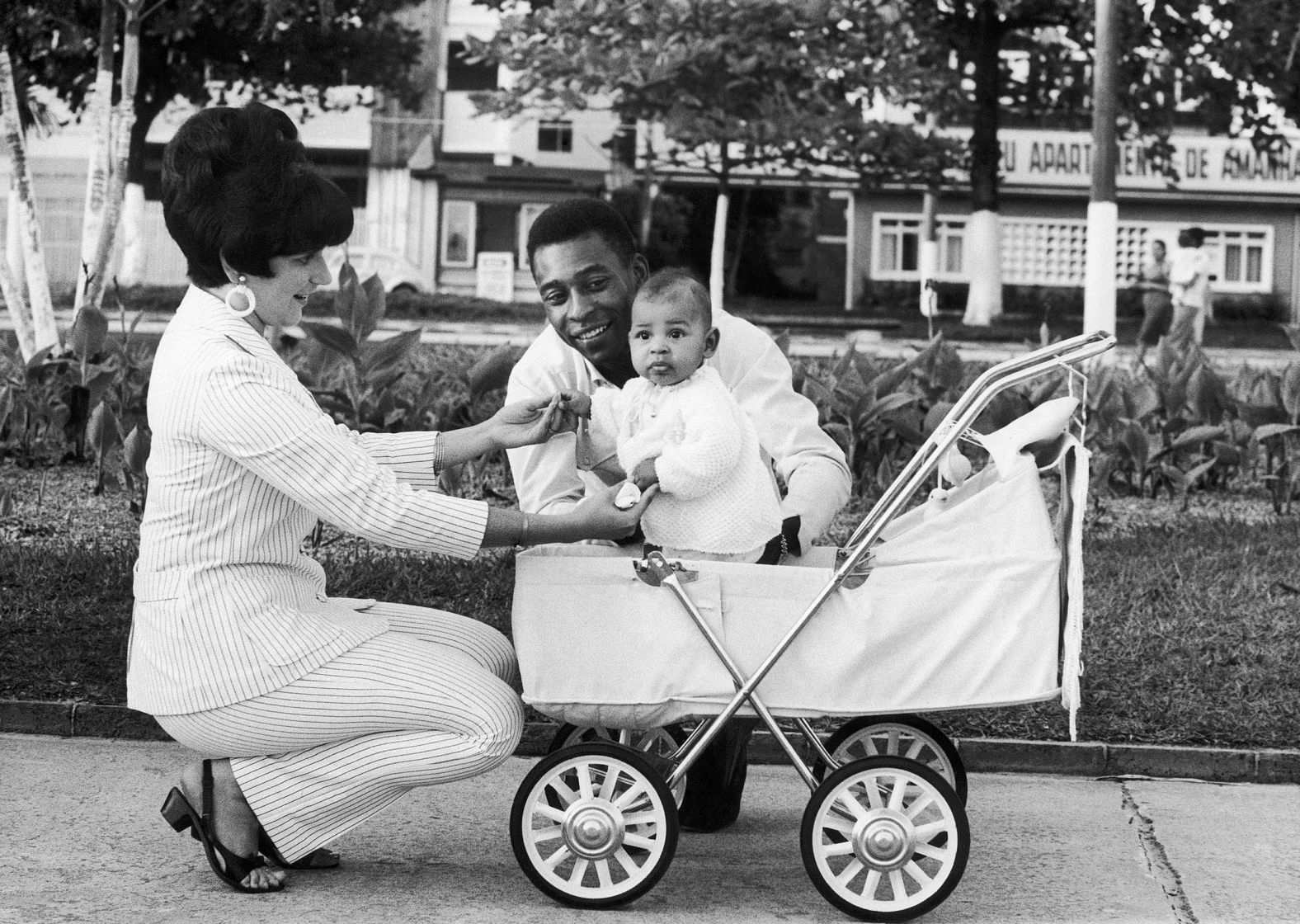
- 1962: Brazil wins its second World Cup in Chile; Pelé is injured early in the tournament but remains a symbol of the team’s success.
- 1956-1974: Plays for Santos FC, scoring over 600 goals and leading the club to numerous domestic and international titles, including two Copa Libertadores in 1962 and 1963.
- 1963: Plays a pivotal role in Santos’ Intercontinental Cup victories.
- 1965: Meets U.S. Senator Robert F. Kennedy during a visit to Rio de Janeiro.
- 1966: Participates in the World Cup in England, but Brazil is eliminated in the group stage.
- 1969: Scores his 1,000th career goal, a momentous occasion celebrated across Brazil.
Later Career and Enduring Influence:
- 1970: Captains Brazil to their third World Cup title in Mexico, in a performance widely considered one of the greatest team displays in football history.
- 1971: Plays his final match for the Brazilian national team.
- 1973: Visits the White House and meets U.S. President Richard Nixon.
- 1975: Signs a landmark contract with the New York Cosmos in the North American Soccer League (NASL).
- 1977: Plays his final professional match, an exhibition between the Cosmos and Santos, retiring from the sport.
- 1981: Stars in the film "Escape to Victory."
- 1986: Ronald Reagan famously acknowledges his global recognition.
- 1990s: Becomes an outspoken political voice in Brazil, advocating for the poor.
- 1995-1998: Serves as Brazil’s extraordinary minister for sport, initiating reforms.
- 2000: Named FIFA’s Player of the Century alongside Diego Maradona.
- 2016: Attends a charity match in Manchester, England.
- 2020: Pays tribute to the late Diego Maradona.
- 2022: Passes away at the age of 82.
The Unprecedented Impact of Pelé’s Career
Pelé’s career statistics are a testament to his enduring excellence. He scored an officially recognized 767 goals in 831 competitive matches, though some sources claim higher figures when including unofficial games. His three World Cup victories remain unmatched by any other player. His transfer to the New York Cosmos in 1975 was not merely a career move but a strategic effort to popularize soccer in the United States. The NASL’s attendance figures surged following his arrival, and the league saw an influx of other international stars, including Franz Beckenbauer and Johan Cruyff, further elevating the sport’s profile in North America.
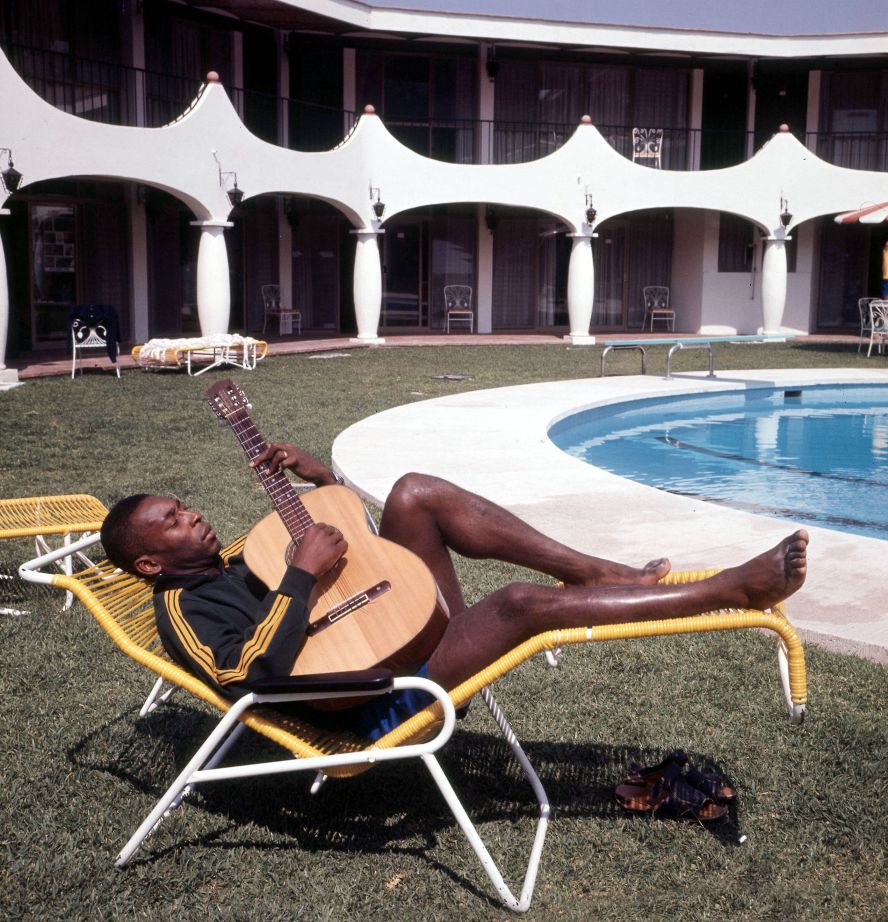
Pelé’s influence on the game extended to how it was perceived globally. He was instrumental in transforming football from a regional sport into a truly international phenomenon. His charisma and accessibility made him a beloved figure, and his performances on the world stage captivated audiences who might otherwise have had little interest in soccer. This global appeal translated into significant commercial opportunities, making him one of the first truly global sports endorsements figures.
Reactions to Pelé’s Passing
The news of Pelé’s death elicited widespread tributes from across the globe, from fellow athletes, political leaders, and football organizations. FIFA President Gianni Infantino stated, "Pelé was a magician of the ball, a true icon and ambassador of football. His legacy, his memories, and his achievements will live forever." Brazilian President Luiz Inácio Lula da Silva declared three days of national mourning, calling Pelé "much more than a sportsman" and "a symbol of excellence and joy for our country." Soccer stars, both past and present, shared their admiration and condolences, highlighting the profound impact Pelé had on their careers and the sport itself. Iconic figures like Cristiano Ronaldo and Lionel Messi expressed their grief, acknowledging Pelé’s unparalleled contributions.
Broader Impact and Enduring Legacy
Pelé’s impact transcended statistics and trophies. He became a symbol of Brazilian national pride and a beacon of hope for millions. His ability to connect with people from all walks of life, whether royalty or common fans, underscored his unique ability to unite through the beautiful game. His later involvement in humanitarian causes, particularly as a UNICEF Goodwill Ambassador, demonstrated a commitment to social responsibility that amplified his influence beyond the sporting arena. He used his platform to advocate for children’s rights and promote peace, demonstrating that his vision extended far beyond the 90 minutes of a football match.
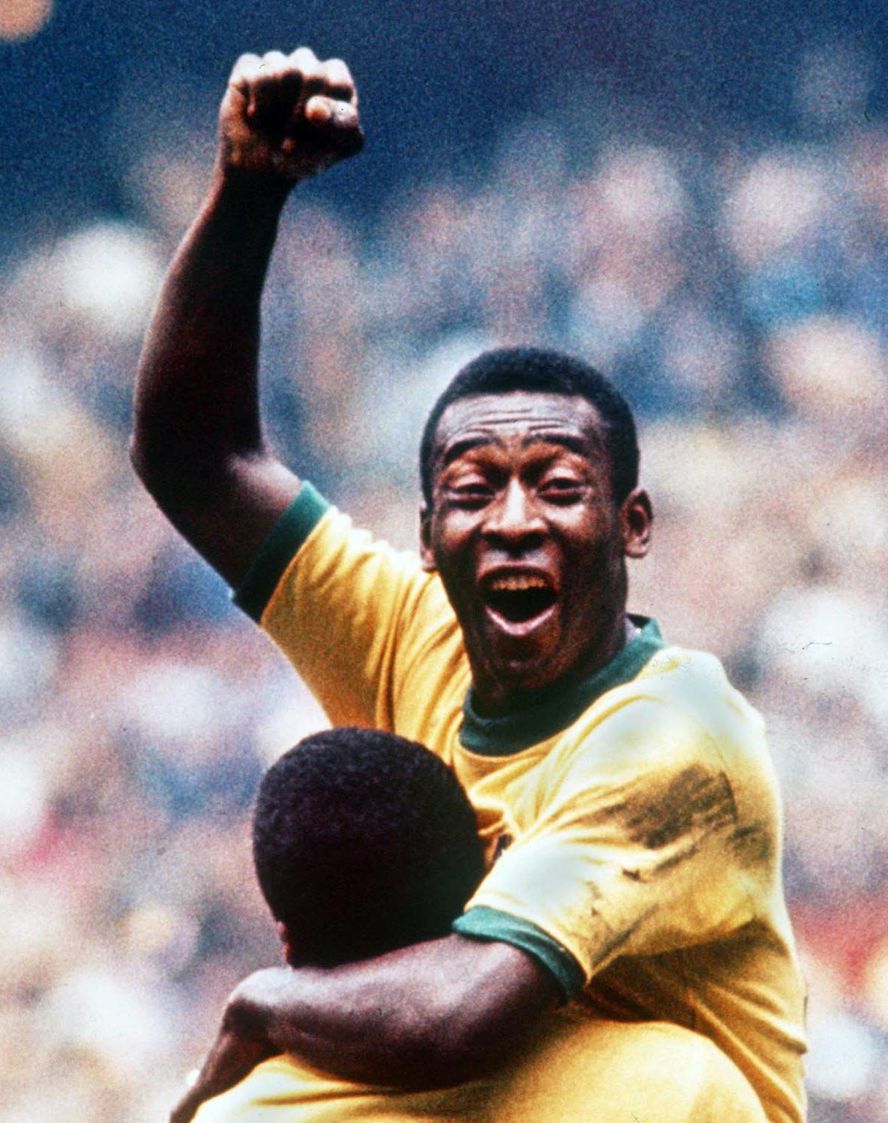
The narrative of Pelé’s life, from his impoverished upbringing to his global superstardom, is a powerful illustration of how sport can be a catalyst for social mobility and a source of national identity. His unique blend of skill, sportsmanship, and humanitarianism has left an indelible mark on the history of football and the collective consciousness of the world. As the tributes continue to pour in, it is clear that Pelé’s legacy is not just that of a legendary footballer, but of a cultural icon who inspired millions and left an enduring legacy of joy, excellence, and compassion. The images of his career, from his early triumph in Sweden to his final days, serve as a poignant reminder of a life lived to its absolute fullest, on and off the pitch.