
Dozens Killed In Shelling Of Market In Russian Occupied City Of Donetsk
Dozens Killed in Russian-Occupied Donetsk Market Shelling: Unfolding Tragedy
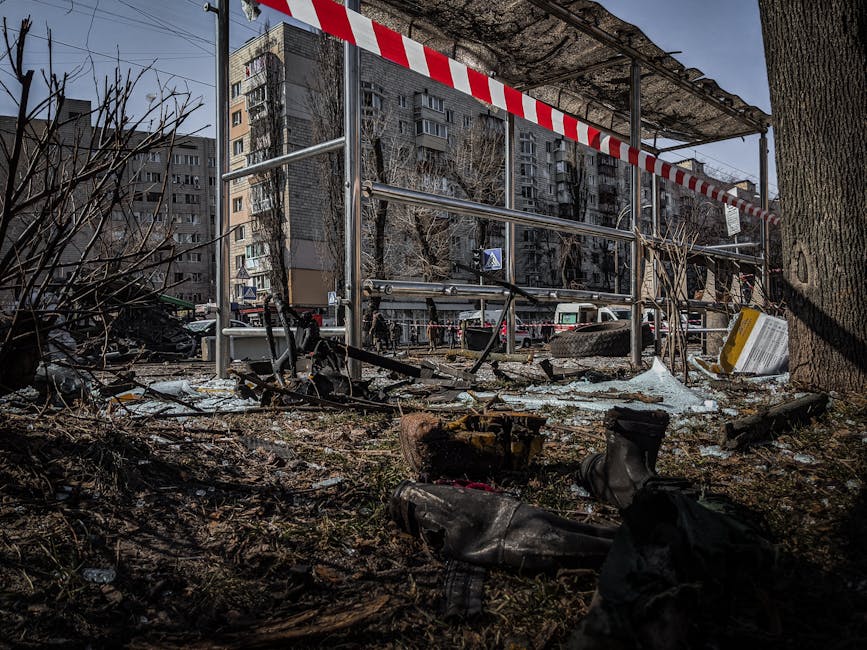
A devastating artillery strike on a bustling marketplace in the Russian-occupied city of Donetsk has resulted in the deaths of dozens of civilians and injured many more, according to preliminary reports from the de facto authorities and eyewitness accounts. The incident, which occurred on a busy market day, has sent shockwaves through the already war-torn region, amplifying the human cost of the protracted conflict. The exact number of casualties remains fluid as emergency services and local residents work to assess the full extent of the damage and locate those affected. Images emerging from the scene depict widespread destruction, with market stalls flattened, debris scattered across the area, and visible signs of the violence that has become a grim reality for many in eastern Ukraine.
The targeted location, known for its vibrant commerce and central role in daily life for Donetsk residents, was teeming with shoppers and vendors at the time of the attack. This indiscriminate nature of the shelling, striking a place of civilian congregation, has drawn immediate condemnation from various international bodies and human rights organizations. While official statements from the Russian-backed administration in Donetsk attribute the shelling to Ukrainian forces, Kyiv has vehemently denied any involvement, pointing to the strategic implications of such an attack and suggesting it could be a staged event or a consequence of Russian artillery miscalculation or deliberate targeting of civilian infrastructure. The lack of independent verification of the precise origin of the shelling, amidst the ongoing information warfare and restricted access for international monitors, makes definitive attribution challenging in the immediate aftermath. However, the sheer scale of the civilian casualties underscores the brutal reality of fighting in densely populated urban areas.
The shelling of the Donetsk market is not an isolated event but represents a chilling continuation of a pattern of attacks on civilian infrastructure and populations that has characterized the conflict in eastern Ukraine since 2014, and escalated significantly with the full-scale Russian invasion in February 2022. Throughout the war, marketplaces, residential buildings, hospitals, and schools have repeatedly been struck, leading to significant loss of life and displacement. The strategic importance of Donetsk, a major industrial and administrative center, has made it a focal point of the conflict, with both sides vying for control and inflicting damage on areas claimed by the adversary. The economic and social fabric of the city has been systematically eroded by years of hostilities, and this latest incident further deepens the wounds inflicted upon its inhabitants. The reverberations of this tragedy will be felt for a long time, compounding the existing humanitarian crisis.
The humanitarian consequences of this attack are profound. Beyond the immediate loss of life, a multitude of individuals have sustained severe injuries, requiring urgent medical attention. Hospitals in the occupied territories are reportedly struggling to cope with the influx of casualties, a situation exacerbated by pre-existing challenges in the healthcare system under prolonged conflict. Furthermore, the destruction of the market not only represents a physical loss but also a significant blow to the local economy and the livelihoods of countless vendors and their families. For many in Donetsk, the market served as a primary source of food and essential goods, and its destruction will likely lead to shortages and increased hardship, particularly for vulnerable populations. The psychological toll on survivors, witnesses, and the wider community is immense, adding another layer to the already pervasive trauma of war.
International responses to the Donetsk market shelling have been swift and condemnatory, though the effectiveness of these pronouncements in halting such atrocities remains a critical question. Many governments and international organizations have reiterated their calls for adherence to international humanitarian law, which strictly prohibits targeting civilian areas and objects. The United Nations and the International Committee of the Red Cross (ICRC) are working to assess the situation and provide assistance where possible, but access and security concerns often impede their efforts in occupied territories. The challenge of holding perpetrators accountable for alleged war crimes remains a significant hurdle, with ongoing investigations struggling to gather sufficient evidence in a contested and dangerous environment. The international community faces the difficult task of balancing diplomatic pressure with concrete actions to protect civilians and ensure justice.
The geopolitical implications of the Donetsk market shelling are also significant. In the ongoing narrative war surrounding the conflict, both Moscow and Kyiv are utilizing such incidents to bolster their respective positions and garner international sympathy. Russia, through its state-controlled media and official pronouncements, is likely to amplify its narrative of Ukrainian aggression and the alleged indiscriminate shelling of civilian areas within territories it claims. Conversely, Ukraine will likely highlight this as further evidence of Russia’s disregard for civilian life and its purported strategy of terrorizing the population in occupied regions. The international media landscape, often polarized by the conflict, will play a crucial role in shaping public perception and influencing diplomatic responses. The lack of unimpeded access for independent journalists further complicates the ability of the global public to form a comprehensive understanding of the events on the ground.
The economic impact of the attack, beyond the immediate destruction of market stalls, is also worth considering. Donetsk, as a key industrial hub, has already suffered immensely from the conflict. The destruction of vital infrastructure, including marketplaces that facilitate local trade, further hampers any potential for economic recovery or stability. Sanctions imposed on Russia and the broader economic disruption caused by the war have already had a severe effect on the region. This latest incident will likely exacerbate existing economic vulnerabilities, leading to increased inflation, shortages of goods, and a further decline in living standards for the residents of Donetsk. The long-term economic consequences will depend on the duration of the conflict and the eventual geopolitical landscape.
The psychological impact on the civilian population in Donetsk cannot be overstated. Years of living under the constant threat of shelling, combined with the destruction of familiar public spaces like the market, contribute to a pervasive sense of fear, anxiety, and despair. The loss of loved ones, the trauma of witnessing such violence, and the uncertainty of the future take a heavy toll on mental health. Support services for victims of trauma are likely to be strained, and the long-term psychological recovery of the community will be a significant challenge. The fabric of daily life, characterized by resilience and adaptation, is stretched to its breaking point by such repeated and devastating attacks.
The role of information and disinformation surrounding events like the Donetsk market shelling is paramount. In a conflict where access to objective information is often restricted, propaganda and misinformation campaigns are rampant. Both sides engage in efforts to shape narratives, demonize the adversary, and rally domestic and international support. The shelling of a civilian market is a highly sensitive event that is ripe for exploitation by these disinformation networks. Therefore, critically evaluating all information sources, seeking verification from independent bodies, and acknowledging the inherent biases present in wartime reporting are crucial for understanding the complexities of the situation. The challenge for the global audience is to sift through the noise and discern the verifiable facts amidst the propaganda.
Looking ahead, the investigation into the origin of the shelling is likely to be contentious. Ukraine will demand a thorough and independent inquiry, while Russia may attempt to control the narrative and deflect blame. The involvement of international bodies, if granted access, could provide a more impartial assessment, but their ability to operate freely in occupied territories is limited. The pursuit of accountability for such egregious acts of violence against civilians remains a critical aspect of international justice and a deterrent against future atrocities. Without credible investigations and accountability, the cycle of violence and impunity risks continuing.
The destruction of the Donetsk market serves as a stark reminder of the indiscriminate nature of modern warfare and the devastating consequences for civilian populations. It highlights the urgent need for de-escalation, the protection of civilians, and adherence to international humanitarian law. The international community’s response, beyond condemnations, will be crucial in determining whether such tragedies can be prevented in the future and whether justice can be served for the victims. The scars left by this attack on the people of Donetsk will be deep and enduring, a testament to the human cost of this prolonged and brutal conflict. The resilience of the human spirit will be tested once again as the community grapples with loss, trauma, and the daunting task of rebuilding their lives amidst the ruins of war. The focus must remain on the humanitarian imperative: to alleviate suffering, provide aid, and advocate for a peaceful resolution that prioritizes the safety and well-being of all civilians caught in the crossfire.
