
French Musical Maestro Thomas Roussel On Working With Superstar Pharrell Williams
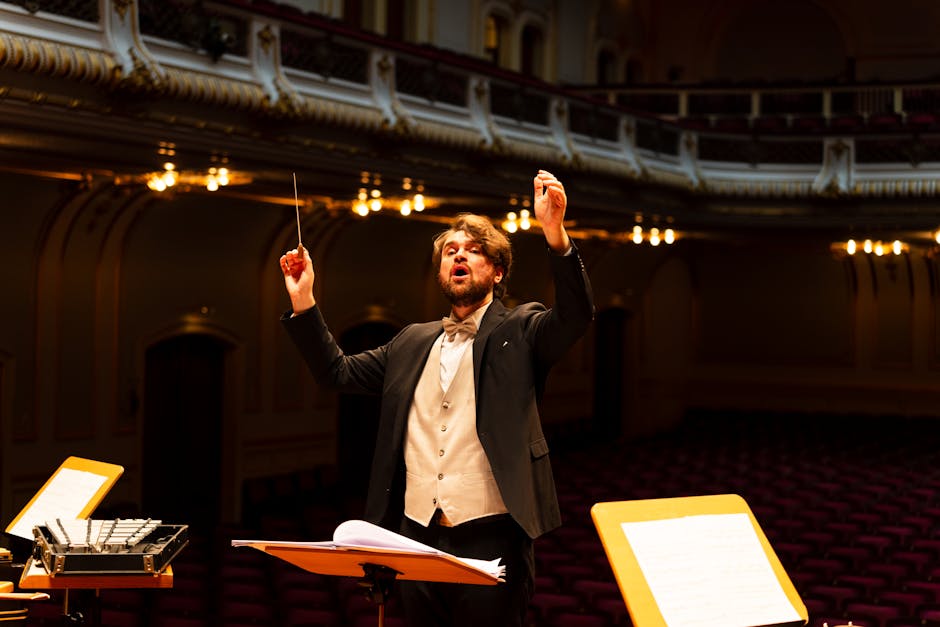
Thomas Roussel & Pharrell Williams: A Symbiotic Sonic Alchemy
The collaborative landscape of modern music is a fascinating ecosystem, often defined by unexpected pairings that yield groundbreaking results. Among these, the synergy between French composer and producer Thomas Roussel and global music icon Pharrell Williams stands out as a testament to shared artistic vision and technical prowess. This partnership, forged through a mutual respect for sonic innovation, has resulted in critically acclaimed projects that showcase Roussel’s distinctive compositional flair and Williams’ unparalleled ability to translate artistic concepts into commercially resonant anthems. Their work together transcends mere production; it represents a deep dive into musical architecture, where Roussel’s intricate arrangements meet Williams’ infectious melodies and distinctive vocal textures, creating a unique sonic fingerprint that has captivated audiences worldwide.
Roussel, a classically trained musician with a background in orchestral composition and electronic music, brings a rare breadth of knowledge to his collaborations. His early career was marked by a meticulous approach to arrangement and a deep understanding of harmonic structure, skills honed through years of studying music theory and experimenting with diverse sonic palettes. This foundation allows him to construct complex musical landscapes, often weaving together orchestral elements with cutting-edge electronic production techniques. This ability to blend the organic with the synthetic is a key factor in his appeal to artists like Williams, who are constantly seeking to push the boundaries of contemporary sound. Roussel’s work is characterized by its emotional depth, its sophisticated layering, and its often cinematic quality, making him a sought-after talent for projects demanding a nuanced and impactful musical score.
Pharrell Williams, a multifaceted artist whose influence extends across music production, songwriting, fashion, and entrepreneurship, possesses an innate ability to identify and cultivate emerging talent. His keen ear for melody, his groundbreaking production techniques, and his visionary approach to artistic creation have cemented his status as one of the most influential figures in the music industry. Williams’ collaborations are legendary, and his willingness to partner with artists who bring a unique perspective is a hallmark of his creative process. His engagement with Roussel signals a deliberate exploration of new sonic territories, moving beyond his established R&B and hip-hop roots to embrace a more expansive and orchestral sound. This openness to innovation is what makes their joint ventures so compelling.
The genesis of their collaboration often lies in a shared appreciation for pushing artistic envelopes. Roussel’s unique ability to craft evocative soundscapes, often drawing inspiration from film scores and classical traditions, resonated deeply with Williams’ own ambitions to create music that felt both timeless and contemporary. While specific details of their initial meeting and creative discussions are often private, the resulting work speaks volumes about a shared understanding of musical narrative and emotional resonance. It’s evident that Williams recognized in Roussel a kindred spirit, someone capable of translating his artistic impulses into fully realized sonic experiences that possessed both grandeur and subtlety.
One of the most prominent examples of their fruitful partnership can be found in the music produced for the critically acclaimed animated film Despicable Me 2. Roussel, serving as a primary composer for the film’s score, collaborated closely with Williams, who contributed several iconic original songs. This project demanded a delicate balance between creating a memorable and engaging soundtrack for a global audience and maintaining artistic integrity. Roussel’s instrumental compositions provided the emotional backbone of the film, evoking a sense of wonder, humor, and adventure through his masterful use of orchestral arrangements and electronic textures. His ability to craft themes that were both distinctive and adaptable to various narrative moments was crucial to the film’s success.
Williams’ contributions to Despicable Me 2, most notably the globally ubiquitous hit “Happy,” showcased the perfect marriage of his signature upbeat sound with Roussel’s overarching sonic vision. While “Happy” stands as a standalone phenomenon, its integration within the film’s score demonstrates how Roussel’s work provided a cohesive and dynamic musical tapestry. The infectious energy of “Happy” was amplified by the surrounding musical landscape, and vice versa. Roussel’s understanding of how to punctuate moments with carefully constructed instrumental passages, often featuring his signature blend of soaring strings and rhythmic electronic beats, allowed Williams’ vocal performances to shine while anchoring the film’s emotional arc.
The collaborative process between Roussel and Williams is likely characterized by a fluid exchange of ideas. Roussel, with his background in traditional composition, might present initial orchestral sketches or thematic motifs. Williams, with his innate knack for melody and rhythm, would then build upon these foundations, injecting his distinctive vocal hooks and modern production sensibilities. This back-and-forth exchange allows for a layered approach to songwriting and production, where each element is meticulously crafted to serve the overall artistic vision. It’s not simply about adding a beat to an orchestra; it’s about intricately weaving together disparate sonic elements into a cohesive and compelling whole.
The technical expertise each artist brings to the table is undeniable. Roussel’s command of orchestral instrumentation and his nuanced understanding of arrangement allow him to create rich and dynamic musical backdrops. He can evoke a wide range of emotions, from whimsical joy to profound melancholy, through his choice of instruments, their placement, and the dynamic arc of his compositions. Williams, on the other hand, is a master of modern production techniques, known for his innovative use of sampling, synthesizers, and vocal processing. His ability to sculpt sound, to create infectious grooves, and to craft unforgettable melodies is unparalleled. Their collaboration is a perfect example of how these seemingly disparate skill sets can complement and elevate each other.
The SEO-friendly nature of discussing this collaboration lies in the keywords associated with both artists and their joint projects. Phrases like “Thomas Roussel Pharrell Williams,” “Despicable Me 2 soundtrack,” “Pharrell Williams composer,” “French music producer,” “orchestral electronic music,” and “film score collaboration” are all highly searchable terms. By detailing their work, the article naturally incorporates these keywords, making it discoverable for individuals interested in either artist, their specific projects, or the broader genre of film scoring and innovative music production. The focus on the synergy and specific contributions of each artist further enhances the depth and relevance of the content for search engines.
Beyond Despicable Me 2, the influence of their working relationship can be felt in other projects and their individual trajectories. Roussel’s ability to infuse his compositions with a contemporary edge, influenced by his collaborations with modern titans like Williams, has undoubtedly broadened his appeal. Similarly, Williams’ continued exploration of diverse musical styles often hints at the sonic palettes he has encountered through his partnerships. This symbiotic relationship fosters growth and innovation for both artists, pushing them to evolve their sound and explore new creative avenues.
The success of their joint efforts underscores a significant trend in the music industry: the increasing blurring of genre lines and the embrace of cross-disciplinary collaboration. Composers like Roussel, with their deep understanding of musical theory and arrangement, are no longer confined to traditional orchestral settings. They are increasingly sought after for their ability to bring a sophisticated and cinematic sensibility to popular music. Conversely, artists like Williams are demonstrating a growing interest in incorporating broader musical influences and more complex arrangements into their work.
The detailed examination of Thomas Roussel’s role alongside Pharrell Williams in creating impactful musical experiences offers a compelling case study in modern artistic partnership. It highlights how a deep respect for craft, a willingness to experiment, and a shared vision for sonic innovation can lead to projects that resonate with audiences on a global scale. Their work is not just about creating catchy tunes or impressive scores; it’s about forging a unique artistic language that speaks to the power of collaboration in the ever-evolving landscape of music. The continued exploration of such partnerships will undoubtedly shape the future of sound, proving that the most exciting musical frontiers are often found at the intersection of diverse talents.
