
Maryland Health Officials Monitor Two Residents for Hantavirus Exposure Linked to International Cruise Ship Outbreak

The Maryland Department of Health has confirmed that two state residents are currently under medical surveillance for potential exposure to hantavirus following an international flight. The residents were reportedly on the same aircraft as a passenger who had been infected during a significant outbreak aboard the MV Hondius, an expedition cruise ship. While state health authorities have emphasized that the risk to the general public remains "very low," the high mortality rate associated with certain hantavirus strains has prompted an immediate and rigorous public health response.
According to official statements, the two individuals being monitored were not passengers on the MV Hondius themselves. Instead, their potential exposure occurred during air travel as they returned to the United States. The passenger who tested positive for the virus is part of a larger cluster of infections linked to the cruise vessel, which recently saw a suspected outbreak of the rare Andes virus strain. Maryland health officials have declined to release specific demographic information or the current locations of the monitored residents, citing strict patient privacy laws and the need to prevent unnecessary public alarm.
The MV Hondius Incident and the Tenerife Evacuation
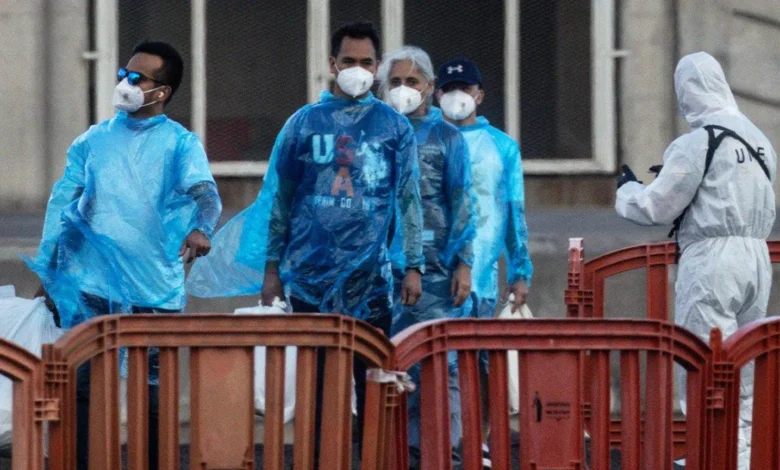
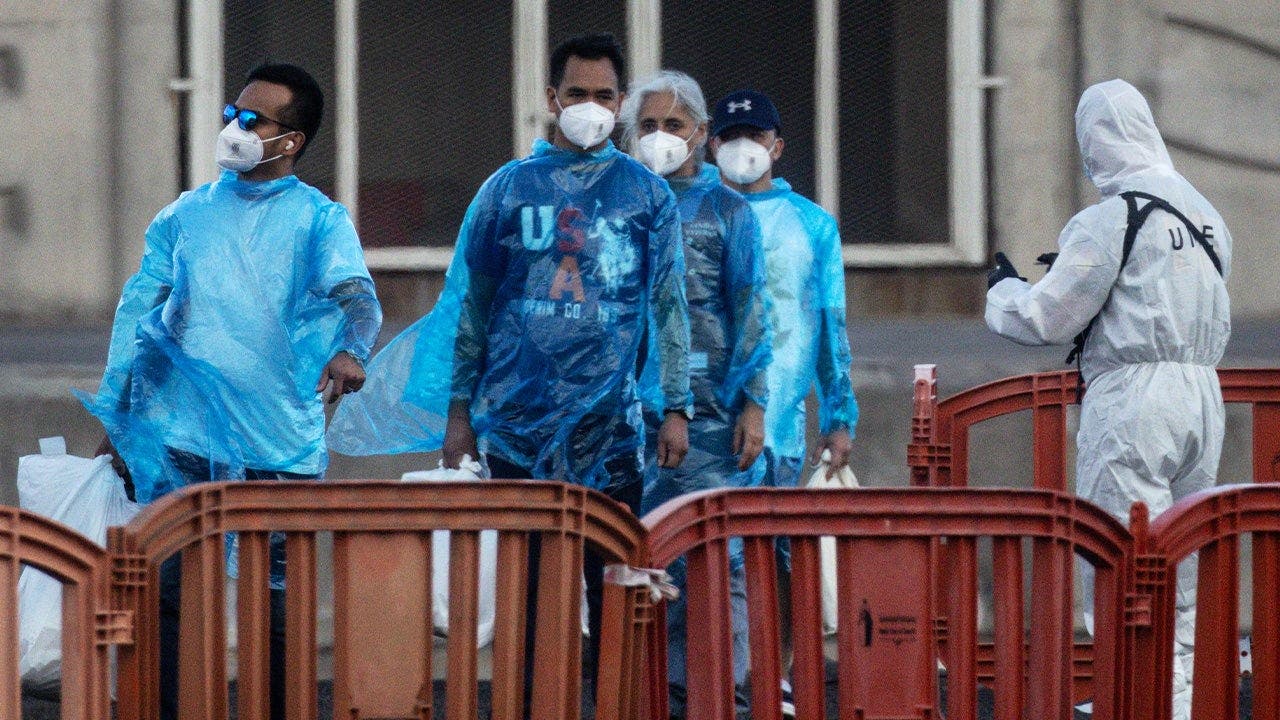
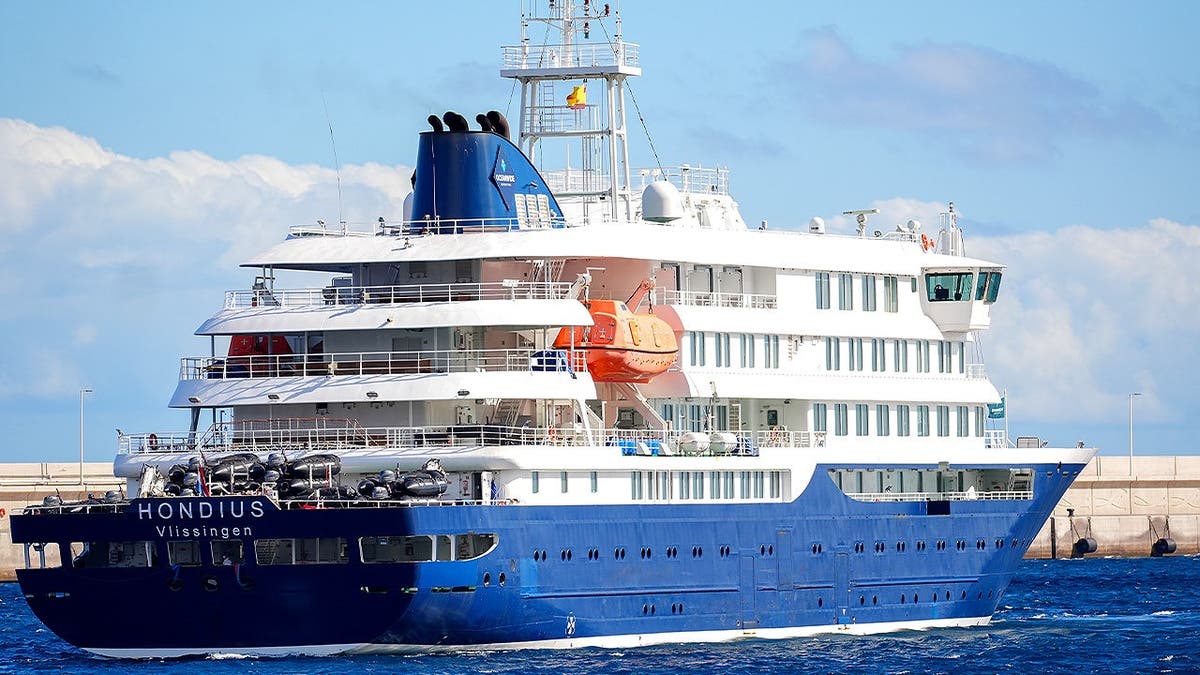
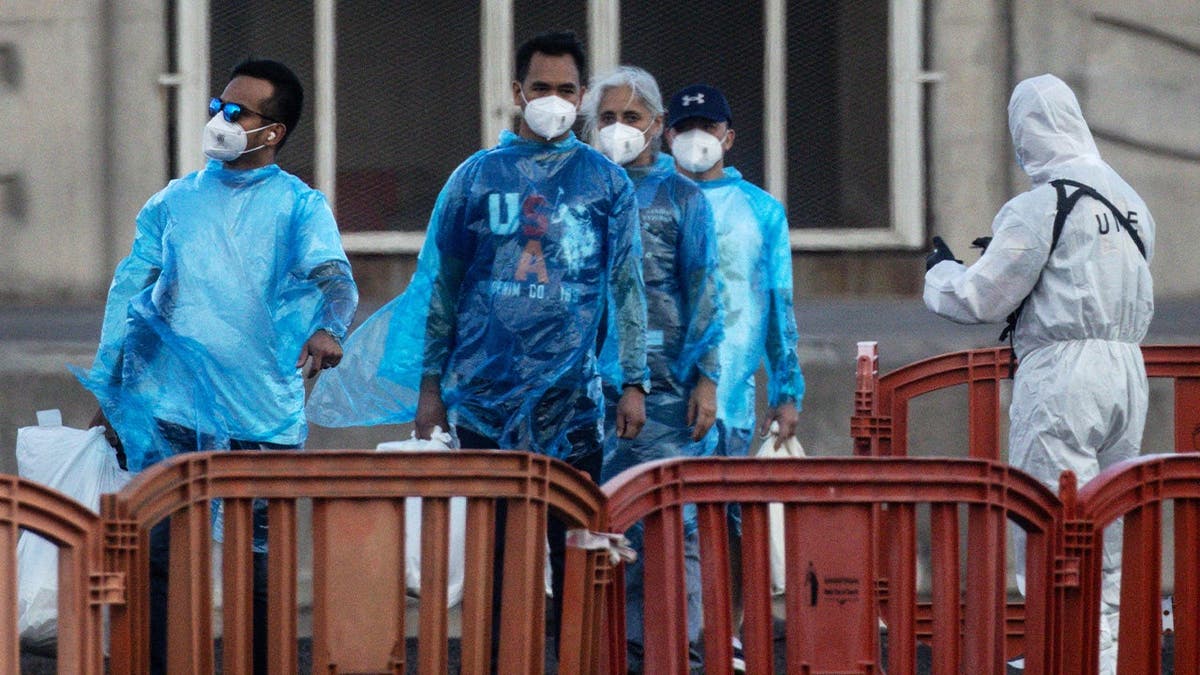
The current monitoring effort in Maryland is the latest development in a complex international health crisis that began aboard the MV Hondius. The vessel, a high-tech expedition ship often used for voyages to remote regions, was the site of a hantavirus outbreak that resulted in at least three fatalities among its passengers and crew. On May 11, 2026, the ship docked at the port of Granadilla in Tenerife, Canary Islands, where Spanish medical authorities coordinated a massive evacuation and screening operation.
Images from the scene showed medical staff in full protective gear directing the final passengers off the ship before it set a course for the Netherlands. Following the evacuation, passengers were repatriated to their home countries under specific health protocols. A group of American passengers arrived in Omaha, Nebraska, on the same day, where they were met by federal health officials for further evaluation. It was during this secondary phase of travel—the transition from the cruise ship’s destination to domestic locations—that the Maryland residents are believed to have come into contact with an infected individual.
Understanding the Andes Virus Strain
The primary concern for health officials is the specific strain of hantavirus involved in the MV Hondius outbreak. While most hantaviruses found in North America, such as the Sin Nombre virus, are transmitted solely through contact with infected rodent droppings, urine, or saliva, the Andes virus is a notable exception. Originating primarily in South America, the Andes virus is the only known hantavirus strain capable of person-to-person transmission.
This rare characteristic transforms the public health landscape from one of localized environmental concern to one of potential respiratory contagion. In previous outbreaks in South America, most notably in the Chubut Province of Argentina in 2018 and 2019, health experts documented clear chains of human-to-human transmission, often occurring within households or during close social contact. The Maryland Department of Health noted that while hantavirus cases are rare in the state—with the last reported case occurring in 2019—the Andes virus has never been identified within Maryland’s borders.
Monitoring Protocols and the Incubation Period
The two Maryland residents are currently in a period of active monitoring, which is dictated by the virus’s unusually long and variable incubation period. Health experts state that symptoms of hantavirus can appear anywhere from four to 42 days after exposure. This six-week window requires sustained vigilance from both the individuals and public health workers.
Current protocols for monitoring include:
- Daily Temperature Checks: Residents must report their temperature to health officials to identify the earliest signs of fever.
- Symptom Reporting: Any emergence of fatigue, muscle aches, or gastrointestinal distress must be immediately communicated.
- Isolation Contingencies: While asymptomatic individuals are not considered infectious, officials have prepared isolation plans should either resident begin to show signs of illness.
Maryland health officials have reiterated that because the individuals are currently asymptomatic, they pose no risk to their families or the broader community. "We are taking these steps out of an abundance of caution," a department spokesperson said. "Our goal is to ensure that if an infection does manifest, it is caught in the earliest possible stage to provide the best clinical outcome and prevent further spread."
Clinical Progression of Hantavirus Pulmonary Syndrome (HPS)
The urgency of the state’s response is underscored by the severity of Hantavirus Pulmonary Syndrome (HPS). According to data from the Centers for Disease Control and Prevention (CDC) and the Mayo Clinic, HPS is a rare but frequently fatal respiratory disease. The illness typically progresses through two distinct stages.
The "prodromal" or early stage is often mistaken for the common flu. Patients experience fever, chills, and deep muscle aches, particularly in the large muscle groups such as the thighs, hips, and back. About half of patients also experience "prodromal" symptoms including headaches, dizziness, and abdominal issues like nausea, vomiting, and diarrhea.
The second stage of the disease is much more critical and can occur abruptly, usually four to ten days after the initial symptoms. As the virus attacks the capillaries in the lungs, fluid begins to leak into the air sacs, leading to severe shortness of breath and coughing. This progression can quickly lead to respiratory failure and shock. The CDC estimates that HPS has a fatality rate of approximately 40%, making it one of the more lethal infectious diseases monitored by global health agencies.
Public Health Coordination and Aviation Safety
The Maryland Department of Health is currently working in tandem with the CDC and international partners to trace the movements of the infected passenger who traveled with the Maryland residents. This coordination is part of a broader effort to manage the fallout from the MV Hondius outbreak.
The aviation aspect of the exposure presents unique challenges. Modern aircraft use High-Efficiency Particulate Air (HEPA) filters, which are capable of capturing 99.9% of airborne particles, including viruses. However, the risk of transmission on a flight is typically highest for those sitting in the immediate vicinity (usually within two rows) of an infected person for a prolonged duration. Public health officials are utilizing flight manifests to contact other passengers who may have been at risk, ensuring that the monitoring net is cast wide enough to prevent a domestic outbreak.
Analysis of Implications for the Cruise and Travel Industry
The outbreak on the MV Hondius and the subsequent monitoring of travelers in states like Maryland and Nebraska highlight the ongoing vulnerabilities of the global travel industry to zoonotic diseases. Expedition cruises, which often take passengers to remote environments where they may encounter local wildlife or unique pathogens, require specialized health protocols that differ from standard Caribbean or Mediterranean itineraries.
Medical analysts suggest that this incident may lead to more stringent pre-boarding and post-disembarkation screenings for ships operating in regions where the Andes virus or other hantaviruses are endemic. Furthermore, the event underscores the importance of rapid international communication. The ability of Spanish authorities to identify the risk and notify the CDC allowed for the interception of potentially exposed individuals before they could unknowingly spread the virus in their home communities.
Historical Context and Future Outlook
While hantavirus remains rare in the United States, it has been a subject of intense study since the 1993 "Four Corners" outbreak in the American Southwest. That event, which led to the identification of the Sin Nombre virus, changed the way North American clinicians viewed respiratory illnesses. However, the introduction of the Andes virus strain via international travel represents a different category of risk due to its human-to-human transmission capability.
In Maryland, the state’s proactive stance is intended to maintain its record of zero Andes virus cases. By maintaining a 42-day watch, the state is adhering to the most conservative safety margins recommended by epidemiologists. As the situation evolves, health officials have pledged to provide updates to the public while maintaining the confidentiality of those under observation.
For now, the focus remains on the two residents and the completion of their incubation period. Their health status will serve as a critical indicator of whether the containment measures implemented in Tenerife and during their subsequent travel were successful in halting the spread of a virus that has already claimed three lives during this international voyage. The Maryland Department of Health continues to advise residents that no special precautions are needed for the general public at this time, though they encourage anyone traveling to regions with known hantavirus activity to avoid contact with rodents and to seek medical attention if they develop unexplained flu-like symptoms following their return.