
Russian Strikes Kill 3 Wounds Several In Kyiv Kharkiv
Russian Strikes Kill 3, Wound Several in Kyiv and Kharkiv
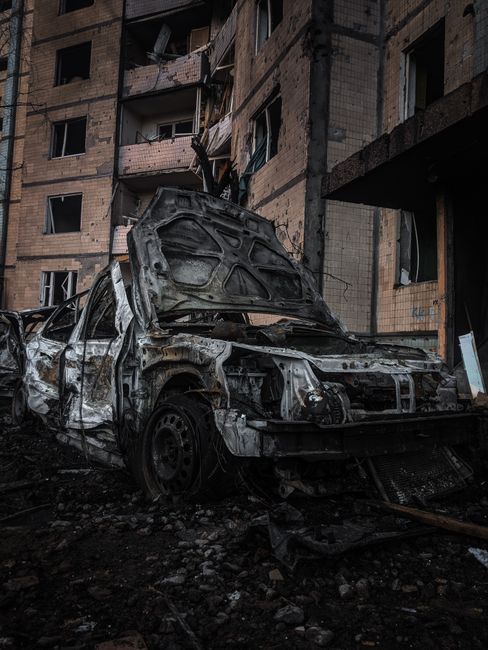
A series of devastating Russian strikes targeted the Ukrainian capital, Kyiv, and the eastern city of Kharkiv, resulting in at least three confirmed fatalities and multiple injuries. The assaults, which occurred overnight and into the early morning hours, underscore the persistent and brutal nature of the ongoing conflict, with civilian infrastructure and residential areas bearing the brunt of the attacks. In Kyiv, preliminary reports indicate that debris from intercepted missiles caused damage to a multi-story residential building in the Solomyanskyi district, igniting a fire and leading to casualties. Simultaneously, Kharkiv experienced a barrage of missile and drone attacks, with significant damage reported in residential neighborhoods, raising concerns about the safety of civilians in proximity to critical infrastructure. The Ukrainian air defense forces reported actively engaging and intercepting a significant portion of the incoming threats, but the sheer volume and sophistication of the Russian offensive overwhelmed defenses in certain areas, leading to the tragic loss of life and extensive material damage. This latest escalation marks a grim continuation of a pattern of Russian military action that has consistently impacted Ukrainian urban centers, creating a climate of fear and displacement for millions.
The attacks on Kyiv appear to have been multi-faceted, involving both ballistic and cruise missiles, as well as unmanned aerial vehicles. Ukrainian authorities confirmed that air defense systems were highly active during the attack, successfully neutralizing a substantial number of the incoming projectiles. However, the sheer intensity of the assault meant that some threats penetrated the defenses. In the Solomyanskyi district, a significant residential area, debris from an intercepted missile is believed to have fallen onto a building, causing structural damage and a fire. Emergency services were immediately dispatched to the scene, working to extinguish the blaze and evacuate residents. The number of casualties in Kyiv, while initially reported as low, is still being assessed as rescue operations continue. The psychological impact of such attacks, even those partially intercepted, is immense. Residents are forced to live under the constant threat of aerial bombardment, with air raid sirens becoming a grim daily soundtrack to their lives. The targeting of residential areas, even indirectly, highlights the indiscriminate nature of the conflict and the disregard for civilian safety. The resilience of Kyiv’s population has been tested repeatedly, yet they continue to demonstrate remarkable fortitude in the face of relentless aggression.
Kharkiv, situated closer to the front lines, has been a recurring target for Russian forces since the initial invasion. The city has endured a sustained campaign of missile and drone strikes, aimed at crippling its infrastructure and demoralizing its population. The most recent wave of attacks appears to have focused on residential sectors, with reports of explosions rocking various neighborhoods. Initial assessments indicate damage to apartment buildings, private homes, and potentially some critical infrastructure. The humanitarian toll in Kharkiv is particularly concerning due to its proximity to the conflict zone, which often complicates rescue efforts and exacerbates the strain on already overstretched medical facilities. The consistent targeting of Kharkiv underscores Russia’s strategic objective of degrading Ukraine’s ability to resist and its willingness to inflict widespread civilian suffering. International observers have repeatedly condemned these attacks as violations of international humanitarian law, but the violence continues unabated. The city’s residents, many of whom have already fled their homes multiple times, are once again facing the harrowing reality of destruction and loss.
The specific types of weaponry employed in these strikes are crucial to understanding the evolving nature of the conflict. Ukraine’s military intelligence and air force officials are meticulously analyzing the remnants of intercepted projectiles to identify the precise systems used by Russia. This information is vital for several reasons: it helps Ukraine adapt its air defense strategies, informs allies about the types of threats they need to help counter, and contributes to ongoing efforts to document potential war crimes. The use of a mix of ballistic and cruise missiles, alongside drones, suggests a coordinated and comprehensive attack designed to saturate Ukrainian air defenses and maximize destructive potential. Ballistic missiles, with their high speed and trajectory, are notoriously difficult to intercept. Cruise missiles, while slower, can employ sophisticated navigation systems and low-altitude flight paths to evade detection. Drones, whether used for reconnaissance or as kamikaze weapons, add another layer of complexity to the defensive challenge. The continued deployment of these weapons systems by Russia indicates a sustained commitment to aerial bombardment as a key tactic in their military campaign against Ukraine.
The human cost of these attacks is immeasurable. Beyond the immediate fatalities and injuries, there are the thousands of lives irrevocably altered by loss, displacement, and trauma. Families are torn apart, homes are reduced to rubble, and the fabric of daily life is shattered. The psychological impact on survivors, particularly children, is a long-term concern that will require sustained support and intervention. The resilience of the Ukrainian people in the face of such sustained violence is a testament to their spirit, but it comes at a profound personal cost. Each explosion, each siren, each news report of casualties chips away at their peace and their sense of security. The international community’s role in providing humanitarian aid, medical supplies, and psychological support is therefore critical. Beyond direct assistance, the continued provision of advanced air defense systems to Ukraine is paramount in mitigating the destructive capacity of these aerial assaults and protecting civilian lives.
The international response to these strikes has been a mix of condemnation and renewed calls for diplomatic solutions. Western governments have unequivocally denounced the attacks, reiterating their support for Ukraine’s sovereignty and territorial integrity. Statements from the United States, the European Union, and individual member states have highlighted the illegality of targeting civilian areas and the need for accountability for any war crimes committed. However, the effectiveness of these condemnations in deterring future attacks remains a subject of debate. While political pressure is important, the concrete delivery of military aid, particularly advanced air defense capabilities, has proven to be the most impactful deterrent to date. The ongoing provision of Patriot missile systems, NASAMS, and other advanced air defense technologies has demonstrably saved lives and prevented catastrophic damage in cities like Kyiv. The challenge lies in ensuring a consistent and sufficient supply of these systems to meet Ukraine’s immense defensive needs.
The economic ramifications of these strikes are also significant. Damage to residential buildings and civilian infrastructure represents a substantial economic loss for Ukraine, further straining its already weakened economy. The cost of repair and reconstruction will be astronomical, requiring extensive international financial assistance in the long term. Furthermore, the disruption to daily life, businesses, and supply chains creates further economic hardship. The fear of further attacks can also deter investment and economic activity, creating a vicious cycle of damage and stagnation. The targeting of urban centers like Kyiv and Kharkiv, which are vital economic and administrative hubs, has a ripple effect across the entire country. Rebuilding Ukraine will not only require financial resources but also a sustained period of peace and stability.
The Ukrainian military has been actively working to bolster its air defenses in anticipation of such attacks. Intelligence gathering and analysis play a crucial role in predicting Russian intentions and the types of weapons they might employ. The integration of various air defense systems, both Western-provided and Soviet-era, into a cohesive network is an ongoing challenge. However, the Ukrainian forces have demonstrated remarkable ingenuity and effectiveness in their defense efforts, often exceeding expectations. The dedication and bravery of air defense crews, who work tirelessly to protect their cities, are central to Ukraine’s ability to withstand these assaults. The continuous need for training and maintenance of these complex systems, along with a steady supply of interceptor missiles, is a critical factor in their ongoing success.
The broader geopolitical implications of these strikes are also considerable. They serve as a stark reminder of the ongoing fragility of peace in Europe and the continued threat posed by Russia’s aggressive foreign policy. The international order, built on principles of sovereignty and territorial integrity, is being severely tested. The unity of NATO and its partners in supporting Ukraine is therefore crucial, not only for Ukraine’s survival but also for the long-term stability of the global security landscape. Continued Russian aggression, if left unchecked, could embolden other authoritarian regimes and further destabilize international relations. The ongoing conflict in Ukraine is not merely a regional issue; it has far-reaching consequences for global security and the future of democratic values.
In conclusion, the recent Russian strikes on Kyiv and Kharkiv, resulting in fatalities and injuries, represent a brutal continuation of the war’s impact on civilian populations. The use of sophisticated weaponry, the targeting of residential areas, and the immense human cost highlight the urgent need for continued international support for Ukraine, particularly in the form of advanced air defense systems. The resilience of the Ukrainian people is undeniable, but their ability to withstand these relentless attacks is intrinsically linked to the tangible assistance they receive. The economic, social, and psychological scars of these assaults will be long-lasting, underscoring the profound tragedy of this ongoing conflict. The international community must maintain its unwavering commitment to Ukraine’s defense and its pursuit of a just and lasting peace.