
Colombia Seeks Help With Forest Fires As Smoke Blankets Capital
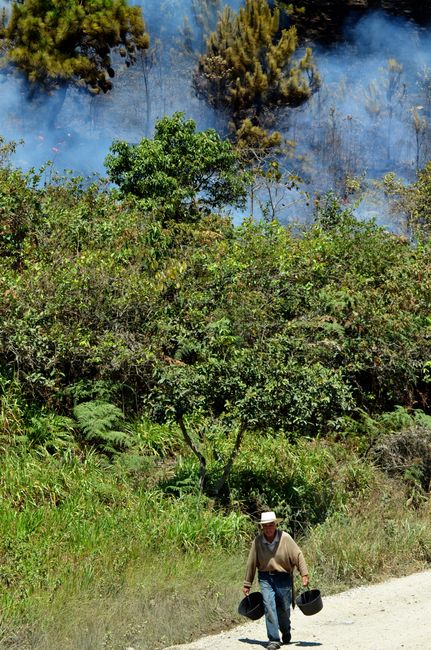
Colombia Seeks International Aid as Smoke Blankets Capital Amidst Escalating Forest Fires
Colombia is grappling with a severe environmental crisis as uncontrolled forest fires rage across several regions, plunging its capital city, Bogotá, and surrounding areas into a thick, suffocating blanket of smoke. The escalating blazes have prompted the Colombian government to officially request international assistance to combat the escalating disaster. The unprecedented scale and intensity of these fires, exacerbated by El Niño-induced drought conditions, are posing a significant threat to biodiversity, public health, and the nation’s infrastructure, necessitating a coordinated and robust response. The economic and ecological ramifications are profound, impacting everything from agricultural output to air quality and tourism. The urgency of the situation has transcended national borders, with neighboring countries and international organizations being alerted to the critical need for support in terms of firefighting resources, technical expertise, and financial aid.
The primary drivers behind the current wildfire outbreak are a confluence of factors, most notably the persistent and intensified El Niño phenomenon. This naturally occurring climate pattern has led to prolonged periods of significantly reduced rainfall and higher temperatures across Colombia, creating tinderbox conditions in its vast forests and paramo ecosystems. The paramos, high-altitude grasslands crucial for water regulation and carbon sequestration, are particularly vulnerable to fire, and their destruction has long-term ecological consequences. Alongside the climatic conditions, human activities, both intentional and accidental, play a significant role. Deforestation for agricultural expansion, illegal logging, and uncontrolled agricultural burning are contributing factors that, when combined with the dry climate, dramatically increase the risk and spread of wildfires. The accessibility of remote areas and the sheer scale of the affected territories make containment efforts extraordinarily challenging for ground crews alone. The prolonged dry spells have allowed fires to smolder underground in peatlands, only to re-emerge with ferocity when conditions become favorable.
The impact on Bogotá has been particularly severe and highly visible. For days on end, the normally vibrant cityscape has been shrouded in an ominous haze, reducing visibility to mere meters and creating an oppressive atmosphere. Air quality alerts have been issued, advising residents to stay indoors, limit outdoor activities, and use respiratory protection. Hospitals have reported an uptick in cases of respiratory illnesses, including asthma exacerbations and bronchitis, particularly among vulnerable populations such as children and the elderly. The constant presence of smoke not only impacts physical health but also significantly affects the psychological well-being of urban dwellers, contributing to a sense of unease and helplessness. The iconic view of the Andes mountains that typically frames the city has been rendered invisible, a stark visual representation of the environmental crisis unfolding. This pervasive pollution has also hampered daily life, affecting transportation, outdoor businesses, and recreational activities.
The government’s formal request for international aid underscores the severity of the situation and the limitations of domestic resources. Colombia has appealed to various international bodies and friendly nations for assistance, including firefighting aircraft, specialized personnel with expertise in wildfire management, and financial contributions to procure necessary equipment and resources. The Colombian National Unit for Disaster Risk Management (UNGRD) has been coordinating response efforts, but the sheer scale of the fires has overwhelmed their capacity. The reliance on international support highlights a globalized approach to disaster response, recognizing that environmental crises often transcend national boundaries and require collaborative solutions. The types of aid being sought are diverse, ranging from advanced satellite imagery for fire detection and monitoring to the deployment of experienced firefighting teams equipped with specialized gear.
The ecological consequences of these widespread fires are devastating and far-reaching. Colombia, a megadiverse country, is home to an extraordinary array of flora and fauna, many of which are endemic and face an increased risk of extinction due to habitat destruction. The fires are not only consuming vast tracts of primary and secondary forests but are also impacting critical ecosystems like the páramos, which are vital for water supply and biodiversity. The loss of these unique environments can have irreversible consequences for the country’s natural heritage and its ability to adapt to climate change. Beyond immediate species loss, the long-term effects include soil erosion, water contamination, and a reduction in the forest’s capacity to absorb carbon dioxide, a greenhouse gas that contributes to global warming. The scarring of the landscape will take decades, if not centuries, to fully recover, impacting future generations.
Economically, the fires are inflicting significant damage. Agricultural lands are being destroyed, leading to crop losses and threatening the livelihoods of farmers. Livestock is also at risk, and the long-term impact on agricultural productivity is a major concern. The tourism industry, a significant contributor to Colombia’s economy, is also being negatively affected. Reduced air quality, obscured natural landscapes, and safety concerns are deterring potential visitors. The cost of fighting the fires, including deployment of personnel, equipment, and supplies, is substantial and places a significant strain on the national budget. Furthermore, the potential for landslides and floods in the aftermath of the fires, due to denuded slopes, presents an additional economic burden in terms of reconstruction and disaster preparedness.
The role of climate change and the El Niño phenomenon cannot be overstated in understanding the current crisis. While wildfires are a natural occurrence in many ecosystems, their intensity, frequency, and spread are being amplified by anthropogenic climate change. The warming planet creates conditions conducive to more extreme weather events, including prolonged droughts and heatwaves, which are fertile ground for devastating wildfires. The El Niño cycle, while natural, is also influenced by the broader patterns of global warming, potentially leading to more severe and prolonged El Niño events. This underscores the urgent need for global action to mitigate climate change and invest in climate adaptation strategies to build resilience against such environmental disasters. The current situation serves as a stark reminder of the interconnectedness of global climate systems and the shared responsibility to address its consequences.
The ongoing efforts to combat the fires involve a multi-agency response, with the Colombian Firefighters, the National Army, the Air Force, and various civil defense organizations working tirelessly on the ground. However, the sheer scale of the fires, with hundreds of active fronts documented across the country, often in remote and inaccessible terrain, presents immense logistical and operational challenges. The deployment of aerial firefighting assets, such as helicopters and planes, is crucial for dousing flames and transporting personnel, but their effectiveness is limited by weather conditions and the vastness of the affected areas. The reliance on volunteers and civil society groups highlights the community’s dedication to protecting its environment, often at great personal risk. The strategic coordination of these diverse groups is paramount to an effective response.
International response, while crucial, is also subject to logistical complexities. The arrival of foreign aid, including specialized equipment and personnel, requires careful planning, integration with existing national structures, and adherence to local protocols. The Colombian government is working to facilitate the rapid deployment and effective utilization of all incoming assistance. The exchange of expertise and best practices in wildfire management is also a vital component of international cooperation, enabling Colombia to enhance its long-term capacity to prevent and respond to such events. The global nature of environmental challenges necessitates a proactive and collaborative approach to disaster management.
Looking ahead, the immediate priority remains the containment and extinguishment of the current fires. However, the long-term implications of this crisis necessitate a comprehensive strategy for forest fire prevention, mitigation, and adaptation. This includes investing in early warning systems, improving forest management practices, promoting sustainable land use, and enhancing public awareness campaigns regarding fire prevention. Furthermore, addressing the root causes of deforestation and promoting reforestation efforts are critical for rebuilding the ecological resilience of the affected areas. The government’s commitment to these long-term strategies will be crucial in safeguarding Colombia’s natural heritage and ensuring a more sustainable future. The economic recovery of affected communities and the restoration of ecological balance will require sustained effort and resources. The lessons learned from this crisis must inform future policy and investment in environmental protection.
