
Ahead Of Olympics France Seeks To Boost Role Of Sport In Schools
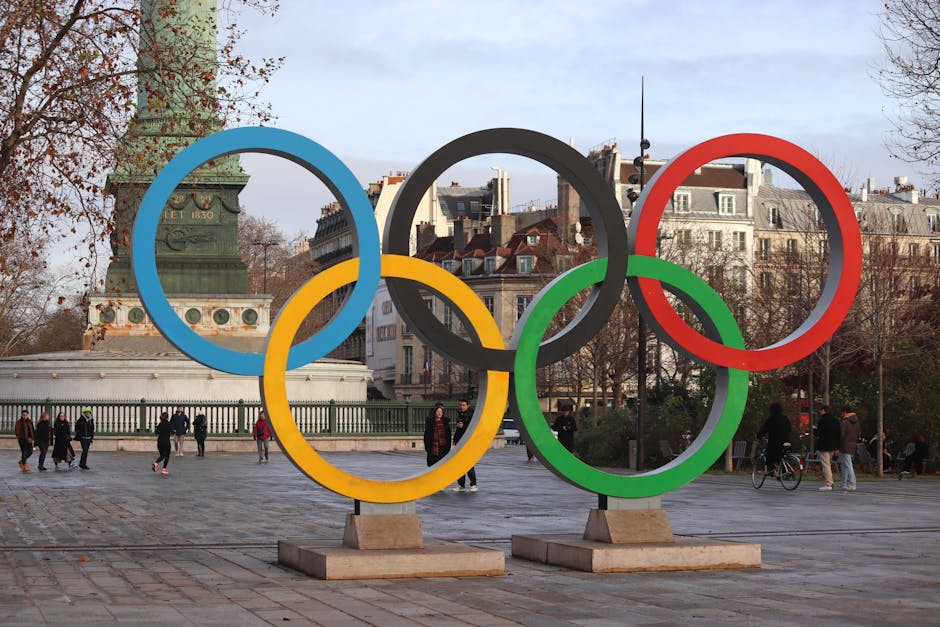
France’s Olympic Ambition: Revolutionizing School Sport for a Lasting Legacy
As Paris gears up to host the Olympic Games, France is undertaking a significant strategic initiative: elevating the role of sport within its educational system. This ambitious undertaking, driven by the imminent global spotlight and a desire to cultivate a healthier, more engaged younger generation, aims to embed physical activity and sports culture more deeply into the daily lives of schoolchildren. The initiative is not merely about capitalizing on Olympic fervor; it represents a forward-looking investment in public health, social cohesion, and national well-being, seeking to create a lasting legacy that extends far beyond the medal ceremonies. This comprehensive approach seeks to address systemic issues, boost participation rates, and foster a lifelong appreciation for physical activity, ultimately aiming to equip students with the physical, mental, and social skills necessary to thrive in an increasingly complex world. The integration of sport into the educational framework is envisioned as a multi-faceted endeavor, encompassing curriculum reform, infrastructure development, teacher training, and community engagement, all orchestrated to ensure that the Olympic spirit translates into tangible, sustainable benefits for French youth.
The core of this strategic overhaul lies in the recognition that sport offers far more than just physical exercise. It is a potent vehicle for instilling crucial values such as teamwork, discipline, resilience, fair play, and respect. By increasing access to and engagement with sports in schools, France aims to nurture well-rounded individuals who are not only physically fit but also possess strong character and a sense of responsibility. This educational philosophy aligns with the broader objectives of the French education system, which emphasizes holistic development and the cultivation of active, engaged citizens. The Olympic Games provide a unique catalyst, amplifying the urgency and the political will to accelerate these reforms. The national narrative surrounding the Olympics, with its emphasis on human potential, excellence, and international camaraderie, offers a powerful backdrop for advocating for a more prominent role for sport in schools. This is not simply about creating future Olympians, although that is an incidental benefit; it is about ensuring that every child, regardless of their athletic prowess, experiences the transformative power of sport.
A key pillar of this initiative is the enhancement of sports facilities and equipment within educational institutions. Many schools, particularly in underserved areas, have historically faced limitations in terms of adequate sports infrastructure. The French government is therefore allocating substantial funding to upgrade existing facilities, build new ones where necessary, and ensure that schools are equipped with modern, safe, and diverse sports equipment. This includes improving playing fields, gymnasiums, swimming pools, and specialized sports areas. The aim is to provide students with the best possible environment to participate in a wide range of sports, from traditional team sports to individual pursuits and emerging athletic activities. Furthermore, emphasis is being placed on making these facilities accessible not only to students during school hours but also to the wider community outside of school time, thus maximizing their utility and fostering stronger school-community ties. This infrastructural investment is seen as a foundational step, essential for enabling the broader pedagogical goals of the initiative.
Crucially, the success of this reform hinges on the professional development and empowerment of teachers. While many educators are passionate about physical education, they often require specialized training to deliver high-quality sports instruction and to effectively integrate sports into broader learning objectives. The French government is investing in comprehensive teacher training programs that focus on modern pedagogical approaches to sport, safety protocols, inclusive practices, and the development of students’ physical literacy. This includes equipping teachers with the skills to adapt activities for students of all abilities, to foster a positive and encouraging sporting environment, and to understand the link between physical activity and cognitive development. The initiative also aims to increase the number of dedicated physical education specialists within schools, ensuring that sports instruction is delivered by qualified professionals. This focus on teacher training is paramount, as it directly impacts the quality of the student experience and the long-term effectiveness of the program.
The curriculum itself is also undergoing re-evaluation and enhancement. The goal is to move beyond traditional physical education classes and to integrate sport and physical activity more holistically into the school day and across different subjects. This includes developing a more diverse and engaging sports curriculum that reflects contemporary interests and promotes a variety of physical activities. It also involves exploring interdisciplinary approaches, where the principles and values of sport can be linked to subjects like science (biomechanics), history (the evolution of sports), mathematics (statistics in sports), and literature (stories of athletes and sporting events). The intention is to make physical activity a more integral part of the learning process, rather than a separate, isolated subject. This integrated approach aims to boost student engagement and demonstrate the relevance of sport to academic and personal development. Furthermore, the reform seeks to promote active breaks and movement throughout the school day, not just during designated PE classes, thereby fostering a culture of continuous physical activity.
Beyond the classroom, the initiative emphasizes the importance of extracurricular sports activities and partnerships with local sports clubs and organizations. Schools are being encouraged to expand their offerings of after-school sports clubs, providing students with more opportunities to pursue their interests and develop their skills in a less formal setting. Collaboration with community sports clubs is also a key component, facilitating access to specialized coaching, facilities, and competitive opportunities. These partnerships can help bridge the gap between school sport and organized sport, providing a pathway for talented young athletes to progress and for all students to experience the broader sporting landscape. The Olympics act as a powerful motivator for these collaborations, inspiring local communities to rally around sport and support young people’s participation. This symbiotic relationship between schools and external sporting bodies is designed to create a robust ecosystem of sporting opportunities.
A significant aspect of the French Olympic sports initiative is its focus on inclusivity and accessibility. The reform explicitly aims to ensure that all children, regardless of their gender, socioeconomic background, physical ability, or any other characteristic, have equitable access to sports and physical activity. This involves developing adaptive sports programs for students with disabilities, providing financial assistance for sports participation to low-income families, and promoting gender equality in sports. Efforts are being made to challenge traditional gender stereotypes in sports and to encourage girls’ participation in a wider range of athletic activities. The overarching principle is that sport is a universal right and a powerful tool for social inclusion, and that no child should be excluded due to circumstances beyond their control. This commitment to inclusivity is a direct reflection of the Olympic ideal of bringing the world together through sport.
The long-term vision for this initiative extends beyond the immediate benefit of the Paris Olympics. The French government views this as a fundamental shift in its approach to youth development and public health. The aim is to create a sustainable culture of sport that will benefit generations of French citizens. By embedding sports into the fabric of the education system, the hope is to cultivate lifelong habits of physical activity, reduce the prevalence of sedentary lifestyles and associated health problems, and foster a society that values well-being and active living. The Olympic Games serve as a powerful launchpad, providing the visibility and the momentum to make these transformative changes a reality. The success of the initiative will be measured not only by the immediate increase in sports participation but by the enduring impact on the health, happiness, and overall development of French youth.
Measuring the impact and ensuring accountability are also integral to the strategy. The French government is implementing robust monitoring and evaluation mechanisms to track progress, identify challenges, and make necessary adjustments to the program. This includes collecting data on sports participation rates, student engagement, health outcomes, and the development of key life skills. Regular reviews and feedback loops will ensure that the initiative remains responsive to the needs of students, teachers, and communities. This data-driven approach will be crucial in demonstrating the effectiveness of the investment in school sport and in justifying its continued prioritization in educational policy. The objective is to create a cycle of continuous improvement, ensuring that the legacy of the Olympic Games in French schools is one of lasting positive change. This commitment to evidence-based practice underscores the seriousness and the strategic depth of France’s commitment to enhancing the role of sport in its educational landscape. The ambition is to create a model for other nations to follow, showcasing how a nation can leverage a global sporting event to foster profound and lasting societal transformation through its youth. The ultimate aim is a healthier, more active, and more socially cohesive France, built on the enduring power of sport.
