
Andean Farmers Use Age Old Technique Amid Climate Change
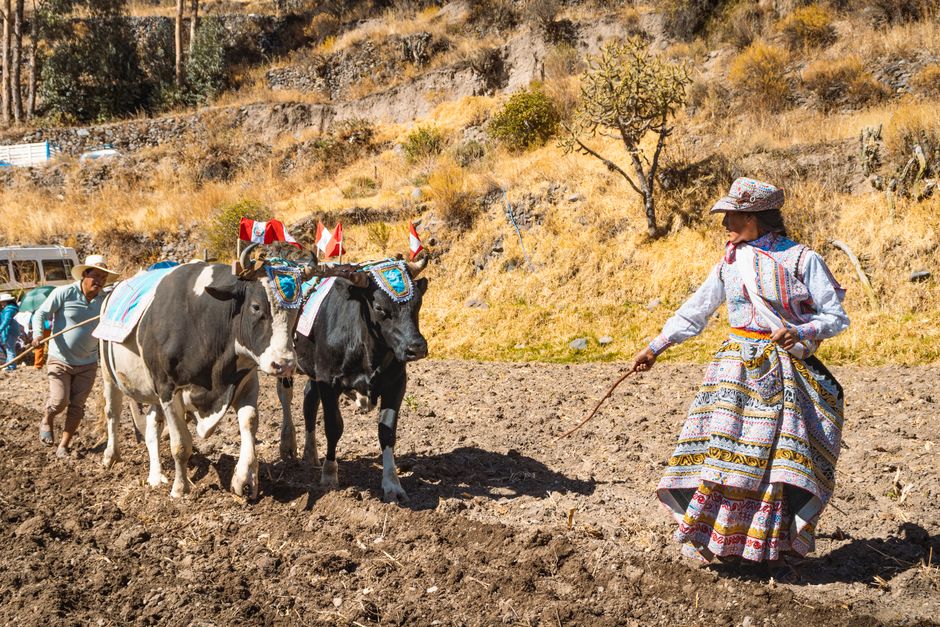
Andean Farmers Harness Ancient Wisdom to Combat Climate Change
The Andes Mountains, a towering spine of the Americas, have long been a cradle of agricultural innovation. For millennia, indigenous communities have cultivated this challenging terrain, developing intricate systems and profound ecological knowledge that have allowed them to thrive. Today, as the impacts of climate change intensify – manifesting in unpredictable rainfall, extreme temperatures, and altered growing seasons – these same ancient techniques are proving not just relevant, but vital for survival. Farmers in the Andean highlands are rediscovering and adapting ancestral methods, demonstrating a resilience forged by centuries of cohabitation with a dynamic environment and offering invaluable lessons for global food security in a warming world.
At the heart of this ancestral wisdom lies a deep understanding of the Andean microclimates. Unlike the broad, uniform agricultural zones found in many parts of the world, the Andes are characterized by extreme altitudinal variation, creating a mosaic of distinct ecological niches within relatively short distances. Traditional farming systems, passed down through generations via oral tradition and practical demonstration, are meticulously tailored to these microclimates. This includes the strategic selection of crops suited to specific altitudes, soil types, and moisture levels. For instance, potato varieties, a staple crop originating in the Andes, number in the thousands, each adapted to a particular environmental niche. Some thrive in high, arid zones with frost tolerance, while others require more moisture and warmer temperatures found at lower elevations. This inherent diversity, a hallmark of traditional Andean agriculture, acts as a natural buffer against the shocks of climate change. When one area experiences drought, another might receive sufficient rainfall. When one crop fails due to unexpected frost, others may survive. This diversification strategy, rooted in a holistic understanding of the landscape, is a powerful counterpoint to the monoculture practices that have become prevalent in industrialized agriculture and are proving increasingly vulnerable to climate variability.
Terracing, or andenes, is perhaps the most iconic and enduring of Andean agricultural techniques. These sculpted platforms, carved into steep mountain slopes, are far more than just steps for cultivation. They represent a sophisticated system of land management designed to maximize arable land, conserve water, and prevent soil erosion. The construction of andenes is a testament to meticulous engineering, involving the creation of retaining walls, irrigation channels, and drainage systems. These terraces effectively flatten steep gradients, creating usable fields where otherwise only impassable slopes would exist. Critically, they dramatically slow down water runoff, allowing precious rainfall to percolate into the soil rather than being washed away. This water retention is paramount in a region increasingly prone to erratic precipitation patterns. During intense, short-lived downpours, terraces capture and hold water, preventing flash floods and mitigating erosion. Conversely, during extended dry periods, the stored moisture is slowly released, sustaining crops. Furthermore, the staggered nature of the terraces creates a range of microclimates, with different exposures to sun and wind, further enhancing crop diversity and resilience. Modern adaptations of this technique involve incorporating drought-resistant plant species within the terraced systems and utilizing bioengineering principles to reinforce structures against increasingly severe weather events.
Another cornerstone of traditional Andean farming is the sophisticated management of water resources. The Incas, renowned for their engineering prowess, developed complex irrigation systems that channeled water from glacial melt and mountain springs across vast distances. These systems, often gravity-fed, were designed with a deep understanding of water flow and conservation. Today, Andean farmers are revitalizing these ancient aqueducts and canals, recognizing their vital role in ensuring water security amidst unpredictable rainfall. Beyond the infrastructure, traditional knowledge encompasses practices like rainwater harvesting, the construction of small on-farm reservoirs, and the careful timing of planting and irrigation to coincide with available water sources. Techniques such as mulching, using crop residues or native grasses to cover the soil surface, are also crucial for reducing evaporation and conserving moisture. In some communities, ancient communal water management systems, where decisions about water allocation and maintenance are made collectively, are being re-established. These collaborative approaches foster shared responsibility and ensure equitable distribution, vital for building community resilience in the face of water scarcity.
The selection and preservation of heirloom seeds, or semillas nativas, is another crucial element of ancestral Andean agriculture that is gaining renewed importance. For centuries, Andean farmers have selectively bred and saved seeds from their most productive and resilient plants, creating a vast genetic bank of local landraces. These seeds are not only adapted to the specific environmental conditions of their origin but also possess a rich history of cultural and nutritional value. In contrast to modern commercial seeds, which are often bred for uniformity and yield in controlled environments, heirloom varieties typically exhibit greater genetic diversity, making them more robust against pests, diseases, and environmental stress. As climate change introduces new challenges, these diverse landraces offer a vital source of resilience. Farmers are actively engaging in seed saving initiatives, establishing community seed banks, and participating in exchange programs to reintroduce and revitalize these valuable genetic resources. This practice directly counters the loss of biodiversity in agriculture, which is a significant vulnerability in the face of a changing climate.
Beyond the direct cultivation practices, the underlying philosophy of Andean farming is deeply intertwined with respect for Pachamama, or Mother Earth. This worldview emphasizes a reciprocal relationship between humans and the natural world, where taking from the earth requires a commitment to its care and regeneration. This philosophy underpins many of the sustainable practices employed by Andean farmers. For example, traditional fallowing practices, where land is left uncultivated for periods to allow it to recover, are being recognized for their soil-enriching benefits. Crop rotation, another ancient technique, helps to replenish soil nutrients and break pest cycles, reducing the need for external inputs. Composting and the use of organic fertilizers, derived from animal manure and plant residues, are integral to maintaining soil health. In an era of increasing environmental degradation, this holistic approach to land stewardship, grounded in ancestral reverence for nature, offers a powerful model for sustainable agriculture.
The challenges posed by climate change in the Andes are not merely environmental; they are also socio-economic. Many Andean communities are among the poorest and most vulnerable in their respective countries, with limited access to resources, markets, and information. The resurgence of traditional techniques, therefore, is not solely about adapting to climate change but also about strengthening local economies and food sovereignty. By relying on locally adapted crops and traditional knowledge, farmers reduce their dependence on expensive external inputs like chemical fertilizers and hybrid seeds. This can lead to increased profitability and a greater sense of self-sufficiency. Furthermore, the revival of traditional practices can foster a renewed sense of cultural pride and identity among indigenous communities, strengthening social cohesion and empowering them to advocate for their needs. The knowledge transfer associated with these techniques, often occurring within families and communities, ensures that valuable wisdom is passed on to younger generations, building intergenerational resilience.
However, the path forward is not without its obstacles. While the intrinsic value of ancestral techniques is increasingly recognized, their widespread adoption faces challenges. These include a lack of formal recognition and support from governments and agricultural institutions, limited access to financial resources for investing in infrastructure or training, and the pressures of globalization that can favor standardized, industrial agricultural models. Furthermore, the impacts of climate change are often so severe that even the most resilient traditional practices can be stretched to their limits. Continuous adaptation and innovation are therefore essential. This involves finding ways to integrate traditional knowledge with modern scientific understanding, creating hybrid approaches that leverage the strengths of both. For example, using remote sensing technologies to monitor soil moisture in terraced fields or employing climate modeling to predict optimal planting times for heirloom varieties are examples of such integration.
The experiences of Andean farmers offer a profound lesson for the global community. As the world grapples with the escalating climate crisis, there is an urgent need to move beyond solely technological solutions and to embrace the wisdom embedded in millennia of human experience. The ancient techniques of the Andes – terracing, water management, seed saving, and a deep respect for the environment – are not relics of the past but powerful tools for building a sustainable and resilient future. By learning from and supporting these indigenous communities, we can unlock invaluable insights into how to cultivate food in harmony with a changing planet, ensuring not only the survival of Andean cultures but also contributing to the global effort to feed a growing population in an era of unprecedented environmental change. The continued practice and evolution of these age-old techniques amid the harsh realities of climate change serve as a potent reminder that true innovation often lies in reconnecting with the wisdom of our ancestors and the enduring power of nature.
