Beverley Callard Exits Im A Celebrity South Africa Following Health Scare and Subsequent Cancer Diagnosis Amid Jungle Drama

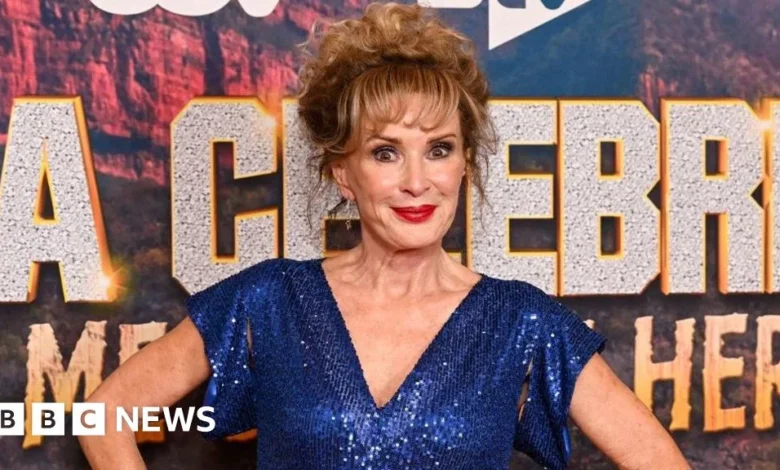
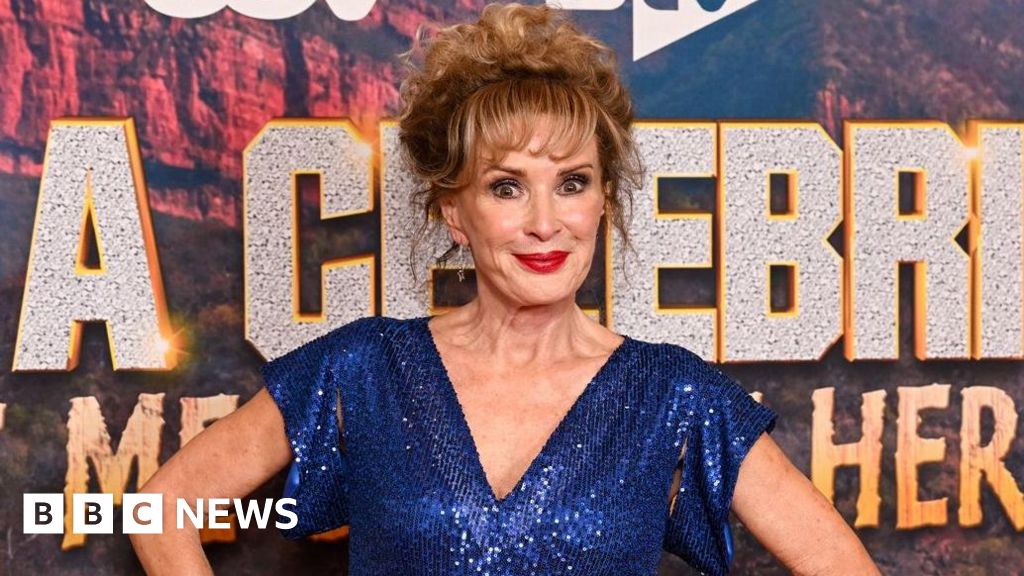
The landscape of British reality television was met with a poignant intersection of entertainment and real-world adversity this week as veteran actress Beverley Callard detailed the circumstances surrounding her premature departure from the ITV production, I’m A Celebrity… South Africa. The actress, a staple of British households for decades through her portrayal of Liz McDonald on the long-running soap opera Coronation Street, was forced to withdraw from the competition following a physical collapse within the camp. While the incident occurred during filming in September, its gravity was magnified by Callard’s subsequent diagnosis of breast cancer, a health battle she publicly disclosed in February.
The revelation came during Tuesday evening’s broadcast, where viewers witnessed an emotional Callard informing her fellow campmates of her forced exit. The South African iteration of the franchise, which features a "Legends" format of returning contestants, was pre-recorded, meaning the footage aired this week serves as a retrospective look at the onset of Callard’s health struggles. In a candid video shared via Instagram concurrently with the episode, the 69-year-old actress provided further context, revealing that she had lost consciousness in the "Bush Telegraph"—the show’s iconic diary room—before being ushered to a medical facility for urgent assessment.
Chronology of the Incident and Diagnosis
To understand the weight of Callard’s departure, a timeline of the production and her personal health journey is essential. The "All-Stars" edition of the show was filmed in the late summer and early autumn of the previous year in the bushveld of South Africa. At the time of filming, Callard was unaware of the underlying malignancy, though she noted during the episode that she had begun to feel increasingly unwell in the days leading up to her collapse.
The sequence of events unfolded as follows:
- September: Filming takes place in South Africa. Callard participates in several high-adrenaline challenges, including skydiving and cliff-hanging. In the final days of her stay, she suffers a "funny turn" and collapses in the diary room.
- Late September: Production medical staff determine she is unfit to continue. Callard is officially withdrawn from the competition.
- February: Following her return to the United Kingdom and subsequent medical consultations, Callard announces she has been diagnosed with breast cancer and is undergoing treatment.
- April: The pre-recorded episodes air on ITV, showing the moment of her collapse and her tearful goodbye to the camp.
Callard’s departure was not merely a loss for the show’s roster but a significant blow to her personal goal of representing older women in high-pressure environments. "I wanted to prove that age is just a number and I feel so proud of what I achieved," Callard stated in her social media address. She described the current health battle as her "real-life trial," a reference to the grueling "Bushtucker Trials" synonymous with the program.
Supporting Medical Data and Contextual Background
The incident highlights the rigorous physical demands placed on contestants in the South African bush, which differs significantly from the show’s traditional Australian base. The South African climate, characterized by intense heat and a more arid environment, often exacerbates the physical toll of the "camp diet," which consists primarily of basic rations like rice and beans.
Breast cancer, the diagnosis Callard eventually received, is the most common cancer in the UK. According to data from Cancer Research UK, there are approximately 55,000 new breast cancer cases every year, with the risk increasing as women age. For women in Callard’s age bracket (65–69), the incidence rates are notably high, though survival rates have seen significant improvement over the last two decades due to early detection and advanced screening protocols. Callard’s experience of feeling "not quite herself" prior to her collapse is a common, albeit non-specific, symptom often reported by patients in the early stages of systemic illness.
Friction and Forfeiture: The Bullard and Thomas Conflict
While Callard’s exit provided the emotional core of the episode, the camp was simultaneously rocked by interpersonal volatility. Former professional footballer Jimmy Bullard and actor Adam Thomas became the center of a controversial elimination trial that resulted in a fractured partnership. The duo was paired for a challenge where the losing team would be sent home. However, Bullard, citing mental and physical exhaustion, refused to participate in the task and invoked the phrase "I’m a celebrity, get me out of here" to forfeit the challenge.
This decision effectively disqualified both men, sparking a vitriolic response from Thomas. The actor, who was already undergoing the physical discomfort of being covered in ants as part of the trial, reacted with an expletive-laden tirade, accusing Bullard of selfishness. "Don’t take me with you," Thomas argued, emphasizing that he had come to the jungle to compete until the end.
The production ultimately intervened, offering the remaining campmates the opportunity to vote on Thomas’s future. In a rare show of camp solidarity, the contestants voted unanimously to allow Thomas to remain, while Bullard’s departure was finalized. The incident raised questions regarding the "team-based" mechanics of the South African series, which differ from the individual survival focus of the original Australian format.
Health Challenges in the Jungle: Psoriatic Arthritis
Adam Thomas’s emotional volatility during the episode was later contextualized by his own health struggles. In post-show reflections, Thomas revealed that he had been battling psoriatic arthritis during his time in the camp. Psoriatic arthritis is a long-term inflammatory condition that affects the joints, causing pain, swelling, and stiffness. It occurs in roughly 20% to 30% of people who have the skin condition psoriasis.

The NHS notes that the condition can be severely debilitating, particularly under stress or when the body is deprived of proper nutrition and rest. Thomas admitted that the physical environment of the bush "really took its toll" on his joints, making the psychological pressure of the competition even more difficult to manage. This admission added a layer of complexity to his clashes with fellow contestant and former world champion boxer David Haye.
Haye had previously criticized Thomas’s "mental strength," specifically citing an instance where Thomas opted out of a trial due to dehydration. Haye, known for his "extremist" approach to fitness and competition, admitted after his own elimination that he may have pushed Thomas too far. "I was bantering, but the banter, he didn’t really like the banter," Haye remarked. Thomas, for his part, stated that while Haye "broke" him mentally, he chose not to hold a grudge, acknowledging the intensity of the environment.
Official Responses and Broader Implications
The reactions from Callard’s fellow celebrities underscored her role as a matriarchal figure within the camp. Scarlett Moffatt, the former Gogglebox star, expressed that while the camp would miss "everyone’s camp mam," health remained the absolute priority. Singer Sinitta described Callard as an "inspiration" for older women, highlighting the actress’s willingness to engage in the show’s most terrifying stunts before her health faltered.
ITV spokespeople have reiterated that the safety and well-being of contestants are paramount, with medical teams stationed on-site 24/7. The decision to remove Callard, despite her pleas to stay, reflects the stringent medical protocols the production follows to mitigate liability and ensure participant safety.
The events of this season of I’m A Celebrity… South Africa serve as a stark reminder of the realities behind reality television. While the format is designed for entertainment, the physical and psychological pressures are genuine. Callard’s journey from the jungle to a cancer diagnosis has sparked a wider conversation regarding the resilience of public figures and the importance of listening to one’s body.
As Callard continues her treatment, her story has resonated with viewers, shifting the focus from the manufactured drama of the jungle to the tangible courage required to face a life-threatening illness. The "real-life trial" Callard now faces is one she approaches with the same determination she showed while hanging from a South African cliffside, supported by a public that has watched her on their screens for over thirty years.

Analysis of Reality TV Ethics and Participant Safety
The departure of high-profile contestants like Callard and the friction between Haye, Bullard, and Thomas highlight a growing debate regarding the duty of care in reality broadcasting. As the average age of "All-Star" participants increases, the physical demands of these programs are coming under closer scrutiny. Analysts suggest that Callard’s collapse may prompt production companies to implement even more rigorous pre-filming cardiovascular and systemic health screenings for contestants over the age of 60.
Furthermore, the psychological impact of "forfeiture" mechanics—as seen with Bullard—suggests that the mental health of participants is as vulnerable as their physical health. The South African bush, with its isolation and extreme conditions, serves as a pressure cooker that can expose underlying health issues and personality conflicts that might remain dormant in a less hostile environment.
Ultimately, Beverley Callard’s exit is a testament to her character. Despite the onset of a serious illness, her primary concern in the moment was her perceived failure to represent her demographic. Her subsequent diagnosis has transformed her "gutted" departure into a moment of unintentional foresight, as her withdrawal likely allowed for the early medical intervention necessary for her ongoing battle with cancer.