
Blinken Due In Israel For Tough Gaza Talks
Antony Blinken’s Crucial Israel Visit: Navigating a Tightrope in Gaza Talks
U.S. Secretary of State Antony Blinken’s arrival in Israel is underscored by the urgent and complex task of navigating fraught discussions surrounding the ongoing conflict in Gaza. This visit, imbued with the weight of regional stability and humanitarian concerns, centers on a multifaceted agenda, with the immediate cessation of hostilities and the long-term governance of Gaza as paramount objectives. Blinken’s diplomatic mission is not merely a symbolic gesture but a critical juncture aimed at de-escalating tensions, addressing the escalating humanitarian crisis, and laying the groundwork for a more stable future in the Palestinian territories and beyond. The success of these talks hinges on finding common ground between Israeli security imperatives and the Palestinian aspirations for self-determination and an end to the devastating conflict.
The core of Blinken’s discussions will inevitably revolve around the current state of the Gaza conflict. Israeli security concerns, particularly regarding the threat posed by Hamas and other militant groups, remain a central tenet of its operational strategy. The Biden administration, while firmly supporting Israel’s right to defend itself, has also voiced increasing concern over the immense civilian toll and the dire humanitarian situation unfolding in Gaza. Blinken is expected to press for concrete measures to minimize civilian casualties, facilitate the unimpeded flow of humanitarian aid, and establish mechanisms for accountability and protection of civilians. This delicate balance between supporting an ally’s security and upholding international humanitarian law will be a recurring theme throughout his engagements.
A significant portion of the diplomatic effort will be dedicated to the immediate cessation of hostilities. While a complete and permanent ceasefire remains a distant prospect, Blinken is likely to explore avenues for a sustained period of calm. This could involve discussions around temporary ceasefires, humanitarian pauses, or other arrangements that allow for the delivery of essential supplies and the potential for de-escalation. The U.S. has previously mediated temporary truces and hostage-release deals, and Blinken’s visit could see renewed efforts to broker such arrangements, particularly in light of the growing international pressure for a resolution to the ongoing bloodshed. The complexities of securing such agreements are immense, given the deep mistrust and the divergent objectives of the parties involved.
Beyond the immediate cessation of violence, the long-term governance of Gaza is a critical and highly contentious issue. With the destruction and displacement in Gaza, the question of who will govern the territory after the current conflict is pressing. Israel has expressed a desire for a demilitarized Gaza that no longer poses a threat, while the Palestinian Authority (PA) has indicated its willingness to assume responsibility, albeit with significant caveats and a clear path towards statehood. Blinken’s role will be to facilitate discussions that explore viable and acceptable governance models. This could involve engaging with regional partners, such as Egypt and Qatar, who have played instrumental roles in past mediation efforts, and exploring international peacekeeping or stabilization mechanisms. The absence of a clear and agreed-upon governance framework risks perpetuating instability and creating a vacuum that extremist elements could exploit.
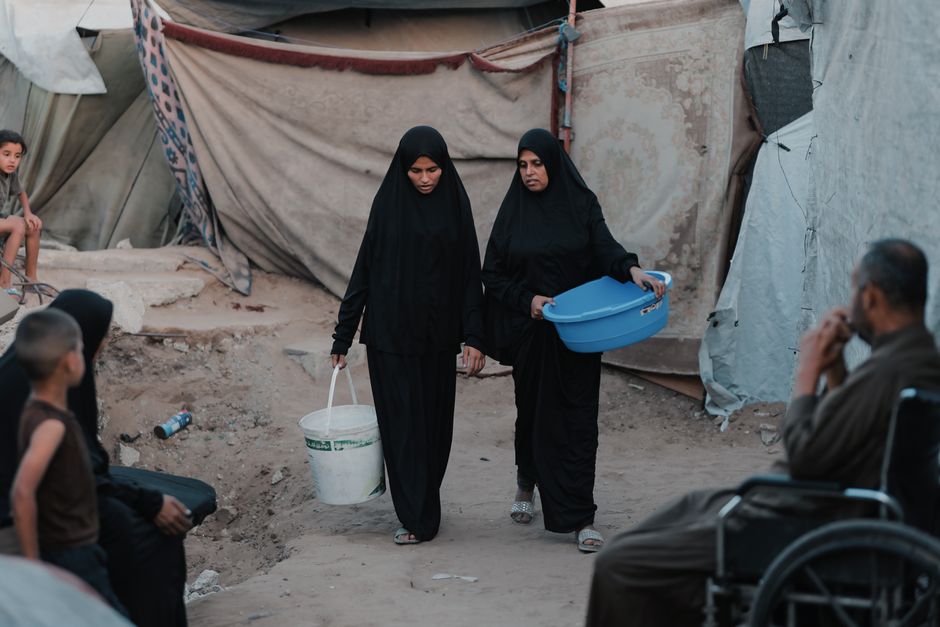
The humanitarian crisis in Gaza serves as a stark backdrop to Blinken’s diplomatic endeavors. Reports of widespread destruction, shortages of food, water, medicine, and shelter, and the displacement of hundreds of thousands of Palestinians paint a grim picture. Blinken is expected to reiterate the U.S. commitment to providing substantial humanitarian assistance and to emphasize the urgent need for increased access for aid organizations. Discussions will likely focus on ensuring that aid can reach those in need without obstruction and on the long-term reconstruction efforts required to rebuild the shattered infrastructure of the Gaza Strip. The international community’s role in funding and coordinating these reconstruction efforts will be a crucial element of the post-conflict planning.
The U.S. administration’s long-standing commitment to a two-state solution will undoubtedly inform Blinken’s messaging. While the immediate focus is on de-escalation and humanitarian relief, the underlying objective of achieving a lasting peace through a viable Palestinian state alongside a secure Israel remains a cornerstone of American foreign policy. Blinken will likely use this visit to reiterate this commitment and to explore potential pathways forward, even in the face of significant obstacles. This includes encouraging steps towards strengthening the Palestinian Authority and promoting reforms that can enhance its legitimacy and capacity to govern.
The security concerns of Israel are a non-negotiable aspect of any resolution. Blinken will be engaging in detailed discussions with Israeli leadership regarding their security needs and the measures required to prevent future attacks. This includes addressing the threat of rocket fire, tunnels, and other militant activities. The U.S. has consistently affirmed Israel’s right to self-defense and has provided significant military assistance. However, the conversation will also likely touch upon the proportionality of military actions and the imperative to minimize harm to civilians. The U.S. is keen to see a reduction in Israeli military operations that result in widespread civilian casualties.
The role of regional actors is paramount in any successful resolution of the Israeli-Palestinian conflict. Blinken’s visit to Israel will likely be followed by engagements with other key players in the region, including Palestinian leaders, and potentially leaders from Egypt, Jordan, and other Arab nations. These discussions will aim to build a regional consensus on the path forward, to leverage the influence of these countries in mediating, and to secure their commitment to supporting any agreements reached. The involvement of Arab states in post-conflict reconstruction and governance is considered crucial for long-term stability.
The international legal framework governing the conflict, including international humanitarian law and human rights law, will be an underlying consideration throughout Blinken’s talks. The U.S. has a stated commitment to upholding these principles, and Blinken will likely be urging all parties to adhere to them. Discussions may touch upon mechanisms for accountability for alleged violations of international law and the importance of protecting civilian populations during armed conflict. The International Criminal Court (ICC) and the International Court of Justice (ICJ) have been active in examining aspects of the conflict, and these legal dimensions add another layer of complexity to the diplomatic efforts.
The strategic implications of the Gaza conflict extend beyond the immediate theater. The region is already characterized by a complex web of geopolitical rivalries and security challenges. A protracted and destabilizing conflict in Gaza could embolden extremist groups, further fuel regional tensions, and potentially draw in other actors. Blinken’s visit is thus part of a broader U.S. strategy to prevent further escalation and to promote a more stable and secure Middle East. The ongoing proxy conflicts and the involvement of Iran and its affiliates in the region further complicate these strategic calculations.
The domestic political landscape within both Israel and the Palestinian territories also plays a significant role in shaping the dynamics of these negotiations. Israeli public opinion, particularly in the aftermath of the October 7th attacks, is heavily focused on security. Similarly, Palestinian political factions and public sentiment are deeply impacted by the ongoing suffering and the perceived lack of a credible path towards self-determination. Blinken’s diplomatic efforts must navigate these internal political considerations while striving for an outcome that can be sustained over time. The influence of hardline factions on both sides often presents significant obstacles to compromise.
The economic impact of the conflict on Gaza is devastating. The destruction of infrastructure, the disruption of trade, and the loss of livelihoods have plunged the territory into an even deeper economic crisis. Any long-term solution will require substantial investment in economic recovery and development. Blinken’s discussions may include exploring potential international funding mechanisms and private sector engagement to support the rebuilding of Gaza’s economy and to create opportunities for its population. The long-term economic viability of Gaza is intrinsically linked to its political stability and security.
The psychological impact of years of conflict and trauma on the civilian population in Gaza is immense. Generations have grown up knowing only conflict and blockade. Any sustainable peace will require addressing these deep-seated psychological wounds and fostering reconciliation. While this is a long-term endeavor, the current diplomatic efforts can lay the groundwork for future reconciliation initiatives by prioritizing the protection of civilians and the reduction of suffering.
The United States, as a key ally of Israel and a significant player in regional diplomacy, finds itself in a position of considerable influence, but also facing immense challenges. Blinken’s visit represents a critical opportunity to steer the region away from further escalation and towards a more hopeful future. The success of these talks will depend on the ability of all parties to engage in good-faith negotiations, to make difficult compromises, and to prioritize the well-being of the civilian populations affected by this protracted conflict. The road ahead is undoubtedly arduous, but the stakes, for the people of Gaza, for Israel, and for the broader Middle East, are too high to shy away from the challenge.
