
Thai Government Says Will Ban Recreational Cannabis Use
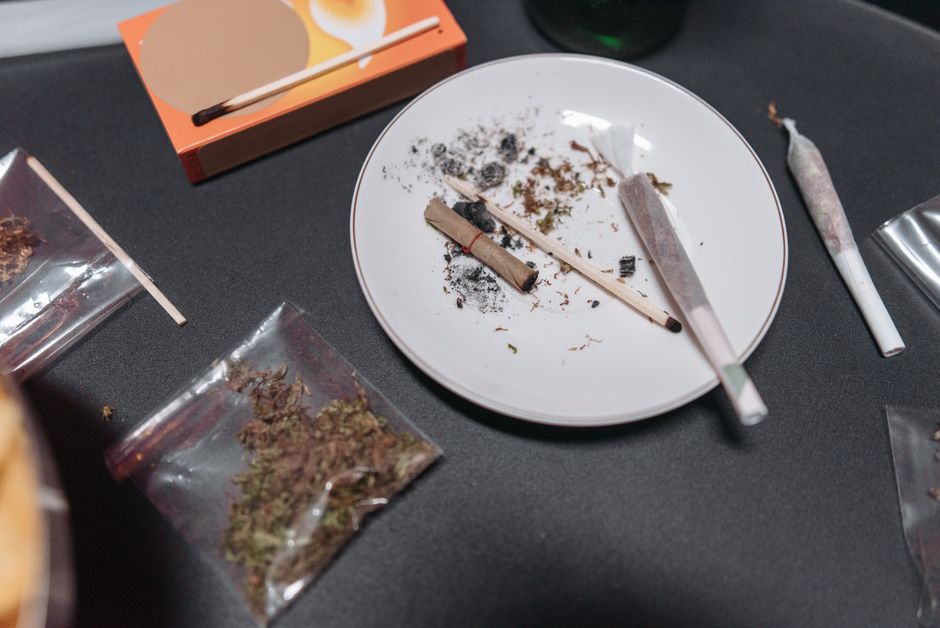
Thai Government Announces Impending Ban on Recreational Cannabis Use: A Policy Reversal and Its Ramifications
Thailand’s government has officially declared its intention to ban recreational cannabis use, marking a significant policy reversal and sparking considerable debate within the nation and attracting international attention. The proposed legislation, which is expected to be formally introduced and debated in parliament in the coming months, aims to reclassify cannabis as a controlled substance, effectively criminalizing its use for pleasure. This move comes as a stark contrast to the country’s relatively recent decision to decriminalize cannabis in 2018, a move that was initially hailed as a progressive step towards medical tourism and economic development. The current administration, led by Prime Minister Srettha Thavisin, has cited a growing concern over the proliferation of cannabis dispensaries and the perceived negative social impacts as the primary drivers behind this policy shift. The government’s narrative emphasizes a desire to protect public health, particularly for youth, and to curb what it describes as uncontrolled commercialization. This impending ban signals a complex interplay of public health concerns, economic considerations, and political will, with potentially far-reaching consequences for Thailand’s nascent cannabis industry and its international standing.
The 2018 decriminalization of cannabis in Thailand was a landmark decision, initially driven by a desire to boost medical tourism and provide economic opportunities for farmers and entrepreneurs. The aim was to permit cannabis for medical purposes and research, but the subsequent interpretation and implementation of the law led to a significant expansion of retail outlets and widespread recreational use. This rapid growth, while generating revenue for some, also attracted criticism for its lack of stringent regulation and oversight. The proliferation of dispensaries, often operating in plain sight, raised concerns about accessibility to minors and the normalization of cannabis consumption. These concerns were amplified by anecdotal reports of increased public intoxication and potential negative impacts on mental health, particularly among vulnerable populations. The government’s current stance suggests that the initial experiment with liberal cannabis laws has been deemed unsuccessful in its execution, leading to a strong desire for tighter control. The rationale behind the reversal often points to the potential for increased addiction, the gateway effect, and the negative implications for public order, mirroring concerns often raised in other countries that have grappled with cannabis legalization.
The economic implications of this proposed ban are substantial and multifaceted. Thailand’s cannabis industry, though still in its early stages, had begun to attract significant investment and create jobs. Growers, dispensaries, and ancillary businesses had emerged, contributing to local economies. The reversal of policy threatens to dismantle this burgeoning sector, leading to potential financial losses for businesses and individuals involved. For farmers who had transitioned to cannabis cultivation, this could mean a loss of livelihood and a significant economic setback. The government has indicated that it may offer some form of compensation or transition support for those affected, but the details of such programs remain vague. Furthermore, the loss of potential tax revenue from cannabis sales is another economic consideration for the government. While the current administration is prioritizing public health and social order, the economic fallout from the ban will undoubtedly be a significant challenge to manage. The international perception of Thailand as a destination for cannabis-related tourism is also likely to be impacted, potentially affecting the broader tourism sector.
The proposed legislation will likely face significant hurdles and debates within the Thai parliament. While the government holds a majority, there are diverse opinions and vested interests surrounding the issue. Pro-cannabis advocates, including many entrepreneurs and medical practitioners, are expected to voice strong opposition, highlighting the economic benefits and arguing for a more regulated approach rather than an outright ban. They will likely point to the successes of regulated cannabis markets in other countries and argue that a ban will simply push the market underground, making it harder to control. Conversely, conservative factions and those concerned about public health are expected to lend their support to the ban. The debate will likely center on the definition of "recreational use," the scope of penalties, and the effectiveness of enforcement. The legal framework surrounding the ban will need to be carefully crafted to address issues such as existing cannabis businesses, personal possession, and the potential for a black market. The government’s ability to navigate these complex discussions and build consensus will be crucial to the successful implementation of the new policy.
International comparisons and precedents play a significant role in the discourse surrounding Thailand’s cannabis policy. Countries like Canada and Uruguay have legalized recreational cannabis and implemented regulatory frameworks that aim to balance public health with economic benefits. Advocates for regulated markets in Thailand often point to these examples, suggesting that a complete ban is a retrograde step. Conversely, countries that have maintained strict prohibition on cannabis, or have recently reversed liberalization efforts, are also cited by those supporting the ban. The global trend towards some form of cannabis legalization or decriminalization makes Thailand’s move towards a ban a notable departure from this broader international shift. The government’s justification for the ban often draws upon the perceived negative outcomes in some jurisdictions where legalization has occurred, highlighting concerns about increased youth usage and impaired driving, even as other jurisdictions point to successful regulation.
The potential for a resurgence of an illicit cannabis market is a significant concern that will accompany the proposed ban. When a substance is criminalized, demand does not disappear; rather, it often shifts to unregulated channels. This can lead to a black market characterized by a lack of quality control, potential for dangerous additives, and organized crime involvement. The enforcement of a ban will require significant resources and a robust legal framework to effectively deter illegal cultivation, distribution, and sale. The government will need to consider strategies for policing the black market, prosecuting offenders, and educating the public about the risks associated with illicit cannabis. The effectiveness of these measures will be crucial in determining whether the ban achieves its stated goals of reducing cannabis use and its associated harms, or simply drives the activity underground and potentially exacerbates existing problems. The experience of other nations with strict drug prohibition provides a cautionary tale regarding the challenges of eradicating demand.
The impact on public health and social well-being remains a central argument for the proposed ban. Proponents of the ban emphasize the potential for cannabis to negatively affect cognitive development in young people, exacerbate existing mental health conditions, and contribute to addiction. They argue that the widespread availability of recreational cannabis has normalized its use, leading to increased rates of consumption and associated health problems. The government’s stance suggests a belief that an outright ban is the most effective way to protect public health, particularly for vulnerable segments of the population. However, critics of the ban argue that a more nuanced approach, involving public education campaigns, harm reduction strategies, and strict regulations on sales and marketing, would be more effective in mitigating potential negative health impacts without completely eliminating access. The debate over the true public health implications of cannabis use and the most effective policy responses is ongoing globally, and Thailand’s decision will contribute to this broader discussion.
The current administration’s decision to ban recreational cannabis use is a complex policy development with far-reaching implications. It signifies a decisive shift away from the more liberal approach adopted in 2018, driven by a stated commitment to public health and social order. The economic consequences for Thailand’s nascent cannabis industry, the potential for a resurgent black market, and the ongoing debate within the parliament are all critical factors that will shape the future of cannabis in the country. As the proposed legislation moves through the parliamentary process, the world will be watching to see how Thailand navigates this significant policy reversal and what lessons can be learned from its experience with cannabis legalization and subsequent prohibition. The government’s ability to effectively implement and enforce the ban, while mitigating negative economic and social consequences, will be a key determinant of its ultimate success or failure. The long-term impact on tourism, public health, and the criminal justice system will be closely scrutinized in the years to come.
