
Gaza Has Simply Become Uninhabitable Un Humanitarian Chief
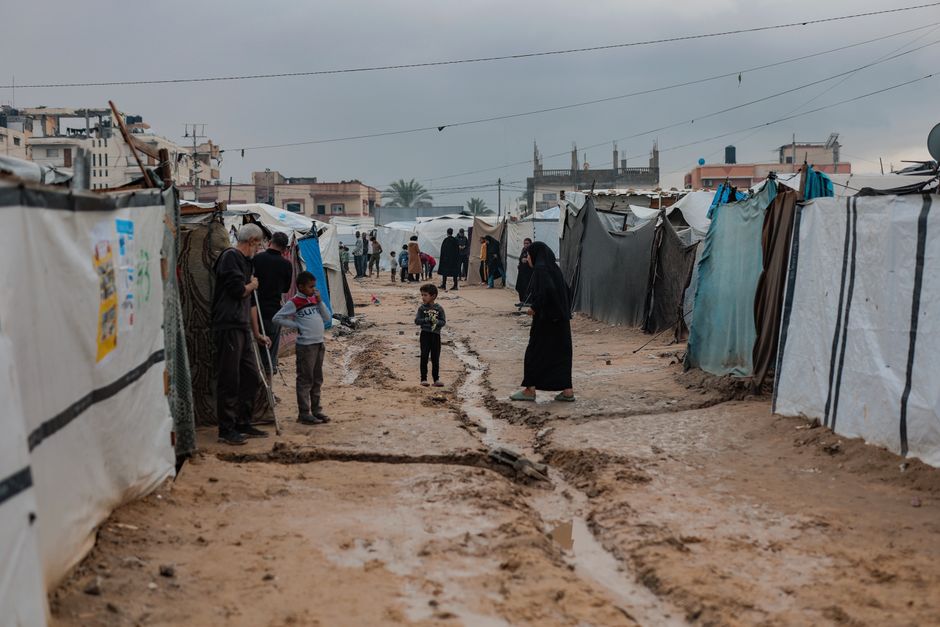
Gaza: A Humanitarian Catastrophe Unfolds as UN Chief Declares the Strip "Simply Uninhabitable"
The United Nations Under-Secretary-General for Humanitarian Affairs and Emergency Relief Coordinator, Martin Griffiths, has issued a stark and unequivocal warning: the Gaza Strip has "simply become uninhabitable." This grave pronouncement is not hyperbole but a precise summation of a reality meticulously documented by humanitarian organizations and underscored by the relentless destruction and displacement that has characterized the ongoing conflict. The scale of the humanitarian crisis in Gaza transcends mere suffering; it represents a systematic degradation of living conditions, infrastructure, and human dignity to a point where sustained, organized life is rendered impossible. This article will delve into the multifaceted reasons behind this declaration, exploring the critical factors that have pushed Gaza to the brink, and examining the implications for its besieged population and the wider international community.
The physical destruction in Gaza is the most visible and visceral manifestation of its uninhabitability. Decades of conflict, punctuated by increasingly intense and destructive offensives, have pulverized the enclave’s already fragile infrastructure. Residential buildings, schools, hospitals, and essential public services have been systematically targeted or have been the collateral damage of military operations. The sheer volume of destroyed homes has left hundreds of thousands, if not millions, of Gazans displaced, living in makeshift shelters, overcrowded tents, or with relatives, far exceeding the capacity of any existing infrastructure. The United Nations Office for the Coordination of Humanitarian Affairs (OCHA) has repeatedly reported on the devastating impact on housing, with estimates indicating that a significant percentage of the housing stock has been destroyed or severely damaged, making reconstruction an monumental, if not impossible, undertaking under current conditions. This widespread destruction not only deprives people of shelter but also cripples the social fabric, severing community ties and dismantling the familiar landscapes that define a place of belonging. The rubble of destroyed buildings serves as a constant, grim reminder of what has been lost and the immense challenge of rebuilding, a task that requires not only materials but also a secure environment and sustained access.
Beyond the immediate destruction of buildings, the systemic degradation of essential services is a critical driver of Gaza’s uninhabitability. Access to clean water, sanitation, and healthcare, fundamental pillars of any functional society, has been severely compromised. Water infrastructure, including desalination plants and sewage treatment facilities, has suffered extensive damage, leading to a critical shortage of potable water. Many residents are forced to rely on contaminated sources, increasing the risk of waterborne diseases such as cholera and typhoid. The World Health Organization (WHO) has highlighted the dire state of healthcare, with hospitals operating at severely reduced capacity due to damage, lack of medical supplies, and an overwhelming influx of casualties. Power outages are endemic, further exacerbating the challenges faced by healthcare facilities and hindering the operation of essential services like refrigeration for medicines and the functioning of life-support equipment. The breakdown of these basic services creates a breeding ground for disease and a constant threat to life, transforming the everyday experience of Gazans into a daily struggle for survival. The psychological toll of living with such pervasive insecurity and deprivation cannot be overstated.
The economic collapse is intrinsically linked to the physical and infrastructural damage, creating a vicious cycle of poverty and dependency. Gaza’s economy, already heavily reliant on imports and subject to severe restrictions, has been decimated by repeated military operations and blockades. Businesses have been destroyed, jobs have been lost, and unemployment rates have soared to astronomical levels. The blockade, in place for over a decade, has severely restricted the movement of goods and people, stifling any prospect of economic recovery or diversification. This economic devastation has plunged a majority of the population into poverty and food insecurity. The World Food Programme (WFP) has repeatedly warned of escalating hunger and malnutrition, particularly among children, whose long-term development is critically jeopardized. The inability of the population to generate income or access basic necessities means that humanitarian aid, while crucial, becomes a lifeline rather than a supplement to self-sufficiency. The lack of economic opportunity perpetuates a state of dependency and undermines any attempts at long-term stability or resilience.
The psychological and social toll on the population of Gaza is profound and cannot be easily quantified. Generations have grown up under siege, experiencing the trauma of conflict, displacement, and loss. The constant fear for one’s safety, the witnessing of horrific violence, and the perpetual uncertainty about the future have inflicted deep psychological scars. Children are particularly vulnerable, exhibiting high rates of post-traumatic stress disorder, anxiety, and depression. The erosion of social cohesion due to mass displacement and the constant struggle for survival further exacerbates the humanitarian crisis. The sense of hopelessness and despair pervading the Strip is a direct consequence of this enduring trauma. The very fabric of society, built on community, family, and shared experience, is being frayed by the relentless pressures of conflict and deprivation. Rebuilding not just infrastructure but also the mental and emotional well-being of the population presents a challenge of immense proportion, requiring sustained peace and comprehensive psychosocial support.
The declaration of uninhabitability by a senior UN official carries significant weight, signaling a critical juncture in the ongoing humanitarian crisis. It moves beyond describing the symptoms of suffering to acknowledging a fundamental breakdown in the conditions necessary for human life to be sustained with dignity and safety. This pronouncement underscores the urgency for a comprehensive and sustained international response. It is a call to action that demands more than just emergency relief; it necessitates a fundamental shift in approach, addressing the root causes of the conflict and ensuring accountability for violations of international humanitarian law. The long-term implications are dire: continued uninhabitability risks further radicalization, increased desperation, and a perpetuation of cycles of violence. The international community can no longer afford to view Gaza as a problem that can be managed through incremental aid; it must be recognized as a humanitarian catastrophe demanding a decisive and transformative intervention.
The concept of "uninhabitable" also implies a severe erosion of human rights. The right to adequate housing, the right to health, the right to food, and the right to security of person are all systematically violated on a massive scale in Gaza. The lack of basic services, the pervasive destruction, and the constant threat of violence fundamentally deny Gazans the ability to live their lives with dignity and to exercise their basic human rights. The international legal framework designed to protect civilians in conflict zones appears insufficient to address the scale and nature of the devastation in Gaza. Griffiths’ statement serves as a stark reminder of the failure of existing mechanisms to prevent or adequately respond to such a profound humanitarian crisis. It highlights the need for a renewed commitment to upholding international humanitarian law and ensuring that those responsible for its violations are held accountable.
Furthermore, the uninhabitability of Gaza has significant implications for regional stability. A population driven to desperation and lacking basic necessities can become a source of instability, both internally and externally. The ongoing cycle of violence and its devastating consequences threaten to spill over, exacerbating existing tensions and creating new ones. The international community has a vested interest in ensuring that Gaza does not become a permanent source of instability and radicalization. Addressing the humanitarian crisis is not merely an act of charity; it is a matter of global security.
The pathway towards making Gaza habitable again is extraordinarily complex and requires a multifaceted approach. Foremost among these is an immediate and sustained cessation of hostilities. Without an end to the violence, any efforts at reconstruction or the restoration of services will be perpetually undermined. Beyond that, there is a critical need for unhindpered humanitarian access for the delivery of essential supplies, including food, water, medicine, and shelter materials. This access must be guaranteed and protected, free from bureaucratic hurdles and political manipulation.
Reconstruction efforts must be comprehensive, addressing not only damaged infrastructure but also the underlying economic and social structures. This will require significant international investment and a commitment to long-term development, not just emergency relief. Crucially, the blockade must be lifted to allow for the free movement of goods and people, enabling economic recovery and fostering self-sufficiency. The international community must also support efforts to rebuild the healthcare system, ensuring access to quality medical care and addressing the long-term mental health needs of the population.
Finally, and perhaps most importantly, achieving a lasting solution to the conflict is paramount. Without addressing the political root causes, Gaza will remain a symbol of enduring conflict and humanitarian tragedy. This requires sustained diplomatic engagement, a commitment to international law, and the pursuit of a just and lasting peace that guarantees the security and dignity of all parties involved. Martin Griffiths’ declaration of uninhabitability is not an endpoint, but a dire warning that demands immediate and decisive action from the international community. The future of hundreds of thousands of lives, and indeed the stability of the region, hinges on the world’s response to this escalating catastrophe.
