
Medics Patients Flee Gaza S Southern Hospitals As Fighting Intensifies
Medics, Patients Flee Gaza’s Southern Hospitals as Fighting Intensifies
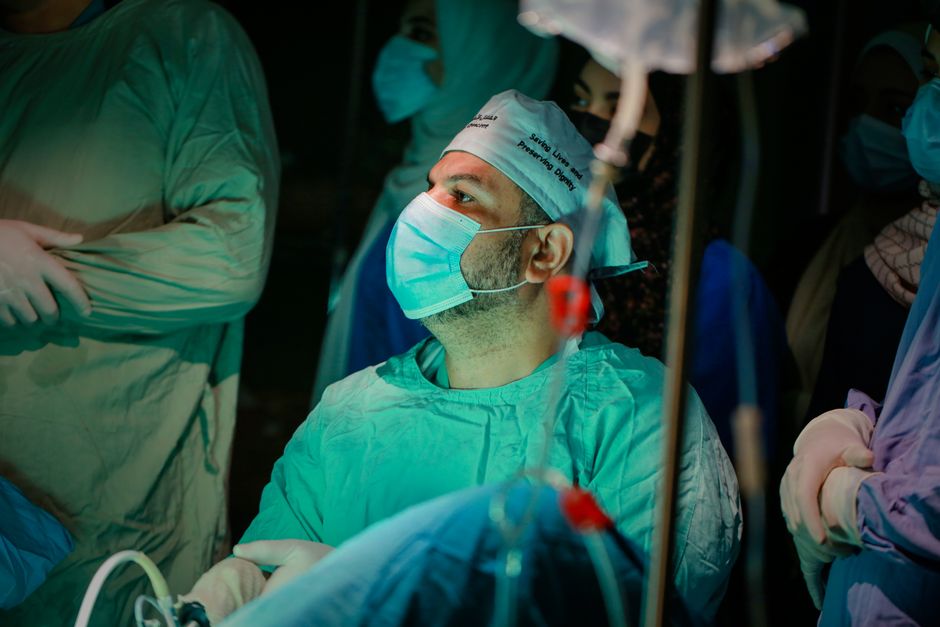
The humanitarian crisis unfolding in Gaza’s southern hospitals is reaching a critical zenith, as intensified fighting forces medical personnel and critically ill patients to abandon facilities that have become untenable war zones. The deliberate targeting and debilitating impact of the ongoing conflict are systematically dismantling Gaza’s already fragile healthcare infrastructure, leaving thousands without essential medical care. Hospitals in Khan Younis, a major city in the southern Gaza Strip, are at the epicenter of this exodus, with reports of relentless shelling, ground incursions, and severe shortages of vital supplies pushing them to the brink of collapse. This mass displacement of medical professionals and vulnerable patients represents a catastrophic failure of international humanitarian law and a stark indicator of the escalating suffering within the besieged territory.
The rationale behind the withdrawal of medical staff and the evacuation of patients from southern Gaza’s hospitals is rooted in an increasingly untenable operational environment. Military operations have intensified significantly in and around major medical centers, including Nasser Hospital and Al-Amal Hospital in Khan Younis. These facilities, which have been acting as de facto shelters for displaced populations in addition to providing critical medical services, are now reportedly under siege or direct attack. Israeli forces have asserted that Hamas is operating within and under these hospitals, a claim widely disputed by Hamas and international aid organizations who point to the devastating civilian casualties and infrastructure damage as evidence of indiscriminate shelling. Regardless of the specific justifications presented by warring parties, the outcome is the same: the functional paralysis of essential life-saving services. Medics, faced with the immediate threat to their own lives and the lives of their patients, are left with no viable option but to seek safer ground, a decision that is often made under duress and in conditions of extreme danger. The evacuation process itself is fraught with peril, involving navigating active combat zones with patients who are often too frail or severely injured to move easily, exacerbating their already precarious health status.
The consequences of this mass exodus are multifaceted and devastating for the civilian population of Gaza. Southern Gaza, having received a significant influx of displaced persons fleeing the north, was already strained to accommodate the sheer volume of wounded and sick. The abandonment of major hospitals leaves a gaping void in healthcare provision. Patients requiring intensive care, dialysis, chemotherapy, or complex surgical procedures are now finding their access to these life-saving treatments severely curtailed or eliminated entirely. Critical surgeries are being postponed indefinitely, leading to increased mortality rates and the exacerbation of chronic conditions. The lack of functioning medical facilities also means that the capacity to treat new casualties from the ongoing conflict is drastically reduced. This creates a vicious cycle where the inability to treat the injured prolongs the suffering and contributes to a higher death toll. Furthermore, the mental toll on both medical professionals and patients is immeasurable. Witnessing the destruction of healthcare infrastructure, coupled with the constant threat of violence, creates an environment of pervasive fear and trauma.
International humanitarian law, including the Geneva Conventions, unequivocally designates hospitals and medical personnel as protected entities during armed conflict. These protections are intended to ensure the unimpeded delivery of medical care to all parties, regardless of their affiliation. However, the current situation in Gaza demonstrates a profound disregard for these fundamental principles. The continuous shelling of hospital areas, the disruption of supply lines, and the alleged blocking of access for medical convoys have all contributed to the erosion of this protection. The deliberate targeting of or reckless endangerment of hospitals, even if not directly aimed at the buildings themselves, constitutes a grave violation of international humanitarian law. The ensuing displacement of medical staff and patients further compounds these violations by denying the right to health and the right to life to a population already facing immense hardship. The international community, while issuing statements of concern, has so far failed to implement effective mechanisms to enforce these protections and hold perpetrators accountable.
The logistical and ethical dilemmas faced by medical teams are immense. Doctors and nurses, bound by their Hippocratic Oath to save lives, are forced to make impossible choices. Do they remain in a facility that is actively under threat, risking their own lives and the lives of their patients? Or do they attempt to evacuate, knowing that the journey itself is perilous and that they may be leaving behind those too ill to move, or that they will be unable to provide adequate care in a makeshift setting? Many have chosen the former, continuing to work under extreme duress, but as the fighting intensifies and the threat becomes existential, evacuation becomes the only recourse. The challenges of evacuating are compounded by the lack of safe corridors, the inability to transport critical equipment and medication, and the sheer volume of individuals needing assistance. The psychological burden on these medics is immense, carrying the weight of responsibility for lives in a situation over which they have little control.
The dire situation in Gaza’s southern hospitals is not an isolated incident but a symptom of a protracted and devastating conflict that has systematically targeted and degraded essential services. The pre-existing challenges, including a decade-long blockade that severely limited medical supplies and personnel, have been amplified exponentially by the current hostilities. Even before the current escalation, Gaza’s healthcare system was operating under immense strain. The destruction of infrastructure, the loss of medical professionals, and the constant interruption of supply chains have pushed the system to a breaking point. The displacement of patients and medics from southern hospitals signifies a new and more alarming phase in this humanitarian catastrophe. The long-term implications for the health and well-being of the Gazan population are profound, with potential for outbreaks of infectious diseases due to poor sanitation, a surge in untreated chronic illnesses, and a generation of individuals suffering from the physical and psychological scars of war.
The international response, characterized by condemnations and appeals for humanitarian access, has so far been insufficient to alter the trajectory of this crisis. The establishment of safe zones for medical facilities and the guaranteed passage of humanitarian aid are critical steps that require more than just diplomatic pronouncements. Effective mechanisms for de-escalation, the cessation of hostilities, and the robust enforcement of international humanitarian law are urgently needed. Without decisive action from the international community, Gaza’s southern hospitals will continue to be emptied, leaving an ever-growing number of its inhabitants vulnerable and without the basic medical care necessary for survival. The narrative of fleeing medics and patients is a stark and urgent plea for the world to recognize the full scope of this unfolding tragedy and to translate concern into concrete, life-saving interventions. The very foundations of healthcare are crumbling, and with them, the hope for a healthier future for the people of Gaza.
