
Nigeria Coach Confused Over Injury To Striker Sadiq
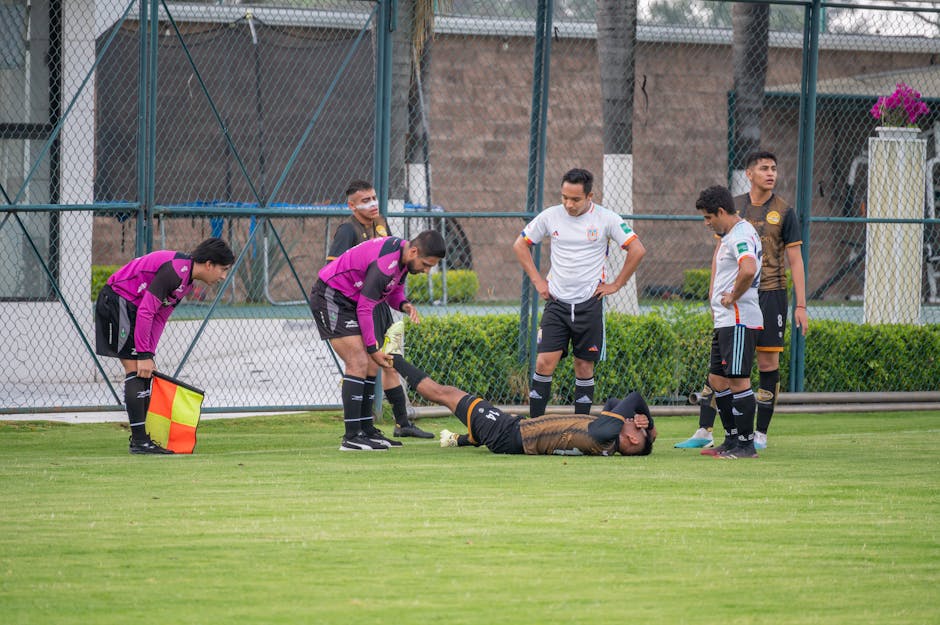
Nigeria Coach Pondering Sadiq Umar’s Injury: A Deep Dive into Tactical Dilemmas and Squad Uncertainty
The Super Eagles, Nigeria’s senior men’s national football team, find themselves navigating a turbulent period of uncertainty, with the glaring absence of striker Sadiq Umar due to injury casting a significant shadow over their tactical planning and squad selection. The versatile forward, a key component in the attacking machinery, has been ruled out for a crucial period, forcing head coach Jose Peseiro into a strategic quandary. This injury transcends mere player unavailability; it reverberates through the team’s attacking blueprint, impacting offensive flow, set-piece threats, and the overall dynamics of their campaign. Understanding the ramifications of Umar’s absence requires a multifaceted analysis, examining his individual contributions, the ripple effects on team strategy, potential replacements, and the psychological impact on the squad.
Sadiq Umar’s profile as a striker for the Super Eagles is multifaceted. His physicality, standing at an imposing height, makes him an aerial threat in both boxes, a valuable asset for defending set pieces and attacking opposition defenses. Beyond his physical attributes, Umar possesses a surprising agility and a keen sense for positioning, allowing him to operate effectively as a lone striker or in a partnership. His ability to hold up the ball, bring teammates into play, and create space for others are crucial elements that often go unnoticed but are vital for a cohesive attacking unit. Furthermore, his knack for finding the back of the net, coupled with his willingness to press and harry defenders, adds an important defensive dimension to his attacking role. His absence leaves a void that cannot be easily filled by a like-for-like replacement, demanding a recalibrated approach to offensive strategy.
The immediate tactical implication of Umar’s injury is the disruption of Peseiro’s established attacking patterns. Umar’s presence often dictates the team’s approach to build-up play. His ability to win aerial duels can facilitate long-ball strategies, providing a target man for direct attacks. Conversely, his intelligent movement off the ball can open up passing lanes for midfielders and wingers to exploit. With him out, Peseiro must consider alternatives. Will he opt for a quicker, more mobile striker who thrives on pace and counter-attacks? Or will he select a more traditional target man, potentially altering the team’s tempo and style of play? The answer to this question will significantly influence how the Super Eagles approach their upcoming fixtures, particularly against physically imposing opposition where Umar’s presence was a significant deterrent.
The absence of Sadiq Umar also directly impacts the Super Eagles’ effectiveness from set pieces. His aerial prowess is a significant weapon, making him a primary target for corners and free-kicks. His ability to outjump defenders and direct headers towards goal has been a consistent threat. Without him, the team loses a potent aerial option, potentially diminishing their scoring opportunities from dead-ball situations. This necessitates a re-evaluation of set-piece routines, potentially involving other players to step up in this regard. Coaches often meticulously craft set-piece strategies around key personnel, and Umar’s injury forces a significant overhaul of these carefully constructed plans, demanding innovative solutions from the coaching staff.
The search for a suitable replacement for Sadiq Umar is a paramount concern for Coach Peseiro. Several forwards are available within the Nigerian football landscape, each with their own strengths and weaknesses. Potential candidates include the experienced but perhaps less explosive Odion Ighalo, the energetic and direct Terem Moffi, and the promising but relatively untested Victor Boniface. Each of these players offers a different skillset. Moffi, for instance, brings blistering pace and a direct running style, which could be effective against teams that sit deep. Boniface, meanwhile, has shown glimpses of brilliance and a willingness to take on defenders, offering an element of unpredictability. The decision of who to entrust with the central striking role will be a critical one, as the chosen player will need to adapt quickly to Peseiro’s tactical system and shoulder the responsibility of leading the line.
The psychological impact of Sadiq Umar’s injury on the Super Eagles squad cannot be understated. Umar, despite his relatively young age, has become a respected figure within the team, known for his professionalism and positive attitude. His absence could create a sense of unease or a perception of vulnerability, especially if his replacement doesn’t immediately establish themselves as a reliable presence. Furthermore, the injury itself serves as a stark reminder of the fragility of a footballer’s career, potentially impacting the players’ focus and mindset. Peseiro will undoubtedly need to address these psychological aspects, rallying the squad and fostering a collective spirit to overcome the setback.
Beyond the immediate tactical and personnel considerations, Sadiq Umar’s injury also highlights the broader issue of squad depth within the Super Eagles. While Nigeria possesses a wealth of talent, the team’s reliance on certain key individuals for specific roles can become a vulnerability when those players are unavailable. The injury serves as a wake-up call, emphasizing the need for continuous development and nurturing of emerging talent to ensure a robust and adaptable squad capable of withstanding the rigencies of international competition. This includes providing opportunities for fringe players to gain experience and prove their mettle, thereby building a more resilient team for the future.
The decision-making process for Coach Peseiro will be intricate and multi-layered. He must weigh the different attributes of potential replacements against the specific tactical demands of upcoming opponents. Against a team known for its defensive solidity, a more mobile striker might be preferred to exploit spaces. Against a physically imposing side, a strong target man could be essential for disrupting their defensive structure. Furthermore, Peseiro must consider the current form and fitness levels of the available strikers, ensuring that whoever is selected is best equipped to contribute immediately. The coaching staff’s ability to adapt and innovate in the face of this adversity will be a true test of their mettle.
The role of team cohesion and established understanding is another factor impacted by Umar’s absence. Strikers often develop a strong understanding with the midfielders and wingers who provide them with service. The movement, timing, and communication between these attacking units are crucial for fluid offensive play. With a new striker potentially coming into the fold, this established chemistry will need to be rebuilt. Peseiro will likely dedicate significant training time to fostering this understanding, ensuring that the new attacking partnerships can gel quickly and effectively. This may involve practicing specific attacking patterns and encouraging open communication between players on the field.
The strategic planning for future tournaments is also subtly influenced by such injuries. While focusing on the immediate challenges, coaches must also consider the long-term implications of player availability. The sustained absence of a key player like Umar could necessitate a slight shift in development priorities, focusing on nurturing alternative options who can fill similar roles. This proactive approach to talent management is crucial for ensuring the Super Eagles remain a competitive force on the international stage for years to come.
In conclusion, Sadiq Umar’s injury presents Nigeria with a significant tactical puzzle. Coach Jose Peseiro faces the unenviable task of recalibrating his attacking strategy, identifying a suitable replacement, and bolstering the squad’s psychological resilience. The coming weeks and months will be a true test of the Super Eagles’ depth, adaptability, and the coaching staff’s strategic acumen. The team’s ability to navigate this period of uncertainty and emerge stronger will be a crucial indicator of their readiness for future challenges. The focus now shifts to how the remaining squad members can collectively rise to the occasion, demonstrating the collective strength and determination that defines the Super Eagles. This adversity, while unwelcome, also presents an opportunity for other players to step up and showcase their capabilities, potentially unearthing new heroes for Nigerian football. The tactical adjustments, the selection dilemmas, and the mental fortitude required will all be under intense scrutiny as the Super Eagles strive to overcome this significant setback.