
North Korea Fires 60 Rounds Of Artillery Near South Korean Border Island
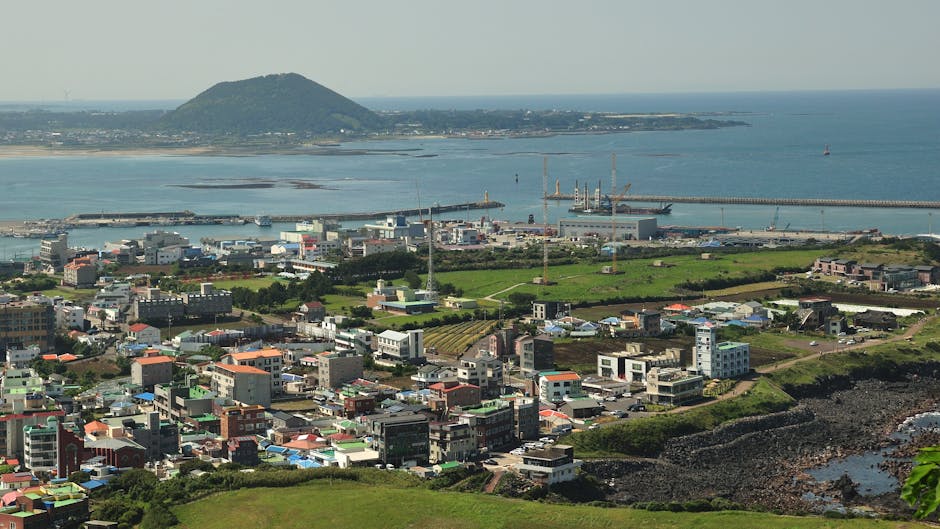
North Korea Fires 60 Rounds of Artillery Near South Korean Border Island, Escalating Tensions
North Korea has once again ignited significant regional tensions by firing approximately 60 artillery rounds in the vicinity of Yeonpyeong Island, a strategically vital South Korean island situated near the disputed maritime border in the Yellow Sea. This provocative action, occurring on a recent Friday morning, marks a serious escalation of Pyongyang’s assertive military posture and a direct challenge to South Korean sovereignty and regional stability. The artillery shells reportedly landed in waters north of the Northern Limit Line (NLL), the de facto maritime boundary between the two Koreas, but the sheer volume and proximity of the shelling have instilled considerable alarm in Seoul and its allies. South Korean military officials swiftly condemned the act, labeling it a clear violation of UN Security Council resolutions and a deliberate provocation aimed at unsettling the region. The Yongpyong Island, a densely populated South Korean territory with significant military installations, has been a focal point of previous North Korean provocations, including a deadly artillery bombardment in 2010 that resulted in the deaths of two South Korean Marines and two civilians. The recurrence of such aggressive maneuvers underscores the persistent volatility of the Korean Peninsula and the ongoing threat posed by North Korea’s unpredictable military actions.
The immediate response from South Korea was decisive and calibrated. In a swift retaliatory measure, the South Korean Joint Chiefs of Staff announced they had conducted live-fire drills in the same area where North Korea’s artillery had landed. These drills, while not directly targeting North Korean territory, served as a clear demonstration of Seoul’s readiness to defend its territory and deter further aggression. The South Korean military stated that their drills were conducted with precision and aimed to reinforce their defensive posture against any potential North Korean provocations. The strategic positioning of Yeonpyeong Island, located just a few kilometers from the North Korean mainland, makes it an inherently vulnerable target. Its defense is therefore a paramount concern for South Korean security. The South Korean government, under President Yoon Suk Yeol’s administration, has adopted a more robust stance against North Korean provocations compared to previous administrations. This hardening of policy is evident in their immediate and firm response to this latest incident. Seoul has consistently warned Pyongyang against any actions that could destabilize the peninsula and has emphasized its commitment to a strong alliance with the United States.
The international community has reacted with widespread condemnation to North Korea’s artillery firing. The United States, South Korea’s primary security ally, issued a strong statement denouncing Pyongyang’s actions as a threat to regional peace and stability. U.S. Indo-Pacific Command reaffirmed its commitment to the defense of South Korea, emphasizing that any attack on its ally would be met with a response. This unified front between Seoul and Washington is a crucial element in deterring further aggression from North Korea. The United Nations Security Council, which has imposed numerous sanctions on North Korea for its nuclear weapons and ballistic missile programs, is expected to convene to discuss the latest incident. However, past attempts to form a unified international response have been complicated by veto powers held by permanent members, including China and Russia, who often advocate for dialogue and de-escalation rather than punitive measures. Nevertheless, the repeated violations of UN resolutions by North Korea, including the firing of artillery, highlight the limitations of the current international framework in effectively curbing Pyongyang’s provocative behavior.
The specific context surrounding this artillery barrage is crucial for understanding its implications. North Korea has a history of using military provocations to achieve specific political objectives, such as garnering international attention, testing new weapon systems, or eliciting concessions from adversaries. This latest incident occurred amidst heightened geopolitical tensions stemming from Russia’s ongoing war in Ukraine and increased strategic competition between the U.S. and China. Pyongyang has also recently deepened its ties with Moscow, offering its munition supplies to support Russia’s war effort in exchange for military-aid and technical assistance. This evolving geopolitical landscape may have emboldened North Korea to undertake such aggressive actions, believing that the international focus is divided. Furthermore, the upcoming spring military exercises between South Korea and the United States, known as Freedom Shield, are also a likely catalyst for North Korea’s recent assertiveness. Pyongyang has consistently denounced these joint drills as rehearsals for an invasion and has historically used them as justification for its own military posturing. The timing of the artillery firing, just weeks before these exercises are set to commence, suggests a deliberate attempt by North Korea to preempt or disrupt them.
Analyzing the trajectory and landing points of the artillery shells provides critical intelligence for military analysts. While North Korea claims these shells landed in international waters, the proximity to the NLL and Yeonpyeong Island is what makes the action particularly alarming. The NLL itself is a contested boundary, established unilaterally by the UN Command after the Korean War. North Korea does not recognize it and has often challenged it with naval incursions and artillery fire. The strategic significance of Yeonpyeong Island cannot be overstated. It is a key South Korean military outpost, equipped with artillery and air defense systems, designed to monitor and deter North Korean naval and air activity. A direct attack on the island, or even the substantial shelling of its vicinity, has the potential to rapidly escalate into a full-scale conflict. The South Korean military is equipped to respond to such provocations, possessing advanced weaponry and a well-trained force. However, the unpredictable nature of North Korea’s leadership means that even a limited exchange of fire could spiral out of control.
The economic implications of this renewed tension are also significant. The Korean Peninsula has long been a delicate economic balance, with inter-Korean trade and cooperation being highly sensitive to the geopolitical climate. Increased military activity and the threat of conflict deter foreign investment and disrupt supply chains. South Korea, as a major global economic power, relies heavily on stability in its region. A prolonged period of heightened tension could negatively impact its export-oriented economy and lead to fluctuations in global financial markets. Furthermore, the cost of increased military readiness and potential conflict mitigation measures places a significant burden on national budgets for both South and North Korea.
The domestic political context within North Korea also plays a role. Leader Kim Jong Un has prioritized the development of his country’s nuclear and missile programs, often using external threats as a justification for resource allocation towards these programs. Economic hardship within North Korea, exacerbated by international sanctions and the lingering effects of the COVID-19 pandemic, can also prompt the regime to engage in external provocations to consolidate domestic support and deflect criticism from internal issues. By presenting itself as a strong military power defending against external threats, the regime can rally its populace and maintain control.
Looking ahead, the situation remains precarious. The immediate focus will be on de-escalation and preventing further provocations. South Korea and the United States will likely increase their joint military readiness and maintain a vigilant stance. Diplomatic channels, though often strained, will remain open. However, the efficacy of such diplomacy is largely dependent on North Korea’s willingness to engage in genuine dialogue and abandon its provocative military posturing. The international community’s role will be to continue applying pressure through sanctions while also exploring avenues for communication and de-escalation. The recurring nature of these incidents underscores the enduring challenge of achieving lasting peace and denuclearization on the Korean Peninsula. The firing of 60 artillery rounds near Yeonpyeong Island is not an isolated event but a potent reminder of the ever-present danger and the complex geopolitical dynamics that continue to shape this volatile region. The international community, therefore, must remain united and vigilant in its efforts to promote stability and prevent further escalation.
