
Protesting Farmers Start Blocking Motorways Around Paris
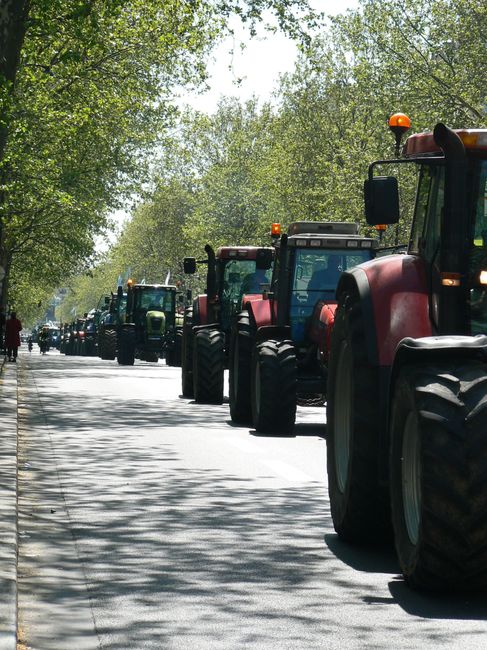
Farmers Block Major Motorways Around Paris: A Nationwide Protest for Survival
Farmers have initiated a significant escalation of their ongoing protests by launching blockades on key motorways surrounding Paris. This coordinated action, part of a wider national movement, aims to disrupt traffic and draw urgent attention to the critical economic and social pressures facing the agricultural sector. The decision to target major arteries leading into and out of the French capital signifies a strategic move to maximize pressure on the government and the wider public, highlighting the indispensable role of farmers in national food security and rural economies. The blockades, commencing in the early hours, have already caused substantial traffic disruptions, affecting commuters, freight transport, and potentially the supply chains of goods and services into the densely populated metropolitan area. This intensification of protests underscores the deep-seated grievances and the perceived lack of adequate governmental response to demands concerning income, regulations, and competitive fairness.
The core of the farmers’ grievances stems from a perceived decline in profitability and a growing feeling of being undervalued and overburdened. Central to their demands is a living income, a stark reality that many farmers are struggling to achieve. They argue that current farmgate prices for their produce do not adequately cover the escalating costs of production, including fuel, fertilizers, feed, and labor. The volatility of global markets, coupled with the increasing dominance of large retailers and food processing companies, further exacerbates this issue. Farmers often find themselves at the mercy of powerful intermediaries who dictate prices, leaving them with minimal margins, if any. This economic squeeze is not just an abstract concern; it translates into a tangible threat to the viability of farms, leading to debt, farm closures, and a loss of generational knowledge and experience within the agricultural community. The blockades represent a visceral expression of this economic desperation, a loud and clear signal that the current system is unsustainable for those on the land.
Beyond financial concerns, farmers are vociferously protesting against what they deem to be an excessive and often contradictory regulatory burden. They point to a complex web of EU and national legislation that, while often well-intentioned, can be costly and time-consuming to implement, particularly for smaller farms. These regulations encompass a wide range of areas, including environmental protection, animal welfare, and food safety. While farmers generally acknowledge the importance of these standards, they argue that the pace of implementation, the lack of sufficient financial support for compliance, and the disproportionate impact on French farmers compared to those in other countries create an uneven playing field. For instance, stringent environmental regulations aimed at reducing pesticide use or improving water quality can significantly increase operational costs and complexity, while imports from countries with less rigorous standards can still enter the market. This perceived unfairness fuels resentment and a sense of being targeted, leading to the demand for more pragmatic and supportive regulatory frameworks.
The issue of foreign competition, particularly from countries with lower production costs and less stringent regulations, is another major catalyst for the current protests. Farmers express deep concern over the import of agricultural products that do not meet the same environmental, social, or labor standards as those required in France. This influx of cheaper, foreign goods, they argue, directly undermines their competitiveness and depresses domestic prices, making it even harder to earn a decent living. The trade agreements negotiated by the EU are often cited as a significant factor contributing to this problem. Farmers feel that their interests are not adequately represented in these negotiations, and that they are being forced to compete on unequal terms with producers from outside the EU. The blockades are a direct manifestation of this concern, aiming to highlight the vulnerability of French agriculture to international market forces and to pressure the government to advocate for stronger protections and fairer trade practices.
The agricultural workforce itself is a significant concern. Farmers report increasing difficulty in attracting and retaining labor due to demanding working conditions, long hours, and the often-uncertain financial rewards. This demographic challenge, coupled with an aging farming population, raises serious questions about the future of French agriculture and its ability to meet domestic food demand and maintain rural landscapes. The blockades can be seen as a plea for greater recognition of the hard work and dedication of farmers and farm workers, and for policies that promote a more sustainable and attractive career path in agriculture. The preservation of rural life and the associated cultural heritage is also a deeply held value for many in the farming community, and they see the decline of their sector as a threat to the vitality of these regions.
The choice of Paris as the focal point of these protests is strategic. By disrupting access to the capital, farmers aim to directly impact the political and economic heart of France, forcing policymakers to confront the gravity of their concerns. The visual impact of tractors and farm vehicles on major highways leading into Paris is designed to capture national and international media attention, amplifying their message and creating a sense of urgency. The disruption to daily life for urban dwellers serves to underscore the interconnectedness of society and the agricultural sector, reminding city dwellers of their reliance on farmers for their food supply. This tactic, while causing inconvenience, is a deliberate attempt to translate the farmers’ struggles into a tangible and unavoidable national issue.
The specific demands of the protesting farmers are multifaceted and have been articulated through various farmer unions and agricultural organizations. These demands typically include: a guaranteed minimum income for farmers, the renegotiation of agricultural trade agreements to ensure fairer competition, a simplification and reduction of administrative burdens and regulations, increased state aid and subsidies to support farmers in meeting environmental and animal welfare standards, and greater transparency in the food supply chain to ensure that farmers receive a fairer share of the final product price. There is also a strong call for a greater emphasis on French and European agricultural production, with a view to enhancing food sovereignty and reducing reliance on imports. The current blockades are intended to put maximum pressure on the government to engage constructively and deliver concrete solutions to these pressing issues.
The response from the French government has been a mix of understanding and caution. While acknowledging the legitimate grievances of the farmers, officials have also expressed concerns about the disruptive nature of the protests and the potential economic consequences. Attempts at dialogue and negotiation have been made, with ministers meeting with farmer representatives. However, the farmers have consistently stated that these discussions have not yielded sufficient concrete progress, leading to the escalation of their actions. The government faces a delicate balancing act: addressing the deep-seated issues within the agricultural sector while also maintaining public order and ensuring the smooth functioning of the economy. The sustained nature of these protests suggests that a quick resolution is unlikely, and that further engagement and significant policy shifts will be required to de-escalate the situation.
The implications of these motorway blockades extend beyond France’s borders. Similar agricultural protests have been occurring across Europe, reflecting shared concerns among farmers in different member states. The French action, given France’s significant agricultural sector and its influence within the EU, has the potential to galvanize further action and put increased pressure on European institutions to address the challenges facing the common agricultural policy. The global nature of food production and trade means that solutions will likely require coordinated efforts at both national and international levels. The current protests highlight the fragility of food systems and the need for policies that support sustainable, resilient, and economically viable agriculture across the continent. The ongoing blockades around Paris are a stark reminder of the critical importance of agriculture and the urgent need to address the challenges that threaten its future.
