
Relatives Of Missing Ukrainian Soldiers Search For Loved Ones
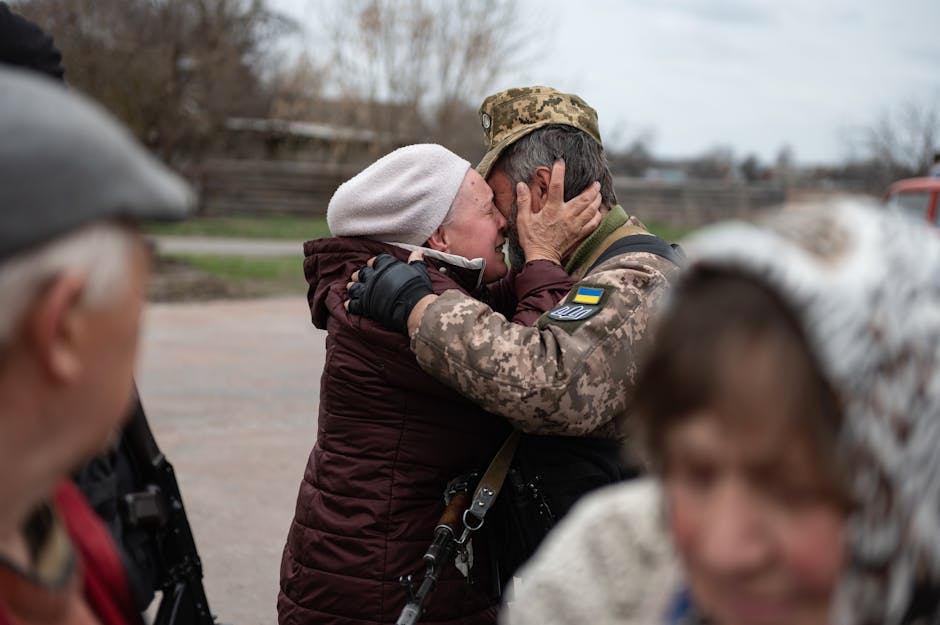
Relatives of Missing Ukrainian Soldiers Search for Loved Ones
The grim reality of war often leaves a void, not just on the battlefield but within families. In Ukraine, the ongoing conflict has created an agonizing situation where countless relatives are locked in an desperate search for loved ones who are missing in action. This search is a deeply personal odyssey, fraught with emotional turmoil, bureaucratic hurdles, and the constant flicker of hope against overwhelming despair. These families, often mothers, wives, children, and siblings, are not merely waiting; they are actively engaged in a relentless pursuit of information, driven by an unyielding love and the fundamental human need for closure and reunion. Their efforts transcend individual grief, highlighting a collective struggle for answers and a desperate plea to the international community and responsible parties to prioritize the fate of those who are unaccounted for. The sheer scale of the missing, amplified by the nature of modern warfare and the complexities of territorial control, means that this search is a protracted and deeply challenging undertaking, demanding immense resilience and resourcefulness from those left behind.
The systematic collection and dissemination of information are paramount in the search for missing Ukrainian soldiers. The Ukrainian government, through its Ministry of Defense and other relevant agencies, has established protocols and dedicated units to manage missing persons cases. These often involve maintaining databases of reported missing individuals, coordinating with international organizations, and facilitating prisoner exchange negotiations. However, the sheer volume of cases and the dynamic nature of the conflict can overwhelm existing systems. Families are often the first responders, initiating contact with military units, hospitals, and detention facilities. They meticulously gather any scrap of information, no matter how small, hoping it will lead to a breakthrough. This proactive engagement is crucial, as official channels can sometimes be slow or incomplete, especially in areas of active hostilities or occupied territories. The reliance on familial networks and grassroots efforts underscores the immense burden placed upon civilians who are already enduring the profound trauma of war. The act of searching itself becomes a form of resistance, a refusal to let their loved ones be forgotten or erased by the violence.
The emotional toll on families searching for missing loved ones is immeasurable. The uncertainty is a constant, gnawing pain. Is their son a prisoner of war? Is he injured and in a hospital? Has he made the ultimate sacrifice? Without definitive answers, families are trapped in a perpetual state of anxiety and grief. This emotional purgatory can lead to a range of psychological issues, including depression, PTSD, and a pervasive sense of helplessness. Many individuals dedicate their entire lives to this search, putting their own well-being and livelihoods on hold. They grapple with the psychological burden of imagining the worst-case scenarios while simultaneously clinging to the slender threads of hope for a positive outcome. The absence of their loved ones creates a tangible void in their lives, affecting daily routines, social interactions, and their overall sense of purpose. This emotional weight is a heavy cross to bear, and the resilience displayed by these families in the face of such profound suffering is a testament to the strength of the human spirit.
International humanitarian law and the Geneva Conventions play a critical role in the framework for addressing missing persons in armed conflict. These legal instruments obligate parties to the conflict to take all feasible measures to search for and identify persons who have gone missing and to account for them. This includes facilitating communication between families and missing persons, and ensuring the respectful treatment of remains. Organizations like the International Committee of the Red Cross (ICRC) are instrumental in this regard, acting as a neutral intermediary to facilitate the exchange of information, locate individuals, and provide humanitarian assistance. However, the effective implementation of these laws can be hampered by the complexities of the conflict, including limited access to certain areas and the deliberate obstruction of information by some parties. Families are often acutely aware of these legal frameworks and actively advocate for their full and unimpeded application, appealing to international bodies to exert pressure on all sides to uphold their obligations.
The process of identifying missing soldiers is a complex and often agonizing undertaking. When remains are recovered, DNA testing and dental records are crucial for positive identification. This process can be lengthy, requiring meticulous forensic work and inter-agency cooperation. For families, the wait for a confirmed identification can be as emotionally taxing as the initial period of uncertainty. The prospect of receiving remains for burial offers a form of closure, but it also brings a fresh wave of grief. When identification is not possible, or when remains are not recovered, the pain of not knowing is amplified. The military authorities in Ukraine are working to streamline these processes, but the sheer scale of the conflict means that resources and capacity can be stretched thin. The psychological impact of awaiting identification cannot be overstated, as it prolongs the period of agonizing suspense for grieving families.
The role of social media and online platforms has become increasingly significant in the search for missing Ukrainian soldiers. Families, friends, and volunteer networks utilize these platforms to share information, post photographs and details of missing individuals, and appeal for leads. These digital spaces have proven to be powerful tools for disseminating information rapidly and connecting people who might otherwise be isolated in their search. However, they also present challenges, including the risk of misinformation, the exploitation of sensitive personal data, and the potential for emotional distress caused by unverified reports. Despite these risks, the internet has become an indispensable resource for many families, offering a sense of community and a wider reach in their desperate efforts to find their loved ones. Hashtags related to missing persons, prisoner exchanges, and calls for information have become rallying cries for support and a means of amplifying the voices of those affected.
The international community’s role in supporting families of missing Ukrainian soldiers is multifaceted. This includes humanitarian aid, diplomatic pressure to uphold international humanitarian law, and the provision of technical assistance for identification processes. Governments and non-governmental organizations have a responsibility to advocate for the rights of families and to ensure that the issue of missing persons remains a priority on the international agenda. Funding for forensic services, psychological support for families, and the establishment of dedicated missing persons bureaus are vital contributions. Furthermore, international pressure can be instrumental in compelling parties to the conflict to provide information and cooperate with identification efforts. The persistent engagement of international bodies and civil society organizations is crucial to ensure that the plight of these families is not overlooked amidst the broader geopolitical landscape.
The bureaucratic labyrinth that families must navigate is often a significant obstacle. Obtaining official confirmation of a soldier’s status, accessing information about potential detention centers, and even securing a death certificate can be a convoluted and time-consuming process. Families frequently encounter challenges with documentation, access to personnel files, and communication with various government and military entities. The lack of centralized, easily accessible information can exacerbate their distress and make the search even more arduous. Volunteer organizations and legal aid services have emerged to assist families in navigating these bureaucratic hurdles, providing essential guidance and support in their quest for answers. The complexity of these administrative processes highlights the need for greater transparency and streamlined procedures within the official channels responsible for managing missing persons cases.
The psychological impact of prolonged uncertainty on families extends beyond immediate emotional distress. It can erode trust in authorities, lead to social isolation as individuals become consumed by their search, and significantly impact their physical health. The constant vigilance and emotional strain can manifest in sleep disturbances, anxiety disorders, and a general decline in well-being. Many families report feeling forgotten and abandoned, their pleas for information falling on deaf ears. The need for comprehensive and sustained psychological support services for these families cannot be overstated. This support should encompass not only immediate crisis intervention but also long-term counseling and community-building initiatives to help them cope with the ongoing trauma and uncertainty. The resilience of these families is remarkable, but it is crucial that they receive the ongoing support they deserve.
The political and military implications of the missing persons crisis are substantial. The fate of missing soldiers can have a significant impact on public morale, the dynamics of prisoner exchanges, and the broader narrative of the conflict. Governments are under immense pressure to account for their soldiers and to provide answers to grieving families. The lack of transparency or cooperation from any party can create further diplomatic tensions and prolong the suffering of those affected. The accurate accounting of missing persons is not just a humanitarian imperative but also a crucial element of accountability and the eventual pursuit of justice. The international community’s engagement in demanding transparency and accountability from all parties is therefore essential in resolving this crisis.
The future for families searching for missing Ukrainian soldiers remains uncertain, but their resolve is unwavering. Their dedication to finding answers, to honoring the sacrifices of their loved ones, and to advocating for their rights is a powerful testament to their strength and love. The search for missing persons is a protracted and deeply human endeavor, one that requires sustained attention, empathy, and tangible support from governments, international organizations, and individuals alike. The hope for reunion, or for definitive closure, continues to fuel their relentless pursuit. The ultimate resolution of this crisis will depend on continued international cooperation, a steadfast commitment to humanitarian principles, and the unyielding spirit of the families who refuse to give up on their loved ones. Their ongoing efforts serve as a stark reminder of the profound human cost of war and the enduring importance of seeking and accounting for every single life. The systematic collection of data, the forensic identification of remains, and the facilitation of communication are ongoing imperatives that demand continuous attention and resource allocation. The success of these efforts hinges on the active participation of all parties to the conflict in adhering to international humanitarian law and cooperating transparently with relevant organizations.
