
Rising Crime Explosion Of Gang Violence What Is Happening In Ecuador
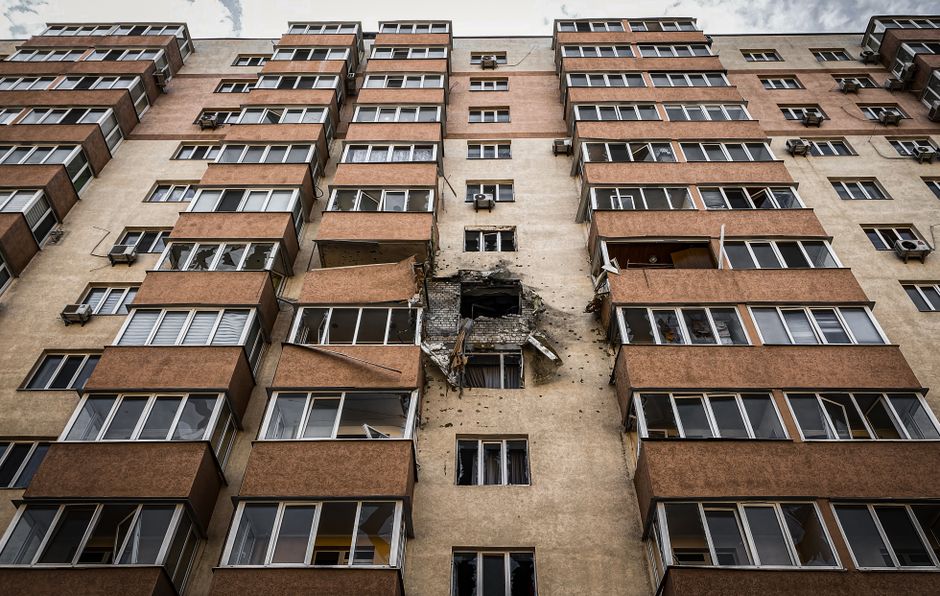
Ecuador’s Escalating Gang Violence: A Nation Under Siege
The unprecedented surge in gang violence has plunged Ecuador into a state of crisis, transforming once tranquil cities into volatile battlegrounds. This explosion of criminal activity, characterized by extreme brutality and widespread fear, is not an isolated phenomenon but rather the culmination of interconnected factors, including a porous penal system, rampant corruption, strategic geopolitical shifts in drug trafficking routes, and a state struggling to maintain its grip on territorial control. The impact extends far beyond the immediate victims, crippling the economy, eroding social cohesion, and forcing a nation to confront the devastating consequences of a security apparatus overwhelmed by a sophisticated and ruthless adversary. Understanding the multifaceted nature of this crisis is paramount to devising effective, long-term solutions.
The roots of Ecuador’s current security dilemma are deeply embedded in its penal system. For years, prisons have operated not as centers of rehabilitation but as operational hubs for powerful criminal organizations. Overcrowding, chronic understaffing, and endemic corruption have allowed inmate leaders to exert significant control, orchestrating illicit activities from behind bars. This internal governance has facilitated the recruitment of new members, the planning of complex criminal operations, and the perpetuation of inter-gang rivalries, which frequently spill out into the streets. The prisons have become incubators of violence, graduating hardened criminals back into society or directing them to carry out atrocities in the name of their factions. The state’s inability to effectively manage and control its correctional facilities has been a critical enabler of the broader gang violence phenomenon. Decades of insufficient investment in prison infrastructure, personnel training, and rehabilitation programs have created a fertile ground for criminal expansion, rendering attempts at de-escalation and reform largely ineffective. The sheer power and influence wielded by incarcerated gang leaders underscore the profound challenge of regaining control over these critical state institutions.
Compounding the internal weaknesses within the penal system is the pervasive issue of corruption. Bribery, extortion, and the illicit flow of money and contraband within and outside correctional facilities have compromised law enforcement, the judiciary, and even political circles. This corruption acts as a lubricant for criminal enterprises, allowing them to operate with a degree of impunity. When law enforcement officials are compromised, investigations falter, evidence disappears, and perpetrators evade justice, further emboldening criminal factions. The perception of widespread corruption erodes public trust in state institutions, creating an environment where citizens feel unprotected and increasingly susceptible to the influence and intimidation of powerful gangs. This insidious infiltration of state mechanisms weakens the very foundations of governance, making it exceedingly difficult to implement effective security strategies or foster an environment of lawful conduct. The financial incentives offered by criminal organizations are often substantial, preying on individuals in positions of power and vulnerability, thereby creating a cycle of complicity that perpetuates the problem.
The geographical positioning of Ecuador has also become a significant factor in its current crisis. Historically, Ecuador served as a transit country for cocaine destined for North America and Europe. However, a confluence of factors has led to a dramatic increase in its role as a production and major distribution hub. The crackdown on drug trafficking in neighboring Colombia, coupled with the expulsion of Mexican cartels from certain territories, has prompted these powerful organizations to seek new operational bases and transit routes. Ecuador, with its extensive coastline and relatively porous borders, has emerged as an attractive alternative. The Sinaloa Cartel and the Jalisco New Generation Cartel (CJNG), among others, have established a strong presence, forging alliances with local Ecuadorian gangs. These alliances have brought increased sophistication, funding, and firepower to the Ecuadorian criminal landscape, transforming what were once localized gangs into highly organized and dangerous transnational criminal organizations. The strategic importance of Ecuador’s Pacific coastline cannot be overstated, offering direct access to maritime shipping routes that are notoriously difficult to police effectively. This has made it a prime location for the consolidation of drug production and export operations.
The inter-gang warfare currently plaguing Ecuador is a direct manifestation of these shifting geopolitical dynamics in the illicit drug trade. The main factions vying for control are primarily Los Choneros and their rivals, such as Los Lobos, Los Tiguerones, and the Águilas. These groups, once relatively minor, have been significantly empowered and armed by their foreign cartel patrons. Their struggle for dominance over drug production territories, trafficking routes, and extortion rackets has resulted in a brutal and unrelenting wave of violence. This violence is characterized by meticulously planned assassinations, public displays of brutality, car bombings, and widespread use of high-powered weaponry. The objective is not merely to eliminate rivals but to instill terror and assert dominance over communities, demonstrating the state’s inability to provide security. The escalating fatalities and the audacity of these attacks have sent shockwaves through the population, leading to a pervasive sense of insecurity and fear. The competition for control over lucrative drug corridors and the lucrative black market for illegal goods has intensified, leading to increasingly violent confrontations.
The economic consequences of this escalating gang violence are devastating. Businesses are forced to operate under the constant threat of extortion, with many forced to pay protection money to gangs to avoid destruction or violence. This financial drain stifles investment, discourages entrepreneurship, and contributes to job losses. Tourism, a crucial sector for Ecuador’s economy, has been severely impacted as travelers become hesitant to visit due to safety concerns. Disruptions to supply chains and infrastructure due to gang activity further exacerbate economic woes. The government is forced to divert significant resources towards security and defense, funds that could otherwise be allocated to social programs, education, or healthcare. This economic fallout creates a vicious cycle, as poverty and lack of opportunity can, in turn, make individuals more susceptible to recruitment by criminal gangs, further fueling the violence. The loss of productivity and the increased costs associated with security measures represent a substantial burden on the national economy.
The social fabric of Ecuador is also being torn apart by the relentless violence. Fear has become a constant companion for many citizens, leading to a decline in community engagement and an increase in social isolation. Children are growing up in an environment where violence is normalized, with devastating long-term psychological and social impacts. The displacement of families fleeing gang-controlled territories adds to the strain on social services and creates internal migration challenges. Public spaces that were once centers of community life are now often avoided due to safety concerns, diminishing the sense of collective identity and well-being. The erosion of trust between communities and law enforcement, fueled by corruption and perceived inaction, further fragments society. The psychological toll on the population, characterized by widespread anxiety, trauma, and a sense of hopelessness, is a profound and often overlooked consequence of this prolonged period of insecurity.
In response to the escalating crisis, the Ecuadorian government has implemented a series of measures, including the declaration of an "internal armed conflict." This designation grants security forces expanded powers to combat gangs, which are now officially recognized as terrorist organizations. Military forces have been deployed to the streets, and curfews have been imposed in some areas. While these measures aim to restore order, they also raise concerns about potential human rights violations and the long-term effectiveness of a militarized approach. The challenge lies in striking a balance between immediate security needs and upholding fundamental rights. Furthermore, sustained international cooperation is crucial to disrupt the transnational nature of these criminal organizations, address the root causes of drug production, and facilitate intelligence sharing and interdiction efforts. The success of any long-term strategy hinges on a comprehensive approach that tackles not only the symptoms of violence but also its underlying drivers, including poverty, corruption, and systemic vulnerabilities. The effective dismantling of criminal networks requires a multi-pronged strategy that includes robust law enforcement, judicial reform, social intervention programs, and international collaboration.
The future of Ecuador hinges on its ability to effectively address this escalating gang violence. Without a decisive and sustained response, the nation risks becoming a failed state, with criminal organizations wielding unchecked power. Rebuilding trust in institutions, dismantling corrupt networks, and fostering economic and social resilience are critical steps. The path forward will be arduous, demanding not only strong leadership and strategic security measures but also a profound societal commitment to reclaiming their nation from the grip of organized crime. The ongoing struggle is a stark reminder of the complex interplay between global illicit economies and national security, and the devastating consequences that emerge when a state’s capacity to govern is systematically undermined. The very survival of democratic institutions and the well-being of its citizens are at stake in this critical moment for Ecuador.
