
Sweden S Accession To Nato Follows That Of Finland Last Year
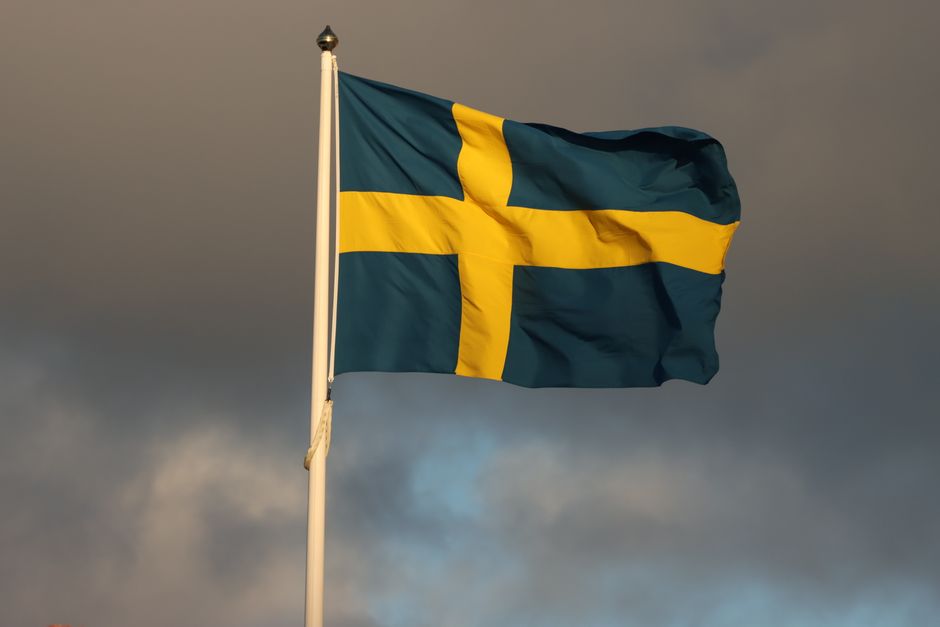
Sweden Joins NATO: A New Era of Nordic Security and European Defense
Sweden’s historic accession to the North Atlantic Treaty Organization (NATO) marks a profound shift in European security architecture, following closely on the heels of Finland’s membership in 2023. This development, culminating decades of Swedish neutrality, fundamentally alters the geopolitical landscape of the Baltic Sea region and strengthens the collective defense of the Alliance. The decision to join NATO was not taken lightly, driven by a confluence of escalating geopolitical tensions, most notably Russia’s full-scale invasion of Ukraine in February 2022. This act of aggression shattered the post-Cold War security order and forced a reassessment of Sweden’s long-standing policy of military non-alignment. For Sweden, neutrality had been a cornerstone of its foreign policy for over two centuries, aiming to maintain peace and avoid entanglement in Great Power conflicts. However, the brutal reality of war on its European doorstep rendered this policy untenable in the eyes of the Swedish government and a growing majority of its populace. The perceived existential threat posed by a resurgent and aggressive Russia necessitated a fundamental reorientation towards collective security.
The journey to NATO membership was a complex and multifaceted process. Public opinion in Sweden, traditionally cautious about military alliances, began to shift dramatically in the wake of the Ukraine invasion. Polls consistently showed a majority in favor of joining NATO, a stark contrast to pre-war sentiment. This public awakening put significant pressure on the political establishment. The governing Social Democratic Party, long a staunch defender of neutrality, underwent a historic policy reversal in May 2022, announcing its intention to seek NATO membership. This decision was ratified by the Swedish Riksdag (parliament) in a decisive vote, signaling a broad political consensus on the need for enhanced security guarantees. However, the accession process was not without its hurdles. Turkey, a NATO member, initially expressed reservations, citing concerns over Sweden’s stance on groups it designates as terrorist organizations. Similarly, Hungary also delayed its ratification. Through intensive diplomatic engagement, bilateral negotiations, and concessions on both sides, these objections were eventually addressed, paving the way for Sweden’s official membership. The ratification process underscored the interconnectedness of NATO decisions and the importance of consensus among member states.
Finland’s accession in April 2023 served as a crucial precursor and catalyst for Sweden’s own membership. The two Nordic nations, bound by deep historical, cultural, and security ties, had long coordinated their defense policies and often contemplated their security in tandem. Finland’s decision to abandon its own long-standing neutrality and join NATO created a powerful momentum that Sweden found difficult to resist. The shared border with Russia, for Finland, and the strategic importance of the Baltic Sea for both, meant that their security interests were intrinsically linked. By joining NATO together, they presented a united front, bolstering regional stability and enhancing the collective defense of the Baltic region. The dual accession significantly altered the strategic balance in Northern Europe, extending NATO’s northern flank and enhancing its operational capabilities in a critical geographic area. The integration of the Swedish and Finnish armed forces into NATO’s command structure and military planning represents a significant enhancement of the Alliance’s overall strength and readiness.
Sweden’s NATO membership brings considerable strategic advantages to the Alliance. Its well-trained and technologically advanced military, including a capable air force, modern naval fleet, and a strong tradition of territorial defense, will bolster NATO’s military capabilities. Sweden’s geographic location is also strategically vital. Its position in the Baltic Sea provides crucial access and operational depth for NATO forces, enabling better surveillance, maritime control, and the projection of power. The Swedish island of Gotland, located strategically in the middle of the Baltic Sea, is a particularly important asset, offering a forward-deployed base for monitoring and defense. Furthermore, Sweden’s robust defense industry and its experience in developing advanced military technologies will contribute to NATO’s technological edge. The integration of Sweden’s defense capabilities into NATO’s existing structures will lead to increased interoperability, joint training exercises, and more effective crisis response mechanisms.
From a Russian perspective, Sweden’s and Finland’s NATO memberships represent a significant strategic setback. For decades, Russia has viewed NATO expansion eastward with suspicion and hostility, interpreting it as a direct threat to its security interests. The accession of two traditionally neutral, militarily capable Nordic states on Russia’s doorstep, coupled with the increased NATO presence in the Baltic region, intensifies this perception. This development not only extends NATO’s direct military footprint closer to Russia’s borders but also solidifies a contiguous bloc of NATO territory across the northern flank of Europe. The strategic implications for Russia include a potential curtailment of its freedom of movement in the Baltic Sea and increased scrutiny of its military activities in the region. While Russia has publicly condemned the expansion, its immediate response has been largely diplomatic, though the long-term implications for its military posture and strategic planning remain to be seen. The increased NATO presence and readiness in the Baltic region will undoubtedly necessitate a reassessment of Russian military doctrine and deployment.
The economic implications of Sweden’s NATO membership are also noteworthy. While membership entails financial contributions to the Alliance, it also offers the promise of enhanced security, which is a prerequisite for economic stability and investment. Increased security can foster greater foreign investment, boost trade, and support economic growth. Sweden’s strong economy and its commitment to defense spending are expected to align with NATO’s overall resource allocation. The integration of Sweden into NATO’s collective defense framework can also lead to greater burden-sharing and more efficient allocation of defense resources across the Alliance. Furthermore, the enhanced security environment in the Baltic region, facilitated by Sweden’s membership, can have positive ripple effects on regional economic cooperation and development.
The long-term strategic consequences of Sweden’s NATO accession are profound and multifaceted. It represents a decisive shift in European security, moving away from a system of individual state security towards a more integrated and collective approach. The increased strength and coherence of NATO’s northern flank will deter potential aggression and enhance the Alliance’s ability to respond to a wider range of security challenges. The accession also signals a renewed commitment to the principles of collective defense and the importance of democratic values in a volatile geopolitical landscape. For Sweden, it marks the end of an era of neutrality and the embrace of a new security paradigm, one that prioritizes alliances and collective security in the face of evolving threats. The integration process will be ongoing, requiring continuous adaptation and cooperation between Sweden and its new NATO allies to ensure maximum effectiveness and maintain peace and stability in Europe. The experience of Sweden and Finland in integrating into NATO will likely serve as a model for future potential members, highlighting the process, challenges, and benefits of joining the world’s most powerful military alliance. The continued focus on deterrence, defense, and dialogue will be crucial in navigating the complex security environment in the years to come, with Sweden’s membership now a central pillar of this strategy.
